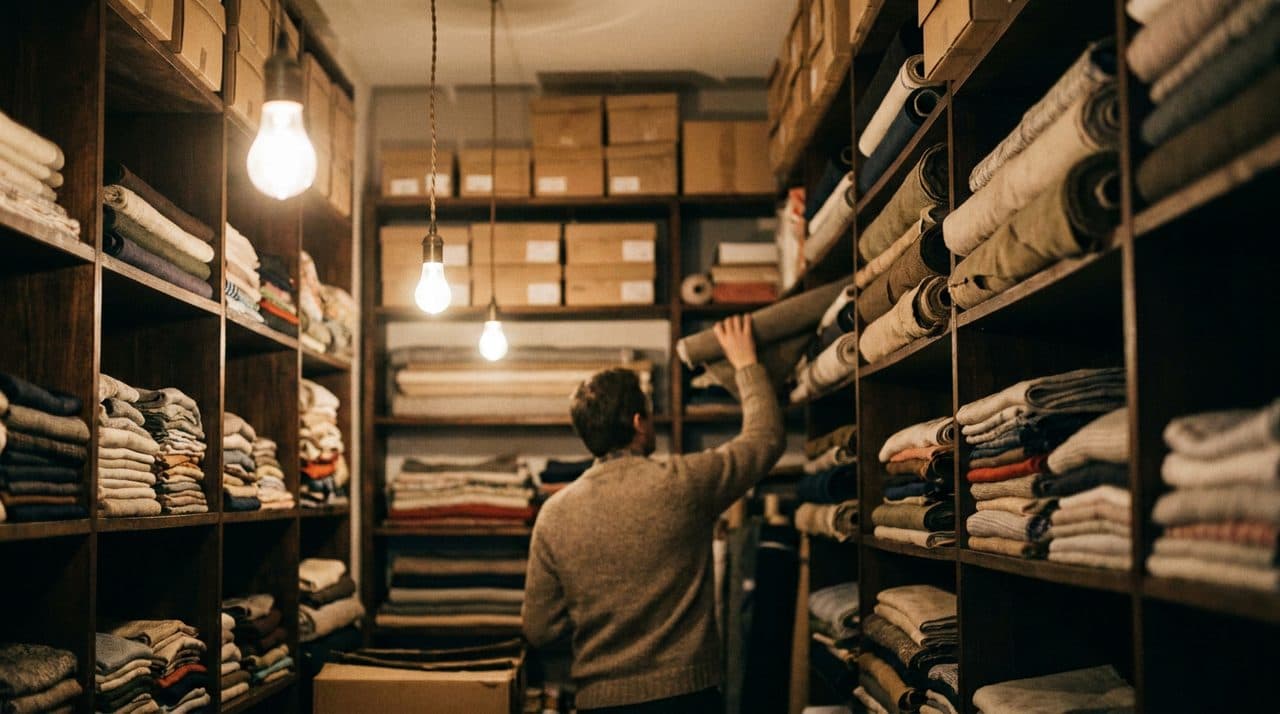
You push through a door that feels like it hasn't been oiled since the Carter administration and step into what looks like a hoarder's fever dream filtered through the lens of global football history. This East Village shop — tucked on a side street where the neighborhood still smells like pierogi grease and old concrete — operates on its own logic, a logic that says if you can fit one more Dynamo Kiev scarf on that shelf, you absolutely should.
The Geography of Forgotten Tournaments
The front room measures maybe twelve feet across, but the walls climb high enough that you need a stepladder to reach the top shelves where boxes of programs from the 1978 World Cup sit gathering dust. The owner keeps that ladder leaning against the back wall, and you're expected to use it yourself. No one's going to fetch things for you here. The air smells like old paper and that specific mustiness of polyester that's been folded in cardboard for decades. Fluorescent tubes overhead flicker just enough to remind you they're thinking about dying soon. Between the racks of jerseys — arranged by continent, then by decade, with a chaotic subsection for "disputed territories and defunct leagues" — you'll find wooden crates stuffed with pennants from clubs that no longer exist. The floor creaks differently depending on where you step, a whole topography of loose boards that announce your movements to everyone in the shop.
What the Regulars Know to Ignore
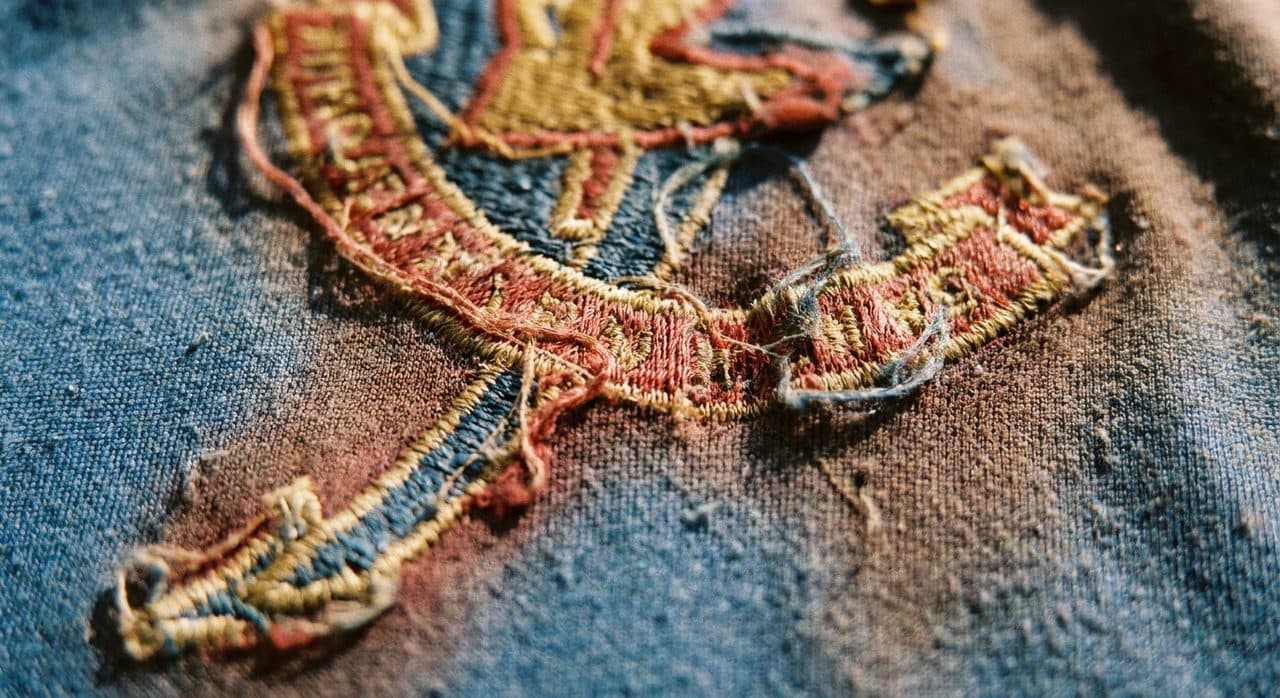
The first-time visitor makes the mistake of browsing the front racks, the ones at eye level with relatively clean Adidas and Puma shirts from the early 2000s. Those are decoys. The real inventory lives in the back corner, past the table stacked with unsorted Eastern European match programs, behind the rack of referee jerseys that no one ever buys but that somehow remain a permanent fixture. You want the wooden filing cabinet with the stuck bottom drawer — that's where the pre-1990 South American kits live, the ones with fabric so thin you can see through them in direct light. The Iceland section, small but surprisingly deep, occupies two shelves near the bathroom door. Most of it dates from the early 2000s, back when the national team was still a novelty act in qualifying rounds. The Argentina collection sprawls across an entire wall, organized by absolutely no system anyone has ever been able to decode. You'll find a 1986 replica next to a 2014 training top next to a youth jersey from 1973.
The Unspoken Browsing Protocol
Nobody talks much in here, which feels right for a place that operates like a library designed by someone who failed library school. You hear the rustle of plastic hangers on metal rods, the occasional satisfied grunt when someone finds what they've been hunting for, the sound of someone's knees popping as they crouch to check the bottom bins. The shop attracts a specific type: men mostly, ranging from college age to retirement, who move with the careful deliberation of archaeologists at a dig site. They're checking labels, examining stitching, holding jerseys up to the light from the front window to spot repairs or fading. On match days, the energy shifts slightly. You get the diaspora crowds, Argentinians who grew up in Queens, Icelandic expats from Bay Ridge, all looking for something to wear that signals deeper allegiance than whatever the official store sells. They arrive hours before kickoff, giving themselves time to dig, to compare, to negotiate.
The Pricing Philosophy That Makes No Sense Until It Does
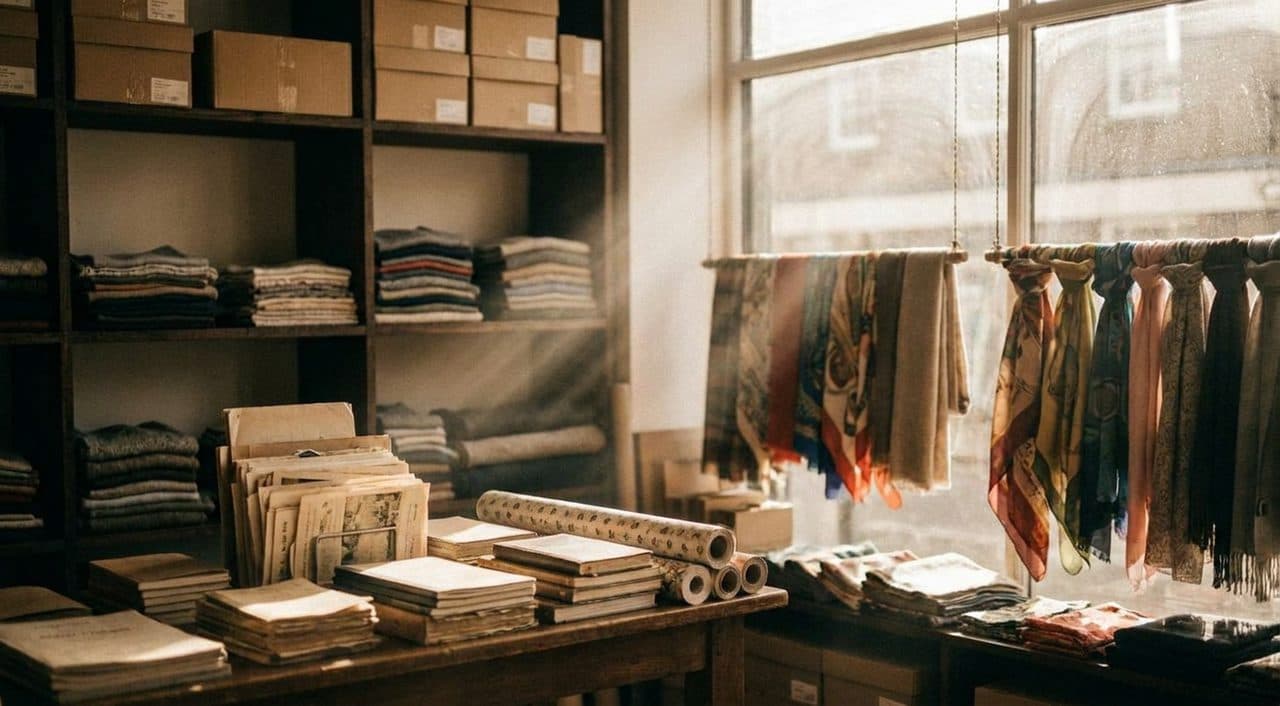
Nothing has a price tag. You bring items to the front counter — really just a desk buried under more inventory — and wait for the assessment. The owner pulls out a calculator older than most of the jerseys and punches numbers while muttering to himself. A faded 1990s jersey might run you less than a current season replica would cost at a mall, or it might cost three times that, depending on factors that remain mysterious. Condition matters, but so does obscurity, but so does his mood, but so does whether he thinks you actually care or you're just buying it for a costume party. He remembers repeat customers and their previous purchases, will occasionally knock off a few bucks if you're building a collection he approves of. Cash works best, though he'll take cards with visible reluctance and a small surcharge he doesn't bother to hide.
The Archive That Isn't Technically for Sale
In the back room, behind a curtain that's really just a bedsheet thumbtacked to the ceiling, lives the personal collection. It's not off-limits exactly, but you need to ask, and you need to have demonstrated enough knowledge in your browsing to make asking worthwhile. Back there you'll find match-worn jerseys with grass stains and repairs, programs signed by players whose names only serious historians recognize, tickets from games that made no headlines but that somehow mattered enough for someone to preserve them. The room smells different back here — less must, more of that specific old-fabric scent that vintage clothing dealers know intimately. The light comes from a single bulb, and the temperature runs about ten degrees warmer than the front room. He'll let you look, might even let you hold something if you're careful, but sales from this section happen rarely and require negotiations that can stretch across multiple visits.
The Pre-Match Convergence Pattern
Two hours before kickoff, the shop hits capacity, which means about eight people crammed into that front room, all trying to browse without bumping into each other's elbows. Someone's always blocking the section you need to see. You develop a shuffle-step, a sideways crab-walk that lets you navigate between the racks and the other bodies. The conversations start happening then — comparisons of players, debates about tactics, the kind of trash talk that stays friendly because everyone here respects the depth of everyone else's obsession. A guy in a vintage Boca Juniors shirt argues with someone wearing a 1994 Bulgaria kit about defensive formations. Someone else shows off a find from the filing cabinet, a jersey so obscure that even the owner has to look up which tournament it's from. The energy builds like a pre-game warmup, everyone feeding off each other's excitement, the shop transforming from quiet archive to rowdy clubhouse.
Practical Notes
The shop keeps irregular hours, generally opening late morning and staying open until early evening, though match days tend to extend those windows. Getting there means taking the subway to the East Village and walking a few blocks through the neighborhood's grid of side streets — look for the storefront with jerseys visible through a dusty window. No appointment needed, but patience required. Bring cash for the smoothest transaction. The selection changes constantly as new inventory arrives and old pieces finally find buyers, so what you see one visit might be gone the next. During major tournaments, arrive early if you want time to browse properly. The bathroom technically exists but isn't recommended. Street parking runs scarce, so public transit makes the most sense.
Tags: #RetroSoccerJersey #VintageFootballKit #EastVillageNYC #SoccerMemorabilia #ArgentinaFootball #IcelandFootball #VintageSportswear #TheOddEdit #NYCHiddenGems #FootballCollectors #SoccerHistory #EastVillageShops #VintageJerseys #WorldCupCulture #NYCFinds
Sources consulted: atlasobscura.com · timeout.com · nytimes.com
All trademarks are the property of their respective owners.


