For a smoother subway ride after a US Open night session, the best exit is usually not a clock time but a match moment: leave at the end of a set, after a major momentum swing, or before a possible deciding stretch if your priority is reducing the post-match crush. If seeing the final point matters most, stay, but expect more people to move toward transit at the same time. If you have a late transfer, an early-morning obligation, or a low tolerance for packed platforms, decide before the match what would make you leave. The official 2026 US Open calendar runs August 23 through September 13, with singles main-draw play beginning August 30, but session details, gate procedures, transit service, venue rules, and weather can change. Recheck the US Open schedule, transportation pages, prohibited-items guidance, and the MTA’s US Open guide close to your visit.
Text Karpo during the final set and we’ll help choose a subway exit plan that fits your comfort.

Use Match Breaks, Not Just the Clock
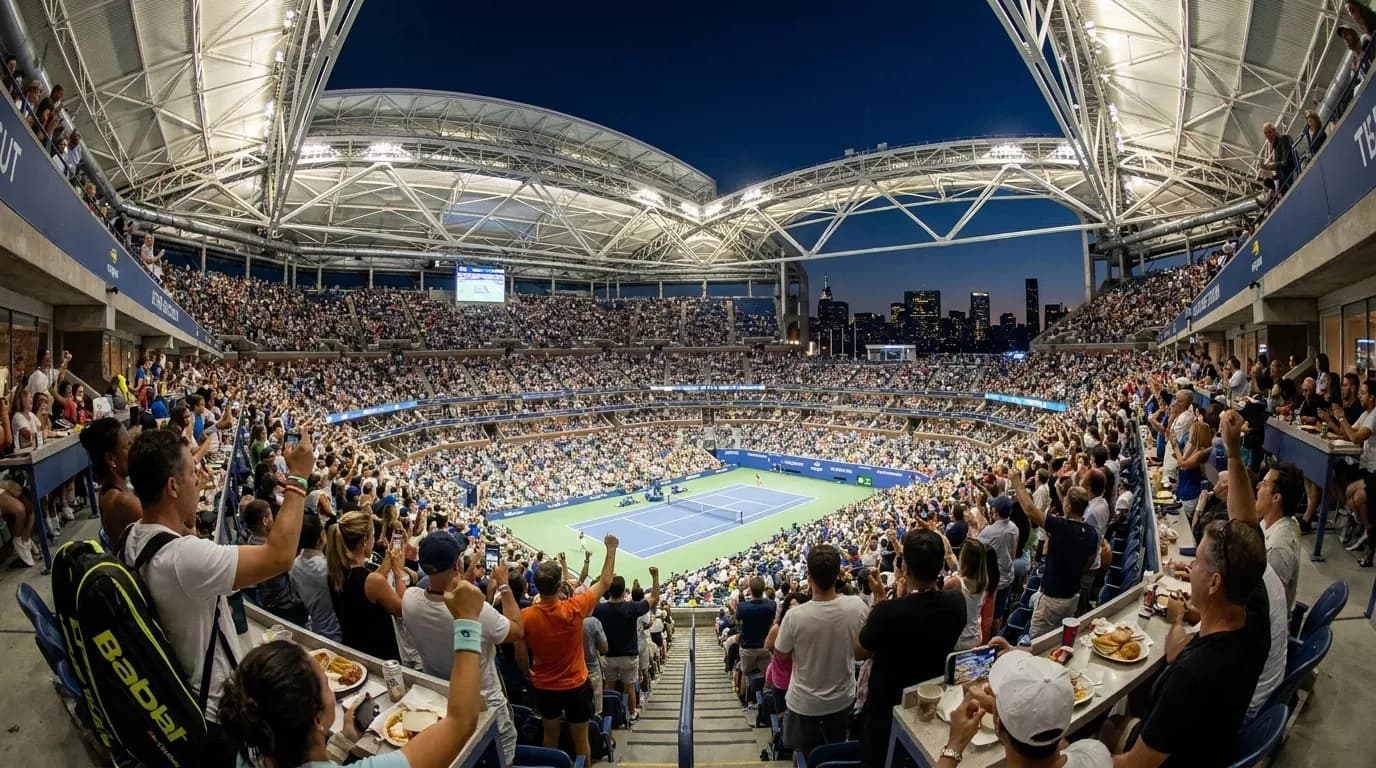
The temptation is to pick a hard departure time, such as 10:30 p.m. or 11 p.m., and treat it like a train reservation. That can help if you have a strict transfer or need to meet someone, but tennis does not cooperate neatly with clocks. A night match can move quickly, stall in long games, or turn on one service break. For crowd management, the more useful trigger is a clean break in the match, because many fans hesitate to leave mid-game and then move together when the result is decided.
If the score suggests a straight-set finish is close and you want to see the end, staying may be worth the congestion trade-off. If the match has just leveled and a long final phase seems possible, leaving at the set break can be the calmer choice. You will miss live drama, but you are more likely to avoid the largest synchronized wave of fans heading toward the exits, station approaches, and platforms. This is not a guarantee of empty trains; it is a way to trade a known tennis moment for a potentially less stressful transit window.
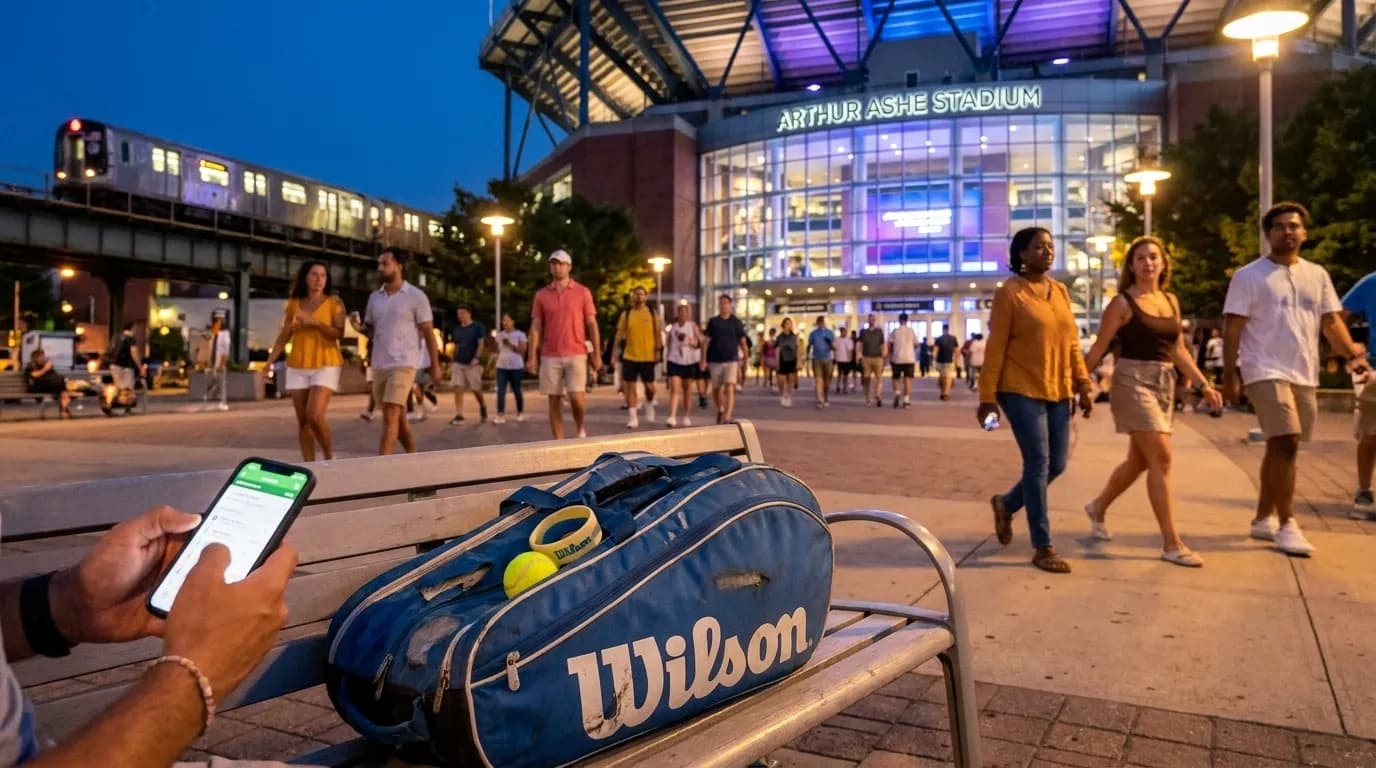
Know Your Own Finish Threshold Before First Serve
The easiest mistake is negotiating with yourself after every point. Decide in advance what kind of finish you are willing to sacrifice. A casual fan may be happy leaving once both players have shown their level and the atmosphere has peaked. A fan who came for a particular player may accept a crowded ride to see a handshake at the net. A traveler staying far from Queens may prioritize catching a manageable connection over squeezing out the last twenty minutes of play.
A good threshold is specific. For example: “If the match reaches a set break after 10:45 and I still need two subway lines, I leave.” Or: “If it looks close to ending, I stay, then wait a few minutes before joining the station flow.” This kind of rule keeps the evening from becoming an anxious countdown. It also helps groups avoid the classic post-match sidewalk debate, where one person wants the finish, another is thinking about transfers, and everyone moves later than intended.
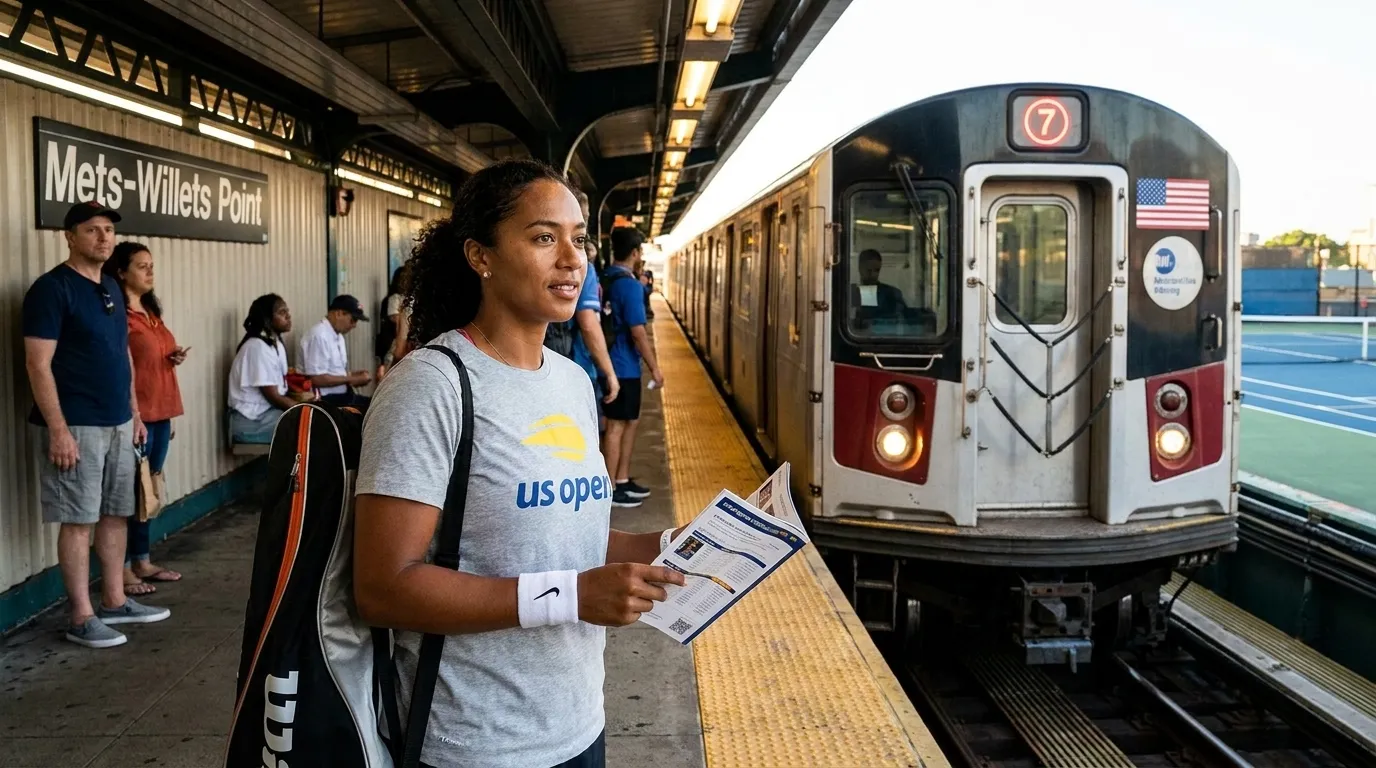
The 7 Train Is Convenient, So Everyone Else Knows It Too
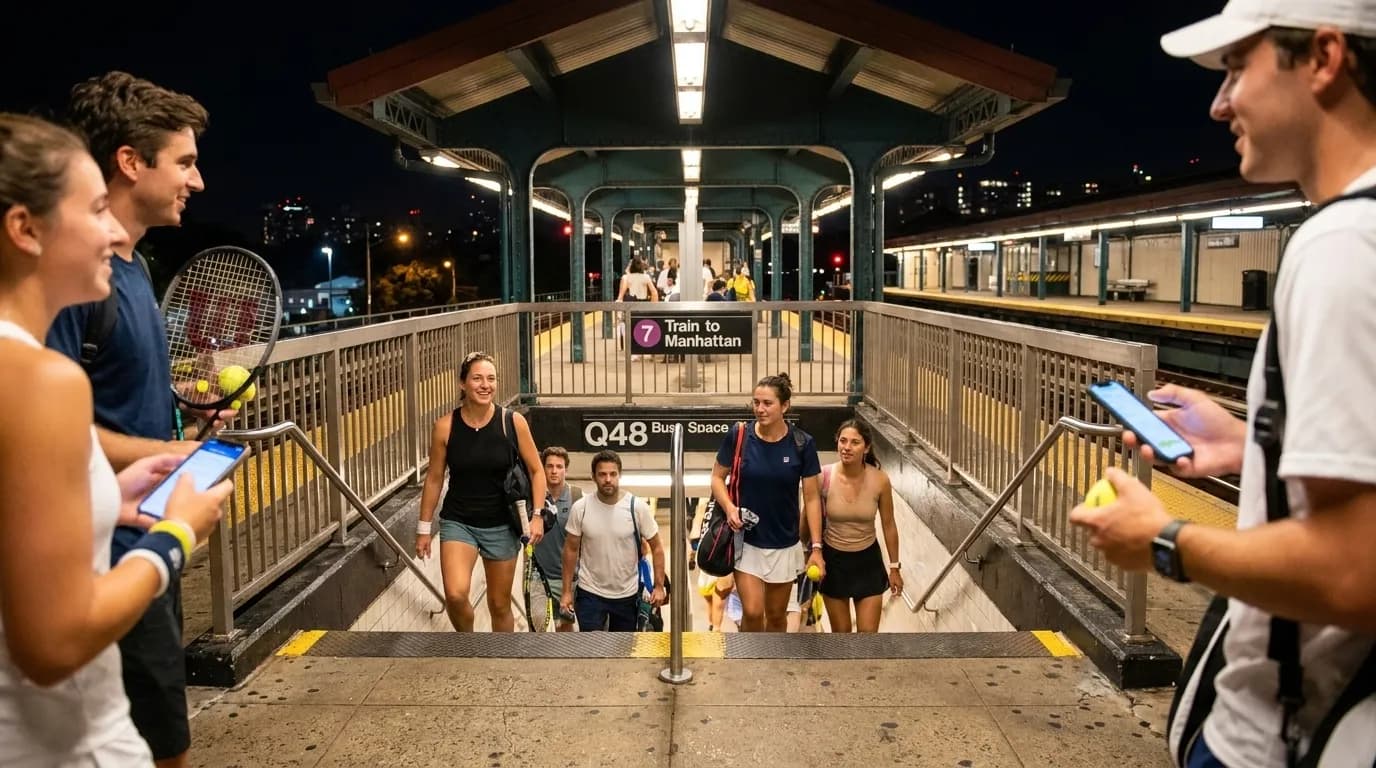
The official US Open transportation information and the MTA’s event guidance point fans toward public transit options serving the tournament area, including the subway connection at Mets-Willets Point. That convenience is exactly why the post-session surge can feel concentrated. When a large crowd has watched the same match, uses the same exit logic, and heads toward the same transit corridor, the experience can change quickly from relaxed to stop-and-start.
Leaving early is not only about getting onto the first train you see. It is about reducing the number of decisions you have to make while tired: which platform area to stand in, how to keep your group together, whether your transfer still feels comfortable, and whether you should wait for a less crowded train. If you are transferring in Manhattan or elsewhere late at night, build your plan around the whole trip, not just the first subway segment from Queens. The first leg may be simple; the second or third leg is often where fatigue and crowding feel more consequential.
When Staying for the Final Point Still Makes Sense
There are nights when leaving early will feel too clinical. If you have a good seat, the match is tight, and you came specifically for that session, the finish may be the point of being there. The practical approach is not to pretend the subway will be effortless afterward, but to shift your expectation. You are choosing the full sporting experience, then managing the exit patiently.
If you stay to the end, consider slowing down rather than sprinting with the first wave. Let the aisle clear, use the restroom if lines are reasonable, refill your patience, and move deliberately with your group. Do not count on venue concessions, services, or transit patterns staying available exactly as you imagine; verify current details before the session and make decisions on the ground. A short pause will not always eliminate crowding, but it can prevent the most frantic version of the exit, especially if you do not have a tight transfer.
If You Leave Early, Leave Cleanly
An early exit works best when it is decisive. The worst version is leaving your seat, stopping repeatedly to watch screens or listen for crowd noise, then rejoining the same crowd you meant to avoid. If you decide to go, go with purpose. Wait for an appropriate break in play, gather your belongings before you stand, and make sure your phone, payment method, and transit directions are ready before you reach the busiest walking areas.
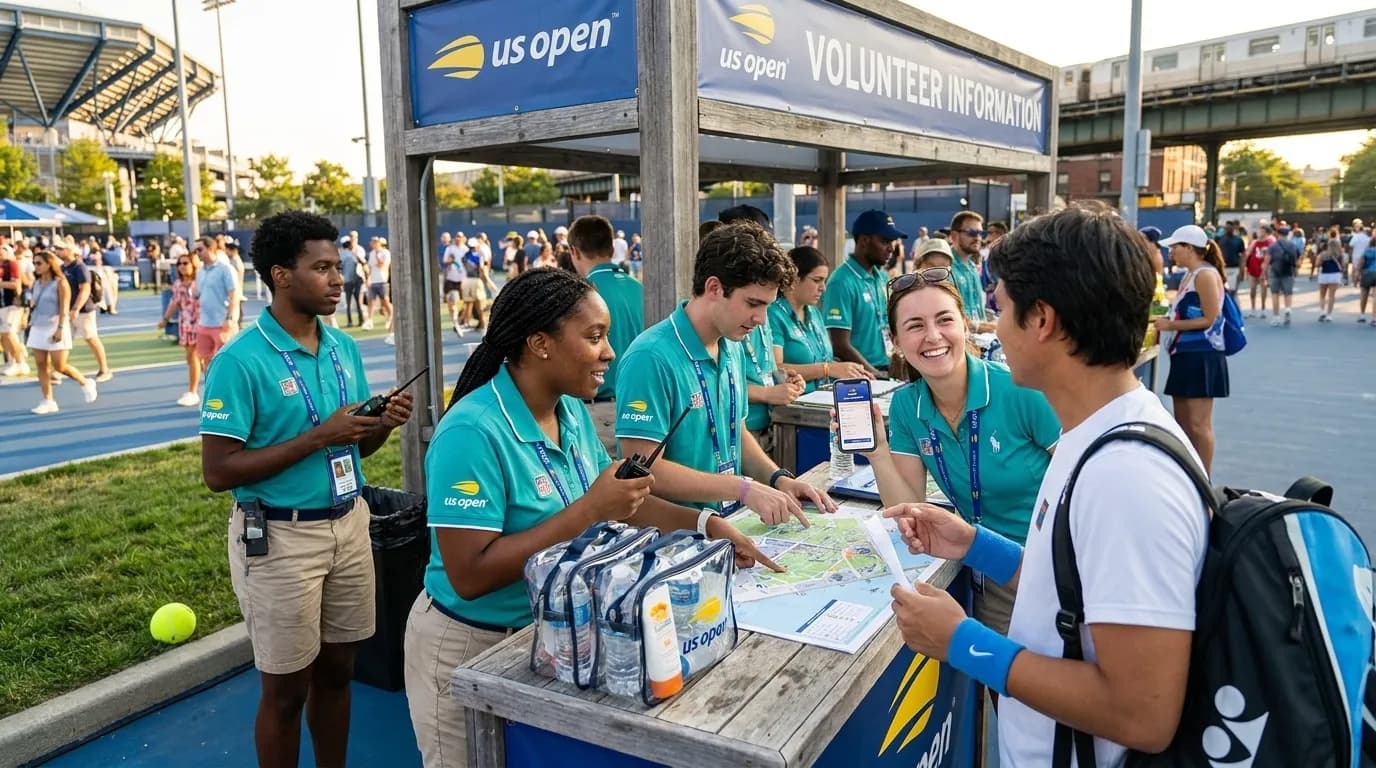
This is also where venue rules matter. The US Open publishes prohibited-items and A-to-Z visitor guidance, and those rules can affect what you bring, how quickly you enter, and how comfortably you move around the grounds. A lighter bag is easier on a crowded train and simpler when you are tired. Check the current prohibited-items page before packing, because assumptions from a past year may not be reliable for 2026. The goal is not to optimize every minute; it is to remove small frictions that become bigger after a late match.
Build a Late-Night Transfer Plan You Can Actually Use
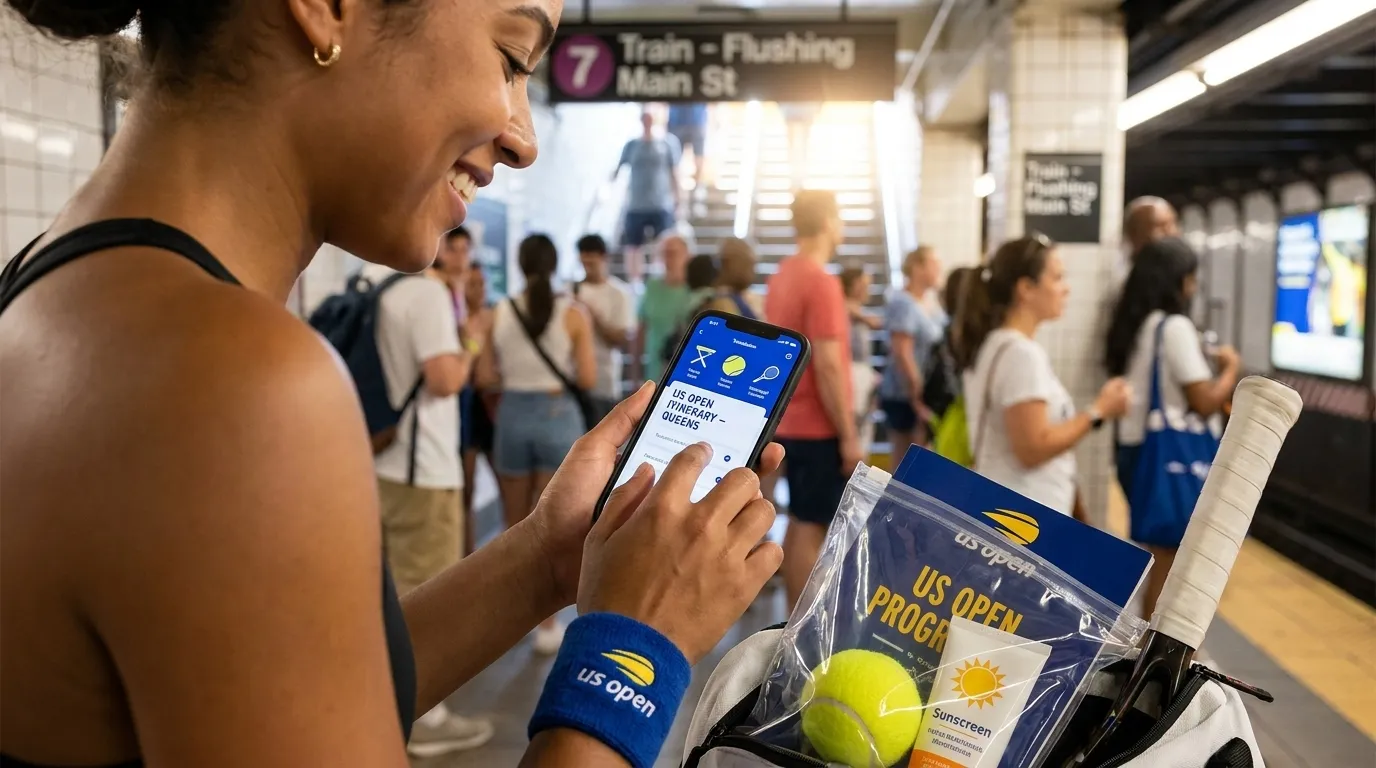
Before you enter the grounds, map your route from the tournament area to your final stop, then map one backup that does not require improvising under pressure. This is practical backup planning, not a promise that any specific train, connection, or service pattern will be available. Subway service can change, and event crowds can affect how quickly you move from seat to platform. The MTA’s US Open guide and real-time MTA information are the right places to check close to departure.
Pay attention to the transfer you least want to make while tired. A single ride to a nearby stay is a different decision from a ride that involves multiple lines or a long walk after midnight. If your route depends on a connection you would not enjoy missing, your leave point should be earlier and more conservative. If your lodging is on a simpler route and you are comfortable waiting out the crowd, staying later may be a reasonable trade. The smartest plan is personal: it reflects your distance, mobility, group size, comfort with late-night travel, and appetite for seeing the match through.
Practical Notes
- Check the official US Open event schedule close to your session, especially because the 2026 tournament calendar runs August 23 through September 13 and singles main-draw play begins August 30.
- Review the US Open transportation and directions page, plus the MTA’s US Open guide, before you leave for the grounds and again before your return trip if service conditions may have changed.
- Set a personal exit rule before the match: stay for the finish, leave at a set break after a chosen time, or leave if a late transfer starts to feel too tight.
- If you leave early, do it during a natural break in play and keep moving; lingering near exits can erase the advantage.
- If you stay to the final point, expect a larger shared exit and consider waiting briefly before heading toward transit if your route allows.
- Check the current US Open A-to-Z and prohibited-items pages before packing so your bag, belongings, and mobility plan fit the latest venue guidance.
- Share the route and backup meeting point with your group before the session, because crowded exits are not the best place to solve logistics.
Tags: #USOpen2026 #Tennis #NewYork #Queens #FlushingMeadows #KarpoFinds #Karpo #USOpenSubway #NightSessionExit #QueensTransit
Sources consulted: usopen.org — Official reference · usopen.org — Official reference · usopen.org — Official reference · usopen.org — Official reference · new.mta.info — Official reference
All trademarks are the property of their respective owners.
Ask Karpo first
Ask Karpo to compare stay-to-the-end energy with easier platform timing and safer late-night transfers.