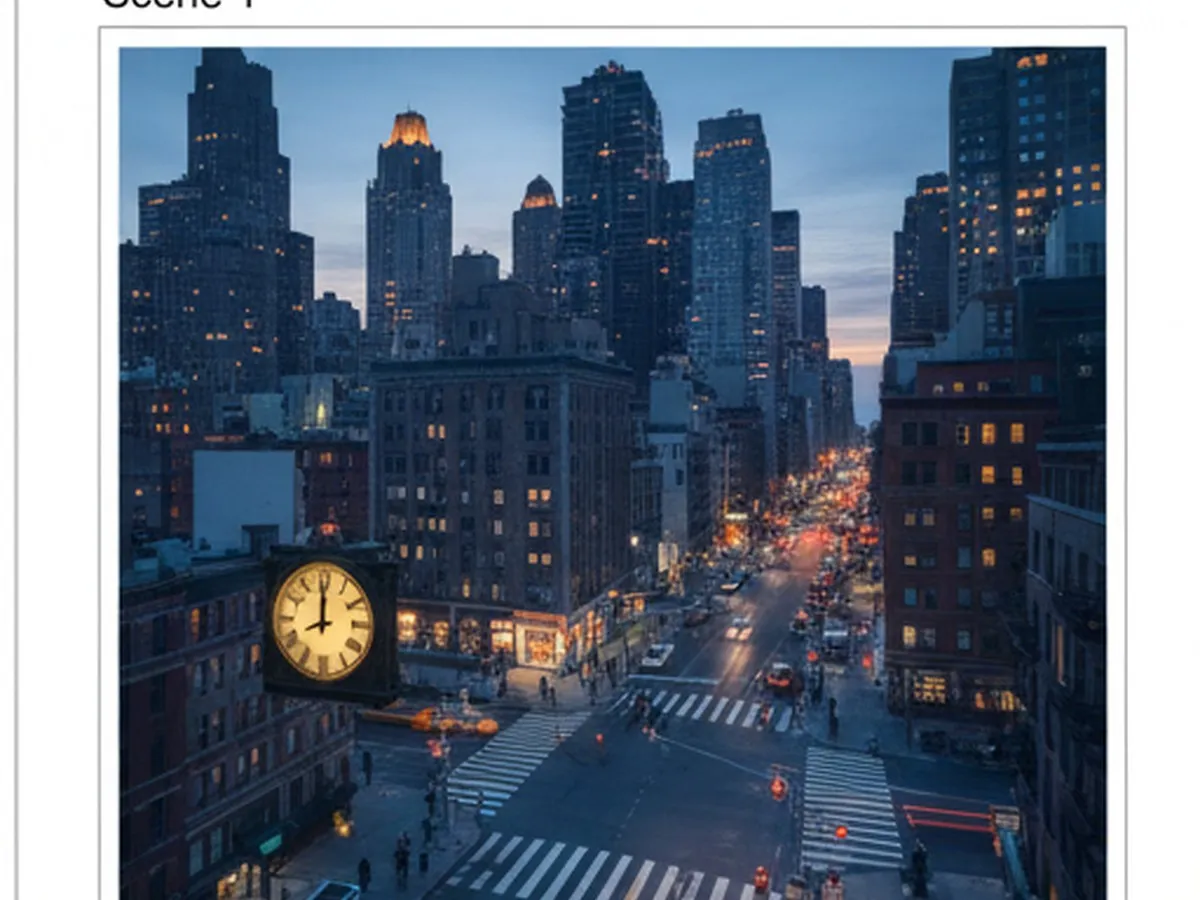
Daylight Saving Time sounds simple—change the clocks twice a year—but in New York City it quietly reshapes your day: how early the sun hits your bedroom windows, whether your morning run is in the dark, and how your subway ride or brunch reservation feels. In 2026, the United States is still observing Daylight Saving Time, and New Yorkers will again need to adjust twice; understanding exactly when the time change happens in 2026, what those one-hour jumps mean across the city, and how to plan your day with backups will help you stay on schedule while everyone else is fumbling with their phones and cranky commutes.
Save this guide now so you can quickly check the exact 2026 time change dates, transit tips, and backup ideas before you book red-eye flights, sunrise workouts, or late dinner reservations around those weekends—then share it with the friend who’s always an hour off after Daylight Saving Time.

When is the time change in 2026 for NYC?
In 2026, the United States is scheduled to begin Daylight Saving Time on Sunday, March 8, 2026, at 2:00 a.m. local time; clocks in New York City move forward one hour, so 2:00 a.m. becomes 3:00 a.m. according to the official federal rules in 49 U.S.C. Section 260 and associated regulations. This shift is coordinated nationwide for states that observe Daylight Saving Time, and New York participates under state law aligned with federal standards.
Daylight Saving Time is then set to end on Sunday, November 1, 2026, at 2:00 a.m. local time; clocks in NYC move back one hour, so 2:00 a.m. becomes 1:00 a.m. After this change, New York returns to Eastern Standard Time (UTC−5) for the winter months. These dates are determined years in advance by federal statute and appear in official U.S. timekeeping references like the National Institute of Standards and Technology (NIST) daylight saving tables.
If you still find older references to 2025 time changes, treat them as historical; they follow the same March/November pattern, but for real-time planning in NYC you should always look at current-year sources like NIST’s daylight saving information or your phone’s time-zone settings set to "America/New_York" to verify the next upcoming change. Recheck official references close to each date, since federal or state law could theoretically change the schedule in the future.
What “spring forward” means for your NYC morning
When New York springs forward on March 8, you effectively lose one hour of sleep that Sunday—2:00 a.m. jumps to 3:00 a.m.—but you gain more evening daylight for after-work plans. Sunrise and sunset data from the U.S. Naval Observatory show that after the change, sunrise appears later on the clock while sunset happens later in the day, shifting outdoor time toward the late afternoon and early evening. This can make morning routines feel darker and groggier for a week or two, especially for early commuters and people who work overnight or dawn shifts.
If you’re planning a time-sensitive Sunday in March—such as an early flight out of JFK or LaGuardia, a long run in Central Park, or a brunch reservation—assume most of the city will be mildly disoriented and build in a buffer of 30–60 minutes. Airlines use official time-zone databases tied to federal rules, so your boarding time is already adjusted, but you are not; success comes down to your alarm and how you handle the lost hour.
For a practical spring-forward morning itinerary, think in phases: a slow start at home with coffee between 8:00–9:00 a.m., a mid-morning subway ride avoiding the earliest crowds, and an outdoor activity once the sun is fully up. Check MTA’s real-time service tools—like the MYmta app or the Weekender—to see if overnight track work extended into the time-change window, since scheduled maintenance often overlaps with low-ridership early hours and can complicate that first post-DST commute.
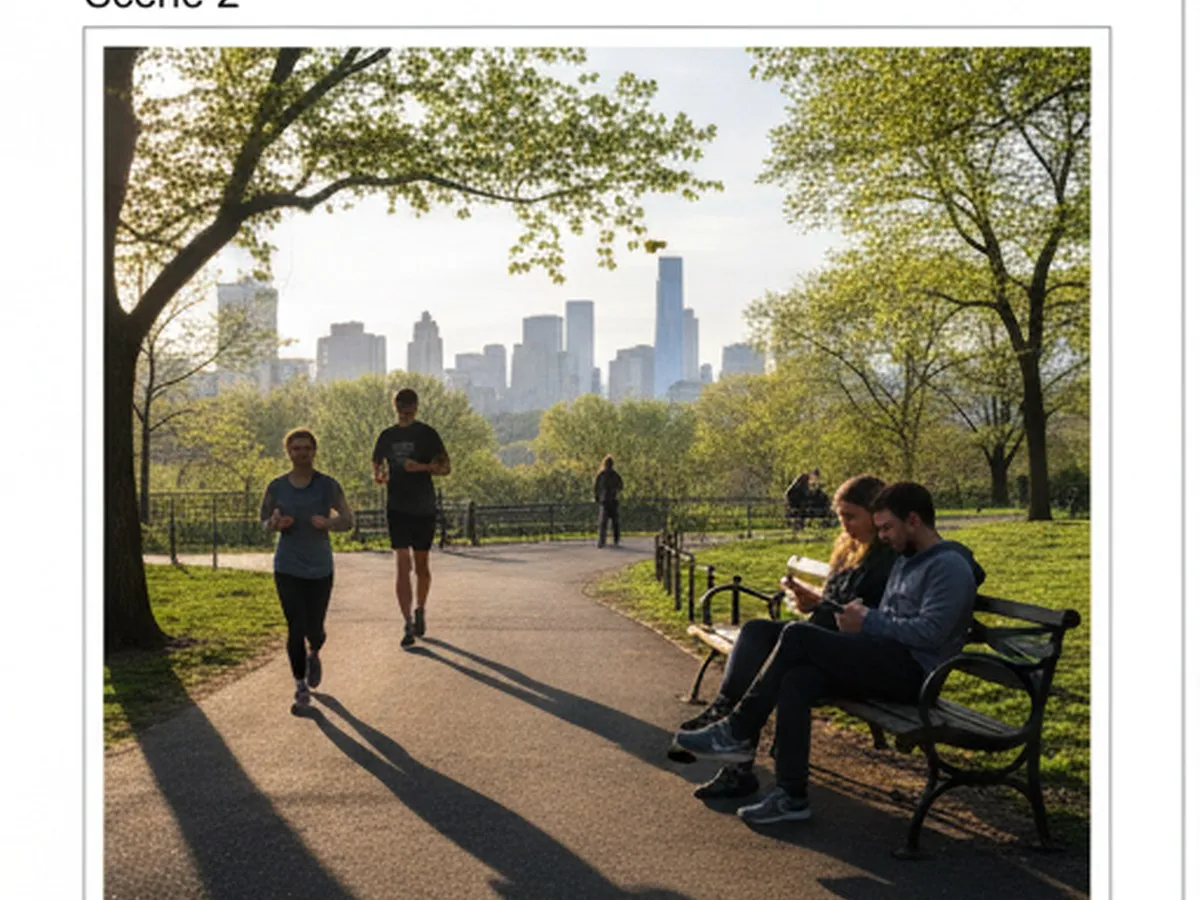
Planning your day when we "fall back" in November
The fall back on November 1, 2026, technically gives you an extra hour overnight—2:00 a.m. turns back to 1:00 a.m.—but it also brings earlier sunsets, which can make afternoon and after-work plans feel abruptly darker. NYC’s late-fall sunset typically moves to the late 4:00 p.m. range after the change, based on U.S. Naval Observatory data for New York’s latitude, so outdoor plans after work quickly become night activities.
That Sunday is a good day to schedule low-stress tasks: resetting analog clocks at home, doing a longer grocery run, and trying a mid-afternoon walk in Prospect Park or along the Hudson before the early dusk kicks in. If you work overnight or in hospitality, pay attention to how the time change affects your shift; federal Department of Labor guidance notes that some workers may see longer or shorter shifts at fall-back due to the repeated hour, and employers must account for actual hours worked where the clock repeats.
To design a realistic fall-back day, front-load your outdoor and transit-heavy plans between late morning and mid-afternoon—say 11:00 a.m. to 3:00 p.m.—and save indoor activities like museums, movies, or dinners for the early evening. Make a backup indoor plan near any outdoor meetup, especially in neighborhoods where people tend to stay out late; once it’s dark by late afternoon, groups may want to pivot to nearby bars, cafés, or galleries without crossing town. Keeping your schedule flexible around that first early sunset weekend will help you avoid the "it’s only 5:00 p.m. but feels like 9:00" slump.
Transit, flights, and late-night plans around the time change
Subways, commuter rails, and buses in NYC operate through both time changes using official schedules that already assume the one-hour shift, but your internal clock might not. The MTA runs overnight and early-morning service with occasional planned track work; check service advisories the week before the March and November changes, especially if you’re relying on 24-hour lines like the A, E, N, Q, or certain local services returning from late-night plans. Consider a backup: a rideshare budget, a Citi Bike docking plan, or a taxi option if your usual line is affected and you are already a bit off from the clock change.
If you have red-eye flights, early Sunday departures, or overnight shifts spanning 2:00 a.m., pay close attention to timestamps. Airlines publish schedules in local time using the official IANA time zones and federal rules, so your ticket reflects post-change time—but you might still think in pre-change terms if you booked months earlier. Double-check boarding times in your airline’s app the day before and confirm airport transit: the AirTrain (JFK) and other connectors can be affected by planned maintenance, so checking Port Authority or MTA updates reduces surprises during a foggy time-change morning.
For nightlife—clubs, bars, and late reservations—the time change can subtly affect crowd patterns. On spring forward weekends, some venues feel a little quieter at open and busier later as people adjust to the later sunset; on fall back, the extra hour can stretch closing-time energy. Since individual venue hours can change and may be affected by licensing and local regulations, always verify current schedules on the venue’s official site or social channels and consider booking slightly earlier than usual on the first night after each change if you want a smoother experience.
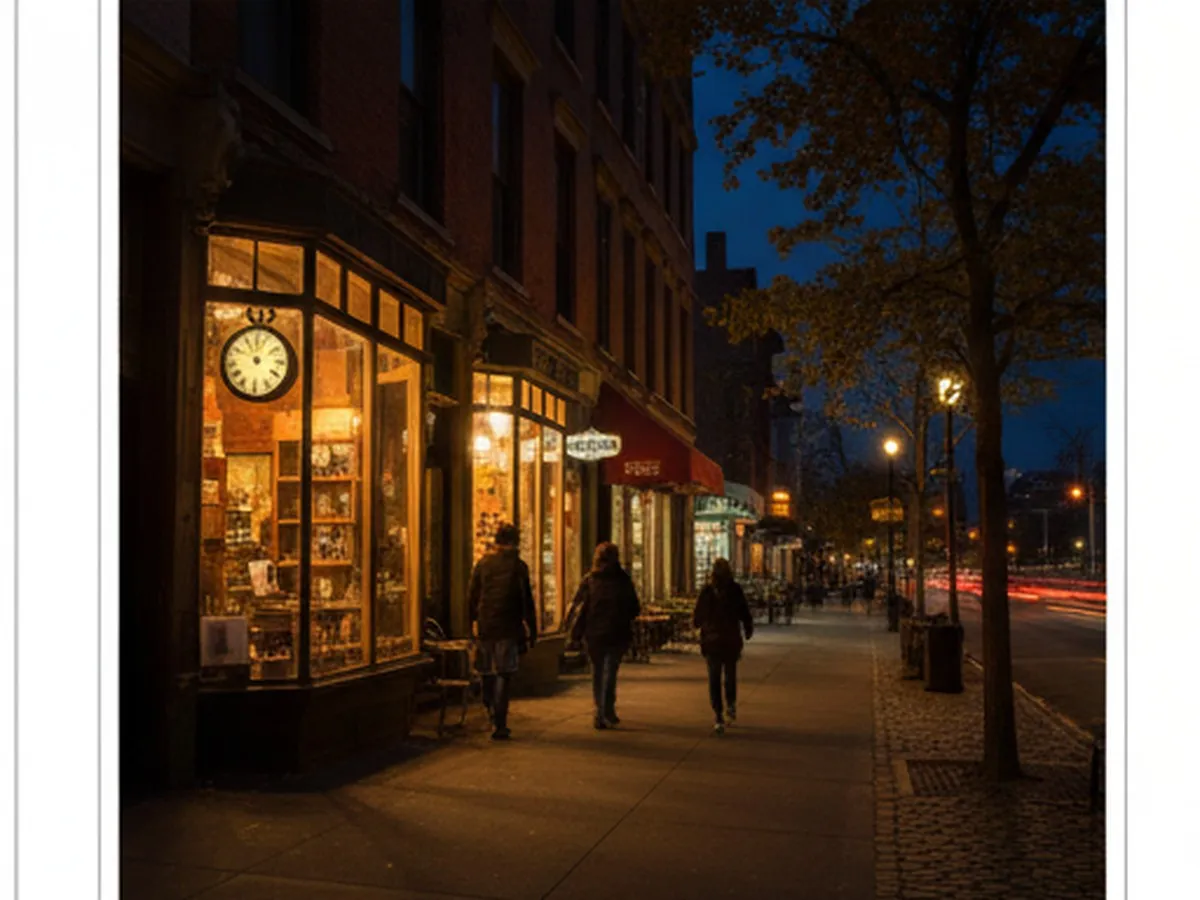
Sleep, health, and safety: small shifts that matter in NYC
Research cited by the American Academy of Sleep Medicine and other medical organizations notes that even a single hour’s change can temporarily affect sleep quality, mood, and alertness, particularly for people with existing sleep debt or rigid schedules. In a city where many residents already juggle late nights, long commutes, and shift work, that one hour can translate into more missed alarms, slower reaction times, and higher stress in the week following each change.
From a safety perspective, national studies summarized by organizations like the National Safety Council indicate that abrupt shifts in sleep and light patterns can correlate with changes in traffic crash risk, especially around the spring-forward period when mornings are darker on the clock. In practical NYC terms, that means extra caution crossing busy intersections at early rush hour, avoiding last-second bike commutes without lights, and giving yourself a bit more time for complex tasks—like driving rentals, navigating unfamiliar neighborhoods, or handling heavy equipment at work—during the first few days after the change.
A simple, realistic adjustment plan for New Yorkers is to shift bedtime and wake time by 10–15 minutes per day in the week leading up to each change, rather than trying to absorb the full hour at once; this approach is commonly recommended by sleep specialists as a gradual way to help your body clock adjust. Combine that with modest caffeine, no-new-habits mornings (avoid debuting a new workout or commute route on time-change day), and a backup alarm or two on your phone for critical commitments. The goal is to keep your week functional, not perfect.
A practical time-of-day itinerary with backups
For spring forward Sunday in March, think of your day in three windows. Morning (roughly 9:00 a.m.–noon): keep plans close to home or within your borough—coffee with a friend, groceries, a neighborhood gym session—while your body catches up. Midday (noon–3:00 p.m.): venture farther, like a walk over the Brooklyn Bridge or a museum visit, using real-time transit updates from the MTA and building in 10–15 extra minutes for trains. Late afternoon and evening (3:00–8:00 p.m.): lean into the bonus daylight with outdoor drinks, rooftop time, or park hangs, but have a backup indoor spot picked in case you or your group feel more drained than expected.
For fall back Sunday in November, reverse the energy curve. Late morning (10:00 a.m.–1:00 p.m.): schedule your main outdoor activity—maybe a long brunch then a stroll along the High Line or in Central Park—before the light starts to fade. Early afternoon (1:00–4:00 p.m.): run errands, visit a local gallery, or hit a matinee, keeping your route short and walkable. Early evening (4:00–8:00 p.m.): prioritize cozy indoor plans like a movie, small concert, or dinner; knowing that darkness will arrive early, pick venues that are close together and have flexible timing so it’s easy to pivot if energy drops or the crowd feels different.
Across both weekends, make a simple backup matrix: one alternate transit route for any key plan (for example, a bus option if your subway line is delayed), one nearby indoor alternative for each outdoor meetup, and one "low-spoons" version of your day (fewer moves, closer to home) in case the time change hits harder than expected. Use official tools like MYmta for live transit info, NYC.gov’s event listings for confirmed public programs, and venue websites for up-to-date hours and ticketing before you lock anything in, since policies and times can change season to season.
Verifying dates, settings, and policies before you plan
Because Daylight Saving Time rules are set by federal law and implemented at the state level, they typically remain stable year to year, but proposals to end or modify DST surface regularly in legislatures. Before you plan something high-stakes—such as a wedding, major work event, or international flight spanning the time change—recheck an authoritative source like the National Institute of Standards and Technology’s DST information and confirm that the scheduled 2026 dates are still in effect.
On the personal tech side, make sure your phone, laptop, and smart devices are set to automatic time and the correct time zone (Eastern Time / New York), which relies on standardized IANA time-zone data. This usually lets your devices adjust without manual input, but for critical alarms (like medical appointments, court dates, or early job shifts), consider redundant reminders—as simple as a second alarm on another device or a written note specifying "after time change" or "before time change."
For any plans that touch official systems—transit passes, reservations, timed tickets, employer schedules, or school calendars—always confirm directly on the organization’s website or app rather than relying on third-party summaries. NYC.gov, school system calendars, and operators like the MTA, museums, and major venues update their information periodically to reflect new policies or hours, and what was true in 2025 might not hold in fall 2026. Treat older articles and social posts as context only, then anchor your final plan in current official details.
Ask Karpo first
Karpo can help you treat the 2026 time changes as just another NYC quirk instead of a calendar crisis—ask for customized reminders, realistic day-of itineraries, and backup routes tailored to your neighborhood, work hours, and energy level so you glide through spring forward and fall back while the rest of the city hits snooze. Karpo is your proactive NYC lifestyle sidekick.
Tags: #hiddengemsoddfinds #daylightsavingtime #nyclifestyle #timechange2026 #springforward #fallback #nyctransit #urbanroutine #NYC #KarpoFinds #AskKarpo
Sources consulted: 49 U.S.C. Section 260 (Daylight Saving Time law) · New York State time standard statute · NIST – Daylight Saving Time information · Timeanddate.com – DST changes in New York 2026 · U.S. Naval Observatory – sunrise/sunset data · FAA – Time zone and DST practices in aviation · MTA – service homepage and real-time updates · Port Authority of NY & NJ – airport information and advisories
All trademarks are the property of their respective owners.
Ask Karpo first
Text or ping Karpo before the clocks change and let your NYC sidekick turn a confusing, groggy weekend into a smooth, well-lit one—whether that means a pre-dawn bagel plan, a post-brunch museum slot, or a backup subway route when everyone else is still half asleep from the time jump.


