When a name starts trending, the search results can feel faster than your judgment. That is especially true with sensitive phrases like shiloh hendrix, where reposts, partial screenshots, commentary, and outrage may outrun confirmed information. New Yorkers who want a steadier way to handle it can use the New York Public Library’s Stephen A. Schwarzman Building as a practical verification base: a public research setting, staff support, online databases, quiet study space, and nearby backup options. The goal is not to become a detective or amplify a private person. It is to slow the claim down, identify what can be confirmed, protect people from needless exposure, and decide whether the responsible move is to share, wait, or stop.
Want a calm second check before you repost a sensitive trend? Text Karpo with the claim, your source link, and whether you need a library-based workflow or a remote one.

Start at NYPL’s Stephen A. Schwarzman Building, Not in the Comment Thread
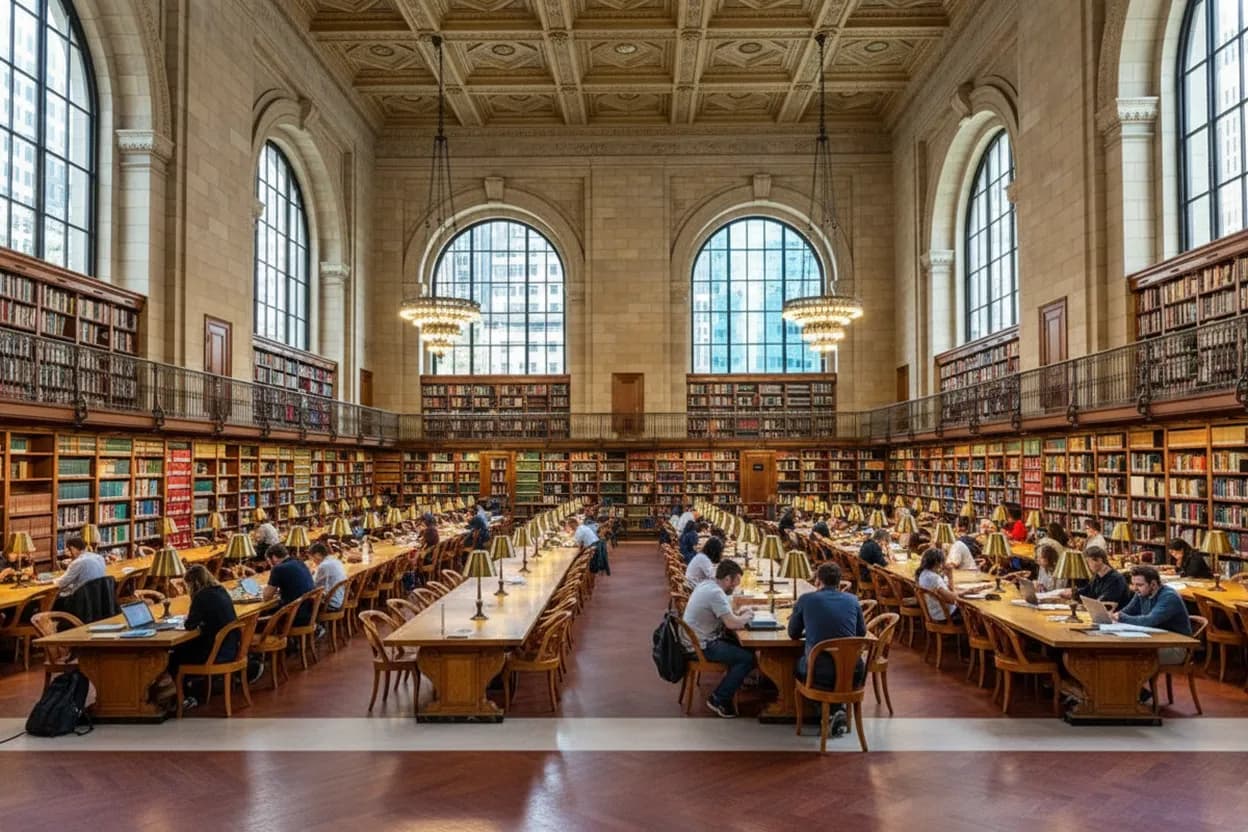
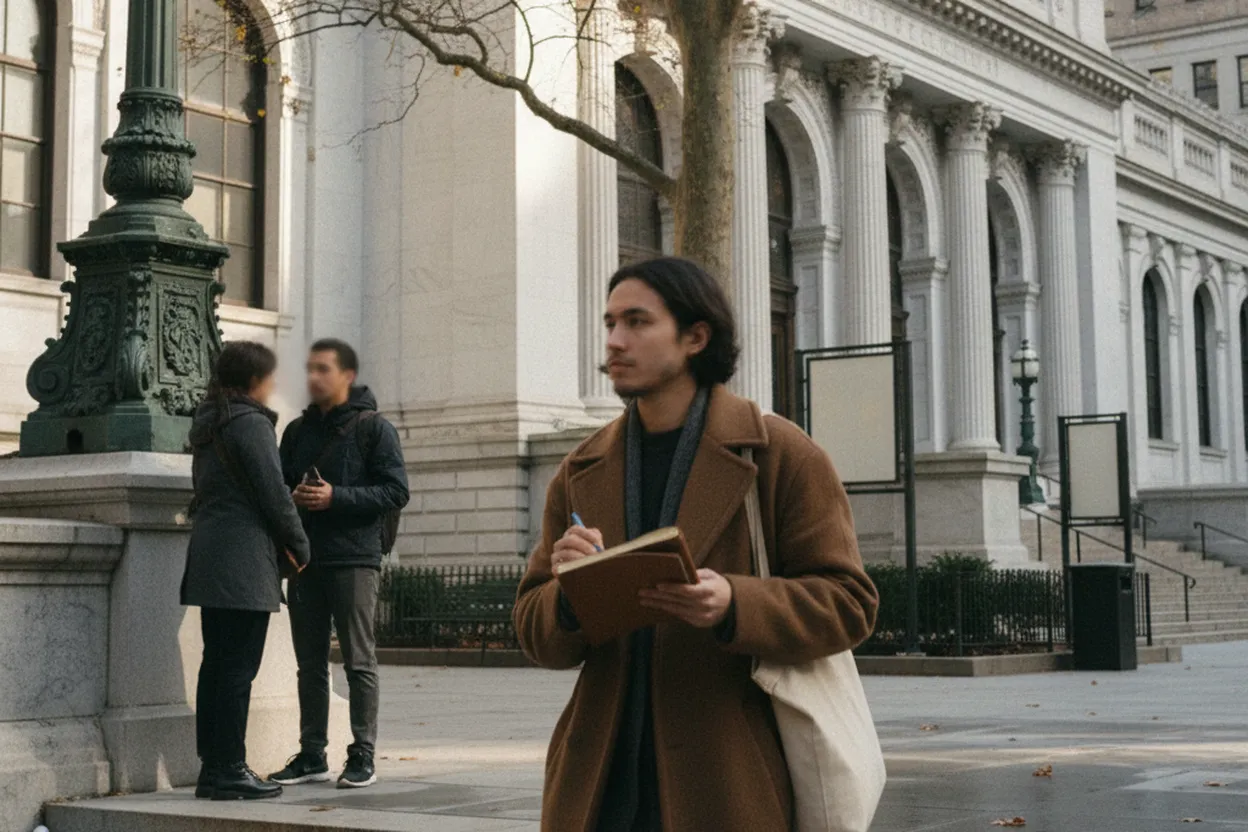
Use the Schwarzman Building at Fifth Avenue and 42nd Street as a reset point when the online feed gets too loud. NYPL identifies it as a flagship research center with humanities and social sciences collections, public study space, Wi-Fi, computers, and research services. For this task, the building matters less as a landmark than as a change of pace: you are moving from reactive scrolling to a controlled review of sources, dates, names, and context.
Check the live NYPL location page before leaving, because hours and access notes can change. The page viewed for this draft listed the building at New York, NY 10018, phone 917-275-6975, and regular hours that vary by day, with Sunday closures noted separately for July and August 2026. Do not build your plan around memory. Make the location page your first current source, then decide whether today works or whether remote research is enough.
Use Ask NYPL When the Search Has Too Many Loose Ends
NYPL’s support pages point patrons toward Ask NYPL, virtual reference help, email support, live chat, and research consultations. That is useful when a trending item contains unclear geography, an unfamiliar outlet, or a claim that depends on public records or archived reporting. Phrase the question narrowly: ask how to locate reliable coverage or official records, not whether a rumor is true. Librarians can help you find sources; they are not a shortcut for making accusations.
The tradeoff is pacing. Reference help is better for careful verification than instant reaction, and that delay is often the point. If you cannot confirm the original source, the publication date, or whether a quote is accurately attributed, treat that as a finding. Your decision guide should allow an answer of “unverified.” A failed search is not wasted time when the alternative is spreading a claim because it appeared in multiple copied posts.

Check NYPL Databases Before Trusting Viral Screenshots
NYPL’s online resources page describes hundreds of databases, Articles Plus, research guides, journals, digital collections, and catalog tools. For a sensitive trend, use those tools to separate reporting from repetition. Search the exact phrase, then search key names, locations, and organizations separately. Compare dates and publication types. A database result from a known newspaper, court archive, or official agency has a different weight than a cropped image circulating without a source trail.
This route fits solo readers who are curious but do not want to become part of the pile-on. It also works in bad weather, after work, or from home if you have eligible access. The failure mode is assuming a database has everything. It does not. If a claim is recent, local, sealed, deleted, or never reported by a reliable outlet, the absence of a result should push you toward caution, not invention.
Bring a New York Library Card Into the Workflow
NYPL says New York State residents who live, work, attend school, or pay property taxes in the state can apply for a free library card, with digital cards offering access to digital resources when eligibility is verified. For this article’s purpose, that card is not a souvenir; it is access infrastructure. It can help you move beyond search snippets into databases, e-books, archives, and publication indexes that are less dependent on algorithmic momentum.
If your card status is uncertain, verify it before you need it. NYPL’s card pages note differences between physical, digital, temporary, visitor, and international researcher access. That matters because a blocked database login can break your verification session. Backup logic: keep a list of open web sources you can inspect without a card, then use library access for deeper confirmation rather than making the whole workflow depend on one credential.
Pair the Library Session With Lateral Reading
A reputable fact-checking method for fast claims is lateral reading: leave the original page and see what other reliable sources say about the source, author, evidence, and claim. Media Helping Media’s 2026 guide frames this as opening other tabs instead of over-studying the page in front of you. At NYPL, that means using a workstation or laptop to check the poster, publisher, original document, image history, and whether reputable outlets independently corroborate the same facts.
Do not confuse volume with verification. Ten posts repeating the same unsupported claim still trace back to one weak source. Build a simple table in your notes: claim, original source, date first seen, evidence type, independent confirmation, unresolved questions. If the claim involves a private person, minors, medical details, addresses, school records, or workplace allegations, raise the confirmation threshold and strip out identifying details unless a reliable public-interest source has already established them.
Use Bryant Park as the Low-Stakes Backup, Not the Main Source
Bryant Park sits behind the Schwarzman Building between 40th and 42nd Streets and Fifth and Sixth Avenues, and its official hours page lists daily summer hours subject to change. Its Reading Room operates outdoors in season with books, newspapers, magazines, and programming, also subject to weather updates. This is useful backup space if the library is crowded, you need a break, or you want printed reading without extending the online search spiral.
The limitation is obvious: the park is not a controlled research environment, and outdoor programming can shift with weather or maintenance. Use it for decompression and broad media-literacy reading, not for making a final judgment on a sensitive claim. If you move outside, keep the workflow intact: write down what remains unconfirmed, avoid posting while distracted, and return to official pages or NYPL support if the next step requires a source you cannot access from a phone.
Make the NYPL Exit Test a Share, Wait, or Stop Decision
Before leaving the Schwarzman Building or closing your remote session, run one final test. Can you name the original source? Can you verify the date? Is there independent confirmation from a reputable outlet, official record, or primary document? Are you avoiding unnecessary personal details? Have you checked whether the image, quote, or caption might be old, edited, or removed from context? If any answer is weak, the responsible decision is usually wait or stop.
Accessibility and comfort belong in the same final check. NYPL lists accessible entrances at 40th Street and 42nd Street, wheelchair-accessible public service units, elevator access, and accommodation contact options; it also notes renovation work and a policy barring e-bikes, e-scooters, and electronic transportation devices inside, except mobility aids. Verify those details on the day you go. A good verification workflow should protect your time, your access needs, and the people named in the story.
Tags: #AskKarpo #BeforeYouGo #NYPL #NewYorkPublicLibrary #MediaLiteracy #FactChecking #OnlineVerification #NYCResearch #WeekendPlans #DigitalLiteracy #SourceCheck #BryantPark #MidtownNYC #NewsLiteracy
Sources consulted: Source 1: nypl.org · Source 2: nypl.org · Source 3: nypl.org · Source 4: nypl.org · Source 5: nypl.org · Source 6: mediahelpingmedia.org
All trademarks are the property of their respective owners.
Ask Karpo first
Tell Karpo your date, group size, budget, and starting neighborhood. We’ll check current access, timing, transit, and the cleanest plan for New York Public Library before you head out.