 Mediterranean Food Near Me in Fort Greene: Miss Ada's Garden and Hummus
Neighborhood Guides
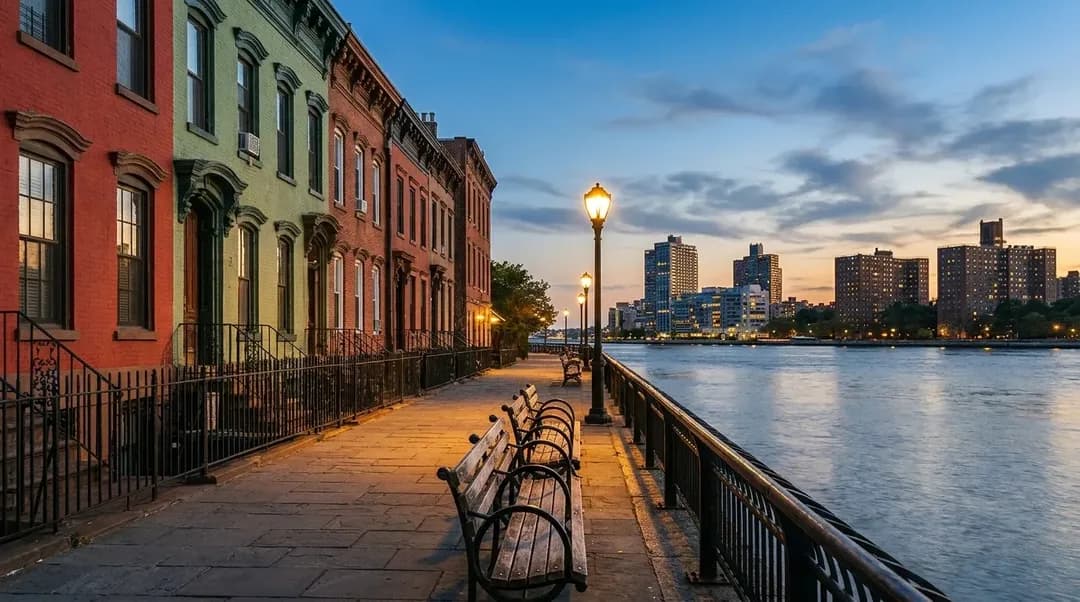
What to Know Before Using Sutton Place as an After-Work Reset Instead of a Weekend Destination
Manhattan's quietest enclave between 53rd and 59th Streets offers a different kind of value when you visit on weeknights, trading weekend crowds for empty riverwalks and the kind of calm most neighborhoods lose after 5 p.m.
Sutton Place occupies a narrow stretch between 53rd and 59th Streets along the East River, where Manhattan's density gives way to townhouses with private terraces, tree-lined cul-de-sacs, and unobstructed river views. The neighborhood has long attracted old-money discretion, with historical ties to families who valued silence and river access over commercial energy. That same quality makes Sutton Place function differently depending on when you visit. On weeknights, the area offers a genuine reset—empty pocket parks, uncontested benches along the East River promenade, and a rhythm that feels closer to a residential side street in Brooklyn Heights than Midtown Manhattan. Weekends, by contrast, bring stroller traffic, joggers claiming the waterfront path, and a subtle shift in atmosphere that dilutes the neighborhood's core appeal. Understanding that timing difference changes how you use the area.
Text Karpo to discover more neighborhood timing strategies that help you reclaim quiet spaces across the city when everyone else is looking somewhere else.
Why the Weeknight Window Matters Here
Sutton Place sits within Manhattan Community District 6 on the East Side, and planning materials note that parts of the area include cul-de-sacs and pocket parks that contribute to a lower-traffic, more tucked-away feel than many nearby Manhattan locations. That infrastructure—dead-end streets, limited through-traffic, residential density that skews toward older, quieter households—means the neighborhood doesn't generate its own evening energy the way the West Village or the Lower East Side does. After 6 p.m. on a Tuesday or Wednesday, you'll find the sidewalks nearly empty, the small parks unoccupied, and the East River promenade clear except for the occasional dog walker. The absence of bars, late-night dining clusters, or entertainment venues means there's no reason for crowds to form after work hours.
Weekends reverse that equation. Families from nearby buildings take over the waterfront path, runners claim the promenade for interval training, and the pocket parks fill with parents supervising toddlers. The neighborhood doesn't become loud or chaotic, but it loses the solitude that defines its weeknight character. If you're visiting specifically to decompress after a difficult day at the office, that difference matters. The same bench that offers total privacy at 7 p.m. on a Thursday will have three other people within ten feet on Saturday afternoon. Sutton Place's value proposition depends on emptiness, and emptiness requires intentional timing.
Transit Logistics and the Commute-Home Detour
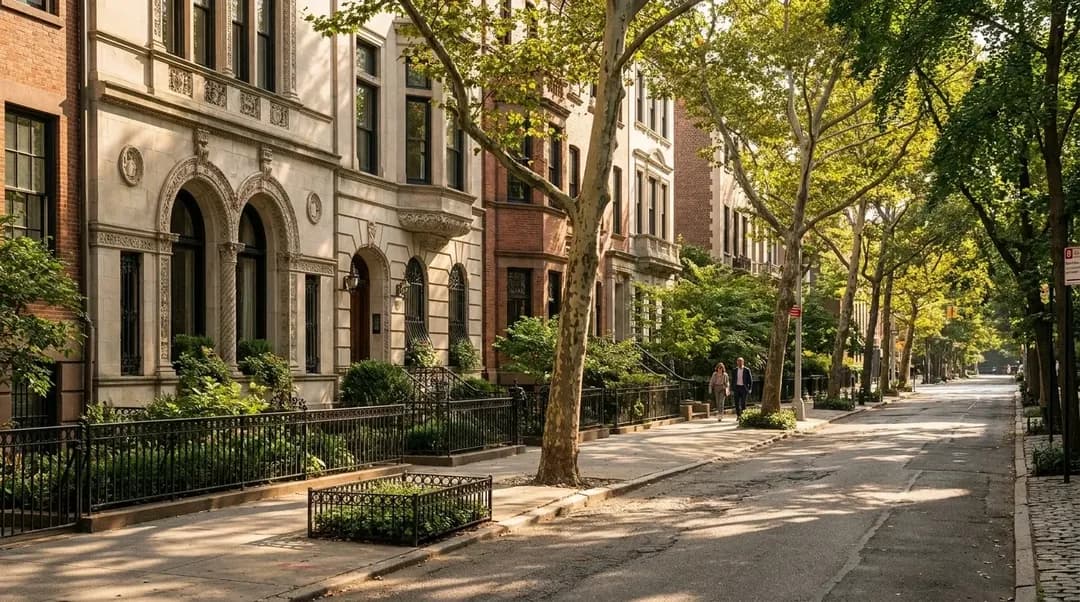
Sutton Place doesn't have its own subway station. The nearest access points are the 51st Street station on the 6 train and the Lexington Avenue/53rd Street station serving the E and M lines, both roughly a ten-minute walk west of the neighborhood's core. That distance discourages casual weekend visits—most people won't add twenty minutes of walking to a Saturday outing unless they have a specific reason. But if you're already commuting home from Midtown on a weeknight, the detour becomes minimal. Exit at 51st Street, walk east instead of continuing south or transferring, and you're at the river in under twelve minutes. The route takes you through quiet residential blocks with minimal commercial interruption, which extends the decompression process rather than delaying it.
Bus service offers another option. The M15 runs along First Avenue and stops near 57th Street, close to the northern edge of Sutton Place. The M31 and M57 crosstown routes provide east-west connections, though service frequency drops after 8 p.m. If you're coming from the west side of Manhattan, plan on a longer trip—crosstown buses move slowly during evening rush hour, and the subway requires a transfer. The transit setup favors people already working in Midtown or the east side, which aligns with the after-work reset concept. This isn't a destination you travel across the city to reach; it's a place you incorporate into an existing commute when you need twenty minutes of quiet before heading home.
What the Riverfront Actually Offers
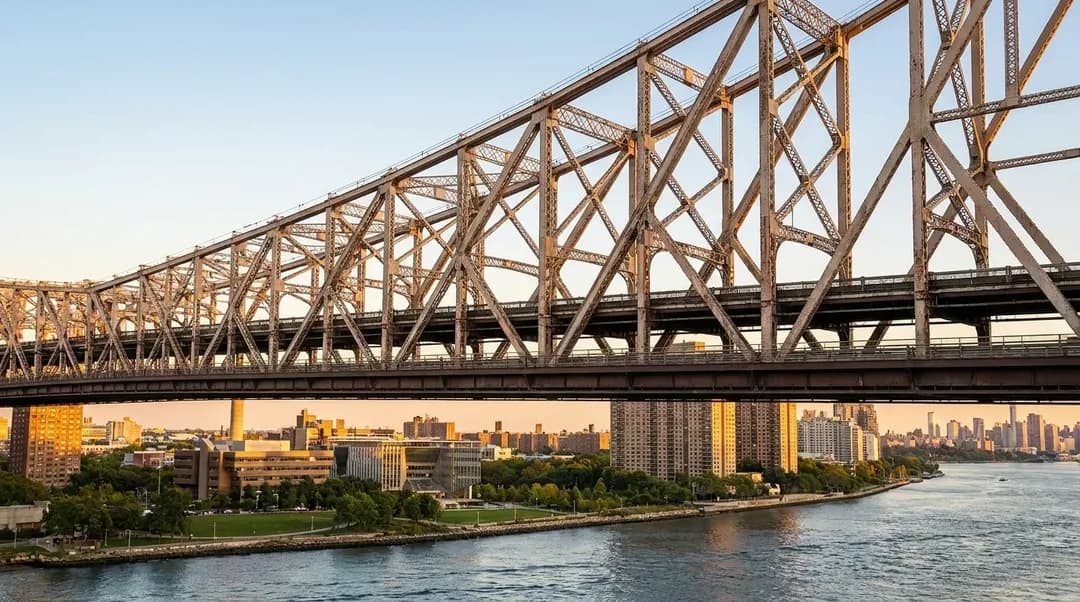
The East River promenade runs along the neighborhood's eastern edge, offering unobstructed water views and a paved path that extends north toward Roosevelt Island and south toward the United Nations. On weeknights, the promenade functions as a linear park with almost no competition for space. Benches face the water, and you can sit for thirty minutes without anyone else claiming the adjacent seat. The view includes the Queensboro Bridge to the north, Roosevelt Island directly across the water, and the Queens shoreline in the distance. Sunset timing varies by season—check current data before planning a visit—but the western light hits the water at an angle that makes early evening particularly useful for clearing your head.
Pocket parks within the neighborhood itself provide alternative seating options. These small green spaces, referenced in planning materials as part of Sutton Place's lower-traffic design, don't have official names or landmark status, but they offer tree cover and benches set back from the street. On a humid August evening, the shade matters more than the river view. The cul-de-sacs mentioned in planning documents create dead-end streets with minimal car traffic, which adds to the overall quiet but doesn't provide formal park infrastructure. If you're looking for a place to sit and read or take a phone call without background noise, the pocket parks work better than the promenade, which occasionally picks up jogger traffic even on weeknights.
When Weather and Timing Align
Sutton Place's utility as an after-work reset depends entirely on weather. The neighborhood doesn't offer indoor alternatives—no cafes with extended hours, no bookstores, no lobbies where you can sit without being a guest. If it's raining or below freezing, the visit doesn't work. Check the forecast before leaving your office, and have a backup plan if conditions shift. Spring and fall offer the most reliable windows, with temperatures that support outdoor sitting without requiring layers or dealing with humidity. Summer evenings work if you can tolerate heat, but the river doesn't generate enough breeze to offset a 90-degree day. Winter visits require a higher tolerance for cold and the willingness to keep moving rather than sitting.
Daylight also constrains your options. In December, sunset arrives before 5 p.m., which means the promenade loses visibility quickly. The area doesn't have extensive lighting infrastructure, and walking along the river after dark feels less safe simply because you can't see the path clearly. In June, daylight extends past 8 p.m., giving you a much wider window for a post-work visit. If you're planning to incorporate Sutton Place into your routine rather than visiting once, track seasonal daylight shifts and adjust your departure time from the office accordingly. The neighborhood's value comes from its outdoor spaces, and those spaces require both decent weather and enough light to feel comfortable.
Practical Notes
- Exit at 51st Street on the 6 train or Lexington/53rd on the E/M, then walk east for ten to twelve minutes to reach the river.
- Visit between 6 p.m. and 8 p.m. on weeknights for the emptiest promenade; weekends bring family traffic and joggers.
- Check sunset times and weather before leaving work—the neighborhood has no indoor backup options if conditions turn.
- The M15 bus on First Avenue provides an alternative to the subway, with a stop near 57th Street on the northern edge of Sutton Place.
- Pocket parks within the neighborhood offer shaded seating away from the water; look for small green spaces on residential side streets.
- Plan for a twenty-minute visit rather than an extended stay—the area's appeal is its brevity and quiet, not a full evening's activity.
- Avoid the detour if you're commuting from the west side of Manhattan; transit time outweighs the benefit unless you're already nearby.
Sutton Place rewards a specific kind of visit: brief, timed to weeknight emptiness, and built around the assumption that you value quiet over stimulation. The neighborhood doesn't offer the food options, bar scene, or cultural programming that justify a dedicated weekend trip, and trying to force it into that role misses the point. Instead, treat it as a twenty-minute detour on your commute home when you need to reset before walking through your apartment door. Check the weather, confirm daylight hours, and exit the subway one stop early. The promenade will be empty, the benches will be available, and the city will feel temporarily smaller.
Tags: #suttonplace #eastsidemanhattan #midtowneast #nycneighborhoods #afterworknyc #eastriver #quietnyc #nyccommute #weeknightnyc #manhattanwaterfront #nyclocals #neighborhoodguide
All trademarks are the property of their respective owners.
Ask Karpo for more information.
Keep reading
- Mediterranean Food Near Me in Fort Greene: Miss Ada's Garden and Hummus
 Places To Eat Near Me in Chelsea: The Market Fills a Nabisco Factory
 Seafood Near Me in the East Village: The Mermaid Inn's Dollar Oysters