Most visitors treat the city's landmark libraries as daytime checkboxes, snapping photos of the lions before moving on. Locals know better: a library visit works best as the opening act of a longer solo evening, not the main event. The challenge is that even the most iconic reading rooms close by 6 or 8 p.m., leaving you with momentum but no clear next move. The solution isn't complicated—it's about choosing a library in a neighborhood that rewards solo exploration after dark, then building a route that flows naturally from quiet concentration to dinner, drinks, or late-night walking without forcing yourself into tourist traps or awkward solo-dining situations. This guide walks through the decision points that turn a library stop into a confident, full evening out.
Text Karpo at (332) 214-7770 for tonight's best solo-friendly spots near any library, updated by neighborhood and closing time.

Pick Your Library by Neighborhood, Not Just Architecture
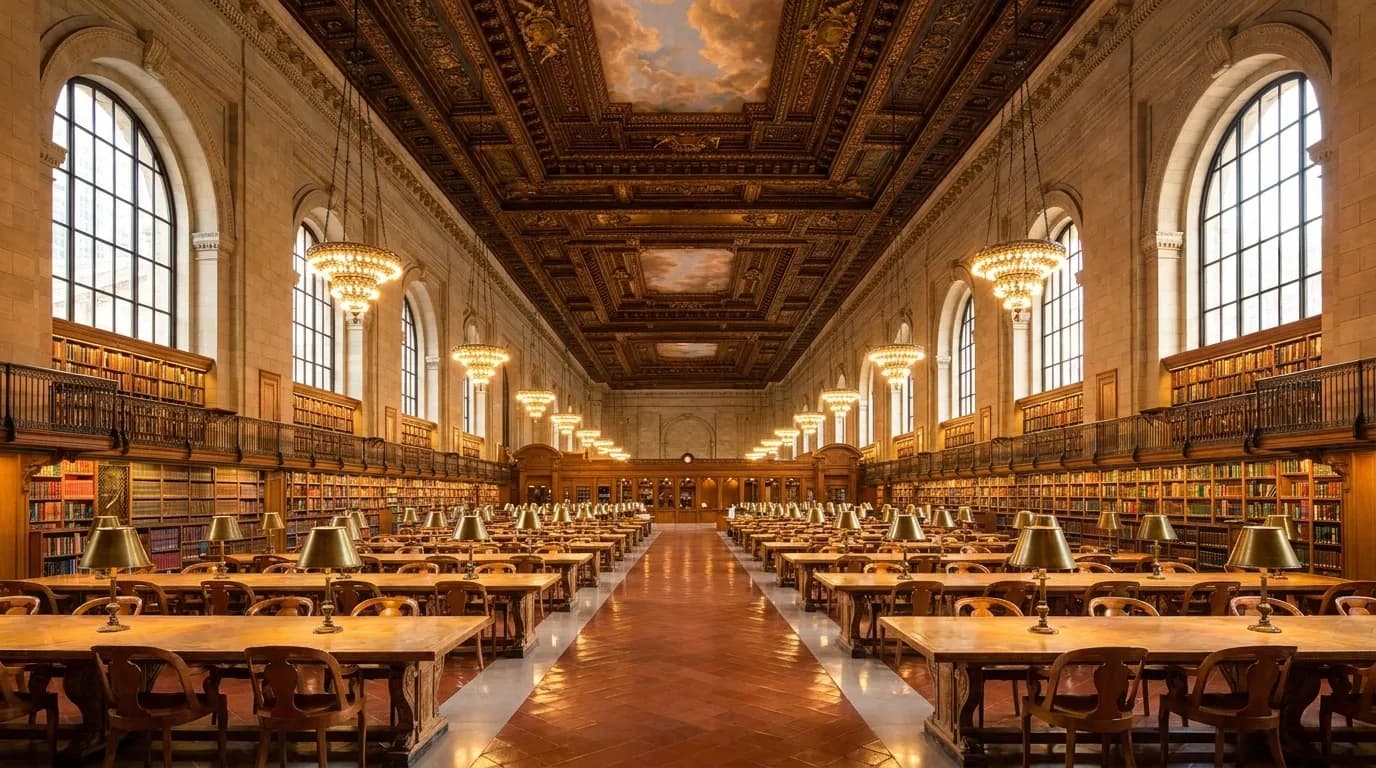
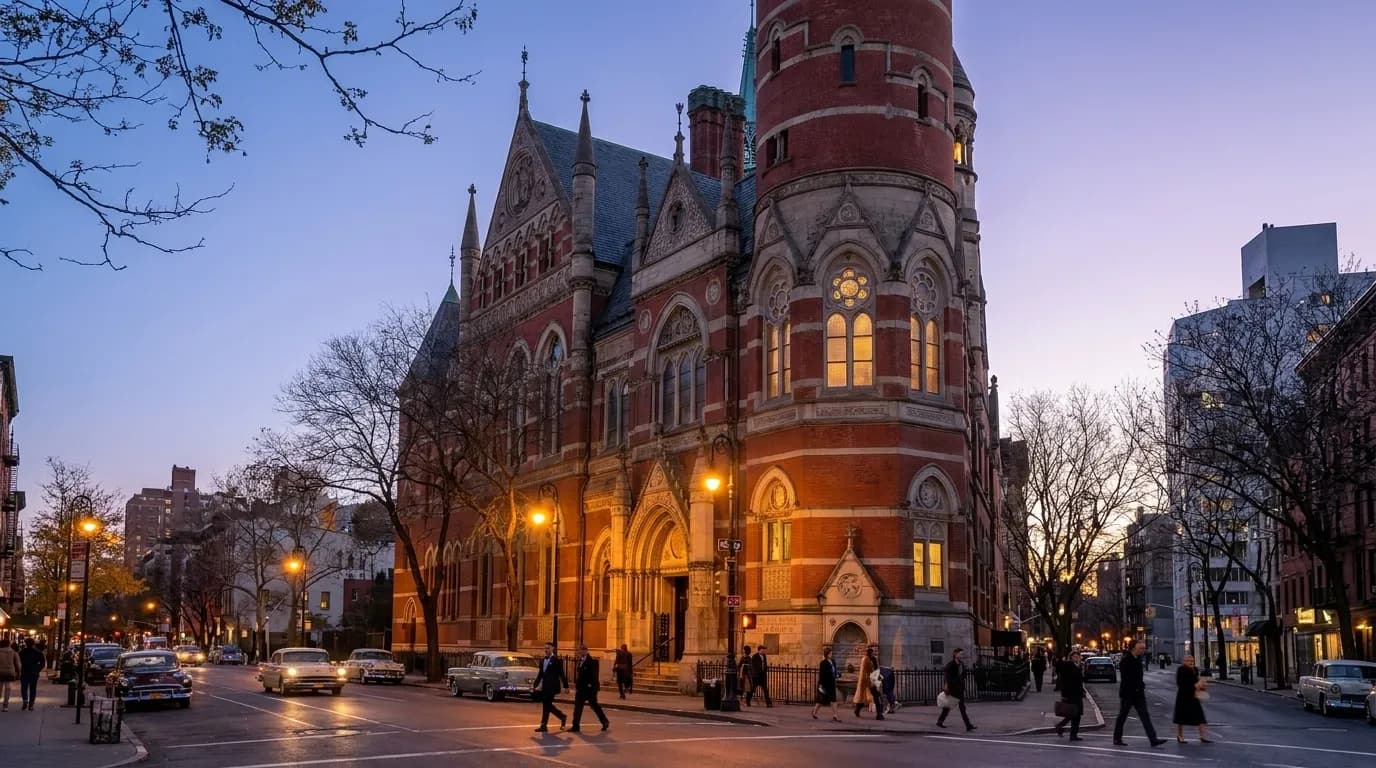
The grandest libraries sit in areas that empty out after office hours or cater heavily to tourists, which makes them poor anchors for a solo night. The main branch at Fifth Avenue and 42nd Street is stunning, but Bryant Park and the surrounding blocks skew toward commuters and guided groups once the sun sets. If you're planning to stay out past 9 p.m., consider starting at a branch library in a residential or nightlife-dense neighborhood instead. The Jefferson Market Library in the West Village, for example, closes at 7 p.m. on weekdays, but you're already in a district packed with intimate wine bars, late-night bookstores, and well-lit walking routes that feel safe and social without requiring you to join a crowd. The same logic applies to the Stavros Niarchos Foundation Library (SNFL) on Fifth Avenue and 40th Street—it keeps later hours than many branches, but the surrounding blocks offer limited solo-friendly options after 8 p.m.
Another strong anchor is the Brooklyn Public Library's Central Library at Grand Army Plaza. It closes at 8 p.m. most weeknights, but you're steps from Prospect Park's western edge and Park Slope's Seventh Avenue restaurant corridor, where solo diners are common and tables turn over slowly enough that you won't feel rushed. The key is to treat the library as the starting point of a geographic loop, not a standalone destination. Before you leave home, check the branch's closing time and map out two or three nearby spots—a café, a bar with counter seating, a bookstore—that stay open at least two hours later. That buffer gives you flexibility without forcing last-minute searches on your phone in unfamiliar blocks.
Time Your Arrival to Avoid the Afternoon Lull
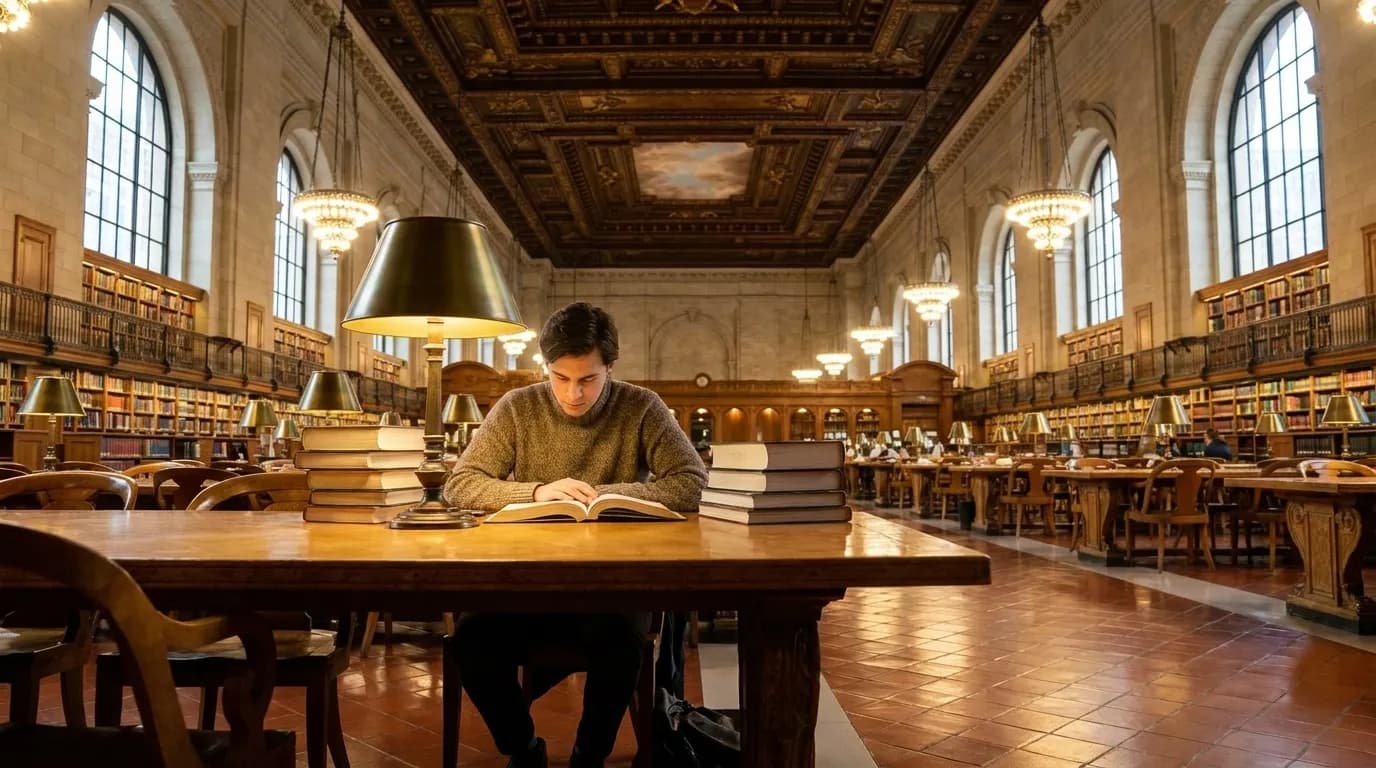
Libraries are quietest between 2 and 4 p.m. on weekdays, when school groups have left and evening crowds haven't yet arrived. If you're planning a solo visit that will stretch into nighttime, aim to arrive during that window. You'll have easier access to reading room seats, less competition for power outlets, and a calmer environment for settling in with a book or laptop. The risk of arriving too early—say, at opening time—is that you'll burn through your library time before the neighborhood around you has fully transitioned into evening mode. Restaurants won't be seating for dinner, bars will be empty, and you'll find yourself killing an awkward hour before anything feels welcoming.
The flip side is arriving too late. If you show up at 5:30 p.m. and the library closes at 6, you've barely had time to browse before you're back on the street. A better rhythm is to arrive around 3 p.m., spend two to three hours reading or working, then leave just as the library is closing and the dinner hour is beginning. This timing also helps with solo dining: you can grab a table at 6 or 6:30 p.m., before the prime-time rush, and avoid the awkwardness of walking into a packed restaurant alone at 8 p.m. If you're starting at a library with extended hours—like SNFL, which stays open until 10 p.m. on Tuesdays and Thursdays—you can reverse the sequence: have an early dinner first, then retreat to the library for a quieter late-evening stretch before heading to a bar or late-night café.
Plan Your Post-Library Route Before You Sit Down
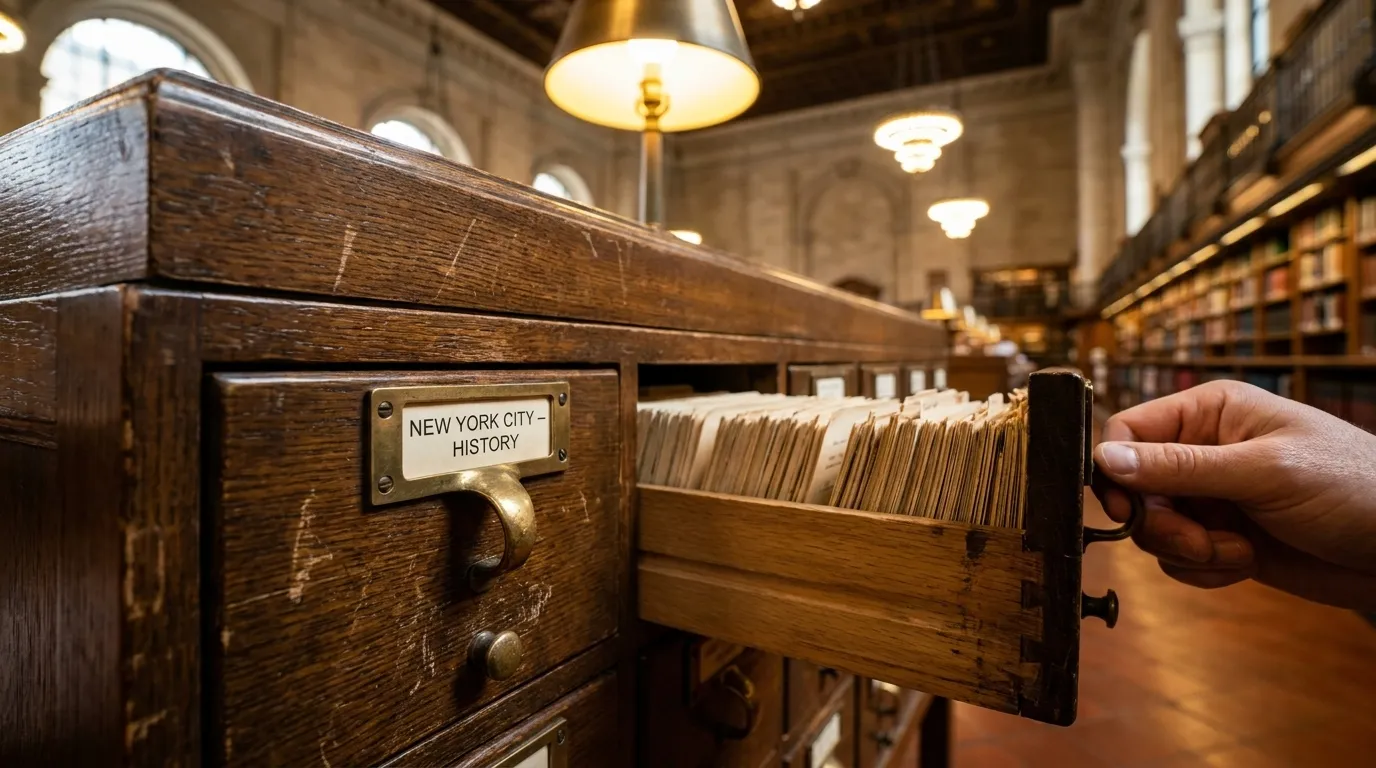
The mistake most solo visitors make is treating the library visit as spontaneous and assuming they'll figure out the rest once they're done. That approach works fine during daylight hours, but after 7 p.m. in an unfamiliar neighborhood, it leads to aimless phone scrolling and settling for the first mediocre option you see. Instead, before you even enter the library, spend ten minutes mapping a loose route. Identify one or two dinner spots within a five-block radius that have counter seating or communal tables—solo diners fare better at these than at traditional two-tops. Note their closing times and whether they take reservations. Then pick a backup bar or café that stays open past 10 p.m. in case you want to extend the night.
This prep doesn't lock you into a rigid schedule; it just gives you a mental framework so you're not making decisions from scratch when you're tired or hungry. For example, if you're starting at Jefferson Market Library, you might note that Buvette on Grove Street has a small bar where solo diners can order wine and small plates until 11 p.m., and that Three Lives & Company bookstore around the corner stays open until 8 p.m. if you want to browse before committing to dinner. If you're near the Central Library in Brooklyn, you could plan to walk down Seventh Avenue and choose between al di là (which has a bar area) and Talde (which seats solo diners without fuss), then end the night at Hungry Ghost coffee shop if you want a quieter wind-down. The goal is to have two or three named options in your head, not a minute-by-minute itinerary.
Navigate the Subway Transition Without Overthinking It
If your library visit requires a subway ride and you're planning to stay out late, the return trip is worth a quick mental check before you leave home. According to general solo travel guidance, the subway remains safe and well-used until midnight on most lines, but frequency drops and platforms empty out after that point. If you're planning to stay out past 1 a.m., consider whether your return route involves a transfer at a low-traffic station or a long wait on an outer-borough platform. In those cases, budgeting for a rideshare home is a reasonable trade-off for peace of mind, especially if you're unfamiliar with the neighborhood.
The other consideration is timing your library exit to align with evening subway traffic. Leaving the library between 6 and 8 p.m. means you're moving with commuters and dinner crowds, which makes the subway feel more active and navigable. If you're planning a later night, think through whether your final stop—whether it's a bar, a café, or a bookstore—is within walking distance of a well-lit, frequently serviced station. The 1, 2, 3, and A, C, E lines tend to run reliably late into the night, while some outer branches of the G or J trains see longer gaps after 11 p.m. None of this should scare you off a solo evening, but it's worth thirty seconds of route-checking so you're not improvising transit decisions at midnight.
Practical Notes
- Check library closing times the day of your visit—many branches adjust hours seasonally or for staff events.
- Bring a reusable water bottle; most libraries have fountains, but nearby cafés charge $3–$5 for bottled water.
- If you're working on a laptop, confirm the branch has accessible outlets—older buildings often have limited charging stations.
- Solo dining works best at bars or counter seating; avoid prime-time (7:30–9 p.m.) at restaurants with only table service.
- Keep your phone charged and have a backup transit route saved offline in case of service changes.
- Libraries near parks (like Central Library in Brooklyn) offer a quiet walking buffer between indoor and nightlife zones.
- If a library visit is your anchor, build in at least one no-reservation backup option for dinner in case your first choice is full.
A library visit doesn't have to end when the lights go off. The best solo evenings in the city start with a few hours of quiet focus, then unfold naturally into dinner, a drink, or a long walk through a neighborhood you wouldn't have explored otherwise. The key is choosing your starting point by what's around it, not just what's inside it, and giving yourself a loose route that adapts to your energy level without forcing you into tourist zones or awkward solo moments. With a little front-end planning, a library stop becomes the anchor of a night that feels intentional, not improvised.
Tags: #solotravelnyc #nyclibraries #solonightout #nyclocals #libraryhours #solodining #nyctransit #westvillage #parkslope #nycafter dark #solotravel #newyorkcity #nycnightlife #libraryvisit
Sources consulted: Solo + Walkable NYC: Library, Grand Central, High Line & Village (1 Day) · A Complete Guide to Solo Travel in New York City · What to do alone in NYC: ultimate solo tips from a local · A Guide to Solo Travel NYC (Tips from a Local Tour Guide) · 64 Things to Do Alone in NYC: The Ultimate Solo Travel Guide · NYC for solo travelers: the complete guide - NYC Insider
All trademarks are the property of their respective owners.