Chelsea's gallery district packs more than a hundred contemporary art spaces into roughly ten walkable blocks between West 18th and West 28th Streets. That density creates a specific problem for solo visitors: the absence of a companion means no natural conversation breaks, no built-in reason to skip a floor, and no external voice suggesting it might be time to leave. Gallery fatigue—the point where your eyes glaze over and every white wall looks identical—can hit within ninety minutes if you approach the neighborhood like a completionist checklist. The solution isn't to see less art; it's to build a route that acknowledges how attention actually works when you're moving through free, self-directed spaces alone.
Text Karpo at (415) 275-1983 for personalized Chelsea gallery routes that match your actual attention span and art preferences.

Start with a maximum of five galleries, not a district sweep
The Chelsea Gallery Map distributed at most venues lists dozens of options, which creates an immediate planning trap. Visitors often plot ambitious loops covering fifteen or twenty spaces, then abandon the plan halfway through when fatigue sets in. A more realistic solo afternoon targets four to six galleries maximum, selected before you arrive. The district is especially lively on weekdays according to visitor patterns, which means you'll encounter fewer weekend crowds but also less ambient energy to carry you between stops. Choose your anchors based on exhibition themes rather than gallery prestige—a focused show on a subject you care about will hold your attention far longer than a blue-chip name showing work that leaves you cold.
The walkable stretch between avenues makes geographic clustering essential. Galleries concentrate most heavily on 10th and 11th Avenues, with secondary clusters on 9th. A practical solo route might cover three galleries on one avenue, then cross to two more on the adjacent block, creating a compact loop rather than a scattered treasure hunt. This approach respects a fundamental truth about gallery hopping: the walking between venues provides necessary mental reset time, but only if the distances stay short enough that your feet don't become the primary source of discomfort. When you're alone, there's no one to distract you from sore legs, so route efficiency directly impacts how long your focus lasts.
Build in non-art intervals before you need them
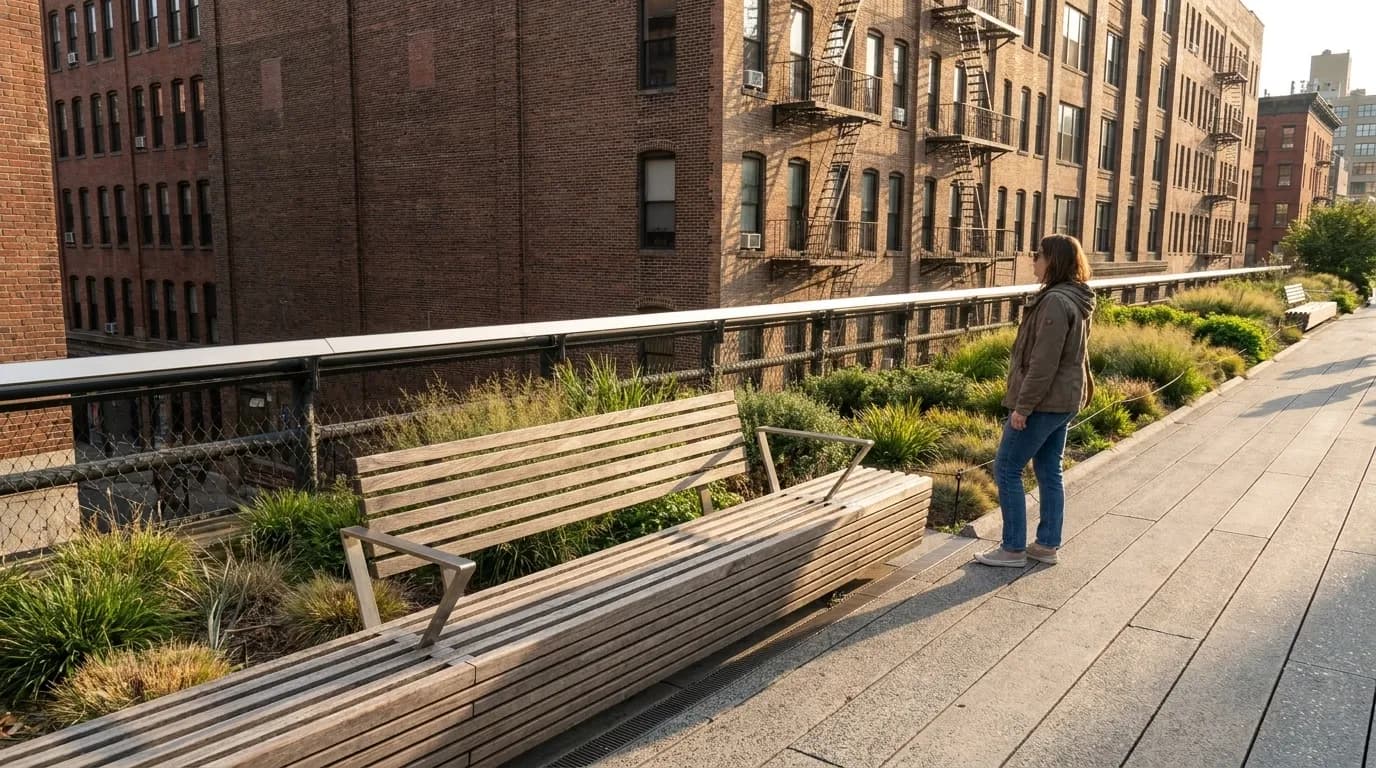
Gallery fatigue doesn't announce itself gradually—it arrives as a sudden collapse in curiosity, usually in the middle of what should be an interesting room. The best defense is preemptive: schedule a non-gallery stop after your second or third venue, before your attention visibly flags. Chelsea Market sits at the southern edge of the district and offers an obvious reset option, though its tourist density can feel jarring after the quiet of gallery spaces. The High Line provides a better buffer if weather permits, giving you a linear walking break with enough visual variety to rest your art-processing circuits without requiring new decisions.
Coffee shops scattered through the neighborhood serve the same function, but choose carefully. You want a spot where sitting alone doesn't feel conspicuous and where you can decompress without pressure to order multiple items or vacate quickly. The key is treating these intervals as structural necessities rather than optional bonuses. When you're visiting solo, you lose the natural conversation breaks that couples and groups experience while discussing what they just saw. That missing processing time accumulates as cognitive load. A fifteen-minute pause at the halfway point—even just sitting on a High Line bench—lets your brain file away what you've absorbed and creates space for genuine engagement with the galleries still ahead.
Recognize when to skip floors and leave exhibitions early
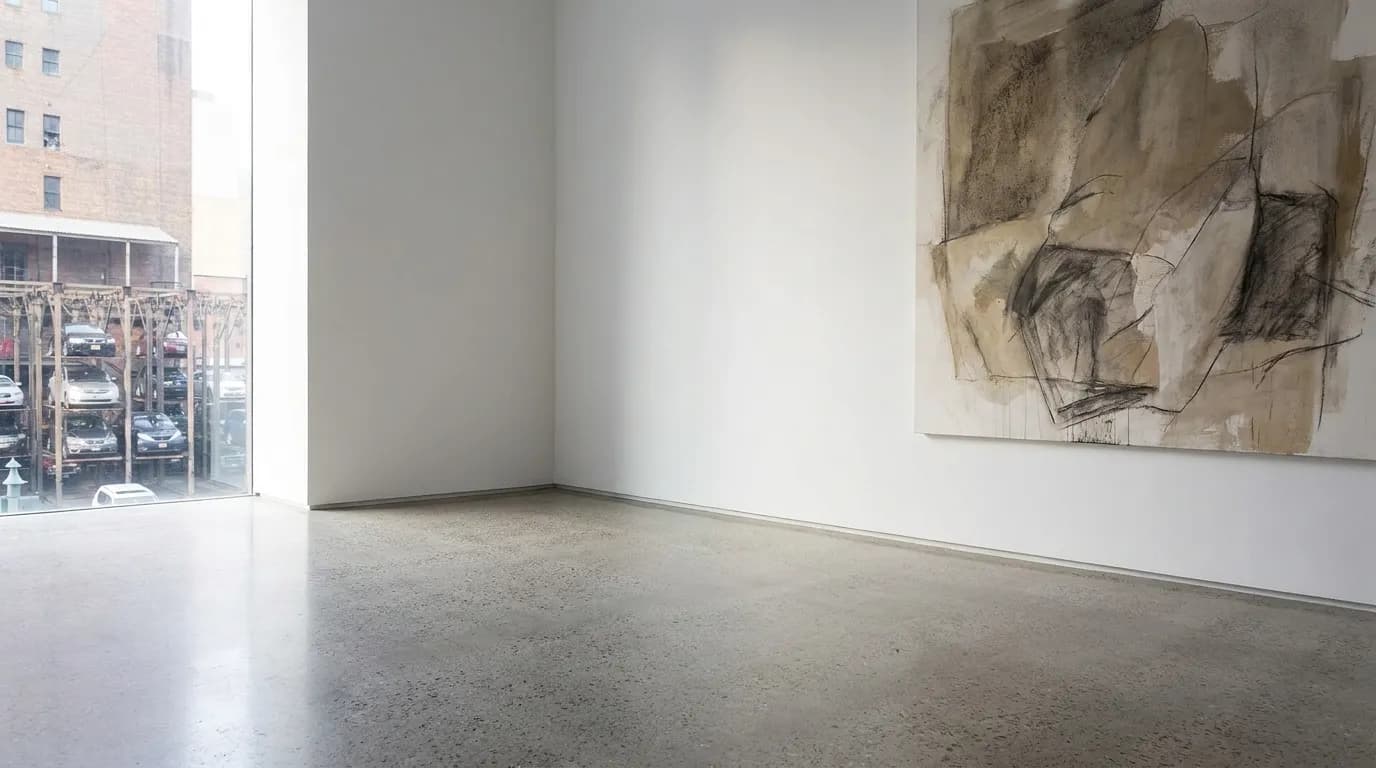
Most Chelsea galleries occupy multi-floor spaces, and the unspoken etiquette suggests you should view everything on display. Solo visitors feel this pressure more acutely because there's no companion to provide social cover for a quick exit. The reality: gallery staff expect visitors to move at their own pace, and no one tracks whether you've seen every room. If the ground floor doesn't engage you, it's completely acceptable to leave rather than dutifully climbing to the second and third floors out of politeness. This isn't about rushing—it's about preserving your genuine attention for work that actually interests you.
The same logic applies within individual exhibitions. Contemporary art installations often sprawl across multiple rooms, and some pieces demand sustained focus while others function better as brief encounters. When you're alone, you have complete freedom to spend twenty minutes with one sculpture and thirty seconds with the next, or to walk into a video installation, realize it's a forty-minute loop, and immediately leave. This flexibility is solo viewing's primary advantage, but only if you give yourself permission to use it. The goal isn't to see everything—it's to have authentic encounters with the pieces that genuinely hold your interest. Gallery fatigue sets in fastest when you're forcing yourself through work that doesn't land, so treat your attention as a finite resource and spend it accordingly.
Time your visit around your own energy patterns, not gallery opening schedules
Chelsea galleries typically open late morning and close early evening, creating a wide window that seems accommodating until you consider your personal energy curve. If you're sharpest in the morning, arriving right at opening time—usually around 10 or 11 AM—means you'll hit your first few galleries in peak mental condition, even though you might encounter staff still preparing for the day. Conversely, if you're an afternoon person, starting around 2 or 3 PM positions your highest-energy hours in the middle of your route rather than burning them on transit and orientation.
Weather considerations matter more for solo visitors because you can't split up to grab an umbrella or wait out a storm in shifts. The neighborhood's gallery density means you can pivot entirely indoors if conditions deteriorate, but summer heat and winter cold both accelerate physical fatigue. A practical check: if the forecast shows temperature extremes or precipitation, plan your route to minimize outdoor transitions and consider starting with galleries closest to your subway exit. The district's walkable character becomes less of an asset when you're alone and uncomfortable, so matching your visit to favorable conditions—or at least acknowledging unfavorable ones in your planning—directly impacts how long your focus holds.
Practical Notes
- Download or screenshot a Chelsea gallery map before you go; cell service in some gallery buildings can be spotty and you don't want to navigate by guesswork.
- Most galleries are free to enter and don't require advance booking, but verify hours for your specific targets since some spaces close between exhibitions.
- Bring water—there are fewer convenient refill spots than you'd expect in a ten-block radius, and dehydration compounds fatigue faster when you're alone.
- The C and E trains to 23rd Street provide the most central access point; the 1 train to 18th or 23rd works if you're approaching from the west side.
- Gallery staff are accustomed to solo browsers and won't pressure you to engage unless you initiate conversation, so don't let social anxiety keep you from entering spaces.
- If a gallery feels uncomfortably quiet or intimidating, it's fine to do a quick lap and leave—you're not obligated to perform deep engagement in every space you enter.
- Consider ending your afternoon at a specific destination rather than just trailing off when you're tired; having a planned final stop creates a satisfying conclusion rather than an exhausted fade.
A sustainable solo art afternoon in Chelsea isn't about seeing the most galleries or staying the longest—it's about structuring your route so your attention remains genuine rather than dutiful. The neighborhood's density makes it easy to overschedulule, and the lack of a companion removes the natural pacing mechanisms that groups experience automatically. By capping your gallery count, building in deliberate breaks, and giving yourself permission to leave spaces that aren't working, you create conditions for actual engagement rather than exhausted completion. The art will still be there next time, and a focused visit to five galleries beats a glazed-eye slog through fifteen.
Tags: #chelsea galleries #solo art afternoon #gallery fatigue #nyc contemporary art #chelsea art district #gallery hopping #manhattan galleries #art walk nyc #chelsea manhattan #gallery planning #solo travel nyc #art afternoon
Sources consulted: Chelsea Gallery Guide: How to Explore New York's Contemporary Art ... · Ultimate 2026 Chelsea Gallery Tour: Your Free NYC Art Guide · Chelsea Art Gallery District - All You SHOULD Know Before Going 2026 ... · Chelsea New York City: The Complete Visitor's Guide (2026) · Navigating New York City's Art Scene: A Practical Guide
All trademarks are the property of their respective owners.