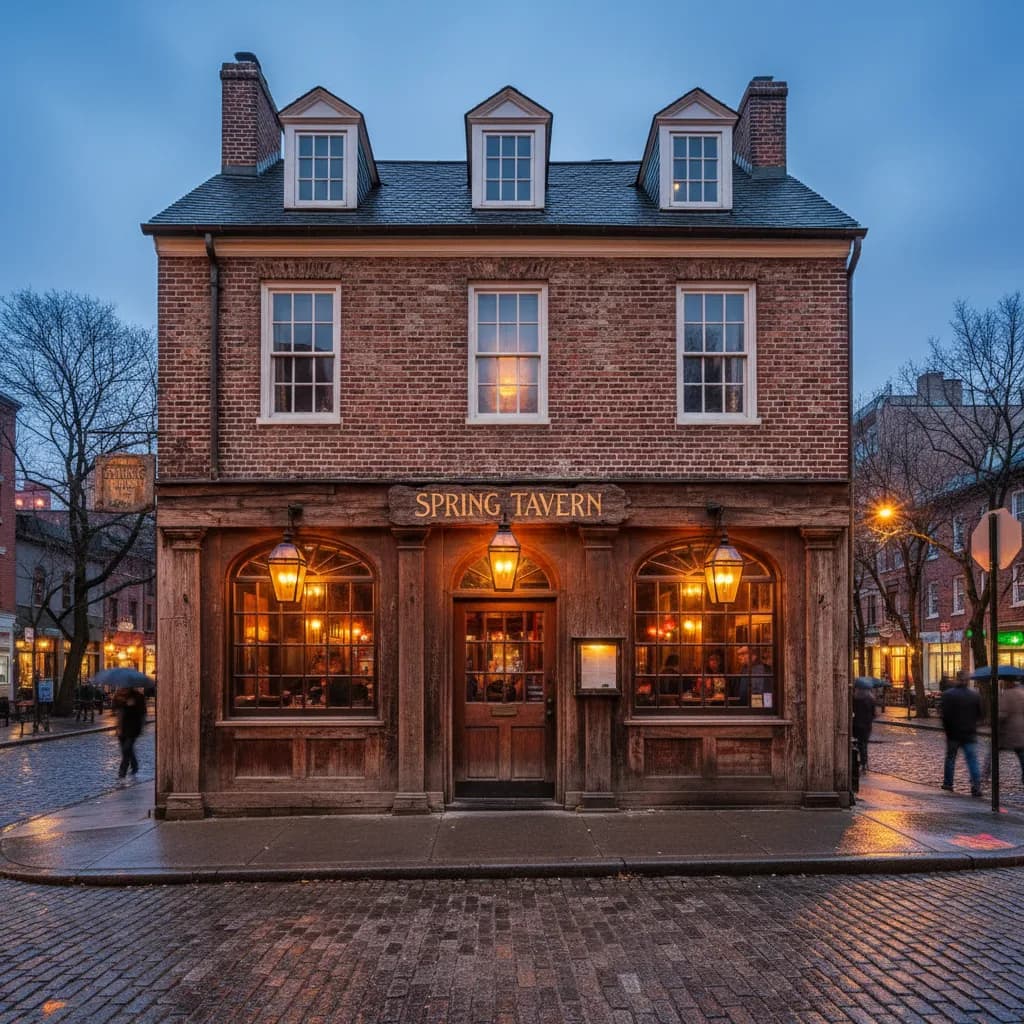
 The Ear Inn on Spring Street: Historic Bar Since 1817
Bars & Nights Out
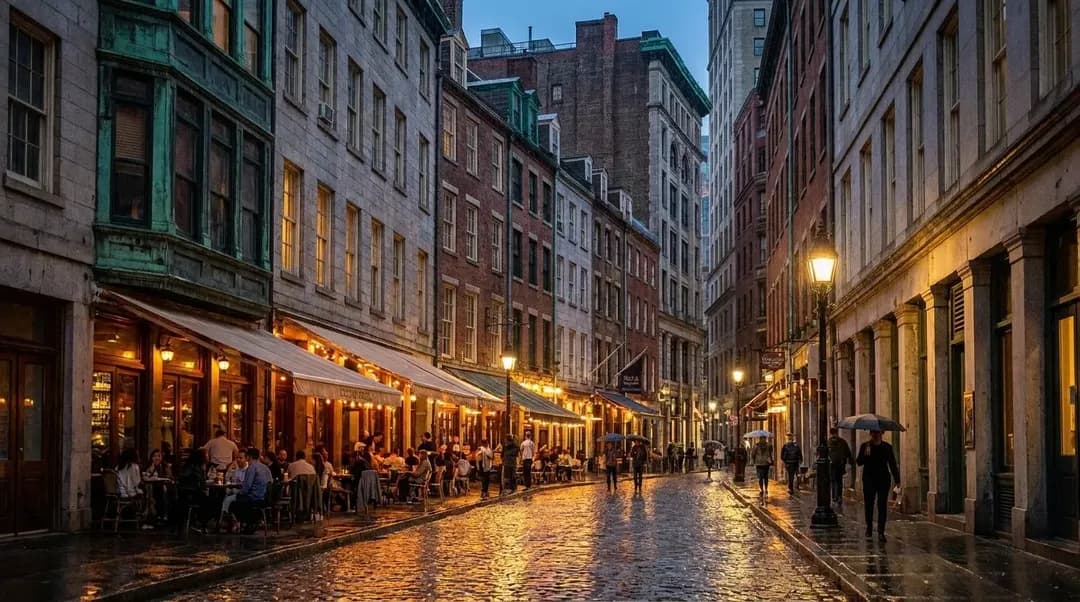
What to Know Before Planning a Rain-Proof Second Date in Lower Manhattan
A practical guide to navigating weather pivots, indoor backup venues, and timing decisions that keep momentum alive when drizzle threatens your downtown plans.
Second dates carry different stakes than first meetings—you've already established baseline chemistry, and now the question is whether you can sustain conversation beyond the initial spark. Lower Manhattan offers density that works in your favor when weather turns: museums, bars, and food halls cluster within ten-minute walks, making mid-date pivots feasible without the awkwardness of a forty-minute subway ride to a backup plan. The challenge isn't finding indoor options—it's building a framework that feels intentional rather than reactive, so a shift from outdoor to indoor reads as adaptable rather than panicked. Locals who date regularly in this part of the city learn to check hourly forecasts the morning of, identify venues with both bar seating and table service, and keep one or two indoor alternatives within a three-block radius of any initial meeting point.
Text Karpo for real-time suggestions when your second-date plan needs a weather-driven adjustment and you want options that match the energy you've already built.
Check the Hourly Forecast at 10 AM, Not the Night Before
New York weather shifts fast enough that Tuesday evening's forecast often bears little resemblance to Wednesday afternoon reality. If your second date is scheduled for 7 PM, checking the hourly breakdown at 10 AM gives you actionable information—whether that 40 percent chance of rain arrives at 6 PM or 9 PM changes your entire approach. A storm rolling in after 8 PM means you can hold your outdoor or walking-heavy plan; rain starting at 5 PM means you text by noon to propose the indoor alternative you've already scouted. This isn't about being controlling—it's about demonstrating that you've thought through logistics, which matters more on a second date than a first. The person across from you is evaluating whether you're someone who handles small complications gracefully or someone who treats a drizzle like a crisis.
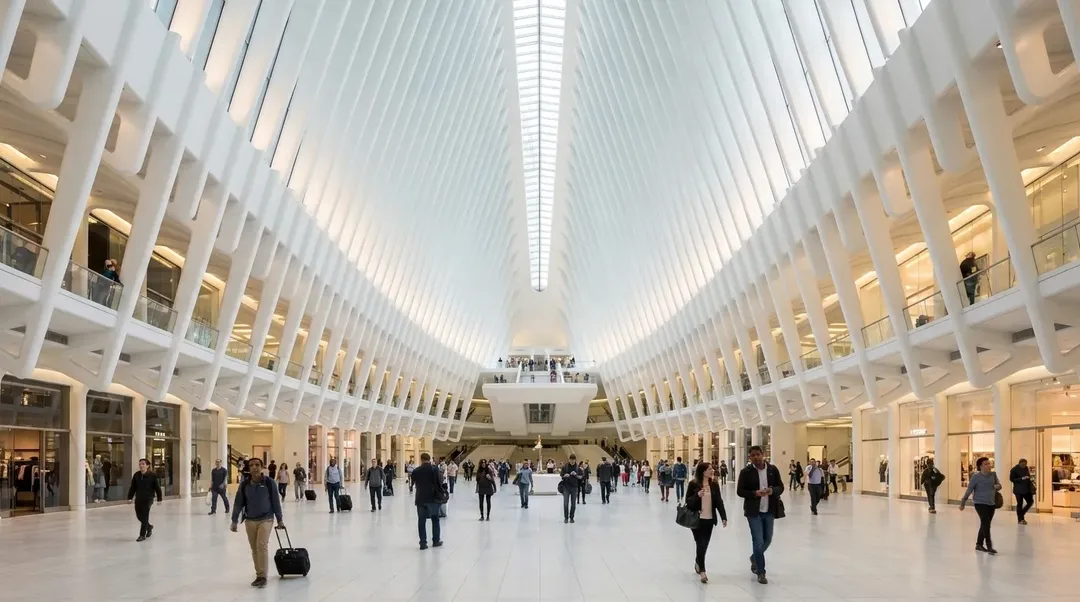
Lower Manhattan's layout makes this timing window practical. If you've planned to meet near the Oculus and rain arrives early, you're already inside a climate-controlled space with multiple food and drink options. If your original plan was a walk along the waterfront near Battery Park, you can pivot to a bar on Stone Street—a five-minute walk that doesn't require rerouting through midtown. The key is making the call early enough that your date doesn't spend the afternoon wondering whether plans are still on, but late enough that you're working with accurate information rather than guessing based on a three-day outlook.
Choose Venues with Flexible Seating and No Reservation Pressure
Reservation-heavy restaurants create unnecessary stress on second dates, especially when weather might force a timing shift. If rain delays your arrival by twenty minutes because you both got drenched and needed to dry off, a rigid 7:30 PM seating becomes a problem. Lower Manhattan has enough bars with food programs and food halls with bar seating that you can build plans around venues that accommodate walk-ins and don't penalize you for showing up fifteen minutes late or leaving earlier than expected if the vibe isn't working. This flexibility matters more when you're still figuring out whether a third date makes sense—you want the option to extend the evening naturally if things are going well, or to wrap after one drink if they're not, without feeling locked into a two-hour dinner reservation.
Food halls like the one mentioned in Downtown Alliance coverage offer another advantage: they let you sample different vendors without committing to a single cuisine, which keeps conversation moving and gives you both something to react to beyond each other. If your date mentions they've never tried a particular type of food, you can grab it on the spot rather than filing it away as a theoretical future plan. Bars with table service—where you can sit at the bar or move to a table depending on crowd levels—give you similar optionality. Stone Street's outdoor seating works in decent weather, but the same bars have indoor spaces that don't feel like fallback options; they're just different configurations of the same venue.
Build a Three-Block Radius Around Your Primary Plan
The practical difference between a good rain pivot and a date-killing scramble often comes down to geography. If your primary plan is a walk through Battery Park and your backup is a bar in the West Village, you've built in a twenty-minute transit gap that kills momentum and forces an awkward "so, should we still do this?" negotiation. Locals who date regularly in Lower Manhattan identify backup venues within a three-block radius of their starting point, so a pivot feels like a minor course correction rather than a new plan. This doesn't mean you need to share your entire backup list with your date—it just means you've done enough advance work that you can suggest an alternative without pulling out your phone to search for options while standing in the rain.
Three blocks in Lower Manhattan translates to roughly a five-to-seven-minute walk, which is short enough that you can keep talking while moving and long enough that it doesn't feel like you're just ducking into the nearest Starbucks. If you're meeting near the Oculus, you're within range of bars on Fulton Street, the food options inside the transit hub itself, and several wine bars in the Financial District. If your plan centers on the South Street Seaport area, you've got Pier 17's indoor spaces, bars on Stone Street, and several spots along Water Street. The goal is to know your options well enough that you can make a confident suggestion—"There's a wine bar two blocks north that has a good happy hour"—rather than proposing a vague "let's find somewhere nearby."
Recognize When Rain Actually Improves the Plan
Not every rainy second date needs salvaging. Some indoor venues work better when weather outside is miserable, because the contrast makes the space feel more intentional. A cozy bar with good lighting and a solid drink menu becomes more appealing when you've both just escaped a downpour—there's a shared experience of getting slightly drenched that can accelerate the comfort level between two people still figuring out their dynamic. Lower Manhattan has enough bars with this quality—dim lighting, wood interiors, a neighborhood feel despite the downtown location—that rain can shift your date from "nice walk and maybe a drink" to "let's settle in for the evening," which often works better for second dates where you're trying to move past surface-level conversation.
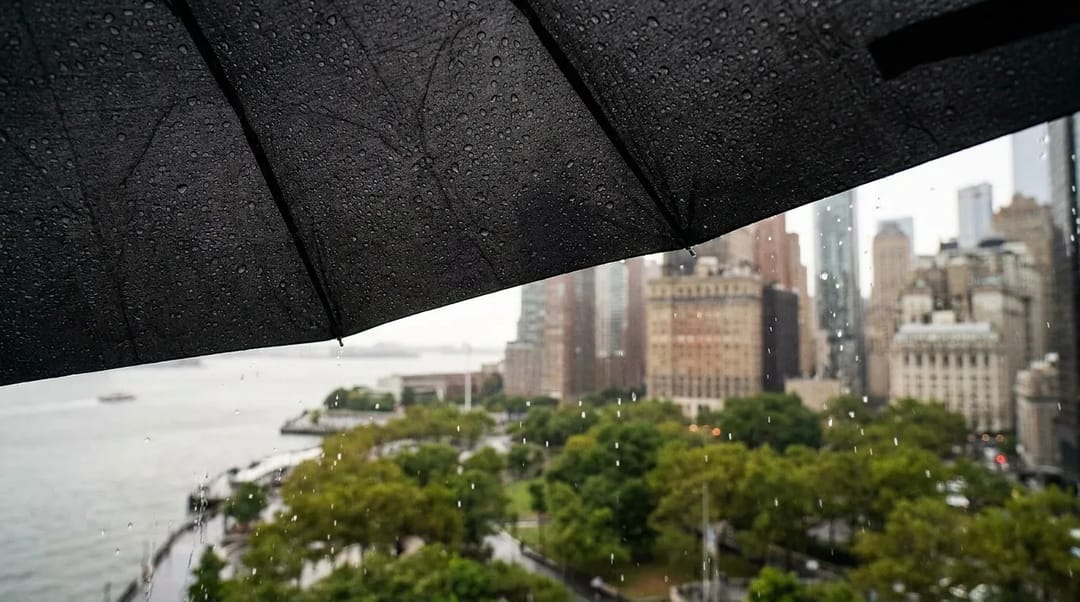
The mistake is treating rain as something that needs to be overcome rather than incorporated. If you've planned an outdoor activity and it's drizzling lightly, sometimes the move is to do it anyway—walking along the waterfront in light rain with someone you're interested in can feel more memorable than the sanitized indoor alternative. The judgment call depends on intensity (steady rain versus occasional drizzle), your date's tolerance for getting slightly wet (which you can gauge by asking directly rather than assuming), and whether your destination has a logical indoor endpoint. A walk that terminates at a bar or museum makes sense; a walk that just ends with both of you standing awkwardly under an awning does not.
Practical Notes
- Set a personal deadline—typically by noon—to confirm or pivot plans based on updated hourly forecasts rather than waiting until an hour before your date.
- Scout at least two backup venues within three blocks of your primary meeting point, checking whether they take walk-ins and whether they have bar seating for flexible timing.
- Carry a compact umbrella even if morning forecasts look clear; having one available removes the logistical friction that derails momentum when unexpected rain arrives.
- If you're pivoting from outdoor to indoor plans, frame it as a positive adjustment rather than apologizing—"The wine bar on Stone Street actually works better for talking" reads more confidently than "Sorry, I guess we can't do the park."
- Check subway service alerts the morning of your date; rain often correlates with transit delays, and knowing which lines are running slowly helps you suggest meeting points that don't require your date to navigate a complicated transfer.
- Avoid venues that require advance tickets or timed entry for second dates—museums and certain attractions work better for later dates when you've established that you both want to spend three hours together.
- If your date suggests they don't mind rain, take them at their word rather than overriding their preference with your own weather anxiety; some people genuinely prefer walking in drizzle to sitting in a crowded bar.
Rain-proof second-date planning in Lower Manhattan isn't about having a perfect contingency for every scenario—it's about building enough flexibility into your initial plan that weather becomes a variable you can handle rather than a crisis that exposes poor preparation. The density of this part of the city rewards people who do modest advance work: knowing which bars are walkable from which starting points, understanding which venues accommodate timing shifts, and recognizing when a weather pivot actually improves the evening rather than salvaging it. None of this requires elaborate backup plans or obsessive forecast-checking; it just requires acknowledging that August weather in New York is unpredictable and that your date will notice whether you handle that unpredictability gracefully or treat it like an unforeseen disaster.
Tags: #lowermanhattandates #nycrainydays #seconddateideas #downtownnyc #nycdating #rainproofplans #financialdistrict #batterypark #stonestreetnyc #dateplanningnyc #nycweather #indoordates #localsdateguide #manhattanbars
All trademarks are the property of their respective owners.
Ask Karpo for more information.
Keep reading
- The Ear Inn on Spring Street: Historic Bar Since 1817
 Smalls Jazz Club: Greenwich Village Late-Night Sets
 Compagnie des Vins Surnaturels: SoHo's Best Wine Bar