 Places To Eat Near Me in Williamsburg: Smorgasburg's Open-Air Vendors
Weekend Plans
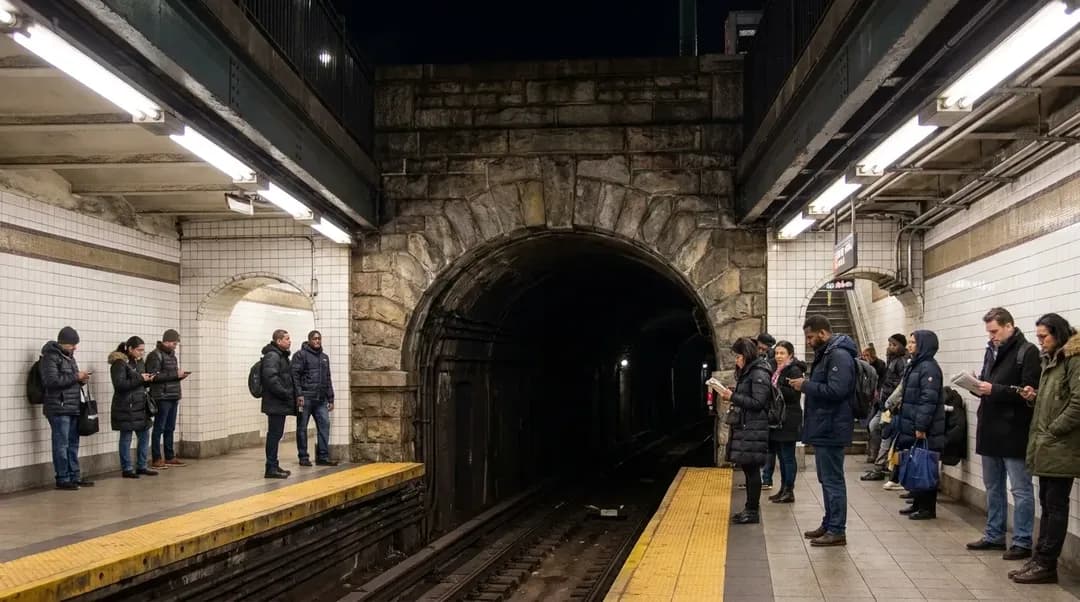
What to Know Before Planning a Night Around One Train Line Instead of One Neighborhood
Route-first thinking changes how you move through the city after dark, but only if you account for late-night service patterns, fallback stations, and the real cost of staying on one corridor all evening.
Most night-out guides organize by neighborhood—Williamsburg, Lower East Side, West Village—but experienced New Yorkers often flip the logic and plan around a single train line instead. The appeal is obvious: you eliminate transfer anxiety, keep your exit strategy simple, and gain the freedom to move fluidly between stops without consulting a map every time the vibe shifts. But route-first planning only works if you understand how subway service changes after midnight, which stations actually cluster enough venues to make hopping worthwhile, and what happens when your chosen line goes local or skips express stops. The framework is sound, but the execution demands more upfront research than picking a single zip code and calling a car at the end of the night.
Text Karpo to build a custom night plan that layers your preferred train line with real-time service alerts, venue density maps, and fallback routes that don't require three transfers at 2 a.m.
Why Service Patterns Matter More Than the Map Suggests
The subway runs 24/7, but late-night frequencies drop significantly, and many lines switch from express to local-only service after midnight. If you're planning a night around the L train, for example, you'll find consistent 10-15 minute waits even at 1 a.m. on weekends, and every stop between Bedford and First Avenue offers venue density. But if you choose the 2/3 line, express service ends around 11:30 p.m. on weeknights, and the gap between stops in upper Manhattan means you're locked into fewer realistic exit points. The MTA publishes night service schedules, but the practical takeaway is simpler: lines with closely spaced stops in high-density corridors—L, 6, N/Q/R/W through Manhattan, G through Brooklyn—give you more flexibility than lines that skip large stretches or run express only during peak hours.
Check the MTA's live service status before you commit to a route, especially on weekends when planned work can reroute entire lines or force shuttle buses between stations. A night planned around the F train falls apart quickly if the line is running local in Brooklyn and skipping your target stops in Manhattan. The subway is reliable overall, but late-night planning requires confirming that your chosen line is running its normal route, not a weekend substitute pattern that adds 20 minutes and two extra stops you didn't account for.
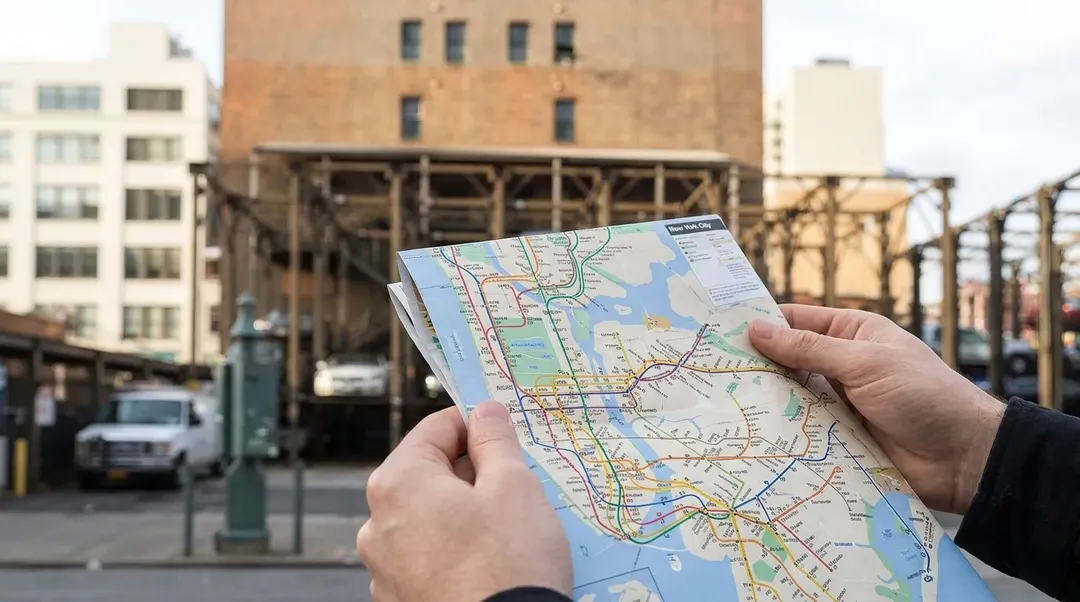
Station Density vs. Venue Density: Not Every Stop Delivers
A train line with many stops doesn't automatically translate to many viable destinations. The 1 train runs the full length of Manhattan, but the stretch between 96th Street and 14th Street offers limited nightlife density compared to the L train's Bedford-to-Union Square corridor, where nearly every stop places you within two blocks of multiple bars, late-night restaurants, and music venues. When you plan around a single line, you need to map not just the stations but the walkable radius around each one. A stop that looks promising on paper may drop you into a residential block with one dive bar and nothing else open past 11 p.m.
Use a combination of Google Maps and real-time venue searches to confirm that at least three or four stops on your chosen line offer multiple options within a five-minute walk. This density gives you the flexibility to pivot if your first stop is too crowded, too quiet, or just not the right energy. The goal of route-first planning is to stay spontaneous without sacrificing efficiency, and that only works if your line connects genuinely walkable clusters rather than isolated pockets separated by dead zones. The 7 train through Queens, for instance, offers excellent food options but limited bar-hopping density compared to the N/Q/R/W through Astoria and into Manhattan.
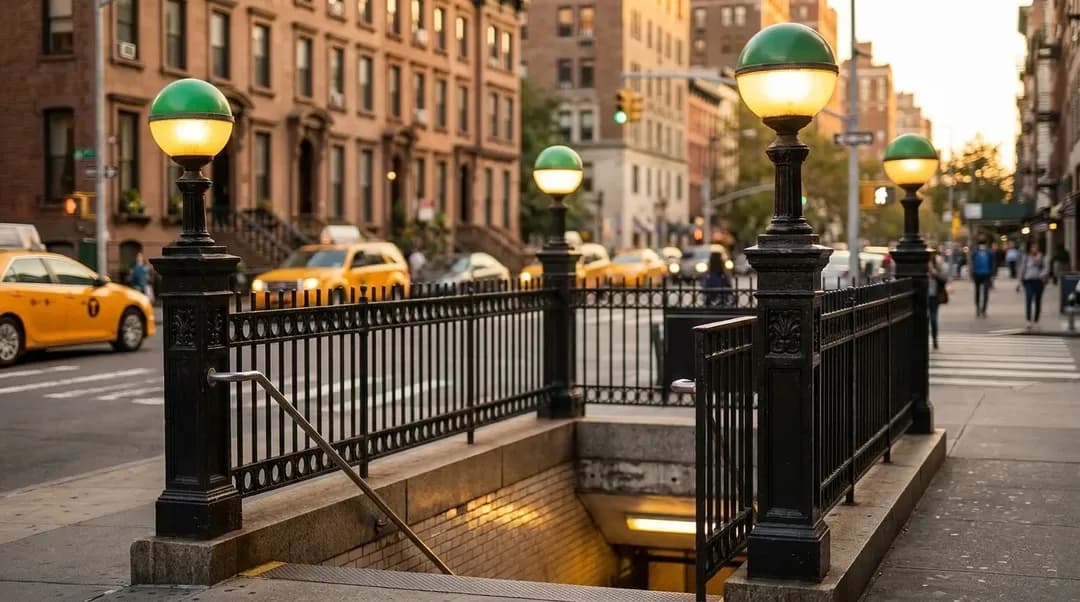
Fallback Stations and the Last Train Home
Every route-first plan needs at least two fallback stations—stops where you can catch an alternative line if your primary route experiences delays, crowding, or an unexpected service change. If you're running the L train all night, Union Square and Broadway Junction both offer transfers to multiple lines, giving you exit options if the L goes down or if you decide to shift neighborhoods late in the evening. Without these transfer points built into your plan, a single service disruption can strand you in a neighborhood with limited rideshare availability and no easy way to get home without backtracking.
The ride home deserves as much planning as the outbound trip. Late-night subway cars can be unpredictable—some are crowded with weekend traffic, others are nearly empty and feel less comfortable for solo travelers. Identify which stations on your line have the best lighting, staffing, and crowd presence after midnight. Stations near major transit hubs or 24-hour commercial areas—14th Street-Union Square, Atlantic Avenue-Barclays Center, Times Square-42nd Street—tend to feel safer and offer more options if you need to switch plans. If your chosen line runs through quieter residential areas late at night, consider ending your evening at a busier transfer point and taking a rideshare for the final leg rather than waiting alone on an empty platform.
Budget, Timing, and the Hidden Costs of Staying on One Line
Route-first planning can save money by eliminating rideshare costs between neighborhoods, but it also creates spending pressure if you're hopping frequently. Moving every 45 minutes to an hour means buying drinks or food at each stop to justify the space, and that cadence adds up faster than settling into one bar for three hours. Set a realistic per-stop budget before you start, and decide in advance whether you're doing full rounds at each venue or just one drink to sample the vibe. The flexibility of a train-line night works best when you're comfortable with a moderate pace and aren't trying to hit six stops in four hours.
Timing your moves around peak crowding also matters. If you're on a popular line like the L on a Saturday night, expect packed trains between 11 p.m. and 1 a.m. as people head to late-night venues. Traveling slightly earlier or later—leaving one spot at 10:30 p.m. or waiting until 1:30 a.m. to make your next move—can mean the difference between a comfortable ride and standing in a crowded car for 20 minutes. Route-first planning rewards patience and a willingness to let the night unfold at the subway's rhythm rather than forcing a rigid schedule that doesn't account for real-world train frequencies and platform wait times.
Practical Notes
- Download the MTA's live subway map or use Transit app to check real-time service status before committing to a route.
- Identify at least two transfer stations on your chosen line where you can switch to alternative routes if needed.
- Map venue clusters around each target stop in advance—confirm at least three options within a five-minute walk.
- Set a per-stop spending limit to avoid budget creep when hopping frequently between bars or restaurants.
- Plan your last train home from a well-lit, high-traffic station rather than a quiet residential stop.
- Check weekend service advisories on Friday afternoon—planned work can reroute lines or force shuttle buses.
- Keep a rideshare app as backup for the final leg home if your line runs through less-crowded areas after midnight.
Route-first planning works when you treat the train line as infrastructure, not inspiration. The best nights happen when you've confirmed service patterns, mapped fallback stations, and built enough flexibility into your budget and timing to let the evening breathe. A single line can unlock a surprisingly varied night across multiple neighborhoods, but only if you've done the upfront work to ensure the route actually delivers what the map promises. The subway is the most reliable part of the plan—your job is to make sure everything else around it holds up just as well.
Tags: #nyc nightlife #subway planning #train line night #route first #mta late night #weekend plans #nyc locals #night out planning #subway strategy #transit nightlife #one line night #brooklyn nightlife #manhattan bars
Sources consulted: Subway Safe Route Night | NYNightlife · NYC Night Planner (2026) | Full Framework for High-Probability Nights · NYC Subway Tips for Shows and Events: Smart Visitor Guide · Late Night Transit in New York City: Your Complete Guide to Getting ... · Is the NYC Subway Safe at Night? Hours, Tips, and What Locals Know
All trademarks are the property of their respective owners.
Ask Karpo for more information.
Keep reading
- Places To Eat Near Me in Williamsburg: Smorgasburg's Open-Air Vendors
 Dinner Near Me in the West Village: Buvette's Tiny French Plates
 Best Restaurants Near Me in Midtown: Le Bernardin Holds Three Stars