 Mediterranean Food Near Me in Fort Greene: Miss Ada's Garden and Hummus
Neighborhood Guides
What to Know Before Planning a Low-Key Day in Red Hook Without Relying on the Ferry
Red Hook's isolation from the subway grid is exactly what makes it worth visiting, but getting there without the ferry requires a different kind of planning that locals have already figured out.
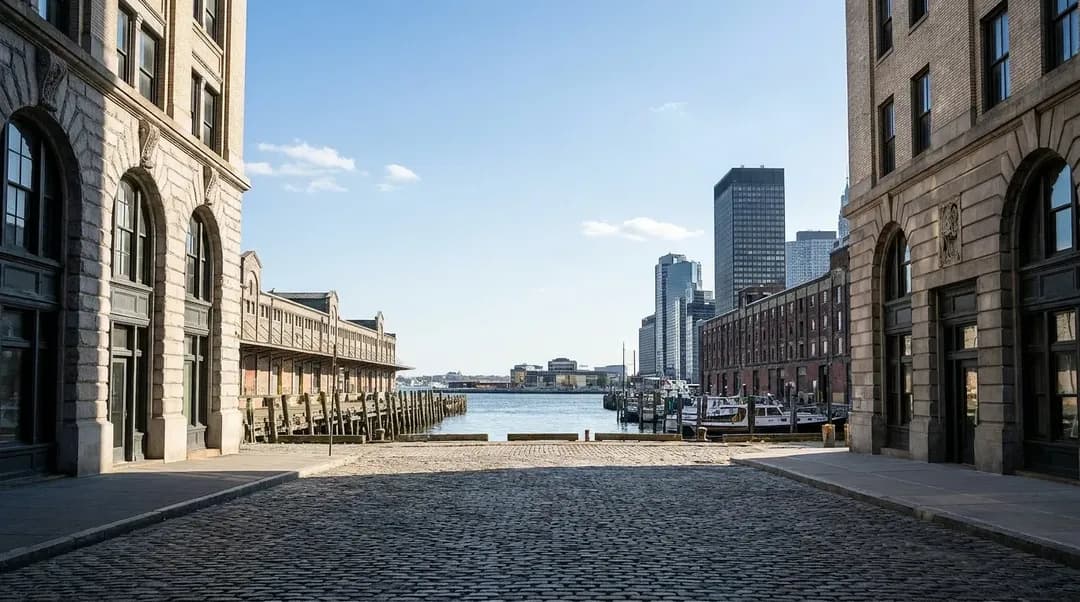
Red Hook sits at the edge of Brooklyn like a place the city forgot to fully wire up. No subway runs through it, and while the ferry gets most of the attention in weekend guides, that seasonal boat isn't how locals actually move through the neighborhood. The B61 and B57 buses connect Red Hook to the rest of Brooklyn, and understanding how those routes work—plus when to bike, walk, or call a car—makes the difference between a frustrating visit and a day that feels unhurried and intentional. Red Hook rewards the kind of planning that accounts for limited transit options, but once you're there, the payoff is a waterfront neighborhood that still feels like Brooklyn before every corner got polished. The cobblestones, working piers, and slower pace exist precisely because getting here takes a little more thought.
Text Karpo at (332) 334-2527 for help mapping out transit connections and timing your Red Hook visit around real neighborhood rhythms.
How to Actually Get There Without the Ferry
The B61 bus is the most direct public transit option into Red Hook. It runs from Downtown Brooklyn and Carroll Gardens along Van Brunt Street, the neighborhood's main commercial spine. The B57 connects Red Hook to the Smith-9th Street F/G station, though service can be infrequent, so check the schedule before you leave. Both buses are slower than a subway ride, and weekend headways can stretch to twenty minutes or more, which means you'll want to plan your arrival and departure times with some cushion. If you're coming from Manhattan, take the F or A/C to Jay Street-MetroTech, then transfer to the B61. From other parts of Brooklyn, the Smith-9th stop on the F/G is your closest subway connection to the B57.
Biking offers more flexibility, especially if you're comfortable riding a few miles. Red Hook is roughly two miles from Downtown Brooklyn and three from Williamsburg, with bike lanes along most approach routes. The neighborhood's flat terrain and waterfront paths make cycling pleasant once you arrive, and you'll find bike racks near most cafes and parks. Citi Bike stations are sparse inside Red Hook itself but available at the edges near Carroll Gardens, so plan to either ride your own bike or budget for a longer Citi Bike rental. Rideshares and taxis are straightforward if you're traveling in a group or carrying gear, and the lack of subway access means drivers know the area well. Weekend traffic on the Gowanus Expressway can slow car trips, so allow extra time if you're coming during peak hours.
What the Neighborhood Layout Means for Your Day
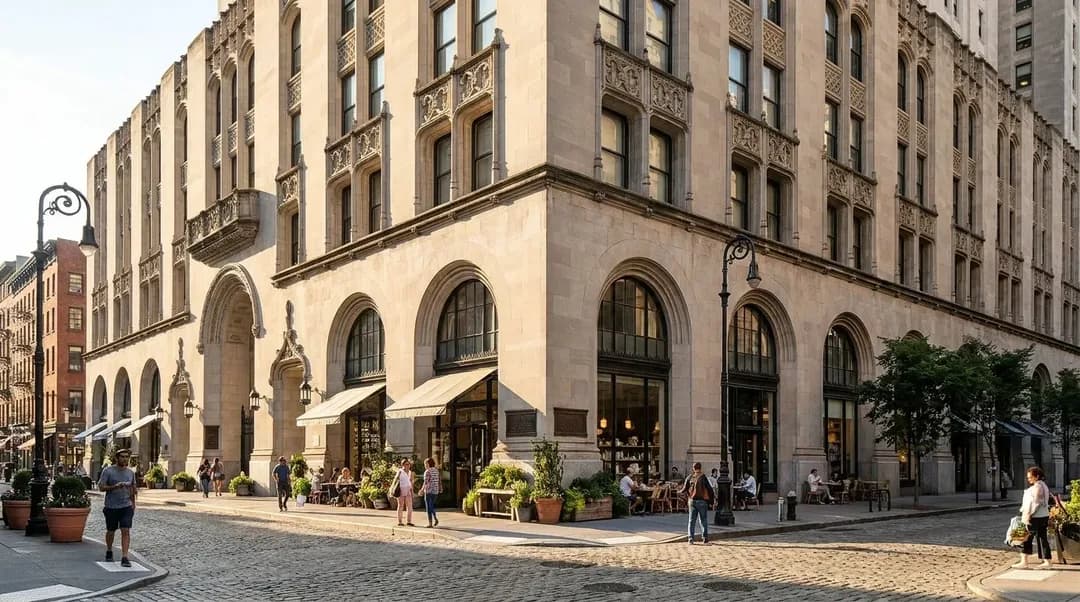
Red Hook is a low-lying peninsula bounded by the Gowanus Expressway, the harbor, and industrial waterfront. Van Brunt Street runs north-south through the center and holds most of the retail, with side streets branching toward the water. The neighborhood is walkable end-to-end in about thirty minutes, but distances feel longer because there aren't many cross streets and some blocks dead-end at warehouses or piers. Plan your route in clusters rather than trying to zigzag across the whole area. The northern section near Pioneer Works and the Waterfront Museum is more arts-focused, while the southern blocks near Coffey Park and the Red Hook Recreation Area lean residential and quieter.
Red Hook has no direct subway service, which helps preserve its tucked-away character. That isolation also means fewer crowds, especially on weekdays, and a slower pace that makes it easier to linger without feeling rushed. The neighborhood's maritime history is still visible in the cobblestone streets, working piers, and warehouse conversions. Cultural highlights include Pioneer Works, a warehouse-turned-arts center, and the floating Waterfront Museum & Showboat Barge, which offers a low-key look at the area's nautical roots. The 'Greetings from Red Hook' mural on Sebring Street is a quick photo stop, and the waterfront parks provide open harbor views without the polished feel of Brooklyn Bridge Park. Expect a mix of old industrial grit and newer creative businesses, with fewer chain stores than you'd find in more transit-dense neighborhoods.
Where to Eat and What to Expect
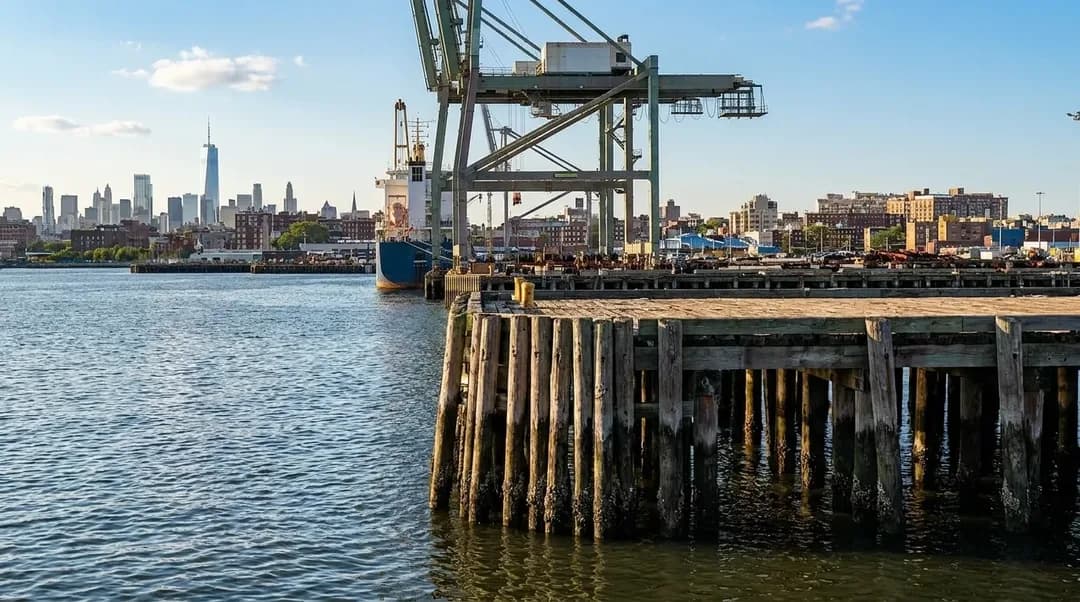
Red Hook Tavern is frequently mentioned as serving one of the best burgers in the city, and reservations are recommended, especially for weekend dinners. The restaurant anchors the neighborhood's food scene, which skews toward independent spots rather than chains. Red Hook Winery offers tastings with harbor views, and several breweries provide low-key drinking options if you're planning an afternoon that includes multiple stops. The neighborhood's food scene is concentrated enough that you can walk between most spots, but hours can be inconsistent, particularly midweek, so check before you go. IKEA's presence near the waterfront brings a steady flow of shoppers, and the store's cafeteria is a practical lunch option if you're already in the area, though it's not the reason to visit.
The lack of dense foot traffic means restaurants and bars here tend to have more space and a quieter vibe than comparable spots in Williamsburg or Park Slope. That also means some businesses close earlier or take midweek days off, so confirm operating hours if you're building a day around specific stops. The neighborhood's food offerings reflect its creative community—expect chef-driven menus, local ingredients, and a focus on quality over volume. If you're planning to eat at multiple places, space them out with walks along the waterfront or stops at galleries. The slower pace works in your favor here; Red Hook isn't a neighborhood where you'll feel pressure to rush from one spot to the next.
Timing, Weather, and Practical Contingencies
Red Hook's waterfront location makes it more exposed to wind and weather than inland Brooklyn neighborhoods. Check the forecast before you go, especially in winter or during rainy stretches, because the open harbor amplifies cold and wet conditions. Summer visits are more forgiving, but the lack of subway access means you can't easily duck underground to escape heat or sudden storms. Bring layers if you're planning to spend time near the water, and have a backup indoor stop—Pioneer Works, the Waterfront Museum, or a brewery—if conditions turn. The neighborhood's limited transit also means you'll want a contingency plan for getting home if buses are delayed or if you stay later than expected.
Weekends bring more visitors, particularly when the ferry is running, but the neighborhood never feels as crowded as central Brooklyn. Weekdays are quieter and give you a better sense of Red Hook's local rhythm, though some businesses may have reduced hours. If you're visiting in fall or winter, daylight is a factor—plan to arrive by midday and wrap up before sunset if you want to see the waterfront in good light. The neighborhood's isolation means fewer late-night options, so if you're planning an evening visit, confirm that your intended stops are open and have a clear plan for getting home. Red Hook rewards visitors who build in flexibility and don't overschedule, but that flexibility works best when you've thought through the basics of transit, timing, and weather in advance.
Practical Notes
- Check B61 and B57 bus schedules before leaving; weekend headways can stretch to twenty minutes or more.
- Bike if you're comfortable with a two-to-three-mile ride; Citi Bike stations are sparse inside Red Hook but available at the edges.
- Confirm restaurant and gallery hours before you go; midweek closures and seasonal schedules are common.
- Bring layers for waterfront walks; the open harbor amplifies wind and cold, especially outside summer months.
- Plan your route in clusters around Van Brunt Street to minimize backtracking across dead-end blocks.
- Have a rideshare or taxi contingency if buses are delayed or you stay later than expected.
- Allow extra travel time on weekends when Gowanus Expressway traffic can slow car trips.
Red Hook's distance from the subway is the reason it still feels like a neighborhood rather than a destination, and getting there without the ferry is how locals keep it accessible year-round. The bus routes are slower than a train, and biking requires a little more effort, but that friction is also what keeps the waterfront quieter and the pace more deliberate. Plan around limited transit, check the weather, and build in time to walk between stops without rushing. The payoff is a day that feels less like a checklist and more like a chance to see a part of Brooklyn that hasn't been smoothed over yet.
Tags: #redhookbrooklyn #brooklynwaterfront #nycneighborhoods #brooklynlocal #transitplanning #nycbybus #brooklynfood #pioneersworks #vanbruntstreet #redhooktavern #brooklynbiking #waterfrontnyc #brooklynguide #localnyc
Sources consulted: A Day In Red Hook Brooklyn | Like A Local Tours · Red Hook Waterfront Weekend Guide for a Stylish Escape · Perfect day in Red Hook, Brooklyn - by Dasha Kofman · Red Hook - Visit Brooklyn · Red Hook, Brooklyn: Essential Waterfront Guide — What to See, Eat & How ... · Explore Red Hook Brooklyn (The Neighborhood the MTA Forgot)
All trademarks are the property of their respective owners.
Ask Karpo for more information.
Keep reading
- Mediterranean Food Near Me in Fort Greene: Miss Ada's Garden and Hummus
 Places To Eat Near Me in Chelsea: The Market Fills a Nabisco Factory
 Seafood Near Me in the East Village: The Mermaid Inn's Dollar Oysters