 Places To Eat Near Me in Williamsburg: Smorgasburg's Open-Air Vendors
Weekend Plans
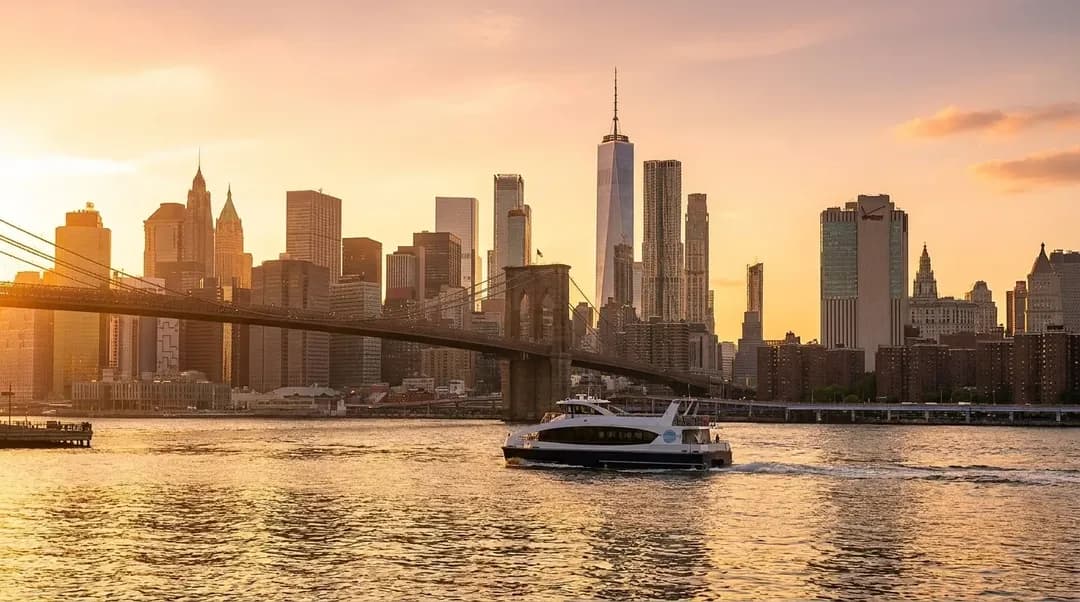
What to Know Before Planning a Ferry-Adjacent Date That Still Feels Easy on the Ride Home
NYC Ferry routes connect waterfront neighborhoods across all five boroughs, but the real planning starts when you think about how both of you actually get home afterward without turning a good night into a logistical slog.
A ferry date checks every box on paper: water views, $2.75 fare, outdoor seating, skyline backdrops that photograph well. NYC Ferry operates approximately 5 AM to 10 PM depending on route and season, connecting waterfront communities across all five boroughs with 25 ferry piers and six year-round routes plus one seasonal line. The system was designed for commuters, visitors, and local transport trips to jobs, parks, and neighborhoods, which means it works beautifully during the day but thins out significantly after evening rush. The romantic part is easy. The part that derails ferry dates is what happens at 9:47 PM when you're both standing on a pier in Red Hook realizing the last boat left eight minutes ago and your date lives in Astoria while you're headed to the Upper East Side. The ride itself is never the problem—it's the return trip, the transfer gaps, and the moment you both silently calculate whether splitting an Uber negates the entire low-key vibe you were going for.
Text Karpo at (332) KARPO-NY to get real-time suggestions for ferry-adjacent spots with multiple exit routes, plus backup transit intel when the last boat has already sailed.
Check the Last Departure Before You Pick the Pier
NYC Ferry schedules vary significantly by route and season, and the difference between a summer weekend schedule and a weekday winter schedule can be an hour or more of service. The system runs all routes on a weekend schedule for observed holidays like Memorial Day and Juneteenth, which means if you're planning a date on a long weekend Monday, you need to check the actual posted schedule rather than assuming weekday frequency. The Rockaway route is seasonal, returning each summer, so any date plan involving that line needs to account for whether it's even running. Most routes wrap service between 9 PM and 10 PM, but the exact last departure from each pier depends on the direction you're traveling and how many stops remain on that run. If you're meeting someone at a pier in Astoria at 8 PM, you need to know whether the return boats to Manhattan run past 9:30 PM or if you're both committed to finding another way home.
The NYC Ferry website publishes routes and schedules with service alerts, including weather-related updates, but those alerts don't always populate in third-party transit apps. Check the official site or the NYC Ferry app directly on the day of your date, especially if there's been recent wind, fog, or any kind of weather event. A route that ran perfectly last weekend might be running modified service tonight. If the last boat is at 9:40 PM and you're planning dinner, you need to either eat early, pick a spot within a ten-minute walk of the pier, or accept that you're both taking the subway home. The romantic move is to have that conversation before you meet, not after you've both finished dessert and realize the boat left twelve minutes ago.

Pick a Pier That Connects to Actual Transit for Both of You
The ferry system connects waterfront neighborhoods, which by definition means many piers are not directly adjacent to subway stations. Some landings—Wall Street, Pier 11, DUMBO—offer quick walks to multiple subway lines. Others, like Soundview in the Bronx or certain Brooklyn Army Terminal stops, require a bus connection or a longer walk to reach the nearest train. If your date lives in Astoria and you live in Bed-Stuy, meeting at a pier in Red Hook sounds equidistant on a map but leaves both of you with a 25-minute walk or a bus transfer to get home. The question isn't whether the ferry ride itself is convenient; it's whether the pier you're meeting at allows both of you to exit cleanly without adding 40 minutes of post-date commute friction.
Look at the return trip for both people before you confirm the plan. If one of you can take the ferry back to a pier near your apartment and the other has to transfer to a bus and then a train, the date starts to feel lopsided. The better approach is to pick a pier that connects to a major subway hub—Wall Street near the 2/3, DUMBO near the A/C and F, or Pier 11 near the 4/5/6—so that when the date ends, you're both within a five-minute walk of a train that actually goes where you need to go. The ferry itself is scenic and cheap, but if the exit strategy requires one person to take a 20-minute Citibike ride in the rain or wait for a bus that runs every 30 minutes, the whole low-key vibe collapses.
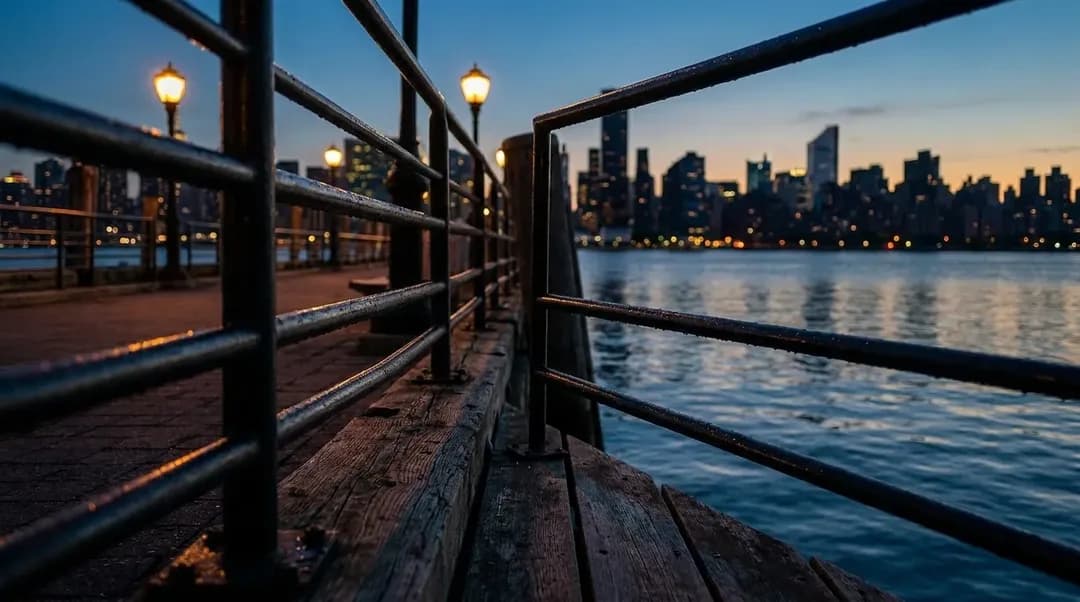
Plan the Activity Around the Ferry, Not the Other Way Around
The mistake most people make is treating the ferry as the main event and then scrambling to find something to do at the destination pier. The ferry ride itself takes anywhere from 10 to 40 minutes depending on the route and how many stops it makes, which means it's a nice interlude but not a full evening. If you meet someone at a pier, take a 15-minute ride to another pier, walk around for 20 minutes, and then take the ferry back, you've spent more time in transit than actually doing anything together. The better structure is to pick a destination first—a specific park, restaurant, bar, or waterfront stretch you both want to visit—and then use the ferry as the transportation to get there, not the activity itself.
For example, if you're meeting someone for drinks in DUMBO, the ferry from Manhattan to DUMBO makes sense because the neighborhood has multiple bars, the Brooklyn Bridge Park waterfront, and easy subway access for the ride home. If you're planning to walk the Rockaway Boardwalk, the seasonal Rockaway ferry gets you there without the A train slog, and the beach itself is the destination. But if you're taking the ferry to a pier in an industrial stretch of Brooklyn with no clear plan for what to do once you arrive, you're both going to end up standing on a dock wondering why you didn't just meet at a bar near a subway stop. The ferry works best when it solves a transit problem or adds a scenic route to a destination you already wanted to visit, not when it becomes the entire justification for the date.
Have a Backup Plan for When the Timing Doesn't Line Up
Ferry schedules are fixed, which means if you miss a boat by three minutes, you're waiting 20 to 40 minutes for the next one depending on the route and time of day. Evening and weekend frequencies are lower than weekday commuter hours, so the gap between boats can stretch longer than you expect. If your date is running late, or if dinner takes longer than planned, or if you're just enjoying the conversation and lose track of time, you can easily find yourself watching the last boat pull away from the pier. At that point, you need a backup plan that doesn't involve standing around for 30 minutes in awkward silence or spending $60 on a rideshare to get home.
The simplest backup is to know which subway or bus lines serve the area near the pier, even if they're not your preferred route home. If the ferry stops running, can you both walk to a nearby subway station and take a train that gets you within a reasonable distance of your apartments? If not, is there a Citibike station within two blocks, and does the bike network actually connect to where you're going? The other option is to plan the date earlier in the evening so that you're both catching ferries with at least one more departure after yours, giving you a buffer if something runs late. The worst-case scenario is realizing at 10 PM that the ferry is done for the night, the nearest subway is a 20-minute walk, and neither of you dressed for a long commute. The best-case scenario is that you checked the schedule, built in a cushion, and never had to think about it.
Practical Notes
- Check NYC Ferry's official website or app for same-day service alerts and weather-related schedule changes before you leave.
- Confirm the last departure time from your destination pier in the direction you're both traveling, not just the last boat of the night on that route.
- Pick a meeting pier within a five-minute walk of a major subway line so both people have a clear exit strategy if the ferry schedule doesn't align.
- Plan the destination first—a specific park, bar, or waterfront stretch—and use the ferry as transportation, not the main activity.
- Build in a 20- to 30-minute buffer before the last boat if you're planning dinner or drinks, especially on weekend schedules.
- Know which bus or subway lines serve the area near your destination pier as a backup if you miss the last ferry.
- Avoid piers in industrial or low-transit-density areas unless you've confirmed both people can get home easily by another method.
A ferry date works when the logistics are invisible, which means checking the schedule, picking a pier that connects to real transit, and having a backup plan for when the timing doesn't line up. The ride itself is easy—it's the part after the ride that determines whether the date feels low-key or like a planning failure. If you're both standing on a pier at 9 PM with one more boat left and a clear sense of how you're each getting home, the ferry is exactly what it should be: a scenic, cheap, low-pressure way to spend time together. If you're standing there at 10 PM realizing the boats have stopped and you're both 40 minutes from home in opposite directions, the romance evaporates quickly.
Tags: #nycferry #ferrydates #waterfrontnyc #nycwaterfront #dateplanningnyc #nyctransit #weekendplansnyc #nyccommute #ferryrides #nyclogistics #dateexit #nycschedules #waterfrontdates #nycrideordie
All trademarks are the property of their respective owners.
Ask Karpo for more information.
Keep reading
- Places To Eat Near Me in Williamsburg: Smorgasburg's Open-Air Vendors
 Dinner Near Me in the West Village: Buvette's Tiny French Plates
 Best Restaurants Near Me in Midtown: Le Bernardin Holds Three Stars