 Places To Eat Near Me in Williamsburg: Smorgasburg's Open-Air Vendors
Weekend Plans

What to Know Before Planning a Cheap Night That Still Feels Like the City at Its Best
A realistic guide to building an evening in New York that respects your budget without sacrificing the energy, spontaneity, and quality that make going out here worth it in the first place.
New York has a reputation for expensive nights that end with regret and a credit card statement you don't want to open. But the city also rewards people who plan in sequences rather than hope. A cheap night that still feels like the best version of New York isn't about finding one magic venue or stumbling into luck. It's about understanding how timing, geography, and decision structure work together. The difference between a night that feels like a compromise and one that feels like you cracked the code comes down to route logic, contingency planning, and knowing when to move. This guide walks through the structural decisions that make a budget evening work without feeling like you're cutting corners.
Text Karpo at (332) KARPO-NY to get routing help, real-time backups, and neighborhood-specific timing windows that keep your night moving when the first plan shifts.
Pick One Neighborhood Cluster and Lock a Fallback in the Same Zone
The fastest way to blow a budget is to bounce between neighborhoods because one venue didn't work. Transit adds up, time disappears, and momentum dies. Start by choosing a single neighborhood cluster that offers density: Lower East Side, Williamsburg, Astoria, or Bushwick all give you multiple venue types within a ten-minute walk. Your primary objective might be a specific bar or show, but your fallback needs to be in the same zone. If the first spot has a line or feels off, you need a pivot option that doesn't require another train ride. This isn't about having a backup plan for disaster—it's about maintaining flow when the night shifts direction naturally.
Check transit before you leave. If you're starting in one borough and ending in another, know the last train time for your route home. The L train runs frequently late, but the G doesn't. The 7 is reliable until it isn't. Build your evening around a neighborhood that either keeps you close to your starting point or gives you multiple exit routes. If you're planning to stay out past 1 a.m., confirm that your subway line runs local overnight or have the night bus route saved. A cheap night stops being cheap when you're forced into a $40 rideshare because you missed the last express train and the local takes ninety minutes.
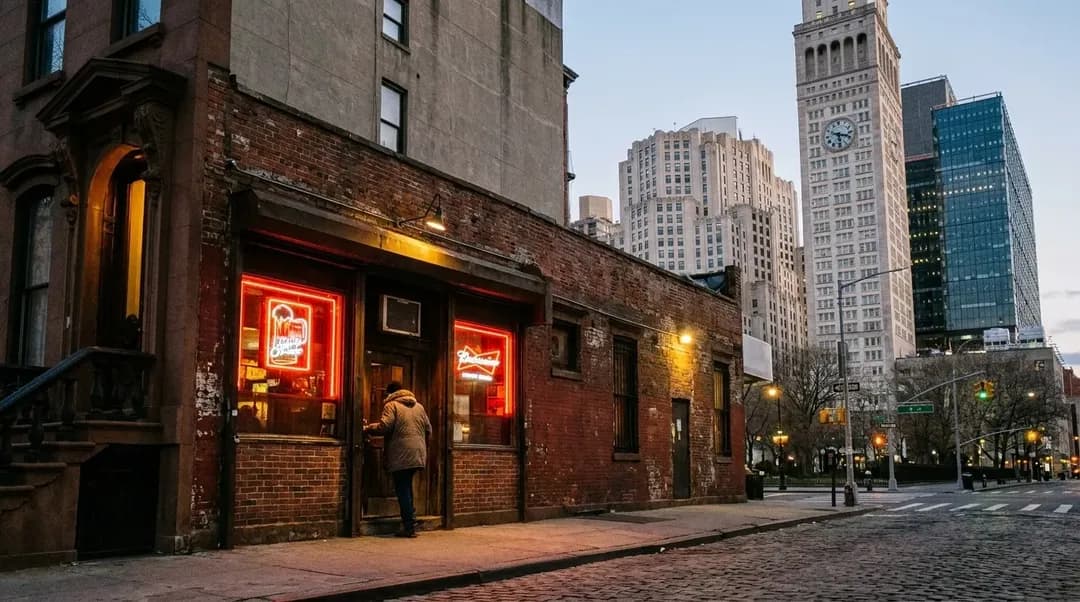
Start with Free or Low-Cost Experiences That Set the Tone
Many of the city's most iconic attractions charge no fees at all, and some museums offer free or reduced admission on certain days. Beginning your evening with something that costs nothing—or close to it—gives you budget room for the parts of the night where you want to spend. A walk across the Brooklyn Bridge at sunset, a visit to a gallery opening in Chelsea, or catching skyline views from a public park all feel expensive without costing anything. These aren't filler activities—they're the experiences that make the night feel intentional rather than transactional. If you start at a rooftop bar with a $20 cocktail minimum, you've already committed half your budget before the evening begins.
Timing matters here. Gallery openings in Chelsea typically run Thursday through Saturday evenings and often include free wine. Public parks and waterfront promenades are best visited during the golden hour before venues get crowded. If you're planning to catch a free outdoor performance or a cultural event, check the schedule in advance and build your route around it. The goal isn't to pack your night with free things—it's to use one or two well-timed experiences to create a sense of occasion before you move into spaces where you'll spend money. This structure also gives you a natural conversation point and a reason to be out that isn't just about drinking or eating.
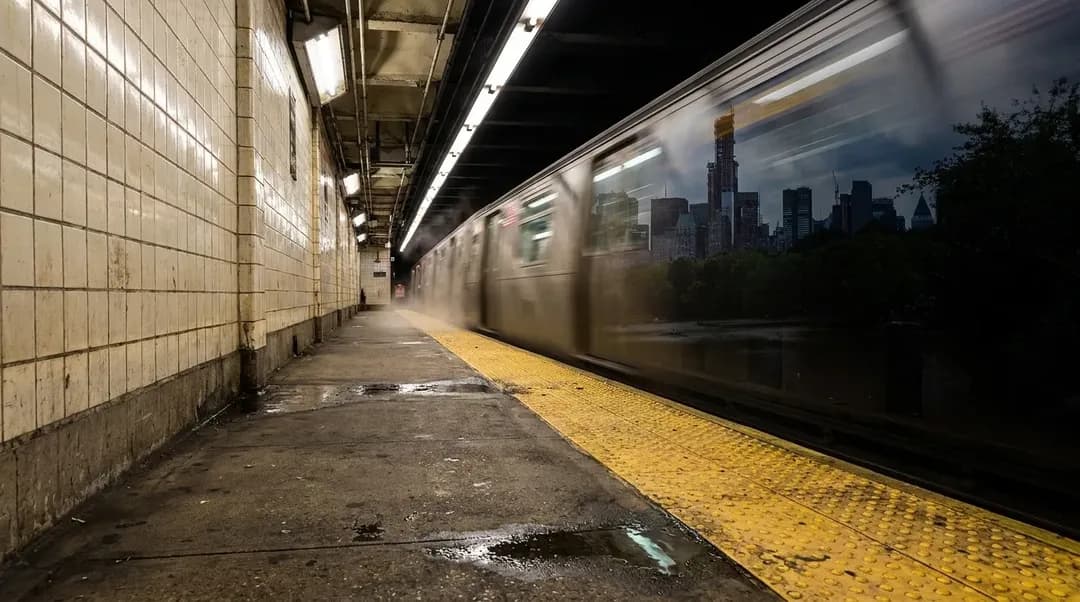
Choose Venues with Clear Price Structures and No Hidden Costs
A cheap night falls apart when you walk into a bar with no cover and discover that beers start at $14 or there's a two-drink minimum you didn't see posted. Before you commit to a venue, check whether it has a cover charge, whether happy hour is still running, and whether there are minimums or table fees. Dive bars with $5 beers exist across the city, but so do places that look casual and charge cocktail-bar prices. If you're planning to eat, confirm that the kitchen is open and that the menu matches your budget. A $12 burger sounds reasonable until you realize sides are extra and tax and tip bring it to $20.
Happy hour windows vary widely. Some bars run specials from 4 to 7 p.m., others go until 8 or 9. If your night starts at 9 p.m., you've missed the window. Plan your arrival time around the deals you want to use, and know that weekends often don't include happy hour specials at all. Warehouse clubs and DIY venues sometimes operate on a sliding scale or suggested donation model—these spaces can offer live music and a full night of programming for far less than a traditional ticketed show, but you need to know the entry policy before you arrive. Guest list options exist for some nightlife venues, but they typically require advance sign-up and have cutoff times. If you're counting on getting in free, confirm the details earlier in the day.
Build in One Anchor Spend and Keep Everything Else Flexible
A night that feels good usually has one moment where you spend intentionally—a great meal, a round of drinks for friends, a ticket to a show—and everything else is structured around that anchor. If you're going to a concert, plan cheaper or free activities before and after. If the anchor is dinner, keep drinks light and skip the appetizers. The mistake is trying to make every part of the night equally significant, which either blows the budget or forces you into a series of compromises that feel like you're rationing fun. One strong experience surrounded by smart decisions creates a better evening than four mediocre ones.
Know what you're willing to skip. If the goal is live music, you don't also need a sit-down dinner—grab a slice or a bodega sandwich before the show and save the meal budget for another night. If the priority is a specific bar or cocktail program, you don't need to start with drinks somewhere else first. Flexibility doesn't mean lack of structure—it means understanding which parts of the evening are negotiable and which aren't. This approach also makes it easier to adapt when plans shift. If your anchor venue is packed or closed unexpectedly, you haven't already spent half your budget getting there, and you still have room to pivot without the night feeling like a loss.
Practical Notes
- Check subway schedules before you leave—last train times vary by line, and night buses don't cover every route efficiently.
- Confirm happy hour windows and cover charges in advance; weekend pricing and policies often differ from weekday deals.
- Choose one neighborhood cluster with multiple venue types within walking distance to avoid transit costs and time loss.
- Start with one free or low-cost experience to set the tone and preserve budget for the parts of the night where you want to spend.
- Build your evening around one anchor spend—a meal, drinks, or a show—and keep everything else flexible or low-cost.
- Save venue addresses and backup options in your phone before you leave; searching mid-night when plans shift wastes time and momentum.
- If you're staying out past 1 a.m., know your late-night transit options or have a rideshare budget set aside as a true last resort.
A cheap night in New York that still feels like the city at its best isn't about luck or knowing hidden spots—it's about decision structure, timing, and understanding how to move through the evening without losing momentum or money. The nights that work are the ones where you've thought through the sequence, locked a fallback, and built in room to adapt when the first plan shifts. The city rewards preparation, and a budget doesn't have to mean a worse experience—it just means being more intentional about where your time and money go.
Tags: #nycnightlife #budgetnightout #nycbudget #cheapnycnight #nycplanning #weekendplans #nyclocal #nightoutnyc #budgetfriendlynyc #nycevening #affordablenyc #nycnightplans #cityonabudget #nyctips
Sources consulted: NYC Nightlife on a Budget: Going Out Without Breaking the · 21 Cheap Things to do in NYC For When You're On A Budget - Time Out · How to see the best of New York City on a budget · 20+ Cheap Date Ideas in NYC That Won't Torch Your Bank Account · NYC On A Budget Guide - NYNightlife · Can you have a full night out in New York City for under ... - Gothamist
All trademarks are the property of their respective owners.
Ask Karpo for more information.
Keep reading
- Places To Eat Near Me in Williamsburg: Smorgasburg's Open-Air Vendors
 Dinner Near Me in the West Village: Buvette's Tiny French Plates
 Best Restaurants Near Me in Midtown: Le Bernardin Holds Three Stars