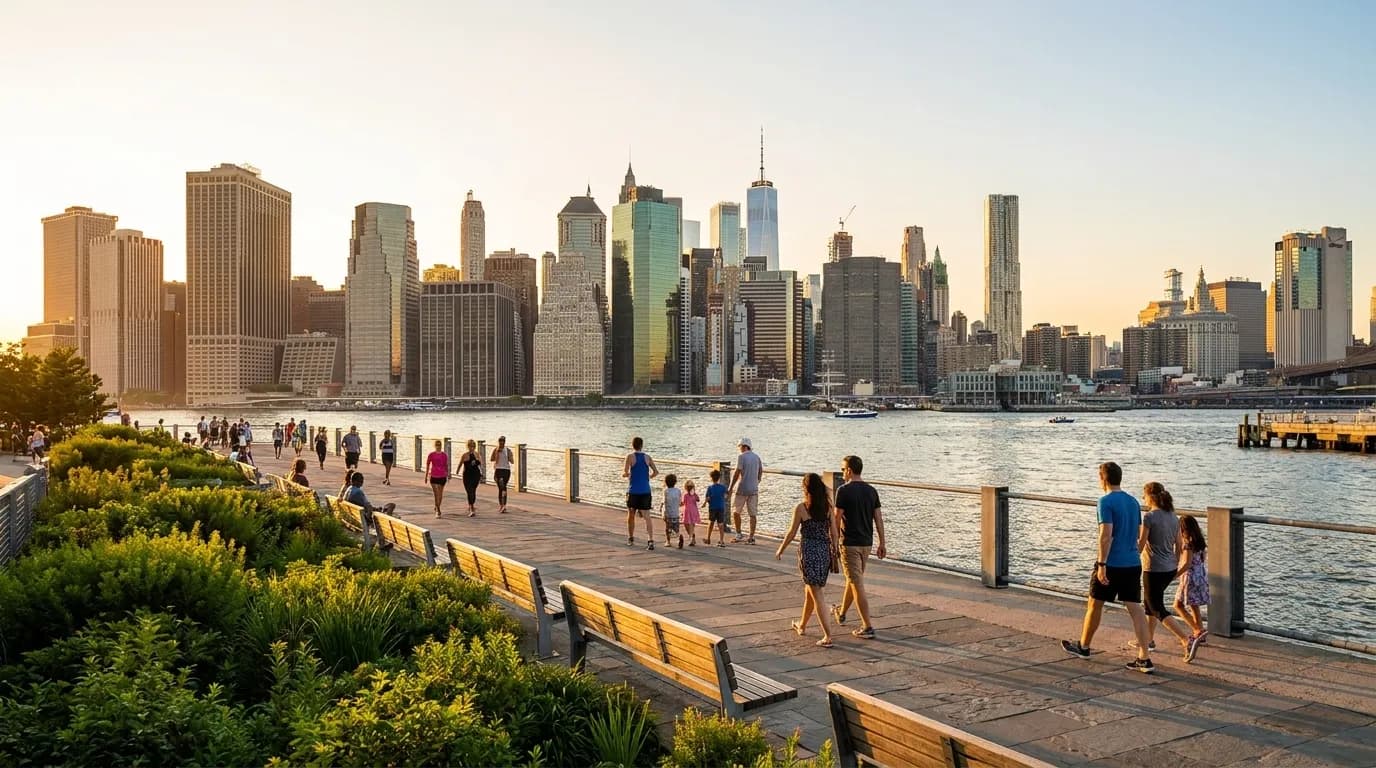
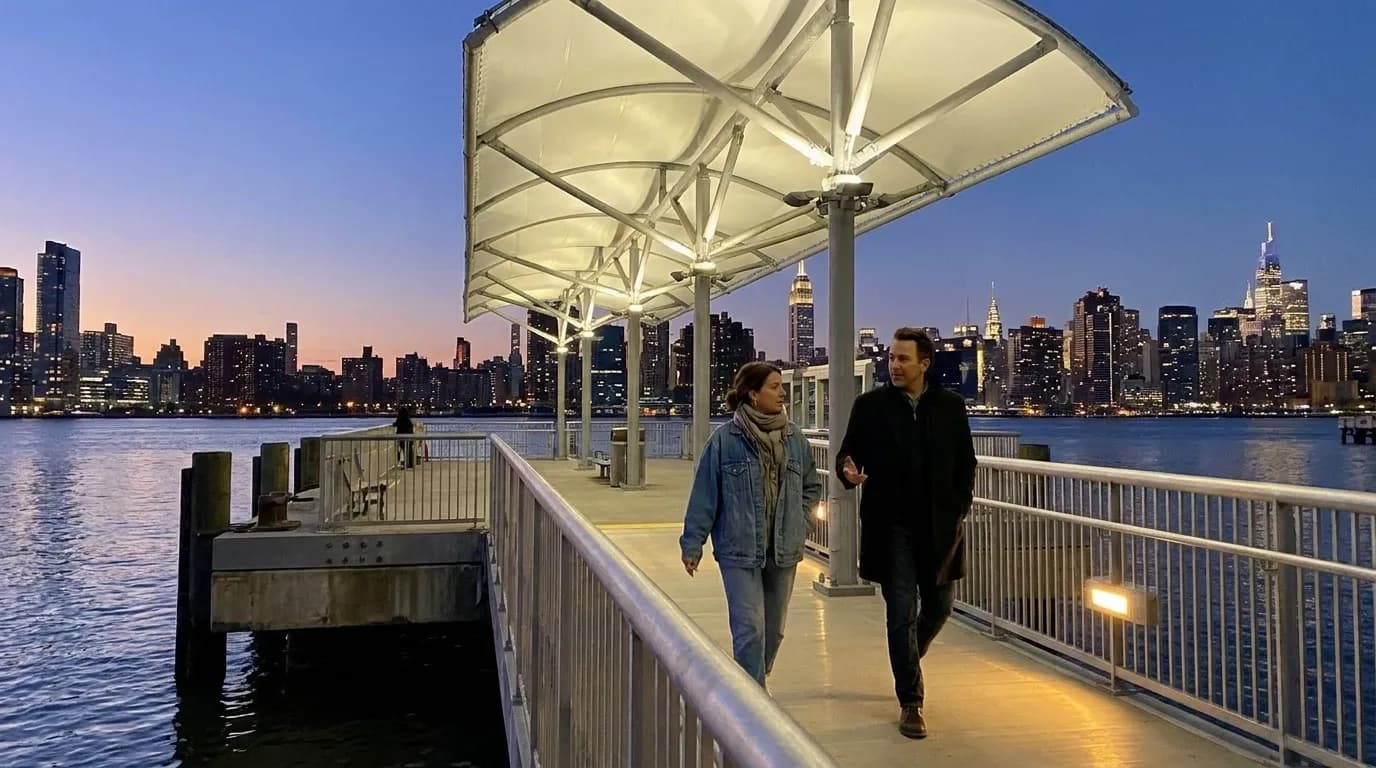
Pairing a waterfront walk with a performance in Brooklyn isn't about squeezing in sightseeing—it's about creating a rhythm that makes the entire evening feel intentional. The waterfront serves as a natural decompression zone, a place to calibrate energy before settling into a theater seat or to process what you just saw while walking off the adrenaline. Brooklyn Bridge Park, Williamsburg's East River promenades, and other accessible stretches offer uninterrupted views and public art installations that don't demand much from you beyond showing up. The challenge is timing: walks that feel leisurely can stretch longer than expected, ferry schedules don't always align with curtain times, and weather along the water shifts faster than it does inland. Locals who do this regularly know it's less about spontaneity and more about building in margin.
Text Karpo at (332) KARPO-NY for Brooklyn show and waterfront pairing recommendations tailored to your schedule and preferred performance spaces.

Deciding Whether to Walk Before or After the Show
The decision to walk before or after a performance depends on the show's start time, your energy baseline, and how much mental space you want between the two activities. Pre-show walks work best for evening performances that start at 8 PM or later—you have daylight or early dusk, the waterfront isn't yet crowded with post-dinner strollers, and you can use the walk to transition from work mode into a more receptive state. Brooklyn Bridge Park's free docent-led tours last roughly 60 to 90 minutes and start from the entrance of Pier 1, finishing near Pier 3. If you're attending a show in DUMBO or near Brooklyn Heights, this tour can serve as a structured pre-show activity, though you'll need to confirm the tour schedule in advance and account for the full duration plus transit time to the venue.
Post-show walks offer a different logic. After sitting still and absorbing a performance, many people need to move and decompress before heading home. The waterfront at night is quieter, and the skyline views become more dramatic once Manhattan's lights are fully up. This approach works especially well after experimental or emotionally dense performances where you want time to process before re-entering normal transit rhythms. The trade-off is that some waterfront sections have limited lighting and fewer open food or drink options after 10 PM, so you're committing to a walk that's more about movement and reflection than amenities. If the performance ends late or you're relying on the last ferry departure, a post-show walk may compress your window too much.
Transit Timing and Ferry Contingencies
Ferry services connect Brooklyn's piers to Manhattan and other boroughs, offering scenic commutes that double as part of the waterfront experience. But ferry schedules don't run as frequently as subway lines, and missing a departure can add 20 to 30 minutes to your trip. If you're planning a pre-show walk that ends with a ferry ride to a performance venue, check the schedule that morning—weekend and evening frequencies differ, and service adjustments happen without much advance notice. Build in at least one buffer departure; if the ferry you planned to catch is the last one that gets you to the venue on time, you're already operating with no margin.
Subway access from Brooklyn Bridge Park and Williamsburg waterfront areas is generally reliable, but the walk from the water's edge to the nearest station can take 10 to 15 minutes depending on which pier or park section you're in. The A and C lines serve High Street–Brooklyn Bridge, the F at York Street, and the L at Bedford Avenue for Williamsburg. If your performance venue is near one of these stops, plan your waterfront route to end at the corresponding access point rather than backtracking. Bike-share stations are distributed along the waterfront and can close the gap between park exits and subway entrances, but dock availability fluctuates, especially during evening rush. Have the app open before you start walking so you can see real-time dock status.
Weather and Seasonal Considerations
Weather along the Brooklyn waterfront shifts faster and feels more extreme than it does a few blocks inland. Wind off the East River can drop the perceived temperature by several degrees, even on days that feel mild in the interior neighborhoods. If you're walking in early spring or late fall, bring a layer you can add or remove—what feels comfortable at the start of a 60-minute walk may not hold up once you're fully exposed on a pier. Summer humidity is intense, and there's limited shade along many promenades, so evening walks are more comfortable than midday ones. Check the hourly forecast before you leave, not just the daily summary, and pay attention to wind speed; gusts above 15 mph make waterfront walks noticeably less pleasant.
Rain contingencies matter more when you're pairing a walk with a timed event. A light drizzle might be tolerable on a solo walk, but if you're arriving at a performance venue damp and uncomfortable, it affects your focus. Covered sections exist—parts of Brooklyn Bridge Park have tree canopy, and some promenades have adjacent buildings that provide temporary shelter—but they're not continuous. If the forecast shows more than a 40 percent chance of rain during your planned walk window, consider shortening the route or shifting to a post-show walk when you have more flexibility to wait out a passing shower. Brooklyn Bridge Park's 2026 event season runs through October and includes outdoor programming, but those events are weather-dependent and can be postponed, so don't assume the park will be active just because an event is listed.
Matching Walk Length to Show Type and Venue Location
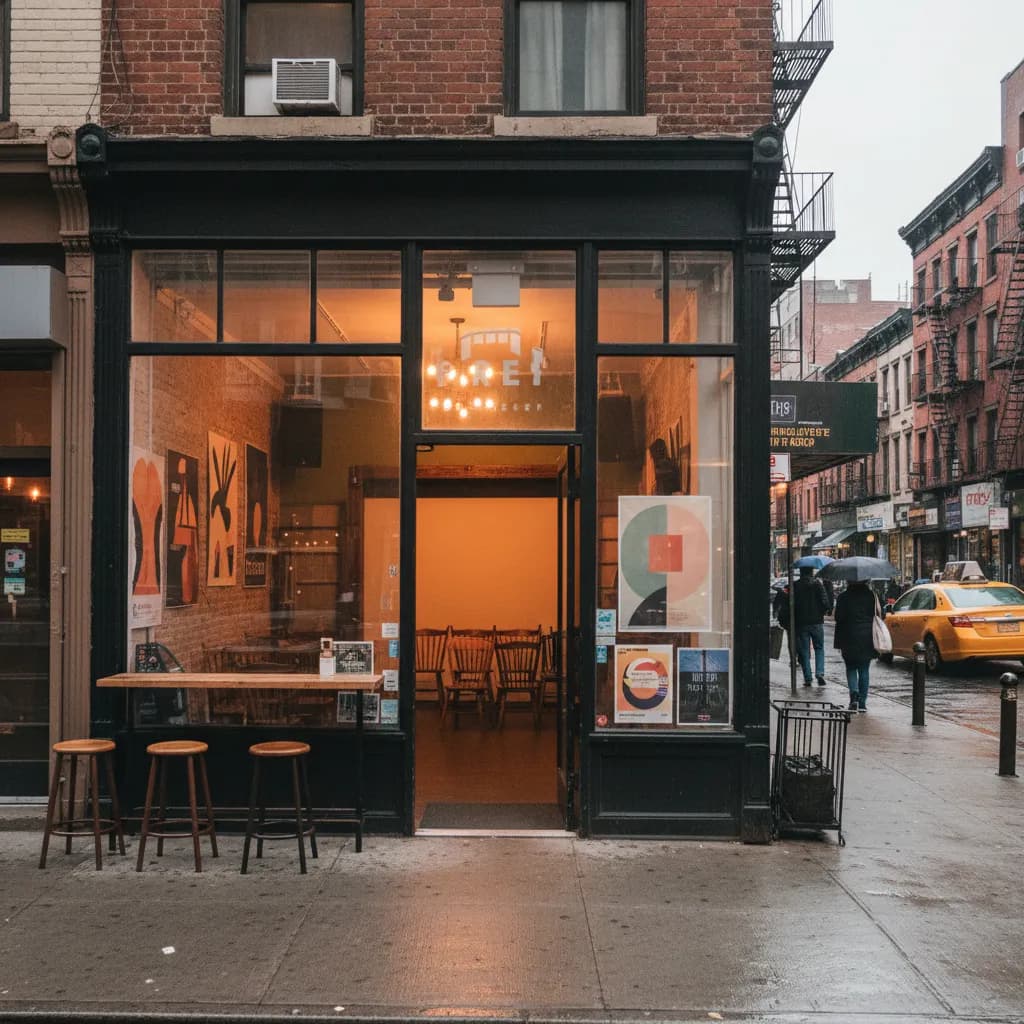
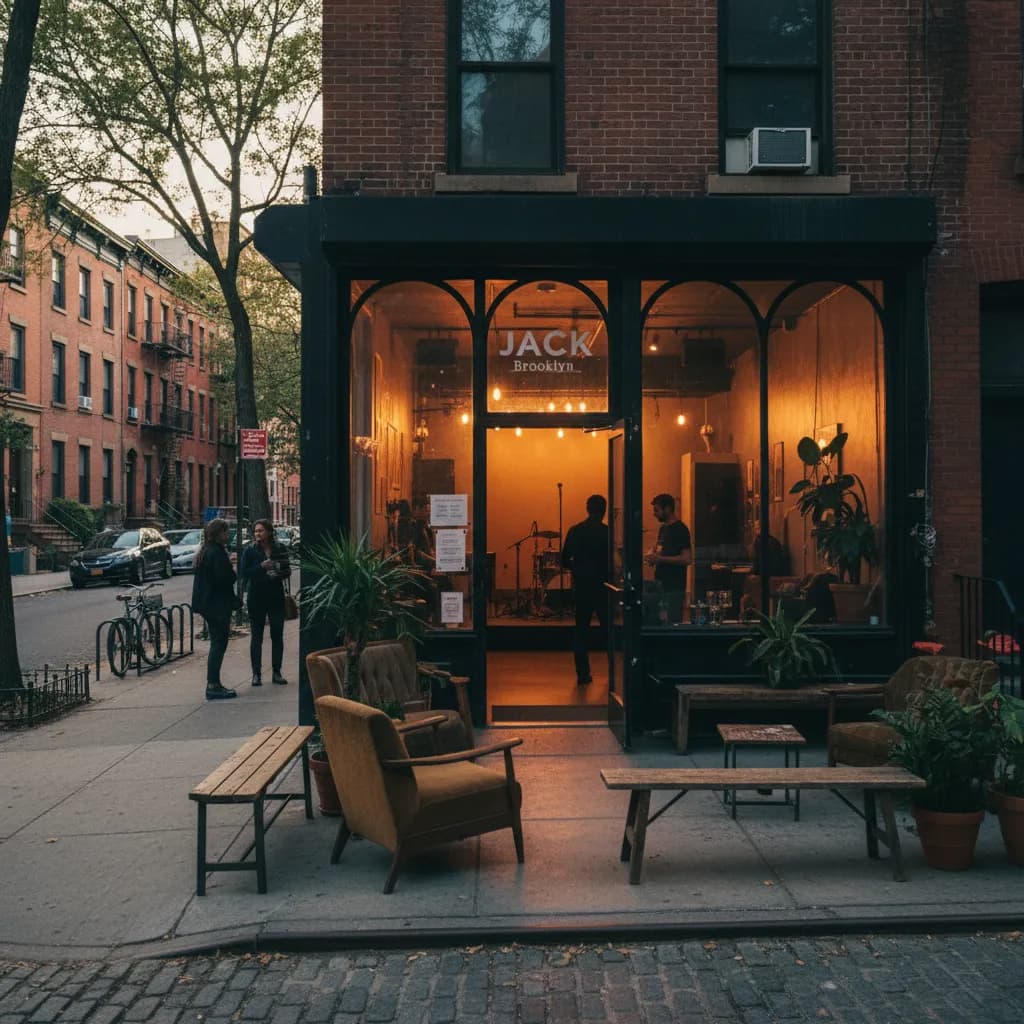
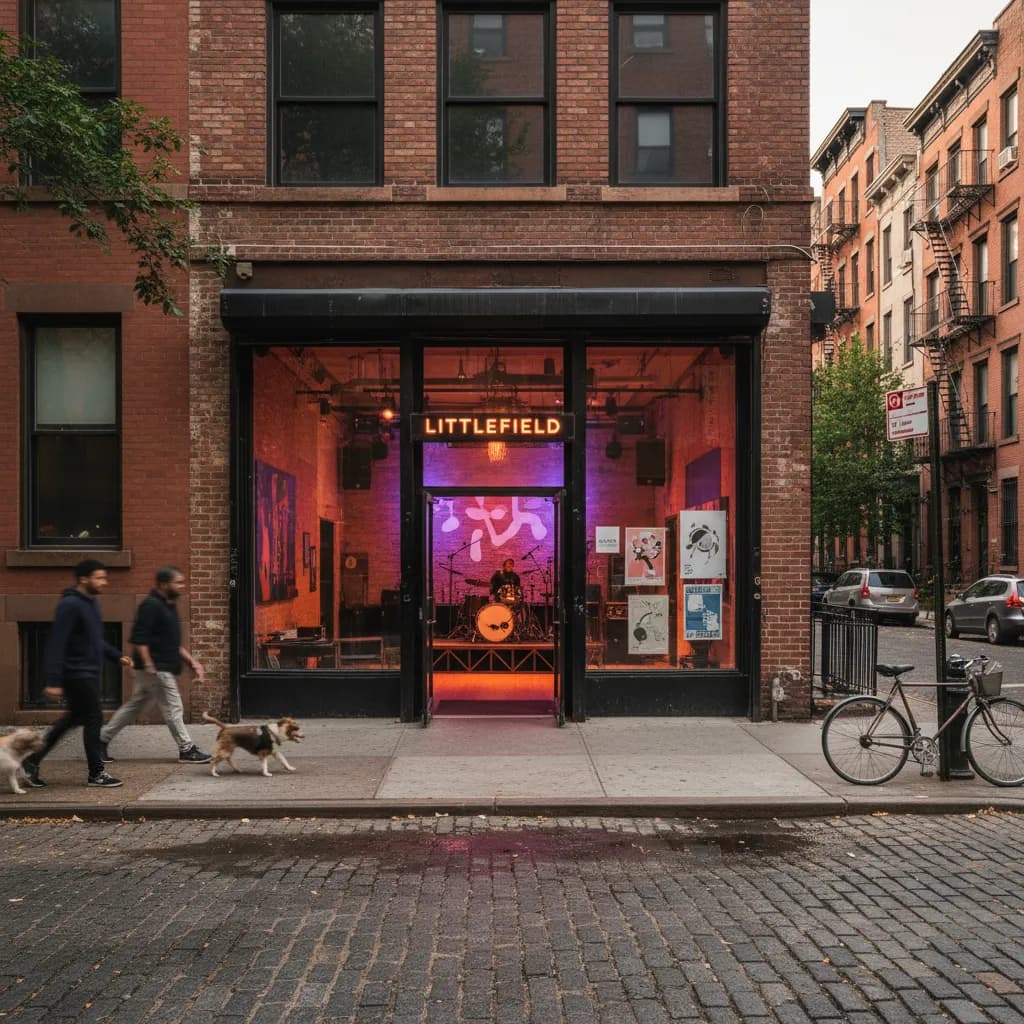
Not all performances benefit from the same type of pre- or post-show walk. Indie performance spaces in Brooklyn—whether they're black-box theaters in Bushwick, converted warehouses in Red Hook, or smaller venues in Williamsburg—often program work that's physically or emotionally demanding. A 90-minute walk before an immersive or participatory show might leave you too tired to engage fully, while a short 20-minute loop can serve as a palate cleanser without draining your reserves. If the performance involves standing, moving, or audience interaction, keep the walk brief and treat it as a warm-up rather than a separate activity.
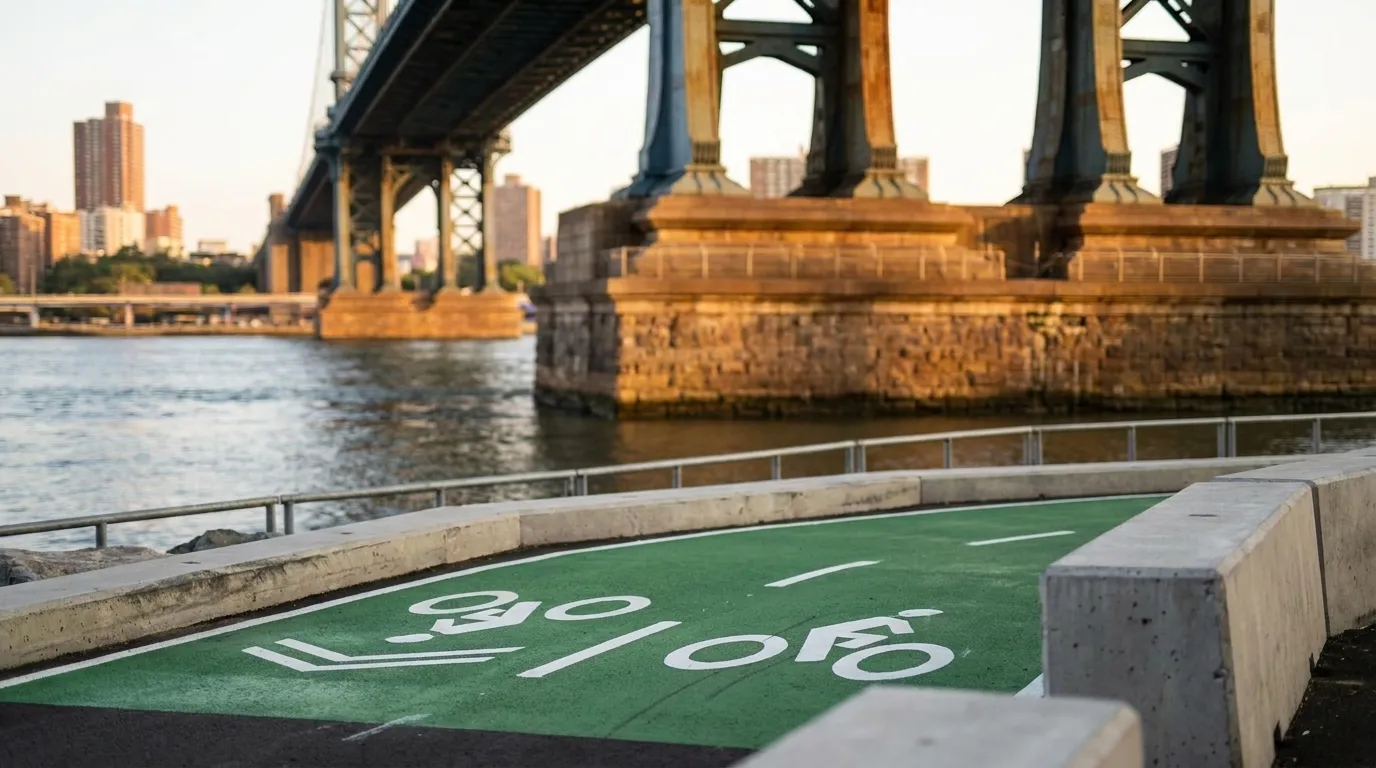
Venue location dictates walk feasibility. DUMBO and Brooklyn Heights venues are within a 10- to 15-minute walk of Brooklyn Bridge Park's main piers, making pre-show waterfront time straightforward. Williamsburg venues near the East River waterfront have direct access to promenades and bike lanes, so you can walk north or south along the shore and loop back without complicated navigation. Red Hook and Sunset Park venues are farther from continuous waterfront paths, and the walk-to-venue connection may involve crossing industrial zones or areas with limited pedestrian infrastructure. In those cases, the waterfront walk functions better as a post-show activity where you drive or take a rideshare to the water after the performance ends, rather than trying to walk from the venue to the shore in the dark.
Practical Notes
- Brooklyn Bridge Park's free docent-led waterfront walks last 60 to 90 minutes, starting from Pier 1 and finishing near Pier 3; confirm tour schedules in advance if using this as a pre-show activity.
- Ferry schedules between Brooklyn piers and Manhattan vary by time of day and day of week; check real-time departures the morning of your outing and plan for at least one buffer departure before your show's start time.
- Wind off the East River can drop perceived temperature several degrees; bring an extra layer for walks in early spring, late fall, or any evening when wind speed exceeds 15 mph.
- Subway access from Brooklyn Bridge Park waterfront areas includes the A/C at High Street–Brooklyn Bridge, F at York Street, and L at Bedford Avenue for Williamsburg; plan your walk route to end near the station closest to your venue.
- Bike-share docks along the waterfront fluctuate in availability during evening hours; open the app before starting your walk to check real-time dock status if you're relying on a bike for the last leg to your venue.
- If rain probability exceeds 40 percent during your planned walk window, consider shortening the route or shifting to a post-show walk when timing is more flexible.
- Match walk length to show type—keep it under 30 minutes before immersive or physically demanding performances to avoid arriving tired.
Pairing a waterfront walk with a Brooklyn show works when you treat both as parts of a single plan rather than two separate activities you're trying to fit together. The waterfront gives you space to shift gears, and the performance gives the walk a sense of purpose beyond exercise or sightseeing. The margin you build in—extra time for transit, a backup ferry departure, a shorter route if weather turns—is what keeps the evening from feeling rushed or compromised. Locals who do this regularly don't aim for perfect timing; they aim for enough flexibility that a delayed train or a longer walk doesn't cascade into stress. The payoff is an evening that feels layered and intentional, where movement and stillness balance each other out.
Tags: #brooklynwaterfront #brooklynbridgepark #dumbobrooklyn #williamsburgwaterfront #brooklynshows #indieperformance #nyctheater #waterfrontwalks #brooklynevening #eastriverview #nycferries #brooklynlocal #performanceart #brooklynculture
Sources consulted: Waterfront Walks - Brooklyn Bridge Park · Waterfront Walks - Brooklyn Bridge Park · How to Experience Brooklyn's Waterfront and Neighborhoods: The Ultimate ... · Ultimate Guide to Williamsburg, Brooklyn: Waterfront Parks, Food, Art ... · Brooklyn Waterfront Guide: Parks, Food & Active Transit
All trademarks are the property of their respective owners.