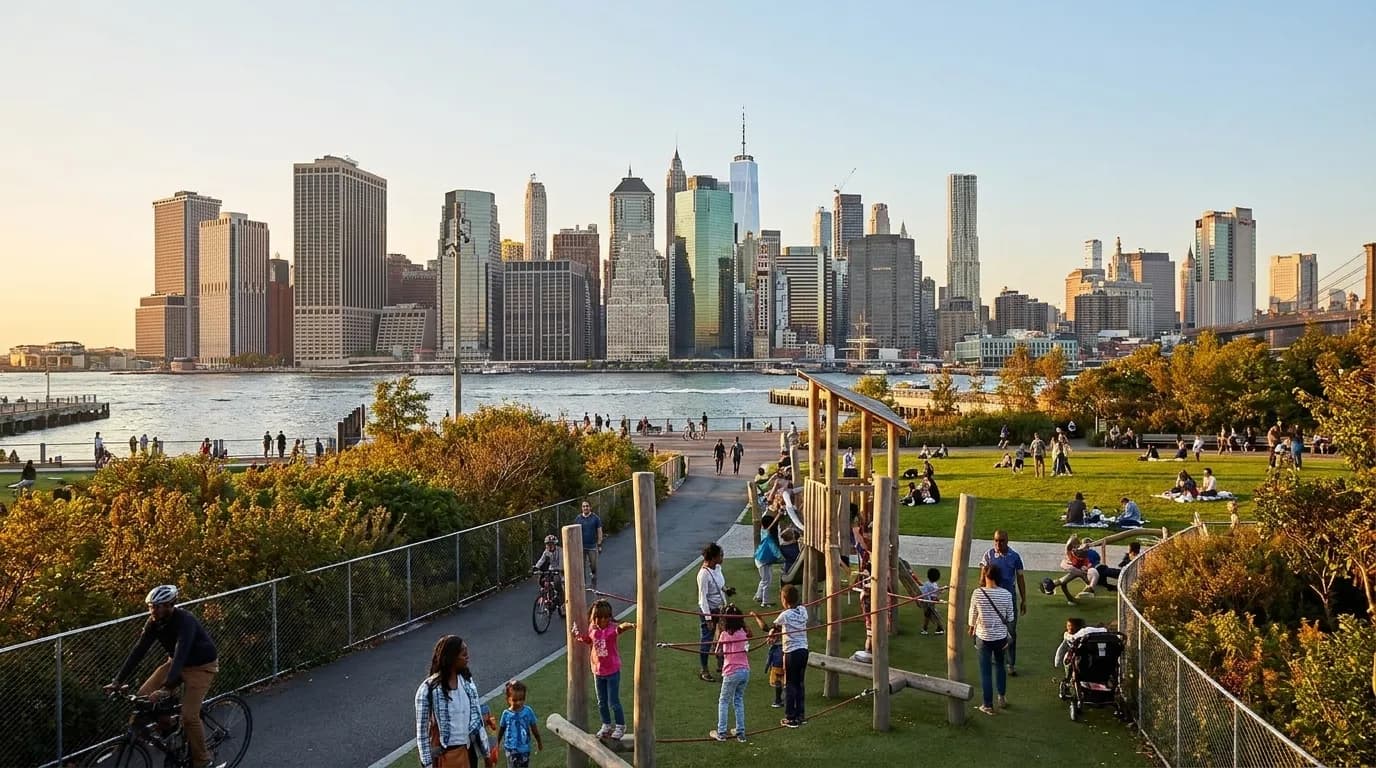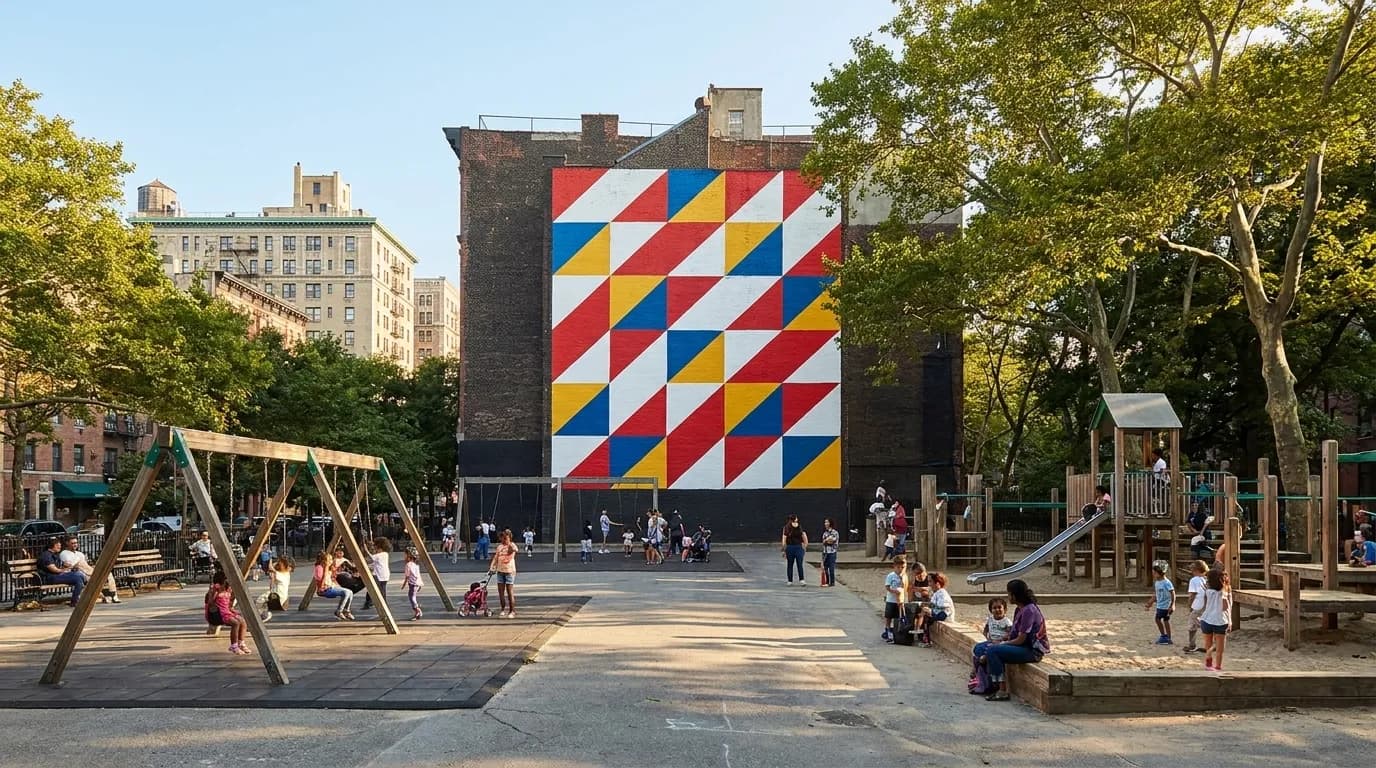
Pairing a museum visit with a playground stop is standard Manhattan family choreography, but the order matters more than most visitors realize. Starting with the museum when your child is fresh means you can use the playground as an energy release afterward, while leading with outdoor play can burn off restlessness before asking for indoor focus. Either way, the pairing only works when you treat both stops as parts of one outing, accounting for bathroom access, snack timing, and the walk or subway ride between them. Many museum-playground combinations sit within a ten-minute walk of each other, but that distance expands quickly with a stroller, a meltdown, or an unexpected closure, so knowing your backup options and your exit strategy before you leave home keeps the day from unraveling.
Text Karpo at (332) KARPO-NY for routing help that accounts for your stroller, your subway line, and the weather forecast.

Choosing the sequence: playground first or museum first
The playground-first approach works best when your child wakes up with high energy or when you're visiting a museum that requires sustained attention. Burning off physical restlessness before entering a gallery means you're less likely to spend the museum visit managing constant requests to leave. This sequence also gives you flexibility: if the playground visit runs long or the weather turns, you can skip the museum without feeling like you wasted the trip. The downside is that a tired, sweaty child may resist transitioning indoors, and you'll need to plan for a snack and a cooldown period before entering the museum. If the museum has a coat check or bag policy, arriving post-playground with sandy shoes and damp clothes can complicate entry.
Museum-first sequencing is the more common Manhattan approach because it takes advantage of morning alertness and avoids the risk of skipping the cultural component entirely. Starting indoors also means you can control the duration: if your child loses focus after thirty minutes, you leave for the playground with the museum visit already complete. The challenge is that a restless child may not give you the focus you hoped for, and if the museum is crowded or the exhibits are overstimulating, you may end up at the playground earlier than planned with less energy left for outdoor play. Weather plays a bigger role here—if it rains after your museum visit, the playground stop disappears unless you have an indoor backup.
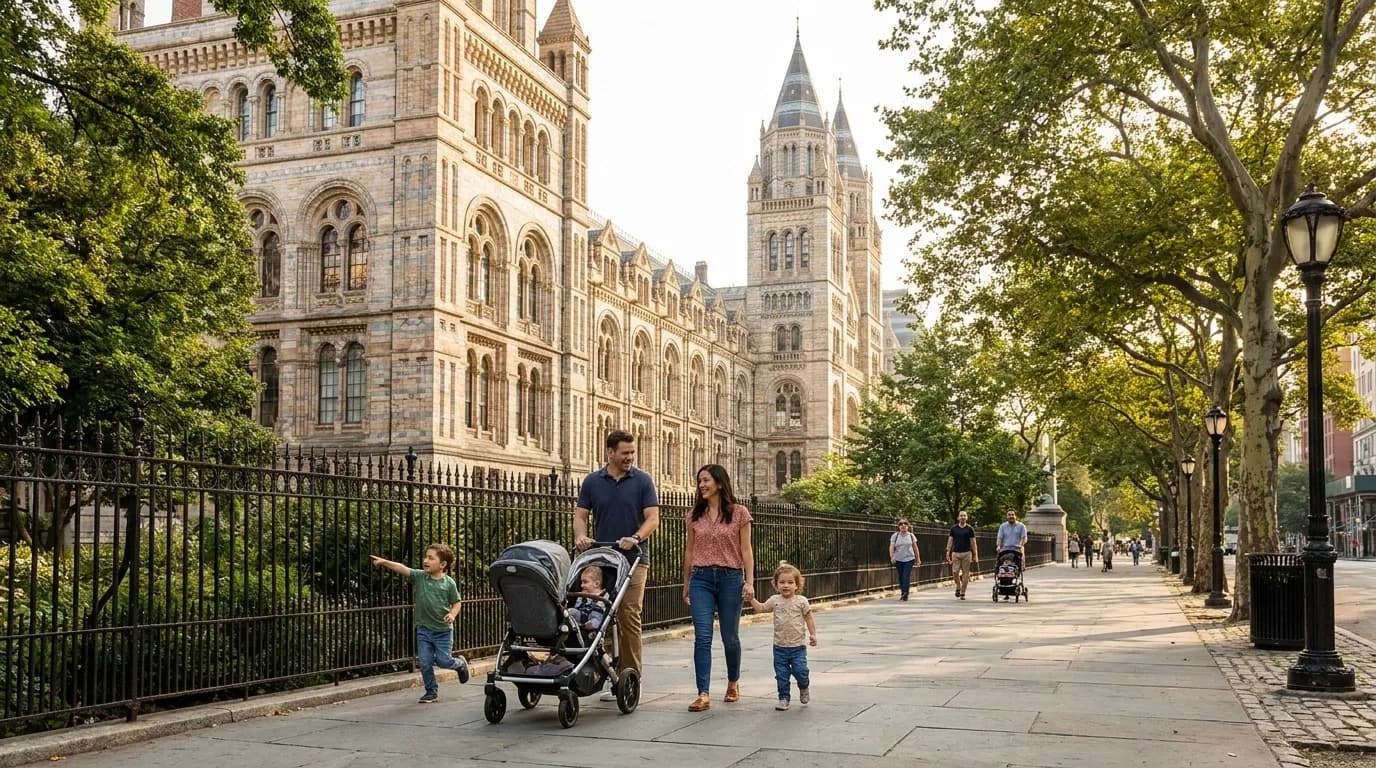
Distance, transit, and the walk between stops
Most successful museum-playground pairings keep the walk under ten minutes, but that estimate assumes dry pavement, a cooperative child, and no stroller complications. A playground that looks close on a map may require crossing a busy avenue, navigating subway stairs without an elevator, or walking through a park entrance that's farther from your museum exit than you expected. The Children's Museum of Manhattan and Central Park's western playgrounds form a natural pairing because the walk is flat and the park entrances are clearly marked, but even that combination requires checking which playground is closest to your museum exit—some families assume they'll use the nearest Central Park playground and end up walking an extra avenue because they didn't confirm the entrance beforehand.
Subway routing matters more when you're pairing museums and playgrounds in different neighborhoods. If you're visiting the American Museum of Natural History and plan to head to a downtown playground afterward, you'll need to account for the subway ride, the likelihood of needing a bathroom before or after the train, and whether your child will tolerate the trip. Choosing a station that keeps your walk to the museum manageable is essential, and planning a break in nearby Central Park before or after your visit can prevent the meltdown that derails the rest of the day. Families staying near the Upper West Side or pairing the day with the Museum of Natural History are often better served by a west-side route, while families combining the park with Fifth Avenue have a natural east exit strategy.
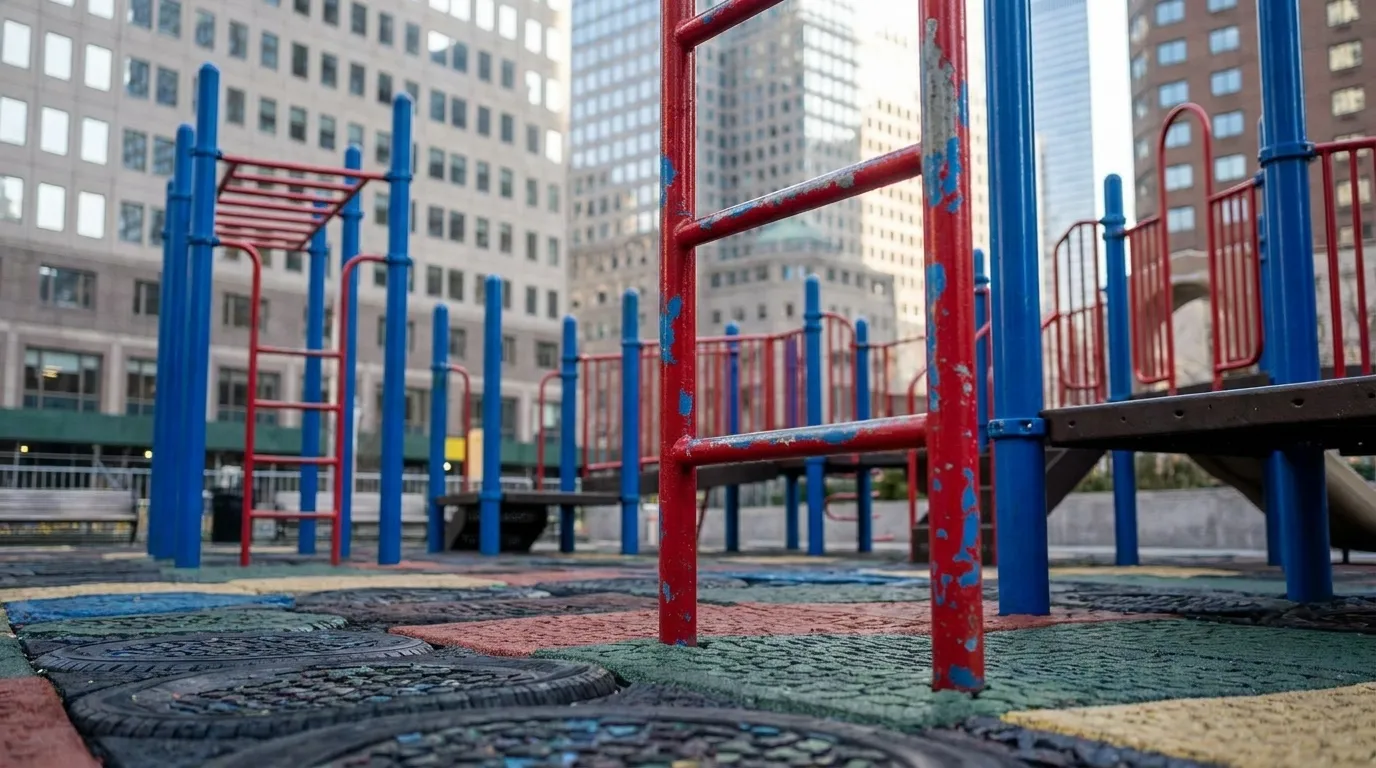
Bathroom, snack, and rest logistics
The bathroom question determines whether your pairing is realistic. Museums with family restrooms and accessible changing tables—like the Children's Museum of Manhattan—make the transition easier, but many Manhattan museums have restrooms that require navigating stairs, waiting in line, or leaving the gallery floor entirely. If your child needs a bathroom between the museum and the playground, you'll need to know where the nearest public restroom sits, and in many Manhattan neighborhoods, that means a library, a park comfort station, or a café that tolerates non-customers. Planning your route with bathroom stops in mind prevents the panic that comes from realizing your child can't wait and you're three blocks from the nearest option.
Snack timing is the other variable that separates a smooth pairing from a chaotic one. If you're doing playground-first, you'll likely need a snack before entering the museum, which means either packing food or knowing where to buy something quickly. If you're doing museum-first, the playground visit may extend longer than you planned, and you'll need a snack strategy that doesn't require leaving the park or cutting the play session short. Some families pack a full picnic and treat the playground as the meal stop, while others plan a café visit between the two stops. Either approach works as long as you're not trying to improvise a snack solution while managing a hungry, tired child in an unfamiliar neighborhood.
Weather, closures, and backup plans
Weather changes everything. A pairing that works perfectly on a mild spring morning falls apart in July heat or January wind, and the playground component becomes either unbearable or impossible. Checking the forecast before you leave home is obvious advice, but the real decision is whether you have a backup plan if the weather turns. Some families treat the playground as optional and build the day around the museum, while others prioritize outdoor time and choose museums that can be skipped without disappointment. If you're visiting from out of town or coordinating with another family, the pressure to execute both stops regardless of weather can lead to a miserable experience, so knowing which component matters more to your group helps you make the call when conditions aren't ideal.
Closures and unexpected changes are the other reason backup plans matter. Playgrounds close for maintenance, museums have special events that limit access, and the exhibit you planned to see may be temporarily unavailable. If you're building your day around a specific museum-playground pairing and one component is unavailable, you'll need to know your alternatives quickly. For visiting families, the best Manhattan playground is usually the one near the thing you already came to see: a museum, a park entrance, a waterfront walk, or a lunch stop. That logic works in reverse—if your planned playground is closed, the museum visit can still anchor the day, and you can find a different outdoor space nearby. The families who handle disruptions best are the ones who researched two or three playground options before leaving home, not the ones trying to search for alternatives on their phone while standing on the sidewalk.
Practical Notes
- Check museum websites for family guides or scavenger hunts that help structure the visit before you arrive.
- Confirm playground hours and any posted closures the morning of your visit—maintenance schedules change.
- Pack wipes, a change of clothes, and a small first-aid kit if your child is prone to scrapes or spills at playgrounds.
- Identify the nearest subway station with elevator access if you're using a stroller, especially for museum exits.
- Plan your snack stop before you're hungry—most Manhattan playgrounds don't have food vendors nearby.
- Bring a light blanket or mat if you're planning a picnic-style break between the museum and playground.
- Download offline maps for the neighborhood in case your phone signal drops in a subway station or park interior.
Museum-playground pairings work because they balance the demands of a Manhattan family day—cultural enrichment, physical activity, and the practical need to keep everyone fed, rested, and reasonably happy. The sequence you choose, the distance you're willing to walk, and the backup plans you build into your day determine whether the pairing feels effortless or exhausting. The families who make these outings look easy aren't lucky; they're the ones who checked the museum's family restroom policy, confirmed the playground's location relative to the subway exit, and packed snacks before anyone asked for them.
Tags: #manhattanwithkids #nycfamilylife #museumandplayground #nycparenting #manhattanplaygrounds #familymuseums #nycwithtoddlers #centralparkfamilies #museumvisit #playgroundstop #nycfamilyday #manhattanfamilies #kidsinnyc #nycoutdoorplay
Sources consulted: NYC Playgrounds Near Museums | Easy Family Outing Ideas · Best Playgrounds Near Museums in NYC - NYC Playground Guide · A Guide to NYC Museums and Nearby Playgrounds | MTA Away · Manhattan With Toddlers - Visit Manhattan · Traveling with Kids on New York City Public Transit: A Parent's Guide · Best Manhattan playgrounds for visitors - NYC Playground Guide
All trademarks are the property of their respective owners.