Building a solo reading-room-and-coffee route in Manhattan is a distinctly local habit—not a tourist itinerary, but a personal infrastructure project that requires testing, adjustment, and honest assessment of what each location actually delivers. The appeal is clear: a circuit of spaces where you can read undisturbed, work quietly, or simply sit with a book and good coffee without performance or interruption. But the execution is harder than it looks. Manhattan's density means that even promising spots can fail on outlet availability, noise enforcement, or seating policies during peak hours. The difference between a sustainable route and a frustrating series of rejections often comes down to understanding how these spaces actually function, not just where they are.
Text Karpo at (332) KARPO-NY to get real-time updates on outlet availability, seating policies, and quiet-hour windows at Manhattan reading rooms and cafés as conditions change.

Why Enforcement Matters More Than Atmosphere
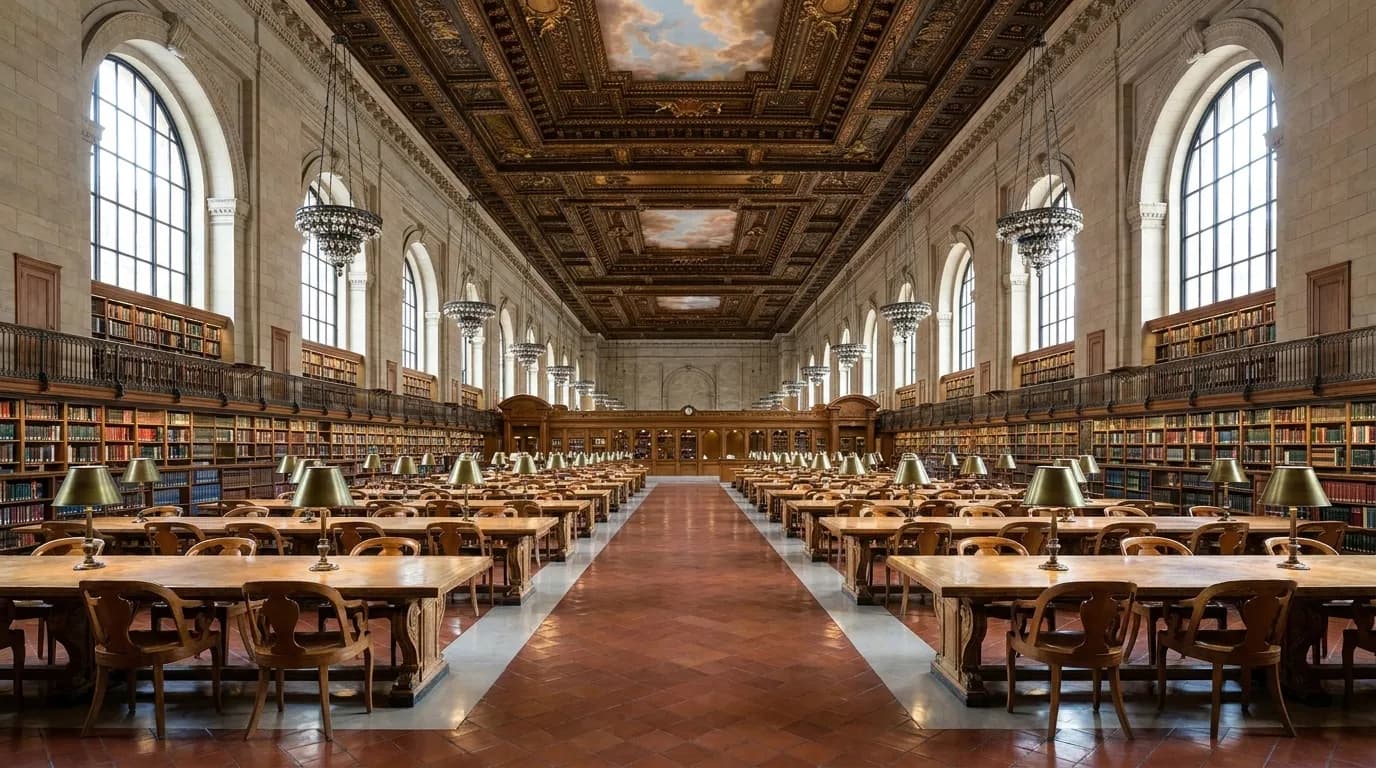
The Rose Main Reading Room at the New York Public Library on Fifth Avenue delivers what most Manhattan spaces only promise: genuine enforced silence in a setting designed for sustained concentration. According to verified study-spot documentation, the Rose Main Reading Room provides "absolute enforced silence" and remains "tourist-free during weekdays," making it the anchor point for any serious reading route. Enforcement is the operative word. Many Manhattan cafés and libraries claim to be quiet, but without staff willing to address noise violations, those claims dissolve during afternoon rushes or weekend crowds. The Rose Main Reading Room works because silence is a condition of entry, not a suggestion. If your route depends on actual quiet rather than ambient café noise, you need to identify which locations have similar enforcement protocols and which simply hope for the best.
This distinction shapes your entire route. If you're building a circuit that includes both enforced-silence reading rooms and laptop-friendly cafés, you need to sequence them according to your energy and task requirements. Deep reading or focused writing belongs in enforced-silence environments; lighter tasks, email, or casual reading can tolerate café-level noise. The mistake many people make is treating all "quiet" spaces as interchangeable. They're not. A café that tolerates conversation is fundamentally different from a reading room that ejects talkers, and your route should reflect that difference rather than fight it.
Outlet Reality and the Infrastructure Problem
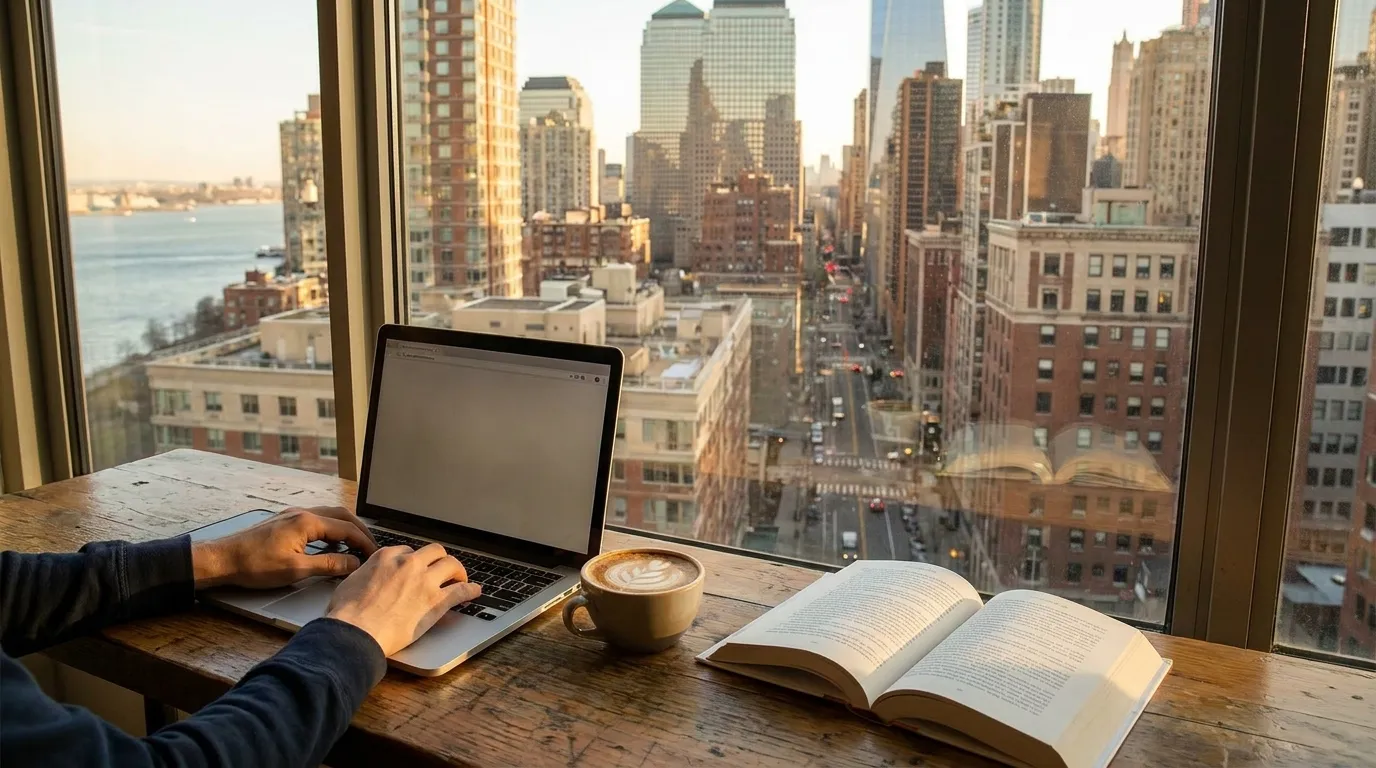
Outlet availability is the second structural constraint that determines whether a reading-and-coffee route actually works. Study-spot resources consistently emphasize "real wifi and outlet info" as critical factors, because a location without accessible power becomes unusable after your device dies—typically within three to four hours for most laptops. Manhattan cafés face a specific infrastructure challenge tied to older building electrical systems and the high power demands of commercial espresso equipment. As detailed in specialty coffee shop guidance, "high-end espresso machines like La Marzocco or Slayer require significant power and, more importantly, incredibly precise water quality to function correctly." This means that many smaller cafés are already operating near their electrical capacity, leaving limited power for customer outlets.
When you're scouting locations for your route, check outlet placement during your first visit. Outlets along walls are often controlled by different circuits than those near the espresso bar, and some cafés disable certain outlets entirely during peak hours to prevent breaker issues. The practical implication: you need backup locations within walking distance of each primary spot, because outlet availability can change day to day based on equipment use and crowd size. A sustainable route includes at least one library or reading room with guaranteed power—typically institutional spaces with modern electrical infrastructure—and treats café outlets as conditional rather than reliable. This redundancy prevents the common failure mode where your entire afternoon collapses because one location's outlets are occupied or non-functional.
Timing Windows and the Weekday Advantage
Timing is the third variable that separates functional routes from theoretical ones. The Rose Main Reading Room's "tourist-free during weekdays" status illustrates a broader pattern: Manhattan's best reading spaces operate on weekday rhythms that differ sharply from weekend conditions. Weekday mornings between 9 AM and 11 AM offer the most reliable seating and outlet access across both libraries and cafés, before lunch crowds and afternoon laptop workers arrive. If you're building a route that spans multiple locations, starting early allows you to claim a good spot at your anchor location—typically the enforced-silence reading room—then rotate to cafés during midday hours when you need a break from total quiet.
The afternoon window between 2 PM and 4 PM is the most contested period across Manhattan. Cafés see post-lunch laptop workers settling in for long sessions, and libraries experience after-school and early-evening arrivals. If your route requires moving between locations during this window, build in extra transit time and have alternative spots ready. Weekend timing follows different logic entirely: libraries see family traffic and tourist volume, while cafés often fill with social groups rather than solo workers. If you're planning weekend route days, consider shifting your schedule earlier—weekend mornings before 10 AM often provide better conditions than weekend afternoons, when both tourists and locals converge on the same spaces.
Transit Checks and Weather Contingencies
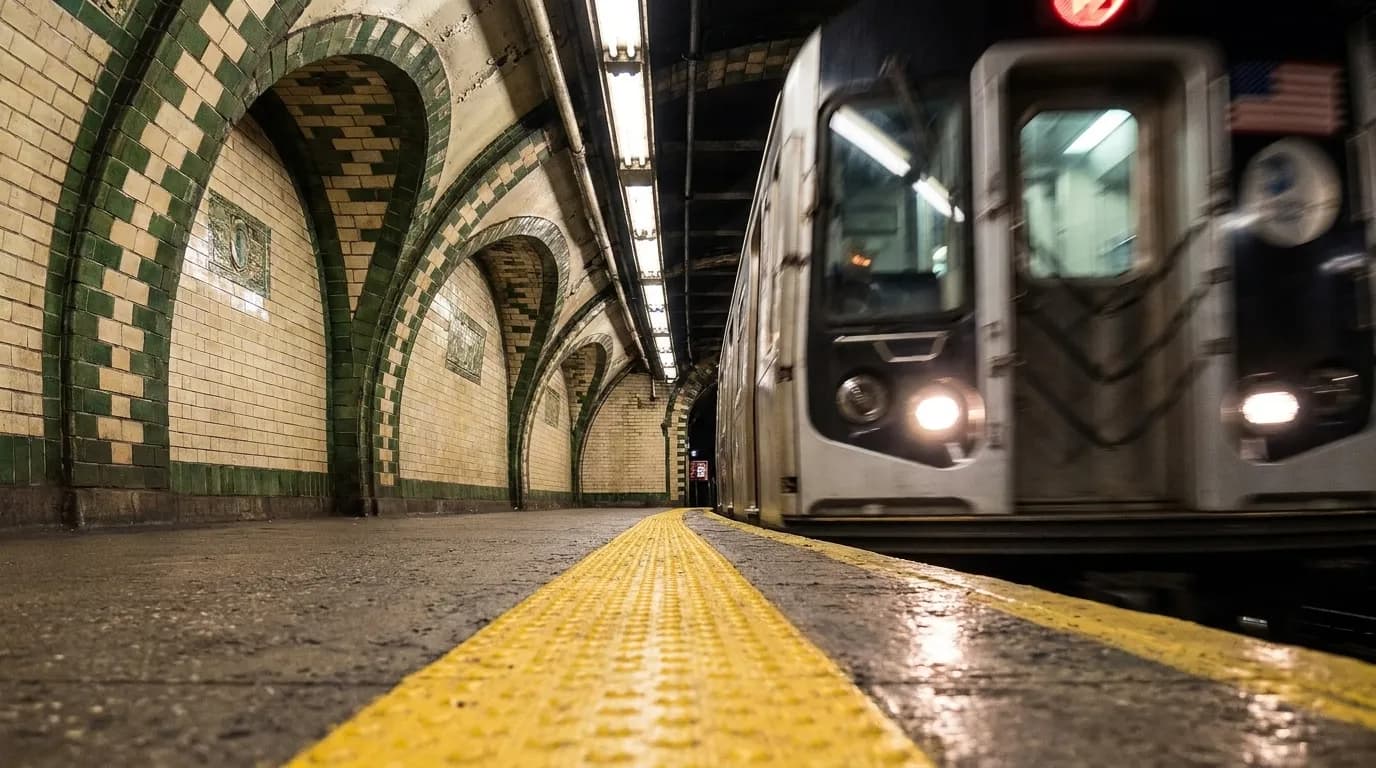
A reading-and-coffee route only works if you can actually move between locations without losing momentum. Manhattan's subway system provides the backbone for any multi-location route, but service changes, delays, and weekend work can collapse your timing. Before committing to a route that spans, say, Midtown to the Upper West Side, check current MTA service status and identify which train lines serve your chosen locations. A route that depends on a single subway line becomes fragile; a route with multiple transit options stays functional even when one line experiences delays. Walking segments between locations should be realistic—fifteen minutes or less in good weather—because longer walks in rain or summer heat will discourage you from maintaining the route over time.
Weather contingencies matter more than most people anticipate when they're designing routes on sunny spring days. Manhattan's outdoor dining program, established through DOT's Dining Out NYC regulations, has expanded café seating options, but those outdoor spaces become unusable during rain, extreme heat, or winter cold. If your route includes cafés with primarily outdoor seating, you need indoor backup options within the same neighborhood. Similarly, library reading rooms can become overcrowded during extreme weather when people seek climate-controlled spaces. The most resilient routes include at least one all-weather anchor location—typically a large library with ample indoor seating—and flexible secondary spots that you can swap based on conditions. This redundancy prevents the frustration of arriving at a location only to find it's unusable due to weather or unexpected crowding.
Practical Notes
- Test your complete route on a weekday before relying on it regularly; weekend conditions differ significantly in both crowd density and noise levels
- Bring a backup battery pack rated for at least one full device charge, since outlet access remains unpredictable even at locations that typically have available power
- Check MTA service status before leaving, especially on weekends when planned work can eliminate entire subway lines from your route options
- Scout café seating policies during your first visit—some locations enforce purchase-per-hour expectations or limit laptop use during peak periods
- Build your route with at least one enforced-silence anchor location and two to three café alternatives to maintain flexibility when your first choice is full
- Plan walking segments between locations for fifteen minutes or less in normal weather; longer distances discourage route maintenance over time
- Keep a running note of which outlets work at each location, since café electrical systems can be inconsistent and certain outlets may be disabled or non-functional
A sustainable solo reading-and-coffee route in Manhattan is less about discovering hidden gems and more about understanding the structural realities that make certain spaces work consistently. Enforcement policies, electrical infrastructure, timing windows, and weather contingencies all determine whether your route remains functional over weeks and months or collapses after a few frustrating attempts. The goal isn't perfection—it's building a circuit with enough redundancy and flexibility that you can maintain the habit even when individual locations disappoint. That resilience comes from testing, adjustment, and honest assessment of what each space actually delivers rather than what you hoped it would provide.
Tags: #manhattanreading #nyccoffeeshops #solonewyork #readingroutenyc #laptopfriendlycafes #nyclibraries #quietspacesmanhattan #localnewyork #manhattanlocals #readinghabit #coffeeandbooksnyc #nycstudyspots #manhattaninfrastructure #solonyc
Sources consulted: 13 Quiet Study Spots in Manhattan (Libraries, Hidden Cafes & Actual ... · The Definitive Guide to Opening a Specialty Coffee Shop in NYC · 12 Best Study Spots in Manhattan — Libraries, Cafés & Late Options ... · 15 Best Places to Study in NYC (That Actually Have Outlets and Quiet) · New York City Transit Guide - NYC Moov
All trademarks are the property of their respective owners.