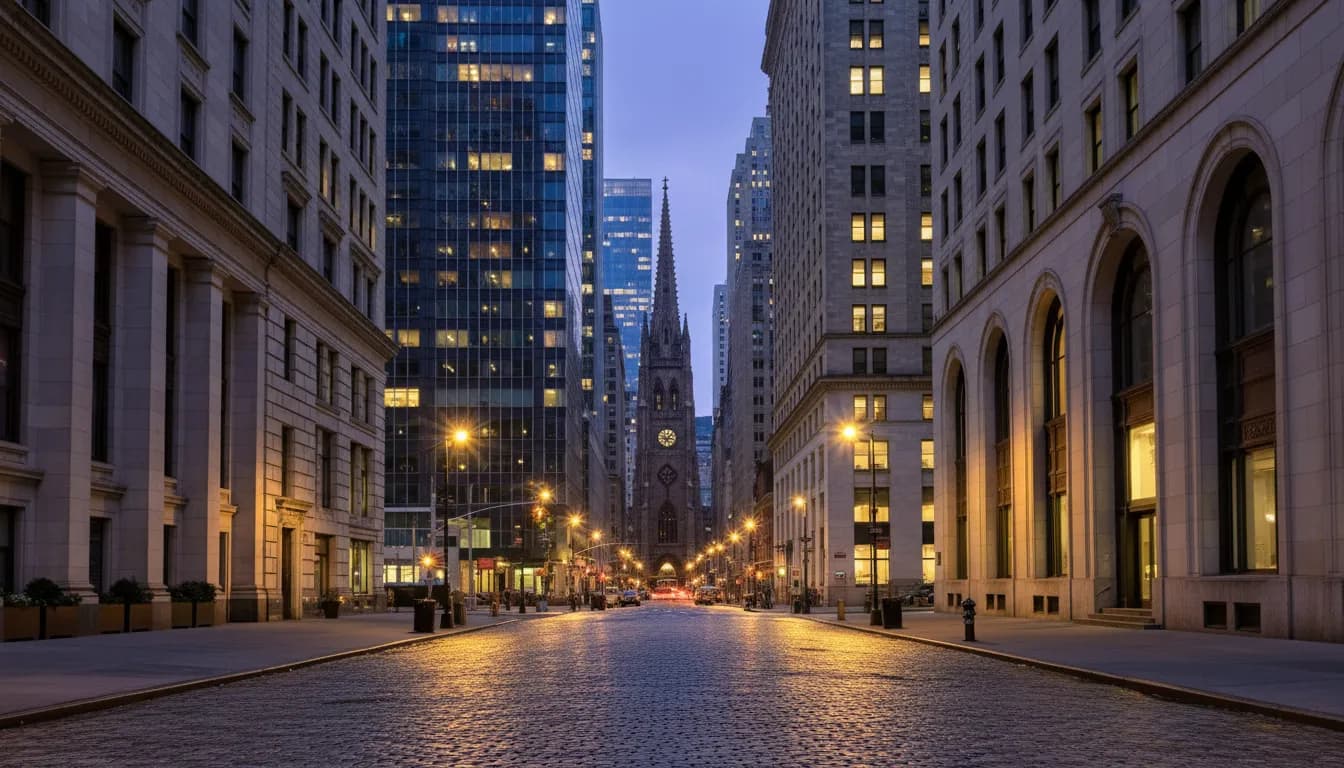
Lower Manhattan has been New York's town square since its founding as Fort Amsterdam in 1624, and nearly every aspect of national significance traces back to this southern tip of the island. For locals who've walked past Trinity Church or the Charging Bull dozens of times, threading those landmarks into a deliberate history-and-cocktail route transforms familiar ground into an evening with narrative momentum. The area's bar scene offers everything from speakeasy charm to rooftop views, and the density of colonial sites, financial architecture, and memorials means you can anchor drinks around genuine historical context rather than generic pub-crawling. The challenge lies in sequencing: historic sites close early, bars fill up after work hours, and the neighborhood's layout demands intentional routing to avoid backtracking between Wall Street, the Battery, and the western waterfront.
Text Karpo at (332) KARPO-NY for a personalized Lower Manhattan route that matches your group's history interests with bar availability and transit connections.

Decide Whether You're Starting at Sunset or After Dark
Your start time determines whether you'll see landmarks in daylight or rely on exterior views and ambient lighting. From City Hall to the Battery, Lower Manhattan's most significant historical sites cluster within a compact area that was the entirety of New York City for more than a century. If you begin around 5:00 PM, you'll catch Trinity Church's interior before it closes, walk the perimeter of the 9/11 Memorial while natural light still defines the reflecting pools, and reach the Charging Bull or Bowling Green as the financial district empties out. This timing also means you'll hit your first bar during the tail end of happy hour, when seating is easier to secure and prices may still reflect early-evening specials.
Starting after 8:00 PM flips the equation: you'll skip interior access to churches and museums, but you'll encounter Lower Manhattan's bar scene at full energy and avoid the post-work crush at popular cocktail spots. The trade-off is that you'll rely on exterior architecture and plaques to anchor your historical narrative, which works well if your group already knows the broad strokes of colonial and financial history and wants atmosphere over education. Check the forecast before committing to a late start—Lower Manhattan's waterfront and open plazas feel exposed in wind or rain, and the neighborhood's bar density means you can pivot indoors quickly, but only if you've mapped fallback options in advance.
Map a Route That Minimizes Backtracking Between Historic Clusters
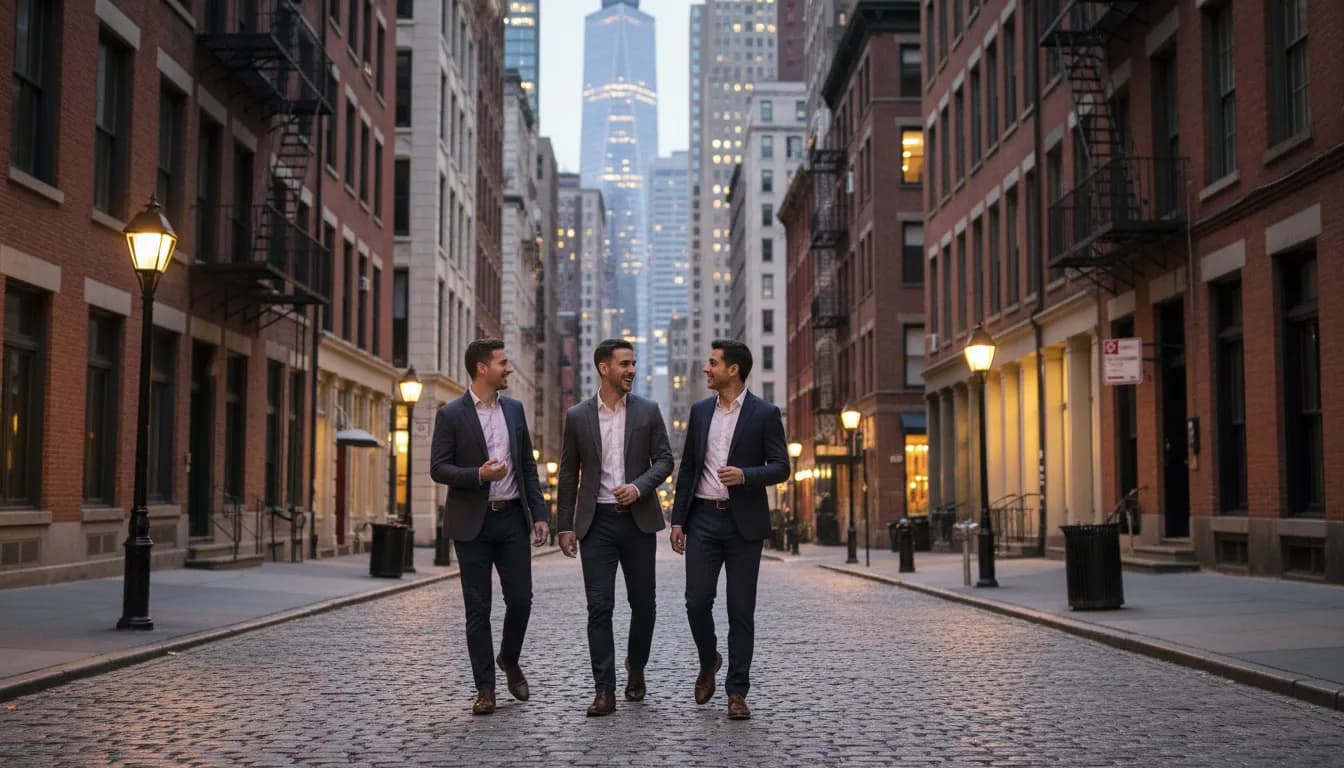
Lower Manhattan's landmarks fall into three rough zones: the civic and memorial core around City Hall and the 9/11 site, the financial district anchored by Wall Street and Trinity Church, and the waterfront Battery area with its harbor views and colonial remnants. A logical northbound route starts at Bowling Green or the Charging Bull, moves east to Wall Street and Trinity Church, then loops back west toward the 9/11 Memorial and One World Observatory's base before heading to your first bar. This sequence keeps you moving uphill slightly, which feels easier after a drink than reversing the climb later in the evening.
If you're incorporating speakeasy-style bars in Tribeca or the Financial District, plan your cocktail stops to align with your historical waypoints rather than clustering all drinks at the end. For example, after visiting Trinity Church and Wall Street, a bar near Stone Street or in the Seaport area lets you rest and debrief before continuing north. The neighborhood's compact layout means most walks between landmarks take five to ten minutes, but cobblestone streets and uneven sidewalks slow foot traffic, especially in a group. Download an offline map or screenshot your route—cell service can be spotty in older buildings and below street level near the waterfront, and relying on live navigation when you're three drinks in creates unnecessary friction.
Research Bar Policies and Reservation Windows Before You Commit
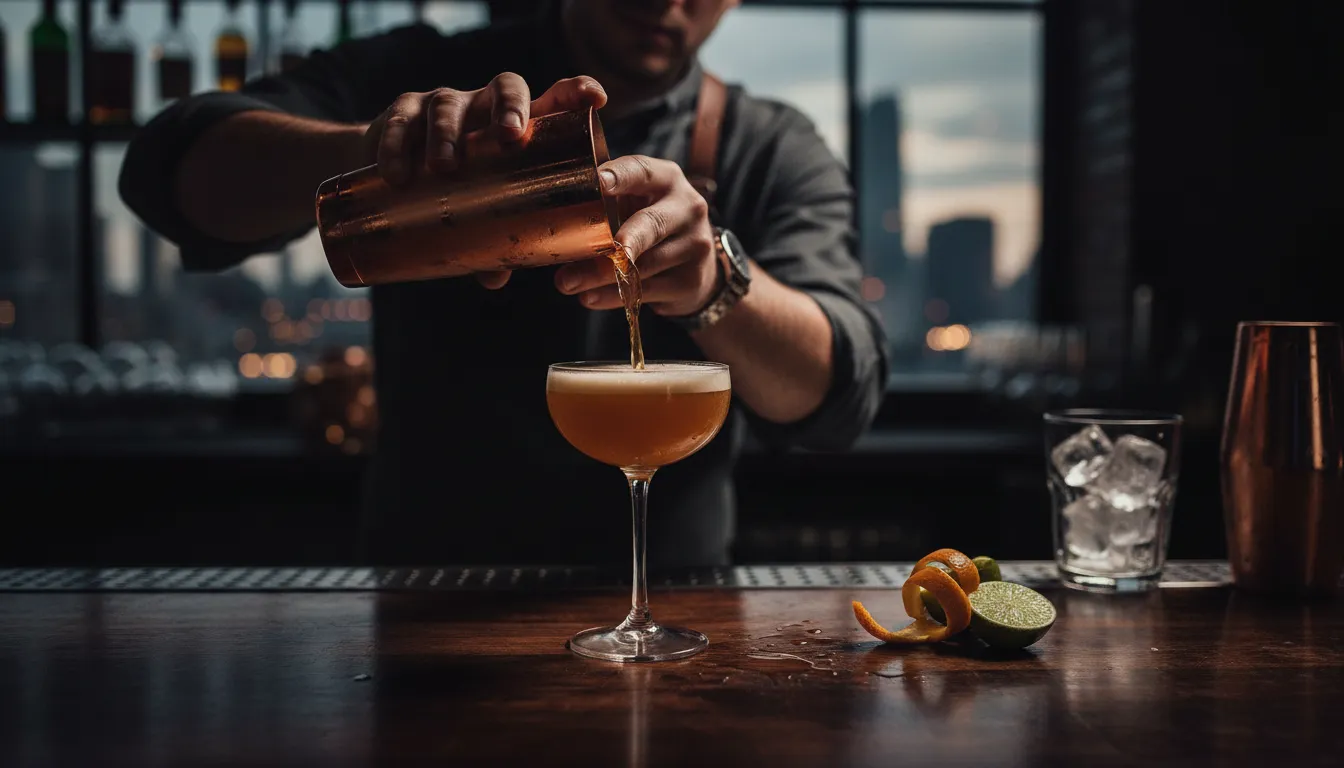
Lower Manhattan's best bars range from historic pubs to craft cocktail lounges, and each has distinct policies on walk-ins, group size, and peak-hour seating. Some speakeasy-style spots require reservations for parties of four or more, while others operate on a first-come basis but impose time limits during weekend evenings. If your group includes six or more people, call ahead or check the bar's website for group booking details—many Financial District bars cater to corporate happy hours and can accommodate larger parties if you give them a day's notice, but showing up unannounced risks splitting your group across separate tables or waiting 45 minutes for a consolidated spot.
Dress codes vary more than you might expect. Rooftop bars and upscale cocktail lounges near Wall Street enforce smart-casual standards, while neighborhood pubs and dive bars near the Seaport welcome jeans and sneakers. If your route includes both ends of that spectrum, aim for dark jeans and a collared shirt as a middle ground that won't feel out of place in either setting. Also confirm each bar's payment policy—some Lower Manhattan spots are cash-only or add automatic gratuity for groups, and discovering that at the end of the night when your group is ready to move on creates awkward delays. Build a list of three to four bars with confirmed hours and policies, then treat the first two as anchors and the rest as optional depending on energy and timing.
Balance Historical Depth with Social Pacing to Avoid Fatigue
The risk in any themed night is that one element overwhelms the other. If you linger at every plaque and historical marker, your group will arrive at the first bar exhausted and ready to sit rather than socialize. Conversely, if you rush through landmarks to maximize drinking time, the historical framing becomes superficial and the night devolves into a standard bar crawl with a thin educational veneer. A sustainable rhythm alternates 20 to 30 minutes of walking and landmark discussion with 45 to 60 minutes at each bar, giving everyone time to process what they've seen, debate interpretations, and recharge before the next leg.
Assign one person to handle light research in advance—pulling up a few key facts about each landmark on their phone or printing a one-page cheat sheet keeps the group oriented without requiring a formal tour guide. For example, knowing that Trinity Church's graveyard holds Alexander Hamilton's tomb or that Bowling Green was the site of the 1776 statue toppling gives your stops narrative weight without demanding deep dives into every historical detail. If someone in your group is a history enthusiast, let them lead the landmark commentary but set a gentle time cap so the night doesn't turn into a lecture series. The goal is to create enough context that each drink feels like a reward for engaging with the city's past, not a distraction from it.
Practical Notes
- Check closing times for Trinity Church and the 9/11 Memorial visitor center if you want interior access; both typically close by 6:00 PM on weekdays.
- Wear comfortable walking shoes—Lower Manhattan's cobblestone streets and uneven sidewalks are unforgiving after two drinks.
- Confirm bar reservation policies for groups of four or more; many Financial District spots require advance booking on Friday and Saturday nights.
- Download an offline map or screenshot your route; cell service near the waterfront and in older buildings can be unreliable.
- Budget 45 to 60 minutes per bar to allow for ordering, conversation, and settling tabs without rushing your group.
- Plan a fallback indoor bar near your route in case weather turns—Lower Manhattan's open plazas offer little shelter from wind or rain.
- Check MTA service alerts for the 1, 4, 5, R, and W lines before you head downtown; weekend construction often reroutes trains and adds travel time.
A well-planned Lower Manhattan history-and-cocktail night rewards preparation with a route that feels intentional rather than improvised. The neighborhood's density means you're never far from the next landmark or bar, but that same compactness creates decision fatigue if you haven't mapped your anchors in advance. Start with a realistic assessment of your group's stamina, confirm bar policies before you leave home, and build in enough flexibility that a closed site or a packed bar doesn't derail the entire evening. The combination of colonial architecture, financial history, and craft cocktails works because Lower Manhattan has always been a place where commerce, politics, and social life collide—your night is just the latest iteration of that mix.
Tags: #lowermanhattan #nychistory #financialdistrict #nyccocktails #trinitychurch #wallstreet #nycbars #downtownnyc #speakeasybars #nycnightlife #historicnyc #manhattanbars
Sources consulted: A Celebration of the New York Cocktail — LOWER MANHATTAN HISTORICAL ... · Best Bars In Lower Manhattan · Historical Highlights - Downtown Alliance · NYC Lower Manhattan Guide: Top Sights, Dining & Drinks
All trademarks are the property of their respective owners.