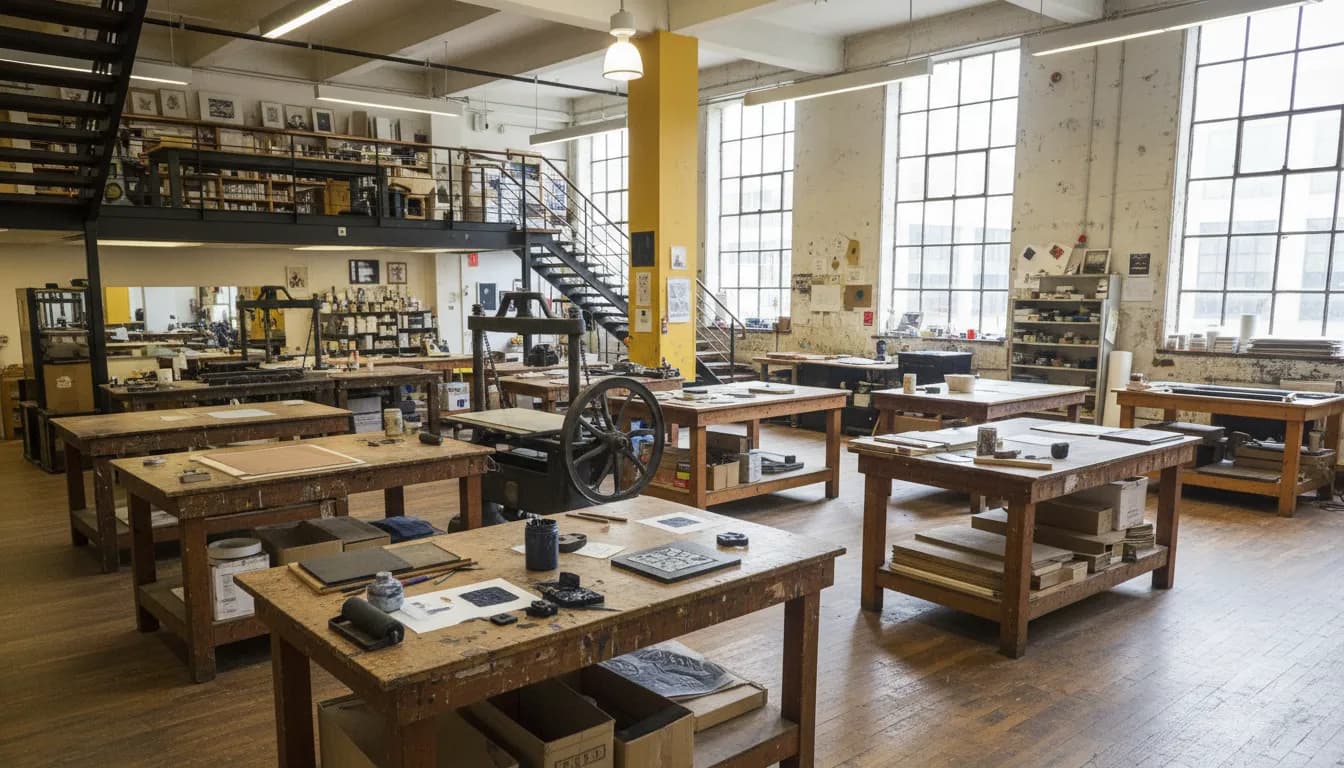
A printmaking or collage class sounds like the ideal antidote to another round of drinks and forced conversation, but not every workshop is built for date night. Some studios run intensive eight-week programs designed for serious skill-building, while others offer drop-in evenings where you carve a block, pull a few prints, and leave with something tangible in two hours. The difference matters when you're trying to balance learning something real with keeping the mood light. Drawing Room describes printmaking as meditative—you carve, then feel a small thrill peeling back the block—and notes that the format works for solo afternoons, date nights, or weeknight friend hangouts. That rhythm of focused work punctuated by small reveals is what makes these classes different from passive entertainment, but it also means you need to know what you're signing up for before you book.
Text Karpo to get a curated list of printmaking and collage studios that match your schedule, skill level, and whether you want a single session or a longer commitment.

Single-Session Workshops Versus Multi-Week Commitments
The most immediate decision is whether you want a one-off evening or a series that builds skills over time. ClassBento lists single-session collage workshops in the East Village where you cut, paste, and leave with finished art after a guided assignment. Drawing Room offers an eight-session printmaking intensive that covers relief, drypoint, and monoprint techniques with a group of up to sixteen people, using a professional press and quality papers. The Art Annex in Brooklyn runs a six-session class exploring the intersection of collage and printmaking, focusing on hand-painted papers and unique compositions. If this is a first or second date, a single evening keeps the stakes manageable and gives you an easy exit if the chemistry isn't there. If you're already comfortable together and genuinely curious about the medium, a multi-week format lets you develop a shared project and see progress beyond beginner exercises.
Multi-week classes also mean coordinating schedules across several weeks, which can be tricky if either of you travels for work or has irregular hours. Single-session workshops are easier to fit into a busy month, but they compress instruction into two or three hours, so expect less depth and more guided demonstration. The Art Annex's six-week collage and printmaking hybrid offers middle ground—enough time to experiment without the full commitment of Drawing Room's eight-week intensive. Check cancellation policies before you book; some studios require advance notice or charge fees if you miss a session in a series, which adds pressure if plans change.
Technique Choices and What They Demand
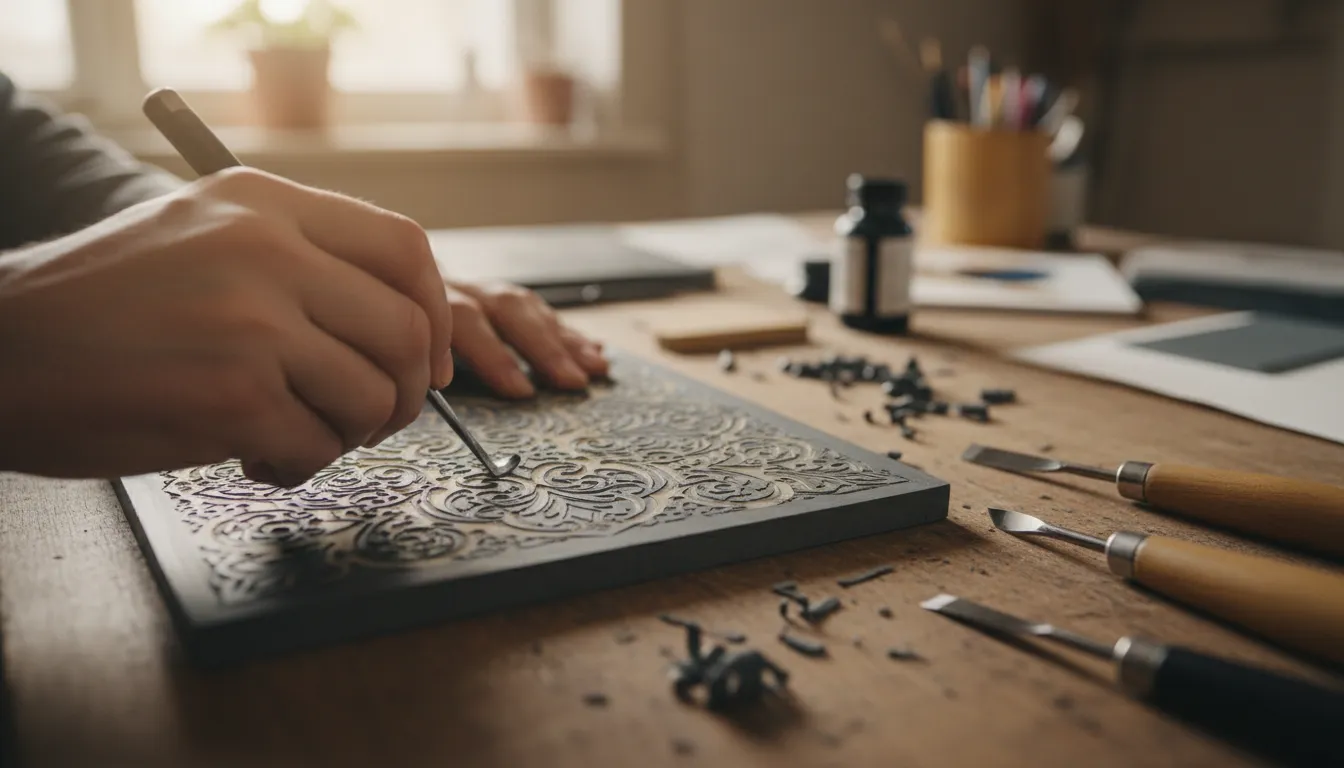
Printmaking encompasses relief printing, drypoint, monoprint, collagraphy, cyanotype, and more, each with different physical demands and learning curves. The 92NY printmaking class teaches five techniques through hands-on projects, including relief printing, nature printing, monoprint, collagraphy, and cyanotype, while also covering the historical context and tools. Relief printing—carving into linoleum or wood—requires sustained hand pressure and can be physically tiring if you're not used to repetitive carving motions. Drypoint involves scratching directly into a plate, which is less strenuous but demands precision. Monoprint techniques are faster and more forgiving, making them better for a first session when you want immediate results. Lower East Side Printshop offers a chine-collé weekend workshop that combines drypoint with collaging techniques, running four hours per day with optional studio time included in the fee.
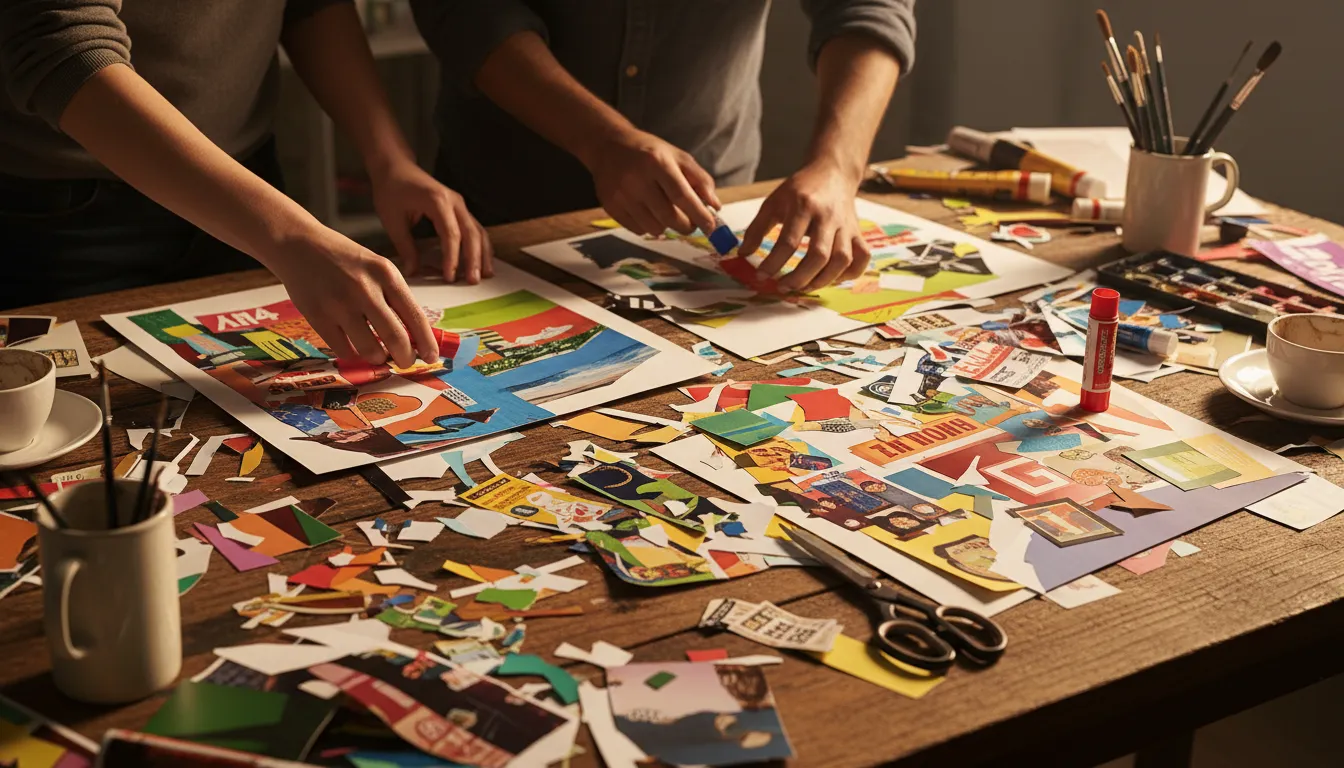
Collage classes are generally less physically demanding and more improvisational. Manny Cantor Community Center offers mixed media classes that include silk screen printing, printmaking, drawing, illustration, and collage, allowing students to bring their own creative ideas and work across mediums. If one of you is more craft-inclined and the other prefers open-ended composition, collage offers more flexibility than relief printing, where the process is more linear. Ask the studio whether materials are provided or if you need to bring imagery—some collage workshops supply magazines and papers, while others encourage you to bring personal photos or found materials, which can make the evening feel more personal but also requires advance prep.
Studio Culture and Group Dynamics
Class size and instructor style shape the experience more than the technique itself. Drawing Room's eight-session intensive caps at sixteen people, which means you'll share equipment and wait for press time. Robert Blackburn Printmaking Workshop operates as a co-operative workspace providing professional-quality facilities to artists and printmakers of every skill level, but its open-studio model assumes some independence and comfort navigating a shared space. Art Students League offers printmaking classes described as a survey of traditional and contemporary techniques with a focus on open studio time, welcoming beginning to advanced printmakers who come with their own imagery and ideas. If you're both beginners, a smaller class with more hands-on instruction will feel less intimidating than an open studio where experienced printmakers are running their own projects alongside you.
Some studios cultivate a social atmosphere with music and casual conversation, while others emphasize quiet focus. If you're hoping the class will spark conversation, look for workshops that build in critique or sharing time at the end. If you'd rather work side by side without forced interaction, open studio formats or larger classes give you more anonymity. Drawing Room's description of printmaking as meditative suggests a quieter environment, which can be a relief if you're tired of loud bars but might feel awkward if you're still in the getting-to-know-you phase. Check whether the studio serves wine or snacks—some do, which softens the vibe, but others maintain a more serious workspace culture.
Practical Logistics That Affect the Evening
Timing matters more than you'd expect. Evening classes typically run two to three hours, and printmaking involves setup, carving or plate prep, inking, printing, and cleanup. If the class starts at seven, you won't leave with a finished print until nine-thirty or later, which limits options for dinner or drinks afterward. Lower East Side Printshop's weekend workshops run noon to four, which gives you the rest of the evening free but requires a weekend afternoon commitment. If you're planning to grab food before or after, check the studio's neighborhood—some are in industrial areas with limited dining options, while others are near restaurant clusters. Drawing Room and Lower East Side Printshop are both in Manhattan neighborhoods with plenty of nearby spots, but studios in outer Brooklyn or Queens may require more transit planning.
Dress for mess. Printmaking involves ink, and collage can mean glue and paint. Most studios provide aprons, but ink stains are stubborn, so avoid wearing anything you'd be upset to ruin. Some workshops provide all materials, while others charge extra for premium papers or additional plates. ClassBento's collage workshops generally include materials in the booking fee, but printmaking classes at co-operative spaces like Robert Blackburn may expect you to purchase your own supplies if you continue beyond an introductory session. Ask about take-home policies—some studios let you keep your prints and plates, while others retain work for drying or critique, which means you won't have a tangible souvenir that night.
Practical Notes
- Single-session workshops in the East Village and Lower East Side offer two- to four-hour formats with all materials included, better for testing chemistry on a first or second date.
- Multi-week intensives at Drawing Room and Art Students League require schedule coordination across six to eight sessions but build real skills and shared progress.
- Relief printing and drypoint are more physically demanding than collage or monoprint; ask about technique options when booking if either of you has hand or wrist issues.
- Class sizes range from small guided workshops to sixteen-person open studios; smaller groups mean more instructor attention but less anonymity if the date feels awkward.
- Evening classes typically run seven to nine-thirty, limiting post-class dining options; weekend afternoon workshops leave evenings free but require daytime availability.
- Wear clothes you don't mind staining; most studios provide aprons but ink and glue are persistent, and some workshops involve standing for extended periods.
- Check take-home policies before booking—some studios retain work for drying or critique, so you may not leave with finished art the same night.
The appeal of a printmaking or collage class as a date is that it gives you something to focus on besides each other, which paradoxically makes conversation easier. But that only works if the format matches your comfort level and the studio culture doesn't feel intimidating. Single-session workshops offer a low-stakes trial with immediate results, while multi-week classes build a shared project that gives you a reason to see each other again. The technique matters less than whether you're both willing to sit with the meditative rhythm of carving and printing, or the improvisational energy of tearing and pasting. If the evening works, you'll leave with something tangible and a story about the print that didn't peel cleanly or the collage that came together in the last ten minutes.
Tags: #printmakingnyc #collageclassnyc #nycdatenight #creativeworkshops #artclassesnyc #printmakingclass #dateideasnyc #nycworkshops #collagemaking #reliefprinting #eastvillageart #brooklynartclasses #nycstudios #handsonart
Sources consulted: Mixed Media Art Classes NYC | Manny Cantor Community Center · Printmaking Classes - Drawing Room · Collage Making Class New York City | Events | ClassBento · Adult Classes - The Art Annex · Print Lab — Drawing Room · CLASSES - Robert Blackburn Printmaking Workshop
All trademarks are the property of their respective owners.