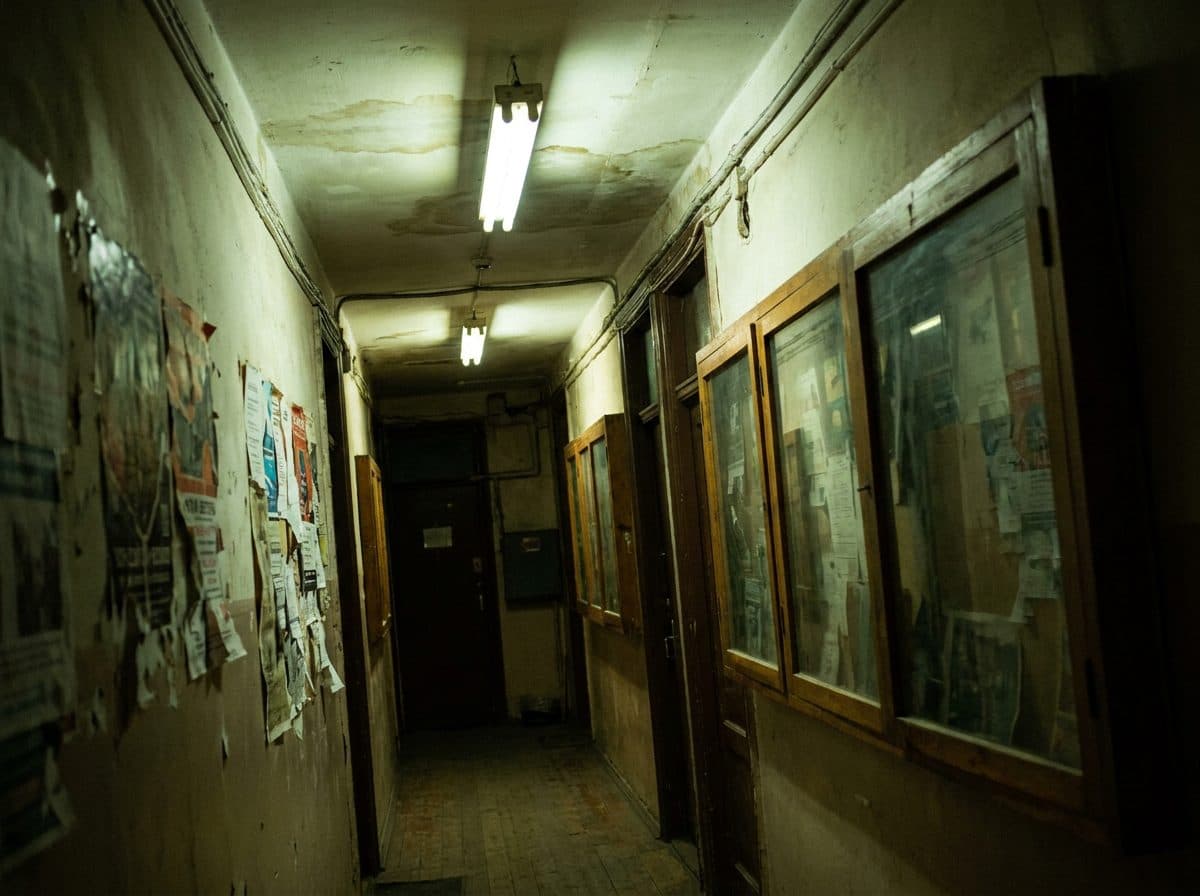
You wouldn't think a third-floor walk-up above a dumpling counter would hold the world's most chaotic soccer archive, but here you are, climbing narrow stairs that smell like sesame oil and hearing the muffled roar of a match broadcast echoing down from somewhere overhead. The place isn't on any map app, doesn't have a sign you'd spot from street level, and fills up with Brazilian expats and American soccer nerds who discovered it through whispered recommendations in the halftime scramble for beer and bathrooms.
The Climb That Filters Out Tourists
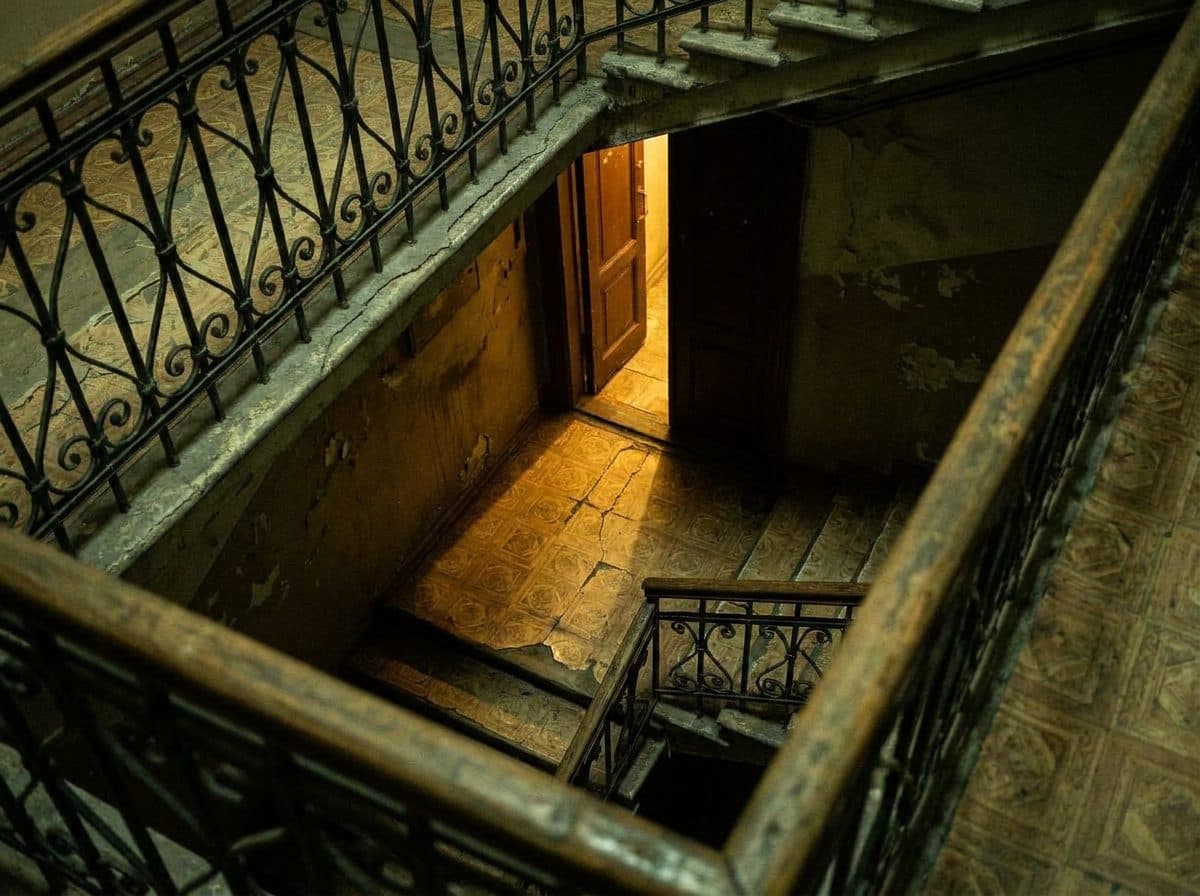
The stairwell is the first test. Steep, uneven steps with a handrail that wobbles when you grip it, walls papered in faded flyers for amateur tournaments from the early 2000s. You pass a landing where someone's stacked cardboard boxes of what looks like old match programs, and the second-floor door opens occasionally to release the sound of a sewing machine and Cantonese pop radio. By the time you reach the third floor, you've already committed. The door at the top is propped open with a cinder block during match days, and you walk into a single long room with windows facing the fire escape, light cutting through in dusty shafts that make the whole space feel like a time capsule suspended between decades.
The floor creaks. The radiator clanks even in summer. You immediately notice the smell—old paper, stale coffee, and something vaguely synthetic from the vinyl banners draped across every available surface.
Trophies That Tell Stories Nobody Wrote Down
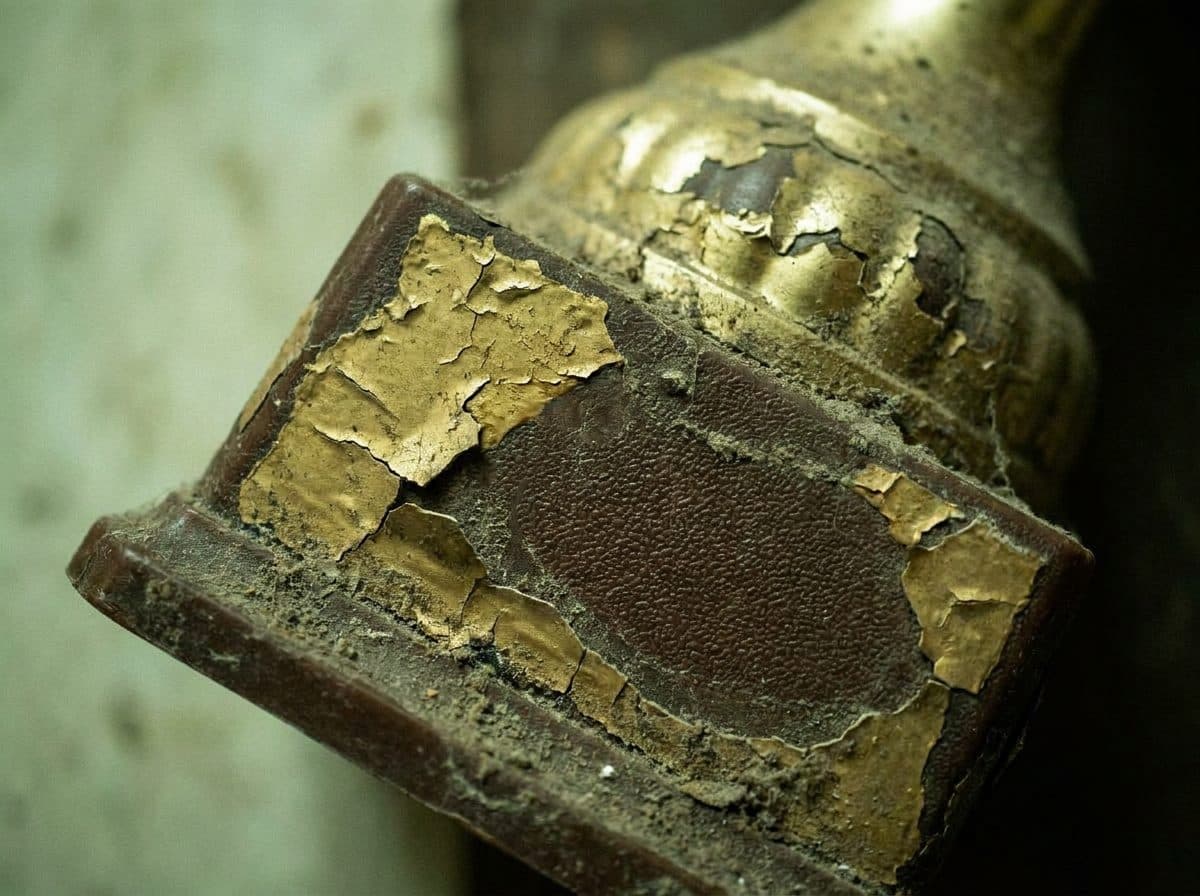
The shelves along the east wall hold trophies that range from dignified to absurd. A few are standard-issue gold plastic figures frozen mid-kick, but most are homemade contraptions: a spray-painted hubcap mounted on a wooden base, a beer stein welded to a rusted chain, a bowling trophy with the bowler sawed off and replaced with a tiny soccer ball glued on top. Each one represents a league or tournament that existed for a season or two before dissolving into the chaos of weekend pick-up culture and conflicting work schedules.
You won't find plaques with engraved histories. Instead, someone's written details in Sharpie directly on the bases or taped on index cards gone yellow with age. The 1997 Red Hook Cement Mixers. The 2003 Flushing Mercado Sunday League. The 2011 Bushwick Rooftop Invitational, which apparently involved goals set up on a converted warehouse roof and ended when someone's shot went over the edge and shattered a car windshield three stories below. The person who runs this place—a middle-aged guy who's usually rewinding VHS tapes or arguing about offsides calls—will tell you these stories if you ask, but only if the match on screen hits a lull.
Bootleg Tapes and the Art of Terrible Dubbing
The video library is the real draw for obsessives. We're talking hundreds of VHS tapes, some later transfers to DVD-R, stacked in milk crates and labeled in three or four different hands. These aren't official broadcasts. They're someone's cousin's camcorder recording from the stands, or a bootleg of a bootleg of a satellite feed, complete with foreign-language commentary that cuts out randomly and resumes mid-sentence. The tracking lines, the color bleed, the occasional frame where the person recording got distracted and filmed their own feet—it all adds to the archeological thrill.
You can request specific matches if you're willing to wait while he digs through crates. The system is purely memory-based and vibes-driven. Mention a tournament or a year and he'll narrow his eyes, mutter something about which crate, and emerge five minutes later with a tape that may or may not be what you asked for but will definitely be interesting. The TV setup is a boxy cathode-ray monitor on a rolling cart, and the VCR makes a grinding sound when it eats a tape, which happens often enough that there's a butter knife on top specifically for prying the cassette door open.
Hand-Painted Banners From Leagues That Evaporated
The banners are what give the room its color and its claustrophobic energy. They're draped from ceiling hooks, thumbtacked to walls, folded over the backs of folding chairs. Most are hand-painted on bedsheets or vinyl tarps, the kind of folk art that emerges when someone's uncle has house paint and enthusiasm but limited fine motor control. Team names in blocky letters, mascots that look like fever dreams, sponsor logos for bodegas and car services that closed years ago.
One banner stretches nearly the full length of the room: the 2006 Sunset Park Diaspora Cup, painted in green and yellow with a Brazilian flag motif that bleeds into the white background. Another shows a cartoonish eagle wearing a stars-and-stripes jersey, wings spread, with "FREEDOM FC" in dripping red paint that makes it look vaguely ominous. The fabric holds the smell of wherever these banners lived before—basements, garages, the trunks of cars. When the radiator kicks on, the heat makes them sway slightly, and the whole room feels like it's breathing.
The Halftime Rush and the Regulars Who Guard the Remote
When Brazil plays the US, or any matchup that draws the neighborhood's diaspora crowds, this place fills up fast. You get a mix of older Brazilian guys in vintage jerseys, younger American fans who found this spot through Reddit or a friend of a friend, and a handful of Chinatown locals who wander up out of curiosity and stay for the chaos. Someone always brings pastéis or empanadas in foil. Someone else shows up with a cooler of drinks that may or may not be allowed but nobody questions.
The regulars have an unspoken hierarchy around the remote control. The guy who runs the place maintains veto power, but there's a core group of maybe five or six people who can call audibles on replays or switch to a different broadcast feed if the main one lags. During halftime, people drift between the trophies and the tape library, pulling out old matches and debating whether a specific goal from a decade ago was offside. The conversations are half in Portuguese, half in English, sometimes in Cantonese from the locals, and everyone gestures at the screen like the referee can still be argued with.
What You Actually Do Here Beyond Watching
You don't just watch matches. You get pulled into the oral history project that's happening in real time. Someone will point at a trophy and launch into a story about the tournament, which leads to another story about a player who went semi-pro for a season, which leads to a tangent about a bar in Queens that used to host viewing parties before it became a vape shop. The guy running the place occasionally pauses the tape to explain context—why this referee was controversial, which team had a ringer from a higher league playing under a fake name, how this particular match ended in a brawl that got the whole league banned from the park for a year.
You're also encouraged to contribute. Bring a tape, bring a banner, bring a story. The collection grows through this kind of crowdsourced curation, and there's no formal archive or catalog. It's all memory and happenstance and the hope that someone will keep caring enough to maintain it.
Practical Notes
The space operates on match days and occasional weekend afternoons when someone's around to unlock the door. Getting in means knowing when to show up—early evening for international fixtures, late morning for replays and tape-trading sessions. There's no admission fee, but bringing something to share, whether it's food or a story or a recording, is the expected currency. The nearest subway stop is a short walk through the Chinatown streets, and you'll want to grab cash for dumplings on your way up since there's nowhere to buy food once you're inside. The building doesn't have an elevator, and the bathroom situation is negotiate-on-arrival. If you're planning to visit during a major tournament, arrive early—the room fits maybe thirty people comfortably and twice that when nobody's being precious about fire codes.
Tags: #TheOddEdit #NYCHiddenGems #ChinatownNYC #SoccerCulture #NicheSports #AmateurLeagues #SportsArchive #DiasporaCommunity #BootlegTapes #FolkArt #SoccerHistory #ThirdFloorFinds #NewYorkSubculture #SportsMemories #UntoldStories
Sources consulted: atlasobscura.com · timeout.com · nytimes.com
All trademarks are the property of their respective owners.


