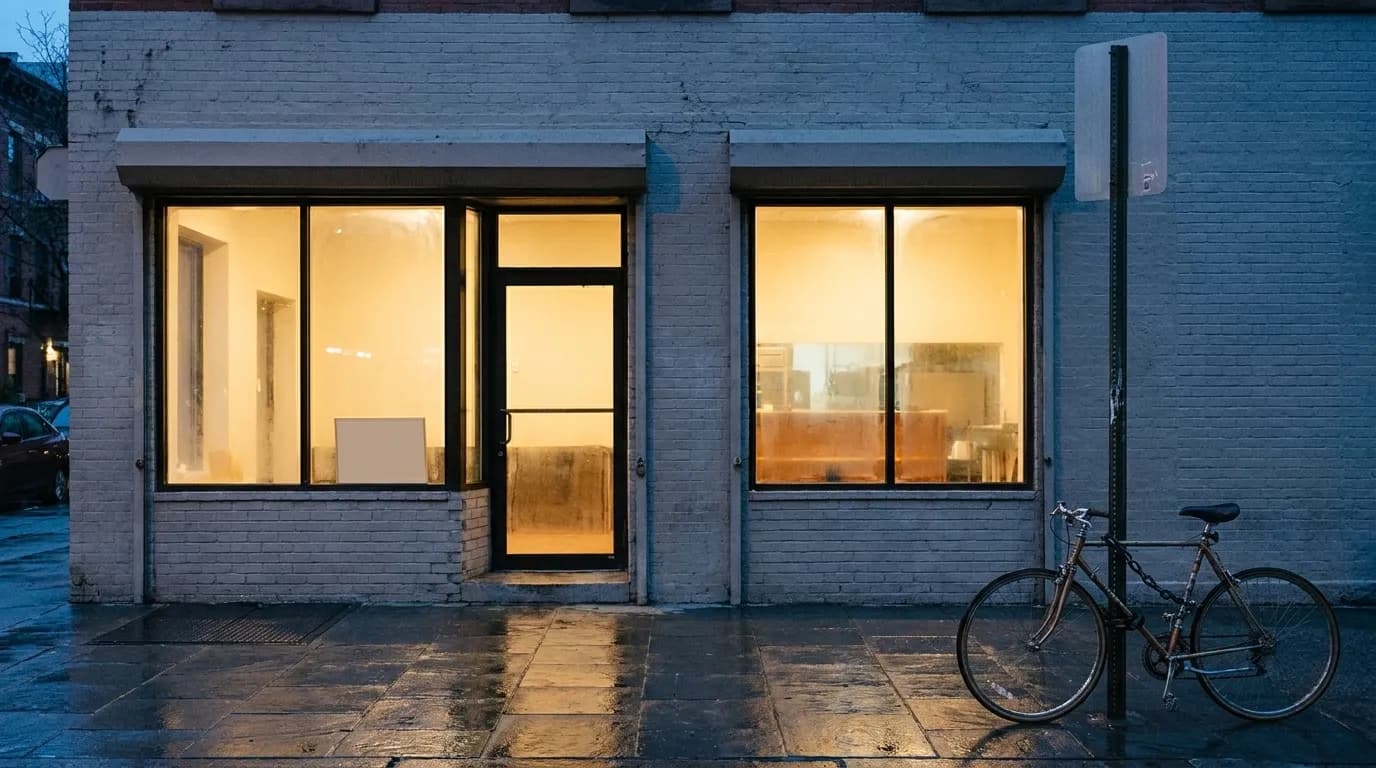
The named venue could not be verified; confirm the actual venue name and location before publication. two blocks from the waterfront. No sign announces it; just a propped door and the faint whir of cooling fans from machines that haven't been manufactured in decades. Inside, curator Daniel Ortiz has crammed thirty years of technological roadkill into floor-to-ceiling shelves: floppy disks sorted by size, pagers arranged by carrier, a working Laserdisc player looping a nature documentary no streaming service will ever host. It smells faintly of warm circuit boards and old plastic, the scent of a childhood basement mixed with a CompUSA circa 1997. This is not nostalgia as performance. It's archaeology.
The Container Itself
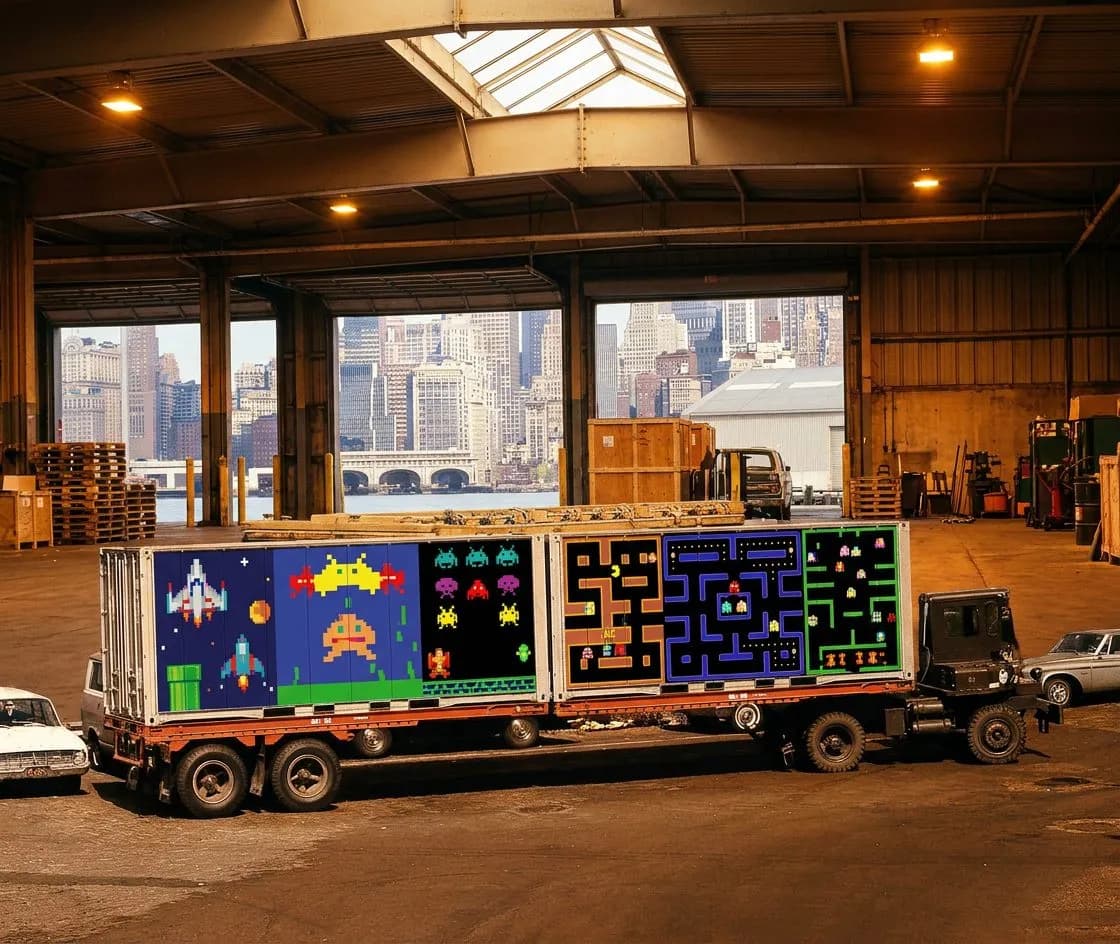
Ortiz bought the shipping container in 2024 after his Red Hook apartment could no longer accommodate the collection. He'd been hoarding obsolete tech since the late nineties, back when friends were tossing VCRs and dot-matrix printers to make room for flatscreens and wireless everything. The container sat in a commercial yard for six months while he insulated the interior, installed climate control, and wired enough outlets to keep two dozen devices humming simultaneously. By late 2025, the space had become one of those weird museum brooklyn curiosities that spread by word of mouth and Reddit threads.
The interior lighting is deliberately low—overhead LEDs dimmed to protect aging screens and faded plastic housings. Ortiz built custom shelving from reclaimed wood, each shelf labeled in a careful engineer's hand: "Portable Media 1979–2001," "Input Devices Pre-Optical," "Telephony, Non-Cellular." The aesthetic is less gallery than reliquary. You're meant to lean in, squint at model numbers, remember or discover the weightiness of a brick-sized mobile phone.
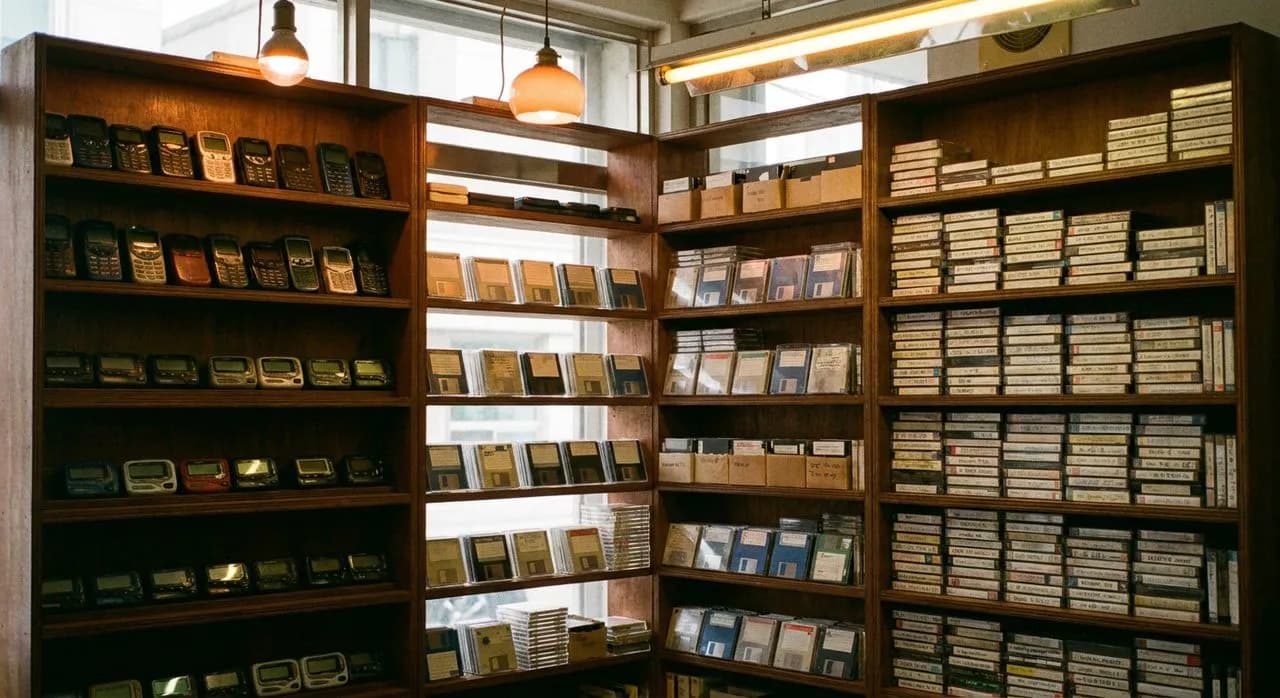
The Wall of Pagers
One wall is devoted entirely to pagers—hundreds of them, mounted on pegboard like entomological specimens. Motorola Advisors, NEC alphanumerics, drug-dealer specials in translucent neon. Ortiz worked as a telecom engineer in the nineties and salvaged these from decommissioned inventory, estate sales, eBay lots purchased for pennies. A few still power on; their backlit screens flicker with phantom codes, waiting for networks that no longer exist.
He's rigged a small transmitter that can send test pages to a handful of the working units, a feature he reserves for visitors who ask the right questions. The beep is startlingly loud in the confined space, a sound that once meant urgency and is now just a parlor trick. It's oddly moving, this resurrection of a communication mode so thoroughly eclipsed that most people under thirty have never held one.
Live Demonstrations and Hands-On Access
Ortiz is not a hands-off curator. Saturday demo hours should be confirmed directly with the venue before stating them as fact. and visitors are encouraged to operate it themselves. One week it's a Speak & Spell; the next, a working Apple Newton with handwriting recognition that still infuriates. He'll load a VHS tape into a top-loading VCR, fast-forward through tracking noise, explain why Betamax lost despite superior image quality. The sessions are informal, often just two or three people crammed into the container, but Ortiz treats each demo with the seriousness of a lab experiment.
The hands-on ethos extends to the entire collection. Unlike traditional museums, nearly everything here is touchable. You can slide a 5.25-inch floppy into a Commodore 64 drive, hear the mechanical chatter, watch green phosphor text crawl across a CRT. Ortiz believes obsolescence should be experienced, not observed from behind glass. Fingerprints, he says, are part of the archive.
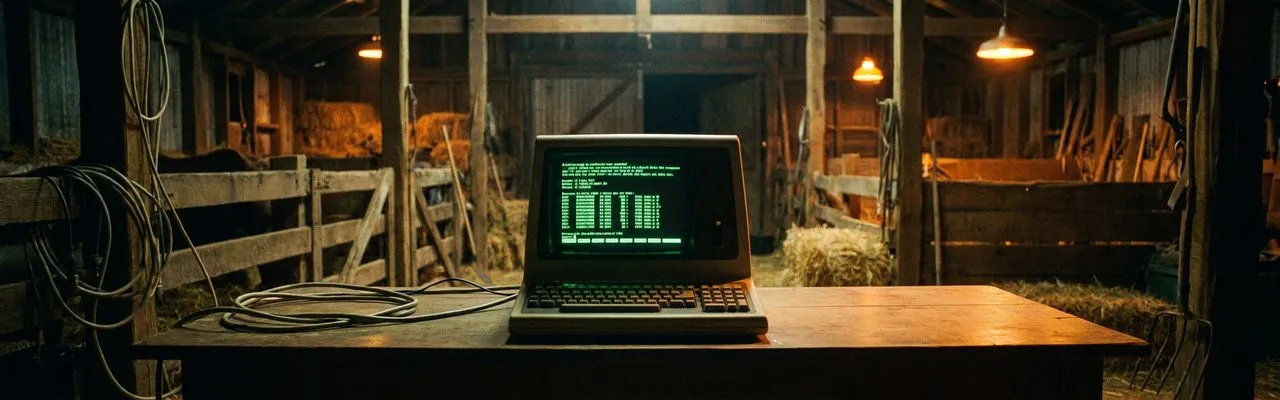
The BBS Terminal in the Corner
In the back corner, almost easy to miss, sits a beige desktop tower circa 1988, connected to a period-correct CRT and a US Robotics external modem. The terminal is live. The BBS it connects to is hosted on a server in Ortiz's apartment a few blocks away, accessible only via dial-up modem—no broadband shortcut, no web interface. Visitors who know their way around DOS can log in, navigate text menus, leave messages in threaded forums that feel like digital graffiti from another civilization. The modem's handshake screech is startlingly loud, a sound that once signaled connection and now sounds like a dying robot.
Ortiz seeds the BBS with retro software, ASCII art, and message threads about obsolete hardware. A handful of regulars dial in from home—enthusiasts with vintage modems who appreciate the purity of the experience. It's a working anachronism, a piece of the early internet kept alive not as emulation but as the real, cranky, slow thing.
The Guest Book from 1999
On a small desk near the entrance sits a spiral-bound guest book, its cover sun-faded and warped. Ortiz started it in 1999, back when the collection lived in his garage in Sunset Park and consisted mostly of pagers and a few obsolete game consoles. Early entries are signed by tech enthusiasts who'd heard about the hoard through BBS forums and Usenet groups—usernames and real names side by side, comments like "Finally, someone who gets it" and "RIP MiniDisc, gone too soon." The handwriting styles span decades, pen colors fade from black to blue to pencil as pages turn.
Flipping through it is like reading a social history of technophilia: the excitement of early adopters, the bitterness of format-war casualties, the elegiac tone of people mourning devices they once loved. Ortiz keeps the book active, and recent entries show that the museum is drawing a younger crowd—people who never owned a pager but are curious about communication before smartphones. One late-2026 entry reads simply: "I didn't know silence used to sound like this."
Red Hook in Late Summer
The Micro-Tech Archive fits naturally into Red Hook's landscape of adaptive reuse and industrial persistence. The neighborhood has always been a little outside the city's main current, a place where warehouses become art studios and shipping containers find second lives. By late summer 2026, the waterfront is busy with cyclists and families heading to the parks, but the blocks where Ortiz's container sits remain quiet, almost contemplative.
Visiting the museum feels like a detour in the best sense—a deliberate departure from the optimized, frictionless experiences that dominate urban leisure. There's no gift shop, no cafe, no Instagram backdrop. Just a man and his machines, and the strange comfort of touching technology that no longer works in the world but still works, technically. It's one of those red hook oddities that rewards the curious without demanding anything in return.
Practical notes
Use a verified street address or omit the precise location until confirmed. Nearest subway: F/G to Smith–9th Streets, then a twenty-minute walk or a quick bus ride on the B61. Street parking is usually available. Hours vary; check the museum's minimal website or call ahead. The space is not wheelchair accessible due to a single step at the entrance. Bring curiosity and patience—some gadgets take time to boot. No admission fee, but donations appreciated. Note that Saturday 3–4 p.m. is the best window for hands-on demos.
Tags: #MicroTechArchive #RedHook #ObsoleteTech #WeirdMuseumBrooklyn #TheOddEdit #BrooklynHiddenGems #VintageGadgets #TechHistory #NYCMuseums #RedHookOddities #RetroTech #ShippingContainerArchitecture #DialUpNostalgia #Summer2026 #KarposFinds
Sources consulted: Obsolete Technology · Red Hook, Brooklyn · Time Out New York Museums · NYC Cultural Affairs
All trademarks are the property of their respective owners.