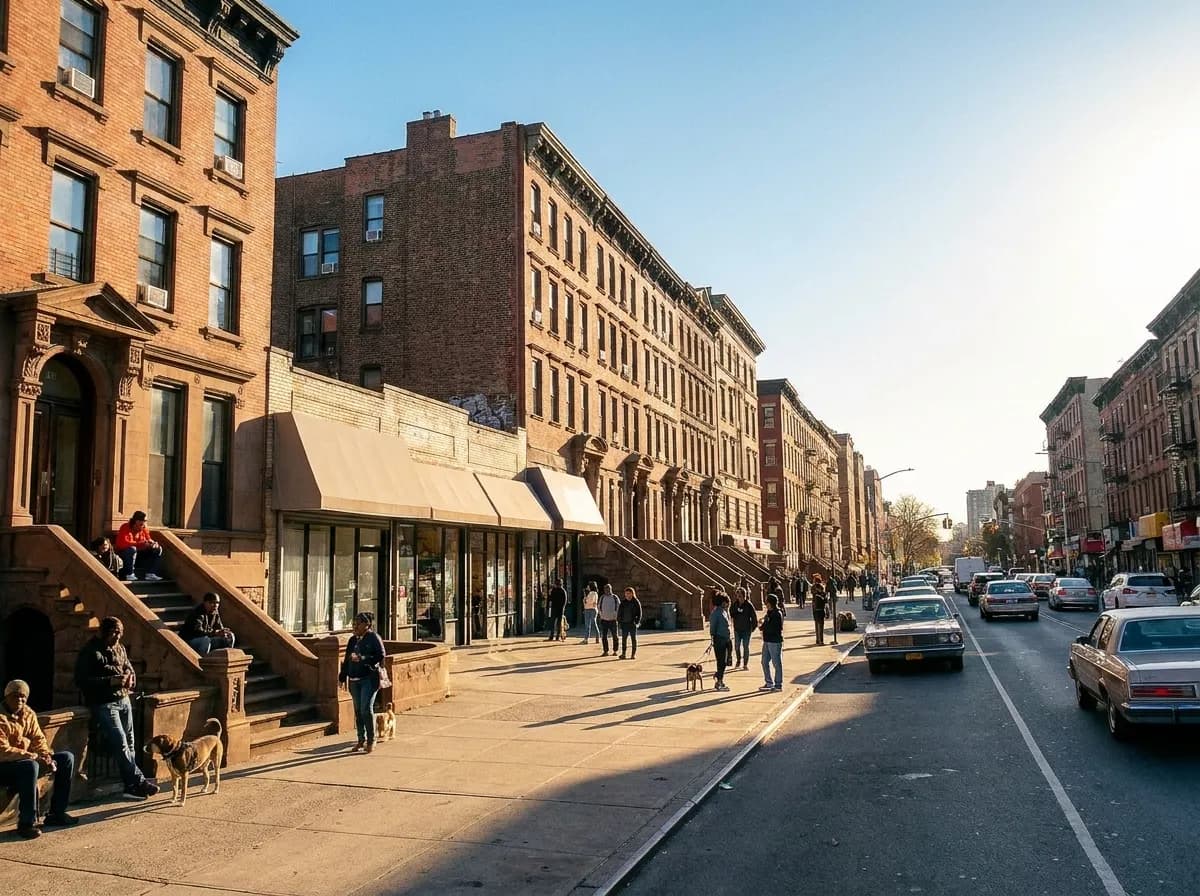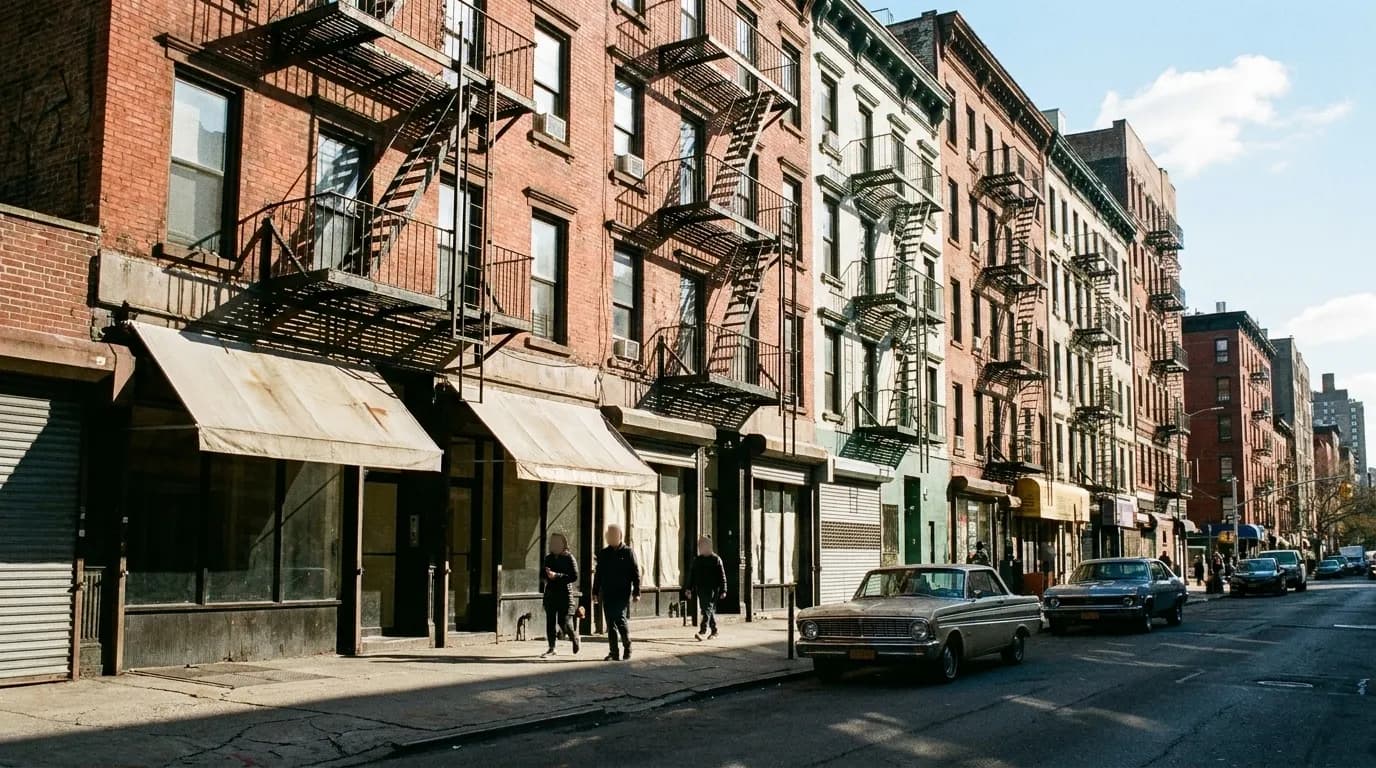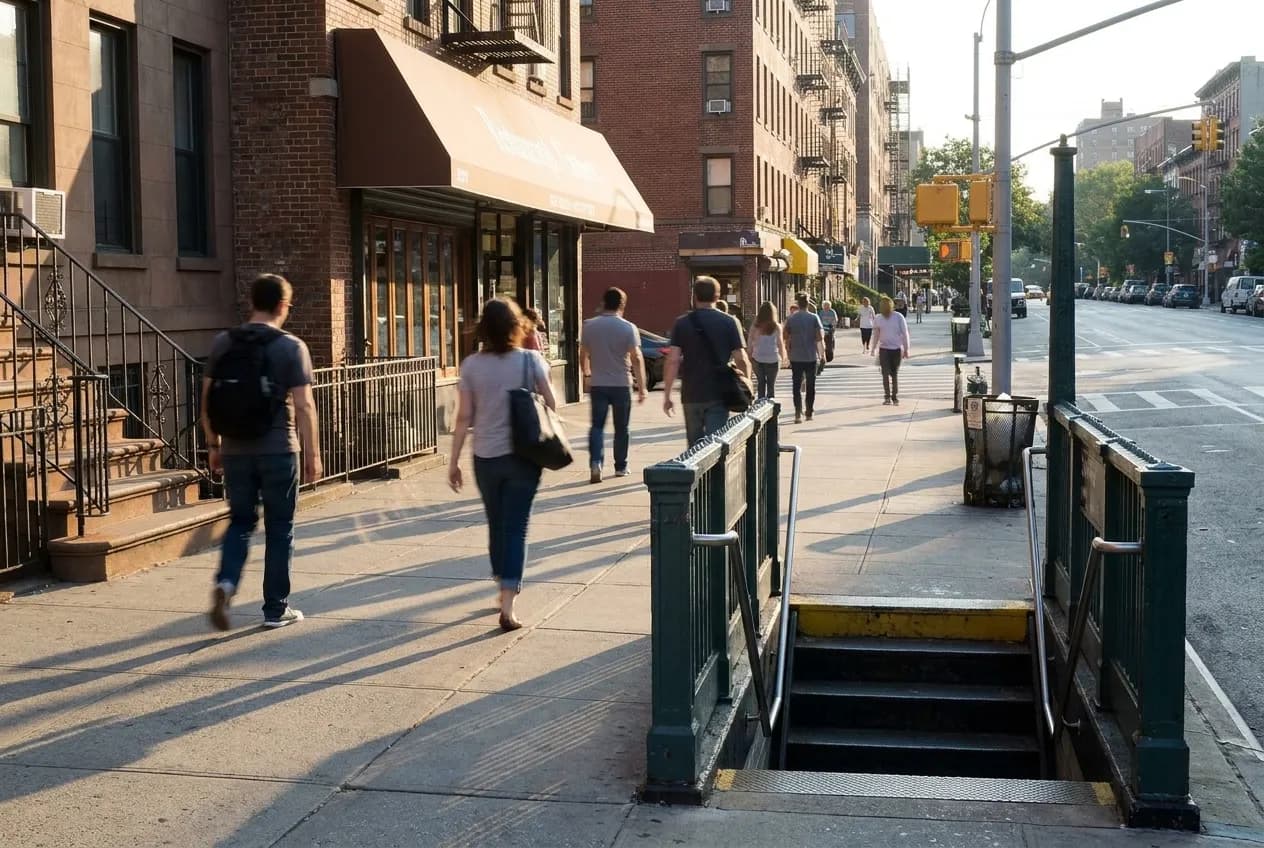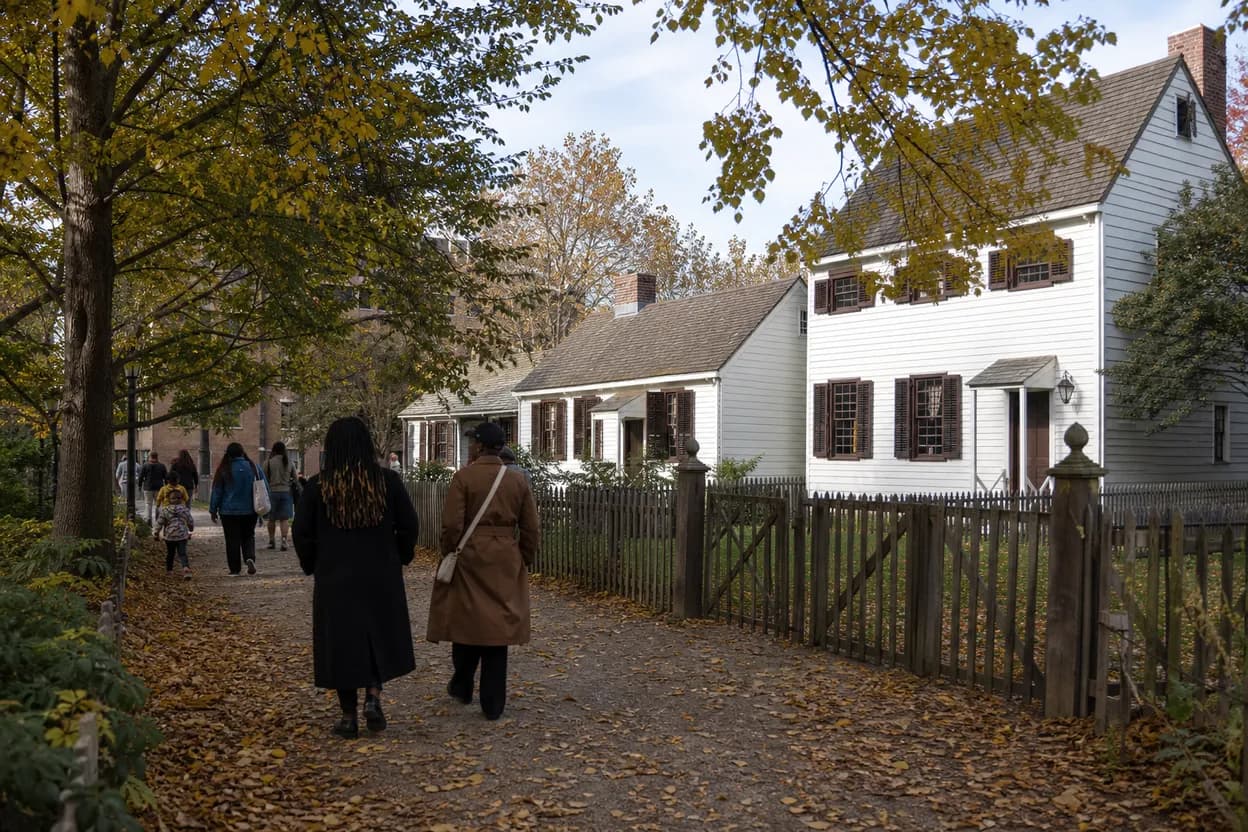
Weeksville Heritage Center works best on July 16, 2026 as a planned history stop, not an open-ended Crown Heights wander. The main reason is practical: entry to the Historic Hunterfly Road Houses is by guided tour, public tours require advance booking, and the houses do not have modern cooling. That matters during a hot week with wildfire-smoke concerns across New York City and the Northeast. The right plan is narrow and worthwhile: confirm the tour, check the heat index and air quality, arrive with a low-exposure route, spend the hour with the preserved houses and interpretation, then leave with a shaded endpoint already chosen.
Want the timing checked against your train line, heat tolerance, and dinner plan? Text Karpo before booking, and we’ll pressure-test the stop before you cross Brooklyn.
Reserve The House Tour First
Start with access, because Weeksville is not a drop-in historic-house interior. The venue says visitors must pre-register for guided tours, public tour tickets must be booked no later than 48 hours in advance, and payment is handled online rather than in person. Public tours are capped at 14 people, with listed prices of $10 for adults and $8 for children and seniors. Without a booking, the grounds may still be useful, but the core house visit can fail.
For a midafternoon plan, match the posted tour grid to your day before adding food, errands, or a second stop. Current public slots include Tuesday 11:30am; Wednesday 10:30am, 12:30pm, 1:30pm, and 3:30pm; Thursday 10:30am, 11:30am, 12:30pm, and 1:30pm; Friday 10:30am, 1:30pm, and 3:30pm; and Saturday noon and 2:00pm. Tours run about 60 minutes, but the live booking page and confirmation email should override any saved itinerary.
Know What You Are Seeing
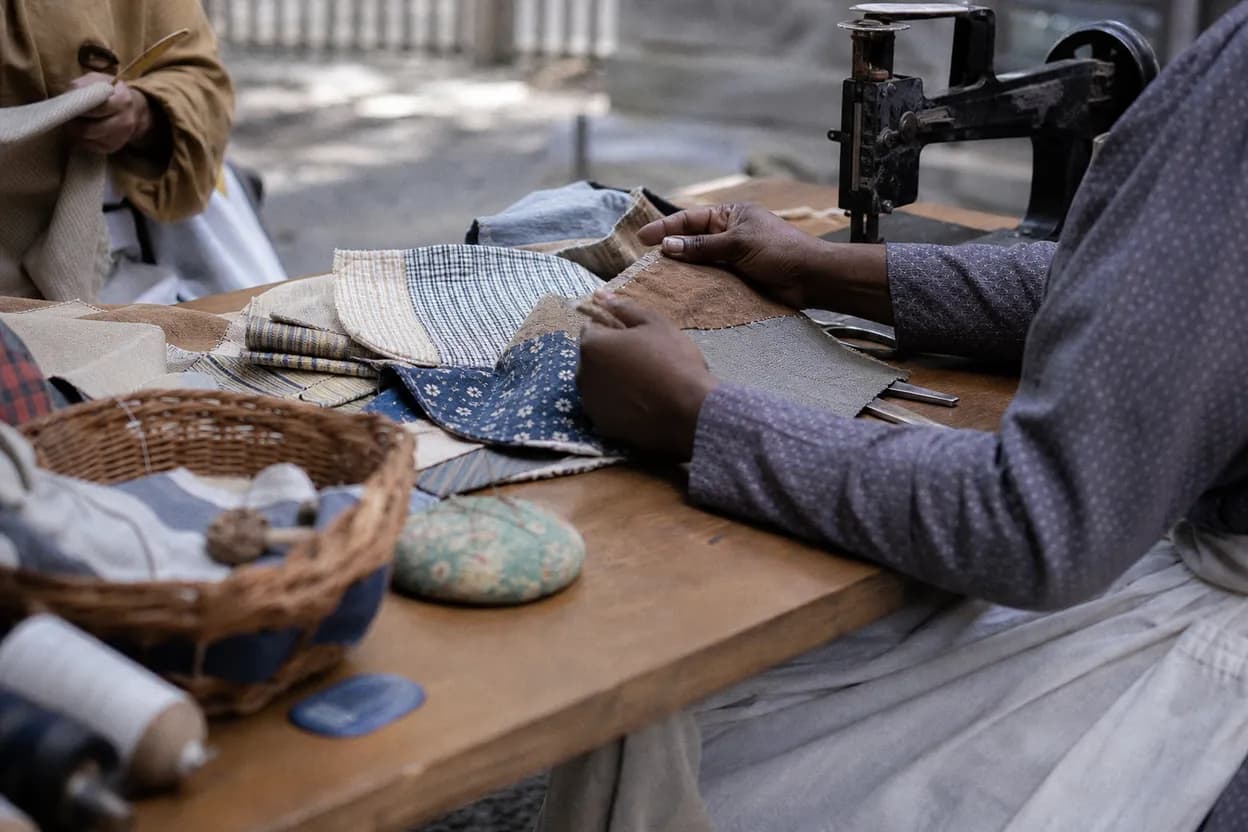
The Historic Hunterfly Road Houses anchor the visit. Weeksville describes the area as an independent free Black community in present-day Crown Heights and Bedford-Stuyvesant, named for James Weeks, who bought land in 1838 with other African American investors to create an intentional landowning community. The tour is valuable because it keeps the story tied to place: houses, family life, self-determination, preservation, and the physical survival of a community nearly erased by urban change.
The interpretation moves across distinct periods rather than one frozen room. Weeksville identifies an 1860s single-story double-house connected to Civil War-era village life, a 1900s wood-framed house tied to a multigenerational Johnson family story, and a 1930s house associated with the Williams family, who lived there from 1923 to 1968. The site also credits a 1968 rediscovery and grassroots preservation work by James Hurley, Dewey Harley, Dolores McCullough, Patricia Johnson, and Joan Maynard.
Let Heat Decide The Length
Weeksville’s own visitor guidance should shape the afternoon: the Hunterfly Road houses do not have modern heating or cooling systems. The venue asks summer visitors to consider how temperature may affect comfort and says tours typically involve standing for 45 minutes to one hour, with extremely limited seating. If one person in the group is heat-sensitive, pick the earliest workable slot, avoid a long pre-tour walk, and treat hydration as part of the plan.
NYC Emergency Management says air conditioning is the best protection during extreme heat, and its public guidance highlights the heat index, especially when it rises above 95 degrees. It also advises drinking water, staying in shade, limiting strenuous outdoor activity, and using cooler indoor places when needed. For Weeksville, that means the tour should be the main event. If the afternoon feels punishing, skip the neighborhood add-on and head directly to an air-conditioned endpoint.
Check AQI Before You Leave
Air quality is not a background detail this week. NYC Health says wildfires, building fires, fireworks, and weather events can create occasional high-pollution days, and that older adults, children, and people with heart or lung conditions face greater risk. Current July 16 reporting describes Canadian wildfire smoke affecting New York City and the wider Northeast during the heat. Do not judge the day by sky color alone; check the AQI shortly before departure.
Use AirNow for New York City, then plan for the most vulnerable person in the group. If AQI is elevated, reduce outdoor walking, avoid strenuous station transfers, and consider a well-fitting high-quality mask for unavoidable exposure. If someone has asthma, chest symptoms, low smoke tolerance, or a history of heat illness, make the backup a fully indoor, air-conditioned plan. A meaningful site visit is not improved by forcing a hazy, tiring Crown Heights loop.
Choose Transit By Exposure
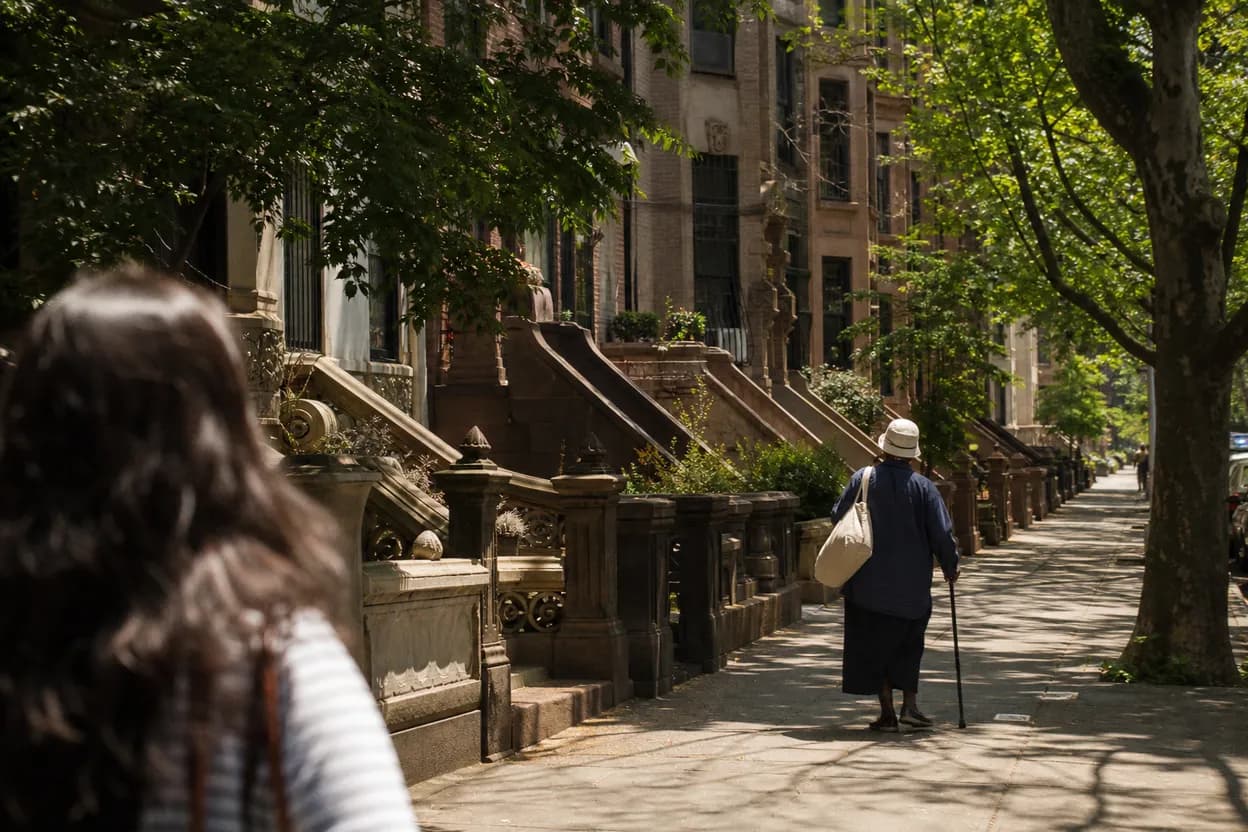
Weeksville lists its location as 158 Buffalo Avenue, also Joan Maynard Way, between Bergen Street and St. Marks Avenue. Official directions point subway riders to the A or C at Utica Avenue, the C at Ralph Avenue, or the 3 and 4 at Crown Heights-Utica Avenue. Listed bus options include the B46 local, B15, B65, and B47. In July conditions, the best route is not automatically the shortest on a map.
Before leaving, check MTA service and elevator status, then compare the walk with a bus connection that reduces sun or smoke exposure. Crown Heights-Utica may suit some riders, while others may prefer an A/C approach or a bus transfer closer to Bergen Street and Buffalo Avenue. If driving, do not build the plan around easy parking: Weeksville says street parking is limited on Buffalo Avenue and nearby blocks, and the center does not have a public lot.
Match The Visit To Your Group
This stop fits a curious Brooklyn visitor, a local hosting one relative, or two friends who want a defined history experience before dinner. It is less suited to anyone who needs flexible arrival, dependable seating, or climate-controlled historic interiors. The pacing is simple when it works: arrive shortly before the tour, give the houses your attention, use the grounds only if conditions are comfortable, and leave before heat or smoke becomes the story.
Accessibility requires a direct decision. Weeksville says the landmarked houses do not have ramps, entry requires one to three steps, and wheelchairs, rolling walkers, strollers, and other wheeled conveyances are not permitted inside the houses. Strollers may be parked outside the houses or in the main building, and seating during tours is extremely limited. That does not rule out every mixed-ability group, but it does mean the main house tour may not fit everyone.
Use A Short Exit Checklist
Set the exit before arrival. Weeksville says visitors are welcome to walk around and sit on the grounds, but a hot July afternoon with possible smoke is not the time to improvise a long outdoor extension. If the weather, AQI, and group energy are still good, Crown Heights can be a next move. If not, the better ending is a direct trip to dinner, home, or a reliably cooled indoor place nearby.
Before you go, verify seven items: tour reservation, venue hours, same-day notices, heat index, current AQI, MTA service and elevators, and the post-tour endpoint. Also note the rules that can derail casual plans: no dogs except service animals, no smoking, no photography inside the Historic Hunterfly Road Houses, no food or drink inside houses or galleries, and no skates, skateboards, or scooters. If two checks fail, shorten the visit or rebook.
Tags: #AskKarpo #BeforeYouGo #WeeksvilleHeritageCenter #CrownHeights #BrooklynHistory #BlackHistory #HunterflyRoadHouses #NYCMuseums #BrooklynGuide #NYCTransit #AirQuality #HeatSafety #NeighborhoodGuides #HistoricHouses
All trademarks are the property of their respective owners.
Ask Karpo first
Tell Karpo your date, group size, budget, and starting neighborhood. We’ll check current access, timing, transit, and the cleanest plan for Weeksville Heritage Center before you head out.