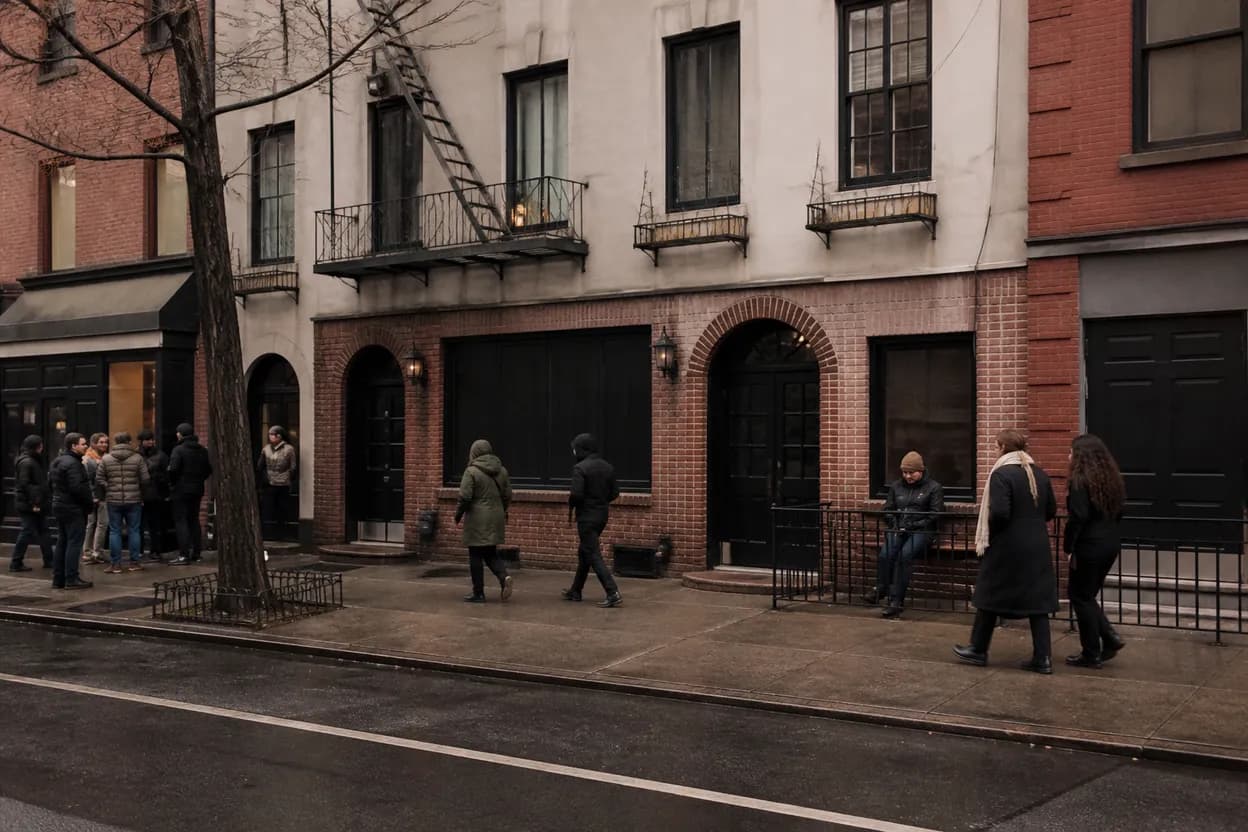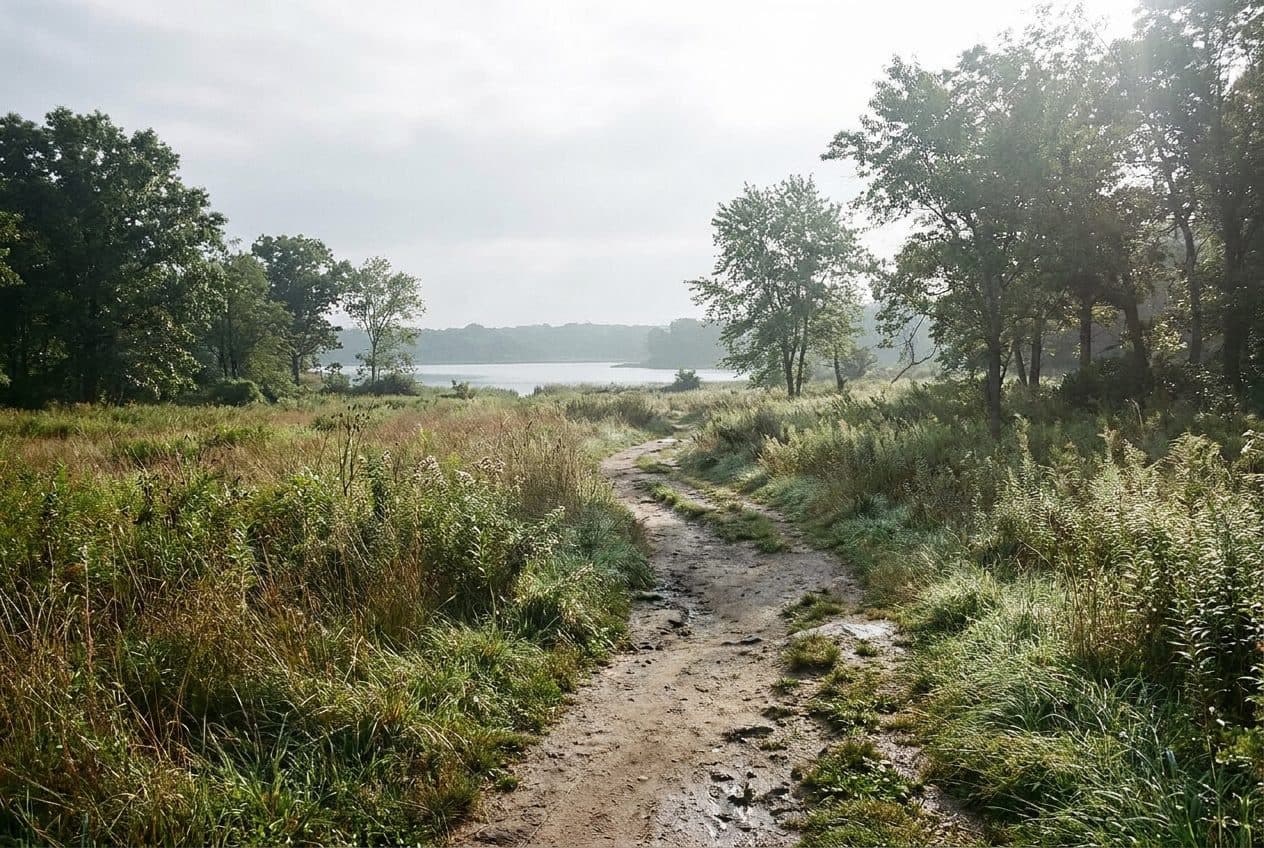
The Kazimiroff Trail drops into a quiet that doesn't belong anywhere near the five boroughs, and within twenty minutes the canopy overhead thickens enough that the sound of traffic becomes a memory. Pelham Bay Park—three times the size of Central Park and tucked into the Bronx's northeastern corner—holds more than 2,700 acres of salt marsh, meadow, and forest that reset the usual calculus of what counts as city land. Weekend mornings here feel less like an escape and more like a correction: the density and noise aren't absent so much as revealed as optional.
The Trail That Forgets the Grid
The park's trail system sprawls in a way that resists the Manhattan reflex to optimize every route. Kazimiroff winds through stands of oak and tulip trees, dipping toward Hunter Island and the shoreline of Pelham Bay itself, where the Hutchinson River empties into Long Island Sound. First-timers often expect something groomed and signposted at every turn, but the paths here reward a looser sense of direction—branches fork without fanfare, and the occasional wooden marker appears only when the route genuinely splits. The footing is uneven in places, roots crossing the dirt like tripwires, and after a stretch of rain the low sections pool enough that boots make more sense than sneakers. Birders cluster near the wetland edges in early light, binoculars trained on the reeds where herons and egrets work the shallows. The crowd thins the farther one moves from the main parking areas, and by mid-trail the only company is the rustle of something small in the underbrush and the occasional runner who nods and keeps moving.
The Lagoon That Holds Still
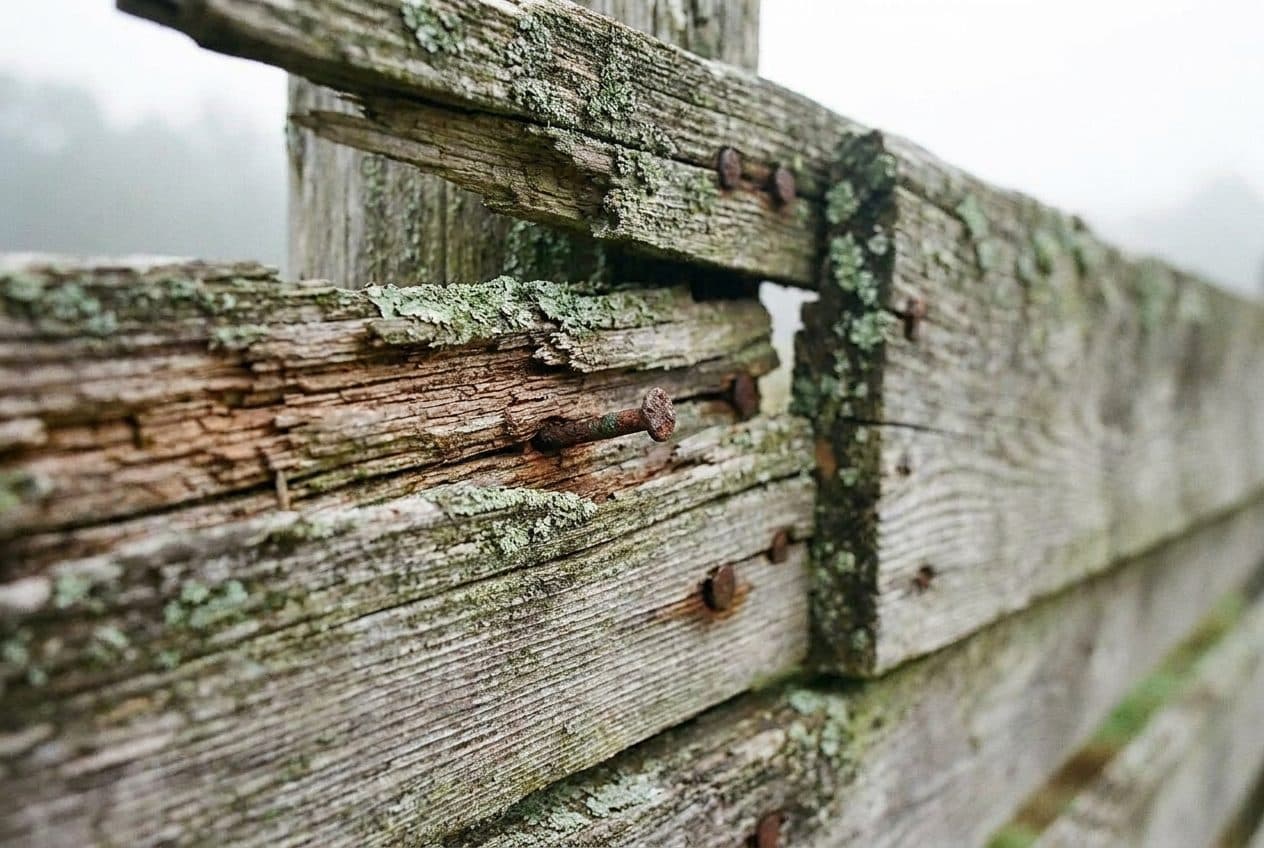
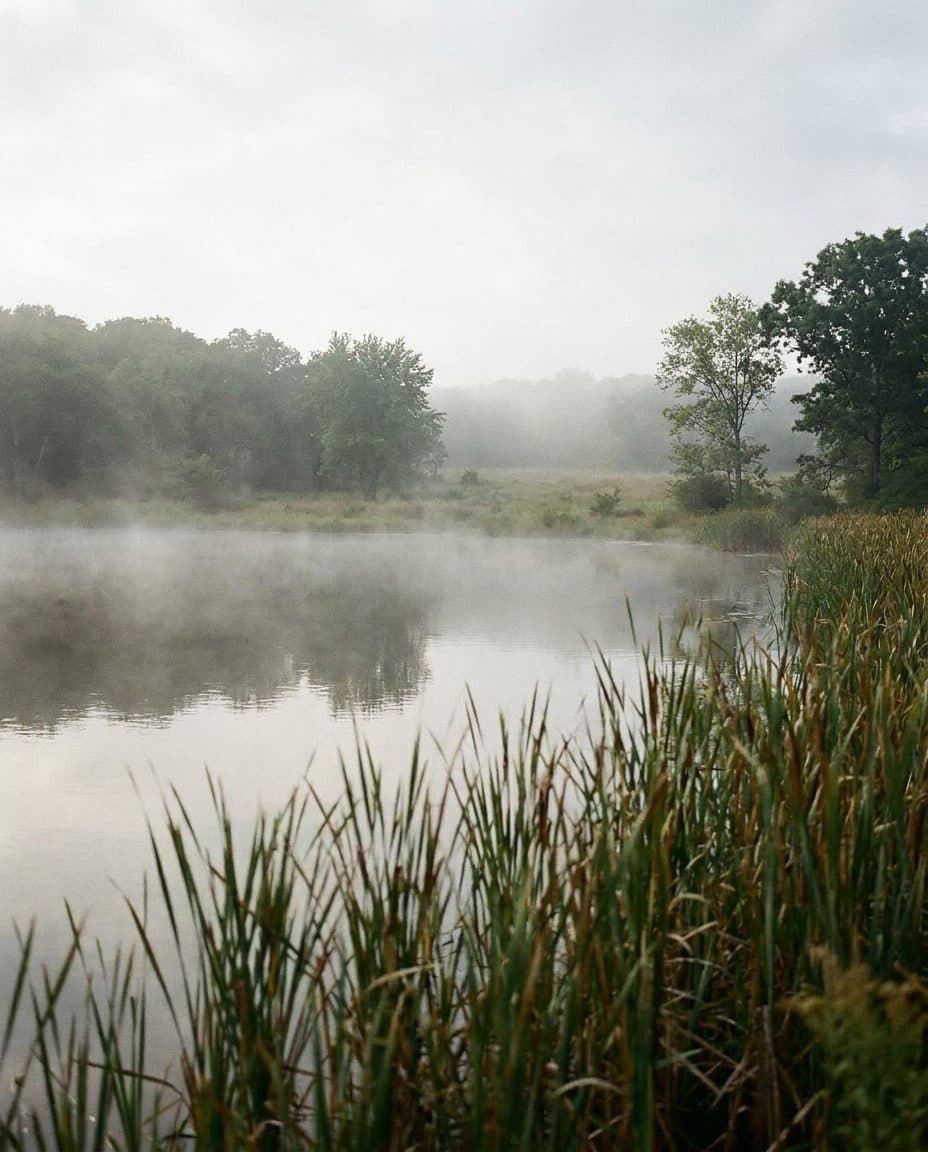
Turtle Cove, a tidal lagoon on the park's eastern edge, sits so quietly that the water's surface doubles the sky without interruption. The cove opens to Eastchester Bay, and at high tide the salt water pushes in, bringing horseshoe crabs and the occasional diamondback terrapin that gives the spot its name. Low tide exposes mudflats stippled with fiddler crab burrows, and the smell shifts to something brackish and alive. Benches face the water from a low bluff, weathered wood that no one has thought to replace because the view does all the work. Families arrive mid-morning with thermoses and pastries from the bakeries along Westchester Avenue, settling in for an hour that doesn't demand anything beyond sitting. The lagoon's stillness makes it easy to forget the Throgs Neck Bridge is visible to the south, its span reduced to a thin line that might as well be decorative. Kayakers launch from the small beach on weekends, paddling toward the bay in silence, and the water is calm enough that even beginners look competent.
The Stable That Doesn't Advertise
Pelham Bay's equestrian center sits behind a meadow that buffers it from the main park roads, and the only indication of its presence is the occasional whinny that carries across the grass. The stable operates as a riding school and boarding facility, its paddocks and covered arena arranged in a horseshoe around a central barn that has weathered to the colour of driftwood. Riders—mostly locals from the surrounding Bronx neighborhoods, some from as far as Westchester—arrive early to tack up, and the rhythm of a weekend morning here follows the lesson schedule: beginner walk-trots at nine, intermediate flat work by ten-thirty, a trail ride out toward the wooded paths before noon. Non-riders can watch from the rail, and the scene has a workmanlike quality that distinguishes it from the more manicured stables closer to Manhattan. Instructors call corrections in voices that carry but don't shout, and the horses—a mix of sturdy school mounts and a few privately owned thoroughbreds—move with the patient competence of animals who have done this a thousand times. The meadow itself is worth the walk even without the horses: native grasses grow waist-high by late summer, and the field hums with insects in a way that suggests the park's wilder margins are still doing what they've always done.
The Crowd That Knows the Rhythm
Weekend mornings in Pelham Bay draw a particular subset of the city's outdoor regulars: the runners training for distances that require more than a few loops of Prospect Park, the birdwatchers who keep lists and compare sightings, the families from Co-op City and Parkchester who treat the park as their backyard because, functionally, it is. The demographic skew is older than the crowds at the Brooklyn greenways, and the pace is slower—people stop to talk, to point out a hawk circling overhead, to let dogs sniff and sort out their hierarchies without rushing the interaction. There's a weekday contingency too, retirees who walk the same loop every morning and know which benches catch the sun first, but weekends bring a younger mix: couples who pack a breakfast and claim a picnic table near Orchard Beach, teenagers who arrive in groups and sprawl on the grass with speakers playing low enough not to draw attention. The unspoken etiquette is straightforward—pick up trash, yield on narrow trails, don't spook the horses—and the absence of enforcement suggests most people already know the rules.
The Beach That Closes the Loop
Orchard Beach, the park's crescent of sand along Long Island Sound, anchors the southern end and offers a different register entirely. Built in the 1930s as part of Robert Moses's public works campaigns, the beach stretches for more than a mile, its promenade lined with Art Deco bathhouses and concession stands that open seasonally. Off-season, the beach belongs to walkers and the occasional fisherman casting into the sound, and the scale of the place—empty pavilions, rows of unused picnic tables—gives it a melancholy grandeur that summer crowds erase. The water is swimmable in warm months, though locals know the sound's temperature lags behind the air by a few stubborn weeks. The beach connects to the park's trail network via a paved path that skirts the wetlands, and the route back toward the lagoon and stables completes a loop that takes most of a morning if no one is hurrying. The promenade's hexagonal pavers, cracked and patched in places, catch the light at angles that make the whole stretch photogenic in a way that feels accidental.
Practical Notes
The park is accessible via the 6 train to Pelham Bay Park station, the last stop on the line, followed by a bus or a twenty-minute walk depending on which section is the target. The Bx12 runs along the park's western edge and stops near the stable and main trailheads; the Bx29 heads toward Orchard Beach. Parking is available at several lots, and weekend mornings fill early during peak season but rarely reach capacity outside of summer. Trails are open dawn to dusk year-round, and the stable's public hours run mornings and early afternoons on weekends, though lesson times vary. No reservations are required for trail access, and the park remains free. Orchard Beach facilities close after Labor Day and reopen in late spring, but the sand and promenade stay accessible. Layering makes sense even in mild weather—the proximity to the water means wind is a given, and shade on the wooded trails can drop the temperature by several degrees.
The Detail That Settles It
The park's scale and layout mean that even on a busy Saturday, it's possible to walk for thirty minutes without seeing another person. That margin—the space to lose the thread of the city's constant hum—is what makes Pelham Bay worth the trip to the Bronx's far edge. The lagoon, the stable, the trails that fork and reconnect without demanding a map: they add up to a morning that resets the baseline for what counts as urban parkland. The horses in the meadow, the herons in the marsh, the kayakers gliding across Turtle Cove—they're all doing what they would do if the city weren't there at all, which is the point.
Tags: #PelhamBayPark #TheBronx #NewYorkTrails #UrbanNature #HiddenNewYork #NYCParks #TurtleCove #OrchardBeach #EquestrianLife #BronxOutdoors #CityEscape #LongIslandSound #WeekendMorning #NYCHiking #RightOnTime
Sources consulted: timeout.com · secretnyc.co · thrillist.com
All trademarks are the property of their respective owners.
Ask Karpo first
Want to know which trail reaches the lagoon and how to book a stable ride?
Ask Karpo for the lagoon trail map and stable booking details before you head out.