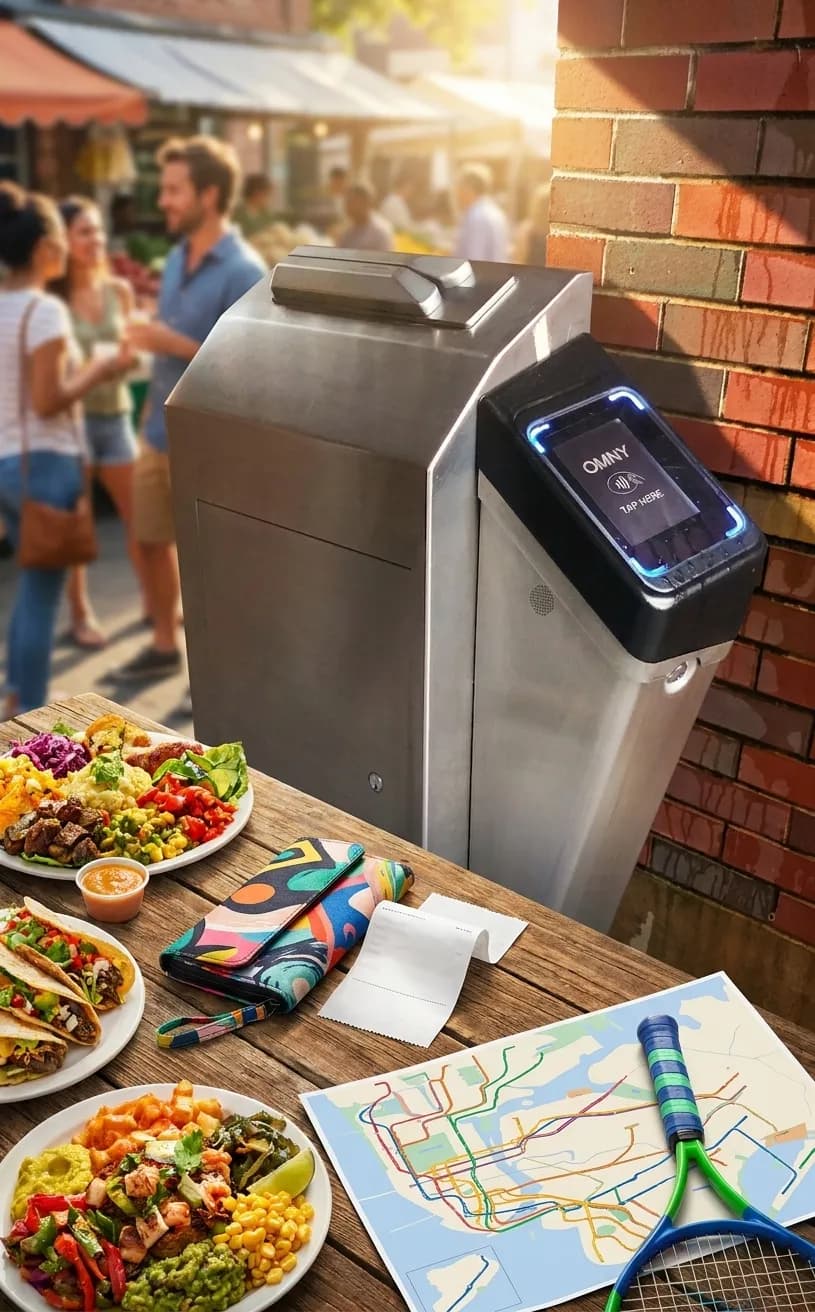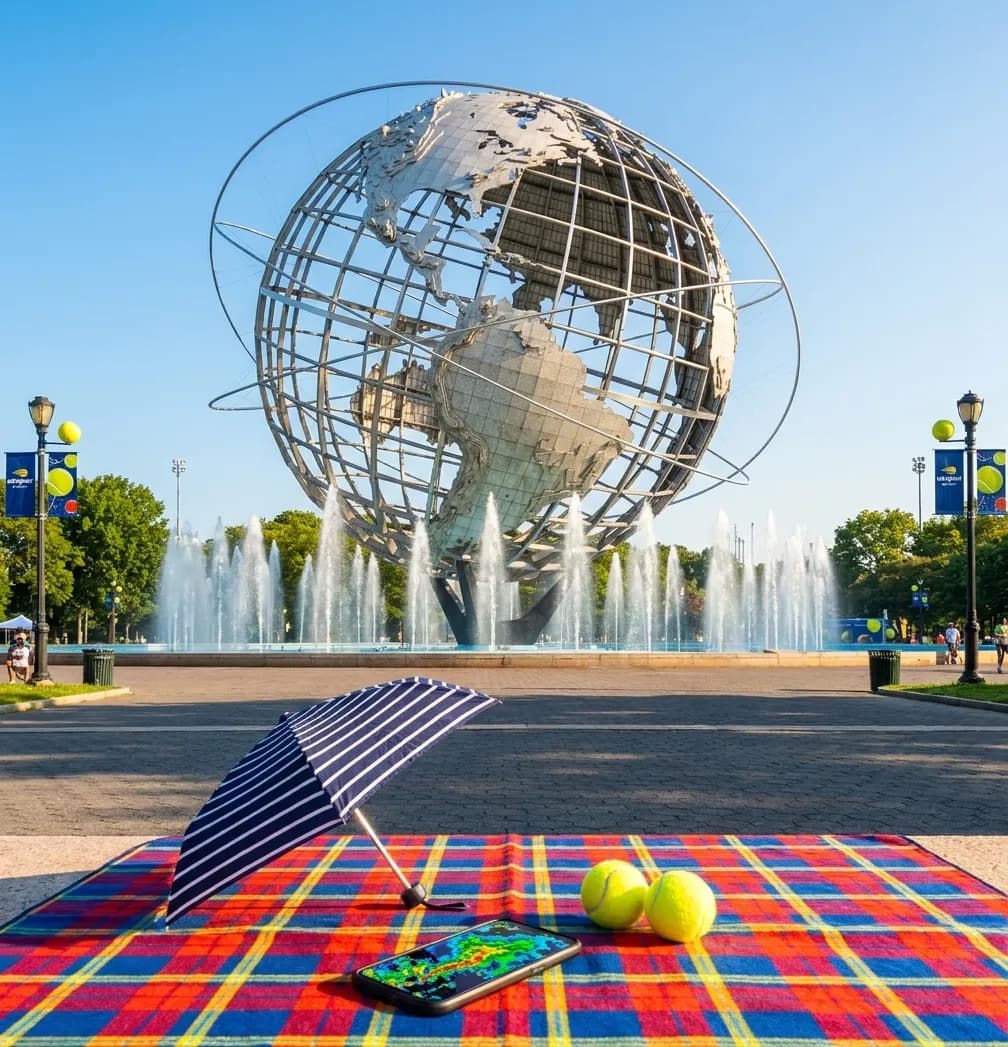
The 2026 US Open brings two weeks of world-class tennis to Flushing Meadows Corona Park, and if you're planning to spend time around the grounds—whether you hold a session ticket, want to photograph the Unisphere between matches, or simply enjoy the energy along the shaded paths near Meadow Lake—you'll share the park with summer weather that can turn from bright sun to a fast-moving shower in twenty minutes. Weather radar becomes a practical decision tool, not a crystal ball. It shows you where precipitation has recently fallen and which direction cells have been moving, so you can combine that information with National Weather Service forecasts and alerts to decide whether to time a walk to the Queens Museum, wait under the Unisphere colonnade, or head into the New York Hall of Science before the sky opens. This guide explains how to read radar during tournament week, what the park offers when you need to adjust on the fly, and why official alerts always outrank any app.
Text Karpo with your session time and live forecast, and we'll shape a Queens park plan that can shrink, stretch, or move indoors.

Why weather radar matters more than a static forecast
A seven-day forecast tells you the chance of rain on a given afternoon; radar shows you where precipitation has recently been detected and the recent direction of movement. During US Open week, when you might have a two-hour window between an early match and dinner plans in Flushing, that distinction changes everything. The National Weather Service radar at radar.weather.gov updates every few minutes and uses a color scale: green means light rain, yellow moderate, red heavy, and purple very heavy or hail. You can zoom to Flushing Meadows, tap the play button, and watch the loop to see recent movement and whether a cluster has been growing or breaking apart. Radar shows recent precipitation and observed movement, not a guarantee of future conditions—storms speed up, stall, split, or dissipate—but it gives you one piece of information to combine with the current forecast, any watches or warnings, and official tournament updates when deciding whether to start your walk now or wait under the Unisphere.
Reading the radar loop and understanding limits
Open the National Weather Service radar page, enter your location or zoom to Queens, and press play on the loop. Watch at least four frames so you can see recent direction and speed. If the colors have been moving west to east, that recent trend may continue for a short time, but always check the current National Weather Service forecast discussion for expected pattern changes due to fronts, sea breezes, or other factors. Pay attention to gaps: a broken line of green cells may offer windows between showers, while a solid band of yellow means widespread rain. Radar cannot see below about a thousand feet, so very light drizzle or mist may not appear. It also cannot predict lightning with certainty; if you see red or purple cells, assume lightning is possible and follow National Weather Service alerts. A watch means conditions are favorable for severe weather in your area over the next few hours; a warning means a severe storm has been detected and you should move indoors immediately. During a warning, leave the open park paths and head to the nearest sturdy building—Arthur Ashe Stadium if you have access, or the Queens Museum, NYSCI, or the Billie Jean King National Tennis Center food halls if they are open to ticket holders.
Timing short park walks between sessions
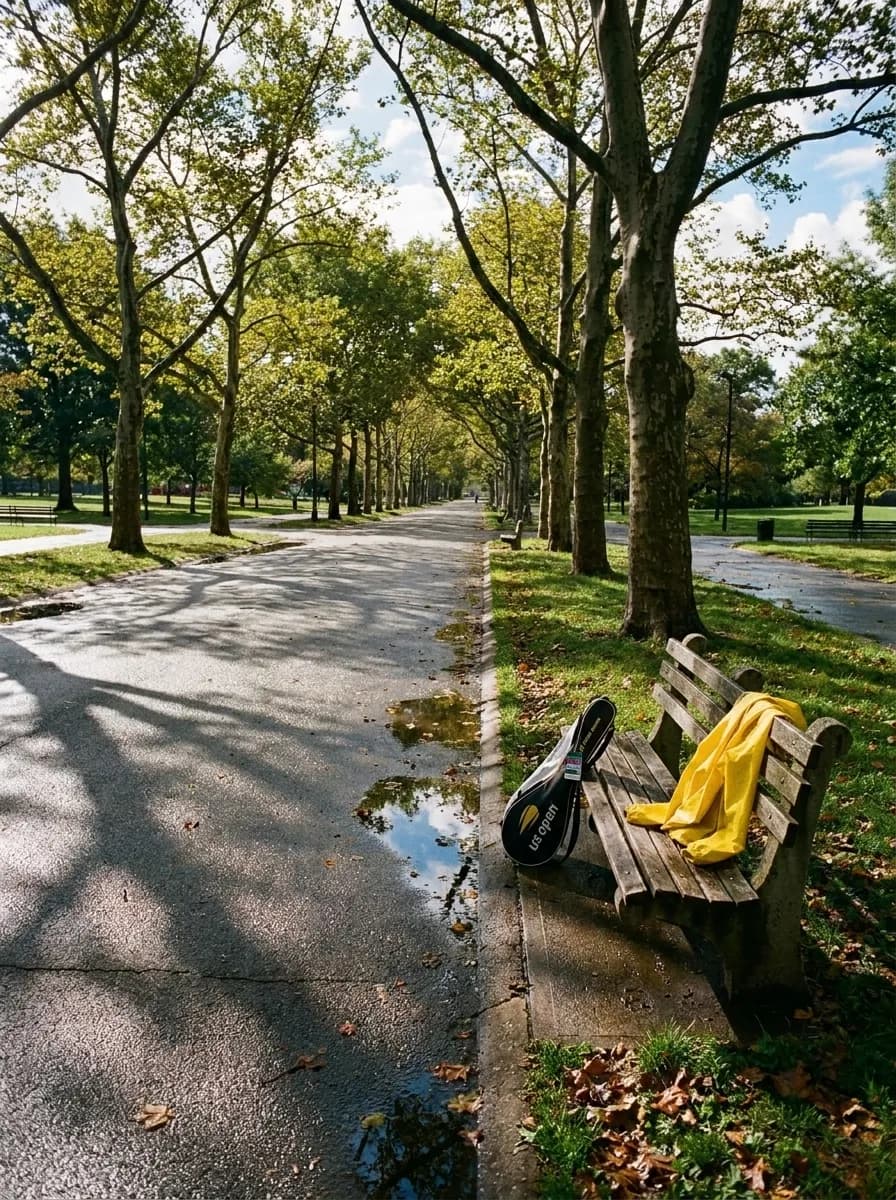
If you're attending an afternoon session and want to explore the park before gates open, check radar and the current National Weather Service forecast thirty minutes before you leave your hotel or subway stop. A clear recent loop and favorable short-term forecast suggest you may have time to walk the perimeter of Meadow Lake, photograph the Unisphere from the plaza, and browse the food vendors near the tennis center without rushing, though conditions can change. If you see recent precipitation on radar, consult the forecast to understand whether development is expected to continue. The park's main paths are paved and open, so you won't get stuck on a muddy trail, but there's limited overhead cover between the Unisphere and the tennis center. The colonnade around the Unisphere offers some shelter, and the pedestrian bridges near the lake have railings but no roof. The Queens Museum and NYSCI are both a short walk from the Unisphere and are optional ticketed cultural venues; you should confirm current hours, admission policies, and any capacity limits or closures on their official websites before counting on them as a backup.
Heat, humidity, and radar's blind spot
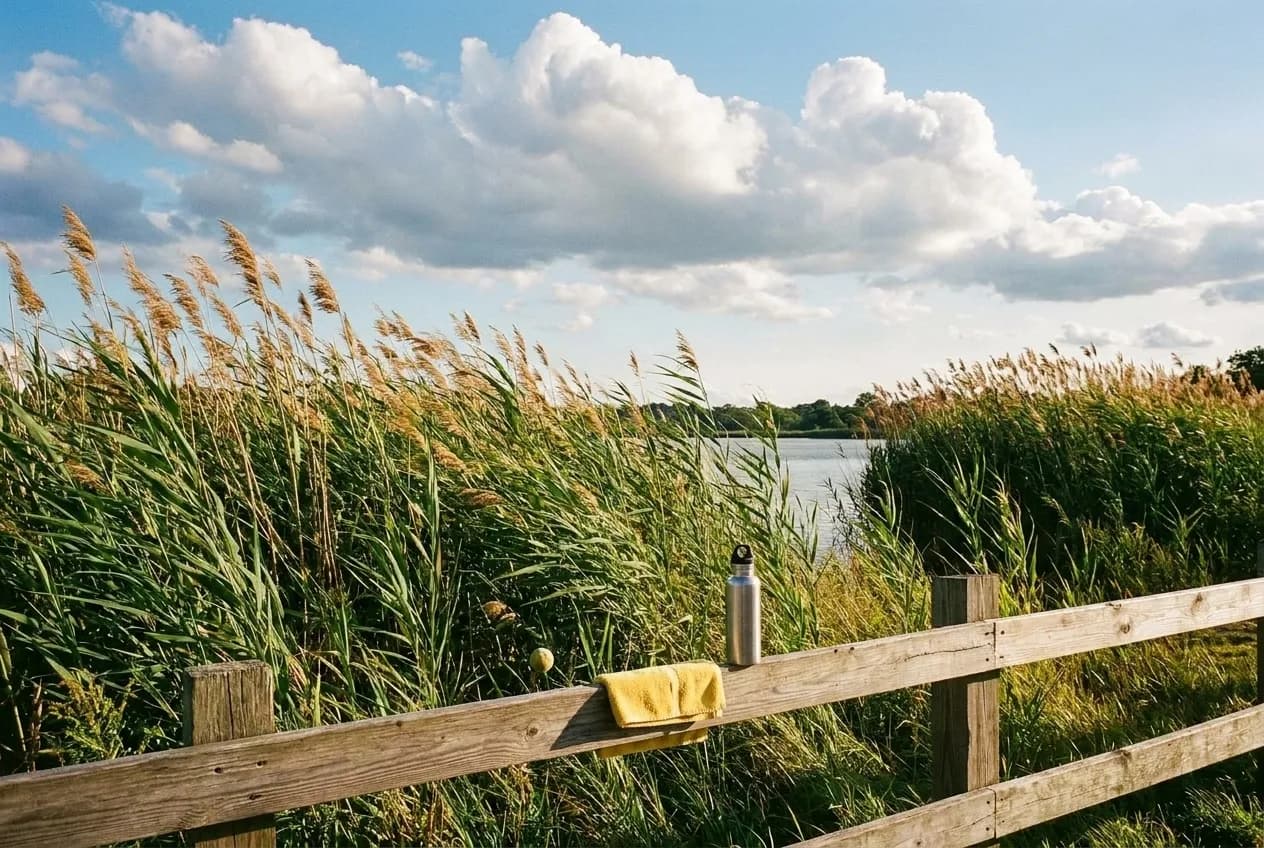
Late August in Queens can bring high heat and humidity, especially on the open asphalt around Arthur Ashe Stadium and the Unisphere plaza. Radar shows precipitation, not temperature or humidity, so pair it with the National Weather Service heat safety page at weather.gov/safety/heat and check for any heat advisories or excessive heat warnings in the current forecast. If a heat advisory or warning is in effect, plan shorter outdoor segments, seek shade along the park's tree-lined paths near Meadow Lake, and carry water. High humidity also means that even a brief shower will leave the air feeling heavier, and wet pavement takes longer to dry. If radar shows recent precipitation has passed and you decide to resume your walk, give the paths extra time to drain. The park has water fountains, but during major events they can be busy; bring a refillable bottle. If you feel dizzy, nauseous, or notice someone else struggling, move to shade or air conditioning immediately and seek medical help if symptoms persist.
Indoor cultural options when radar turns red
The Queens Museum sits on the north side of the park, a walk from the Unisphere, and houses the Panorama of the City of New York—a room-sized scale model of all five boroughs. The New York Hall of Science is nearby, with hands-on exhibits and air-conditioned space. Both institutions are optional ticketed venues with their own admission policies and hours, which can vary during special events and may include closures, so check queensmuseum.org and nysci.org in advance for current information. If you're inside the tennis center with a valid ticket, the food halls and covered concourses offer shelter, though they can be crowded during rain delays. The US Open's official A-Z guide at usopen.org lists amenities and policies, including what you can bring and where you can wait. Do not assume that a rain delay means free access to covered seating; ushers enforce ticket zones even during weather interruptions.
What to do when radar and official alerts conflict
If your weather app shows recent clear conditions but the National Weather Service issues a severe thunderstorm warning for Queens, trust the warning. Radar is updated every few minutes, but warnings are issued by meteorologists who integrate radar, satellite, lightning data, and spotter reports. If you receive a wireless emergency alert on your phone, follow the instructions immediately. Leave open areas, avoid tall isolated trees around Meadow Lake, and move into a substantial building. The Unisphere colonnade is not sufficient shelter during lightning. If you're on a park path and cannot reach a building within two minutes, crouch low in a ditch or depression, away from trees and metal fences, until the warning expires. Once the warning is lifted, the National Weather Service recommends waiting an additional thirty minutes after the last thunder before resuming outdoor activities; lightning can strike from a dissipating storm several miles away.
Checking tournament operations before changing plans
Rain delays, heat delays, and schedule changes are part of any outdoor tennis tournament, and the US Open's official event schedule at usopen.org is the authoritative source for real-time updates. Radar may show recent clear conditions, but if the grounds crew needs extra time to dry the courts, your session will start late. Conversely, recent precipitation on radar does not automatically mean a delay; Arthur Ashe Stadium has a retractable roof, and play can continue there while outside courts wait. If you're planning your day around a specific match, check the schedule and the tournament's official channels before you leave for the park. Combine radar, National Weather Service forecasts and alerts, and official tournament communications for a complete picture.
Practical notes for radar-informed park days
- Bookmark radar.weather.gov and the National Weather Service New York forecast page on your phone before you arrive.
- Download the US Open app or save usopen.org for live schedule updates and gate information.
- Wear shoes with good traction; paved paths dry faster than grass, but puddles can form near the Unisphere plaza.
- Bring a compact umbrella and a light rain jacket; even light rain can soak you quickly.
- If you're photographing the Unisphere or Meadow Lake, a microfiber cloth for your lens and a plastic bag for your camera will help protect your gear if drizzle starts.
- Check Queens Museum and NYSCI websites in advance for current hours, admission, and any closures if you plan to use them as rain backups.
- Carry a portable charger so your phone stays powered for radar checks, alerts, and ticket access.
- Recheck radar and the forecast regularly if conditions are unsettled; recent clear conditions do not guarantee future clear skies.
Weather radar gives you a live snapshot of recent precipitation and observed movement, not a guarantee of future conditions. Use it as one tool to make informed decisions—start your walk now, wait, or pivot to the museum—but always combine it with National Weather Service forecasts, official alerts, and common sense. The 2026 US Open will draw crowds from around the world to Flushing Meadows Corona Park, and the park itself offers enough variety that a passing shower can become an opportunity to see the Panorama or rest in the shade by Meadow Lake rather than a reason to abandon your day. Check the radar, respect the warnings, keep a flexible plan, and confirm any venue hours or access in advance. That's how you turn August weather from a disruption into just another part of the Queens experience.
Tags: #USOpen2026 #WeatherRadar #Queens #FlushingMeadows #Unisphere #MeadowLake #KarpoFinds #Karpo #NYCParks #TennisTravel
Sources consulted: US Open — Official event schedule · US Open — Official visitor A-Z guide · National Weather Service — Official radar · National Weather Service — Heat safety · NYC Parks — Flushing Meadows Corona Park · Queens Museum — Official website · NYSCI — Official website
All trademarks are the property of their respective owners.