Weather heat wave searches usually lead people to forecasts, but the more useful NYC question is where to move without overheating. For indoor walking route Midtown NYC, the goal is not exercise for its own sake. It is a practical route that lets you keep an appointment, entertain a visitor, wait between meetings, or get steps in while staying close to seating, water, restrooms, and transit. Midtown is one of the easiest test zones because it has dense buildings, public atriums, transit hubs, and paid backups.
Text Karpo with where you are in Midtown and how far you can comfortably walk; we can send a cooling-first route with seating, restroom checks, and an indoor backup.

Treat Heat As A Route Constraint
On a hot day, the shortest route may not be the safest or most comfortable route. A few extra minutes indoors can matter more than shaving off one block outside. Look for public atriums, large lobbies with posted public access, train halls, department-store-like interiors, libraries, food halls, and museum-adjacent spaces where sitting is normal. The route should alternate movement and recovery instead of assuming you can keep walking continuously.
Midtown's privately owned public spaces can be useful, but their rules vary. Public access does not always mean unlimited time, guaranteed Wi-Fi, open restrooms, or permission to take calls. Use them for cooling breaks, short planning pauses, and low-stakes work. If you need a long laptop session, a guaranteed outlet, or privacy, choose a library, paid meeting room, or coworking option instead.
Build Around Seating Before Attractions
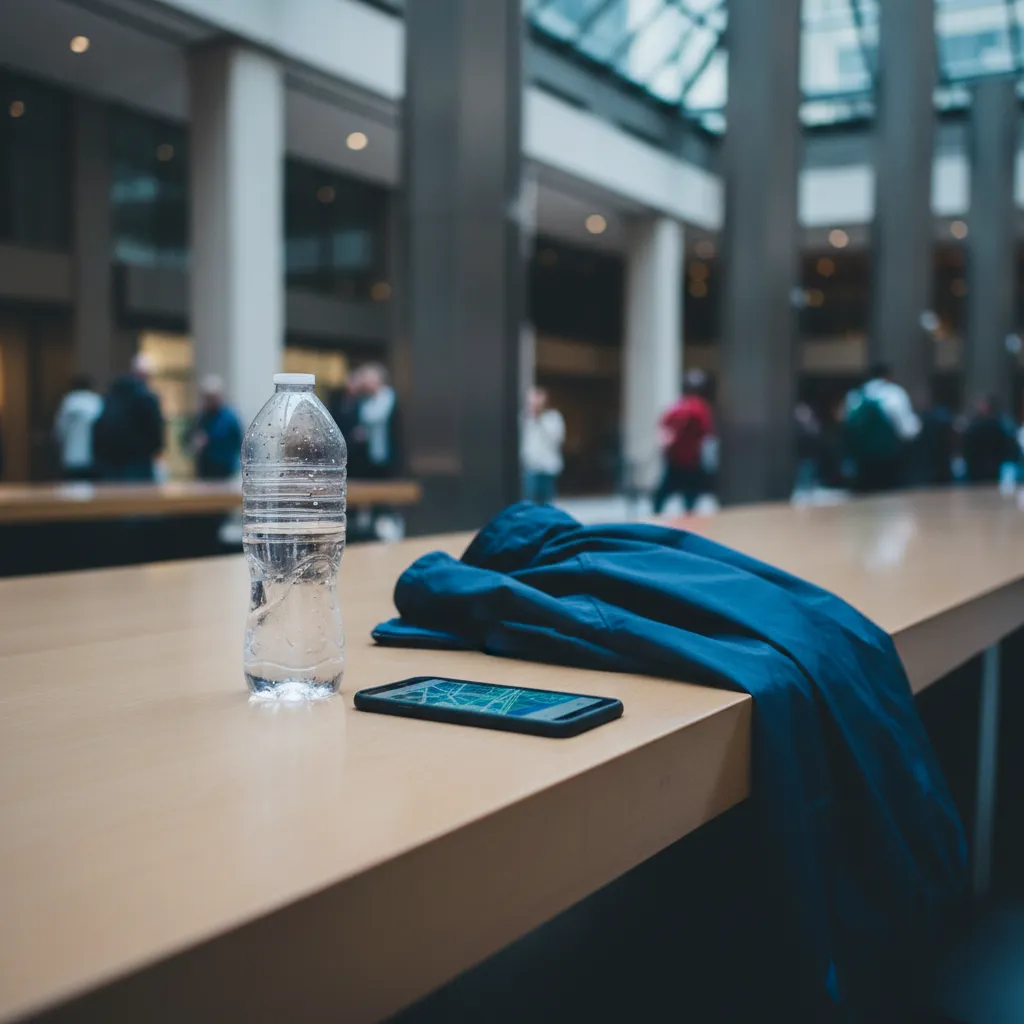
A heat-wave indoor route should be designed around where you can sit. Start with one reliable seat near your origin, one midpoint seat, and one end seat near transit. Then add the reason for the walk: a shop, a short museum visit, a public art stop, a lunch counter, or simply a calmer path between appointments. This reverses the normal tourist instinct, but it creates a better day for older adults, people with chronic pain, families with strollers, and visitors who are not used to NYC humidity.
Restrooms should be checked separately. Some public spaces have them, some do not, and some restrict access based on building policy or events. If restroom certainty matters, use a museum, library, transit hub, large food hall, or reserved restaurant as part of the route. Do not rely on a single office atrium to solve every need.
Use Transit Hubs Carefully
Grand Central, Penn Station, Moynihan Train Hall, Port Authority, and major subway complexes can provide indoor movement, seating pockets, and onward routes. They can also be loud, crowded, and confusing. During a heat wave, many people will have the same idea, so use transit hubs as connectors rather than destinations unless you know exactly where you are going. Keep the next calm stop saved before you enter.
If accessibility matters, check elevators before committing to a subway-based route. A station can be close and still be a poor choice if the elevator is out or the transfer path is long. Buses may offer a more predictable surface route, but traffic and heat at the stop can be draining. Choose the option that gives you the least exposed waiting time.

Make A Heat-Wave Backup That Is Allowed To Be Boring
The best backup on a dangerous heat day may be an unglamorous one: a library reading room, a public atrium, a museum lobby, a train hall bench, or a cafe where buying one drink gives your group a stable place to recover. Do not over-romanticize the outing. If someone is dizzy, flushed, exhausted, or overwhelmed, the plan should shift to cooling, water, and transport home.
For visitors between hotel checkout and a late flight, this framework is especially useful. Store luggage first, then choose a route that ends near the train, bus, taxi, or rideshare you will actually use. A final indoor stop with restrooms can prevent the day from turning into a sidewalk wait with bags.
A cooling-first route should name water stops as deliberately as it names attractions. Bring a bottle, but also identify where you can refill or buy water without standing in a long line. If the day involves older adults, children, medication, or chronic illness, build shorter segments and assume you will need more sitting time than the map suggests. The route is successful if everyone stays regulated, not if every planned stop is completed.
Midtown also rewards vertical thinking. Some useful indoor routes move through concourses, train halls, atriums, and building passages rather than along a single street. That can reduce heat exposure, but it can also add stairs, escalators, security desks, or confusing exits. If step-free access matters, verify elevator routes before committing to an indoor connection. A simpler street-level path with reliable cooling stops may beat a complicated indoor shortcut.
For a visitor-friendly version, pair the route with one small reward that does not require more heat exposure: a bookstore browse, a short museum lobby stop, a food hall snack, or a view from an indoor public space. Keep the reward indoors and close to transit. Heat-wave planning fails when the fun part pulls everyone back outside for too long. The route should make the city feel usable, not heroic.
If you are planning for someone else, share the route in advance and mark every seating stop. That lets the group agree on cooling breaks before heat, fatigue, or crowded sidewalks make decisions harder.
Practical Notes
Before starting, check the National Weather Service forecast, NYC cooling-center information when activated, public-space hours, restroom availability, and MTA elevator status. Carry water, avoid long exposed avenues, and keep the route short enough that you can leave early. If heat feels unsafe, prioritize cooling and transportation over completing the walk.
Tags: #weatherheatwave #indoorwalkingroutemidtownnyc #nycpublicatriums #coolingspaces #freeindoornyc #midtownnyc #restroomchecks #mtaaccessibility #lowwalkingnyc #summernyc #karpocityguide #newyorkcity
Sources consulted: NYC Emergency Management Cooling Centers · National Weather Service New York NY · NYC Planning POPS · Advocates for Privately Owned Public Space · MTA Accessibility
All trademarks are the property of their respective owners.
Ask Karpo first
Need a route that keeps you cool instead of just busy? Ask Karpo for a Midtown indoor plan with seating, restroom checks, and a realistic exit path.