The Garden, the Bluff, and the Hudson You Forgot Was a River
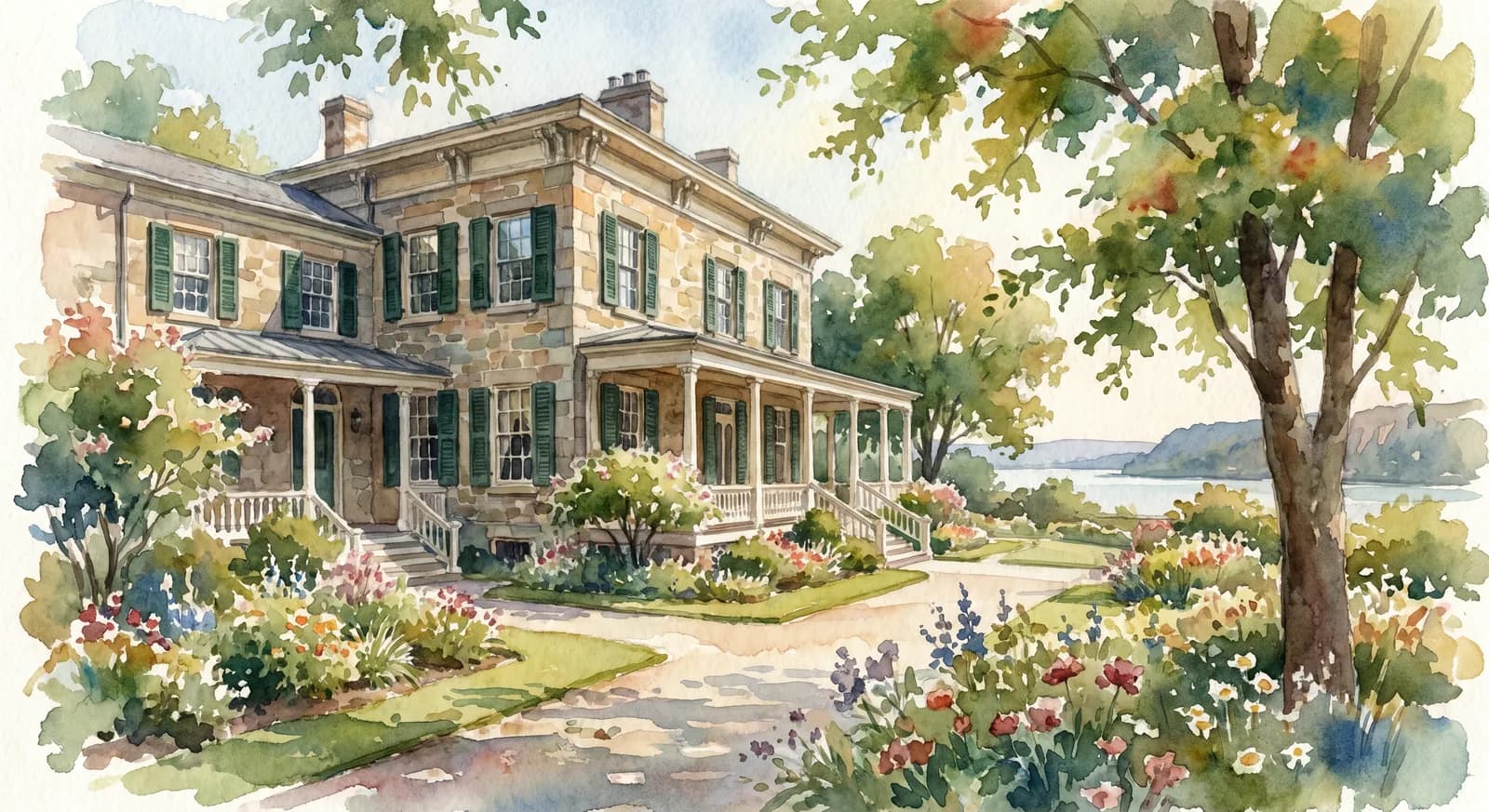
Wave Hill is twenty-eight acres on the Hudson River bluff at the western edge of Riverdale, the Bronx. The original house, built in 1843, is a stone Greek Revival mansion that William Lewis Morris, a prominent New York jurist, built for his family. Theodore Roosevelt's family rented it for the summer of 1870 and 1871; the young Theodore was eleven and twelve. Mark Twain rented the neighboring house in 1901 and wrote a letter to his daughter describing the view as 'one of the most beautiful in the world.' In 1960 the Wave Hill estate was deeded to the City of New York. It has operated as a public garden ever since.
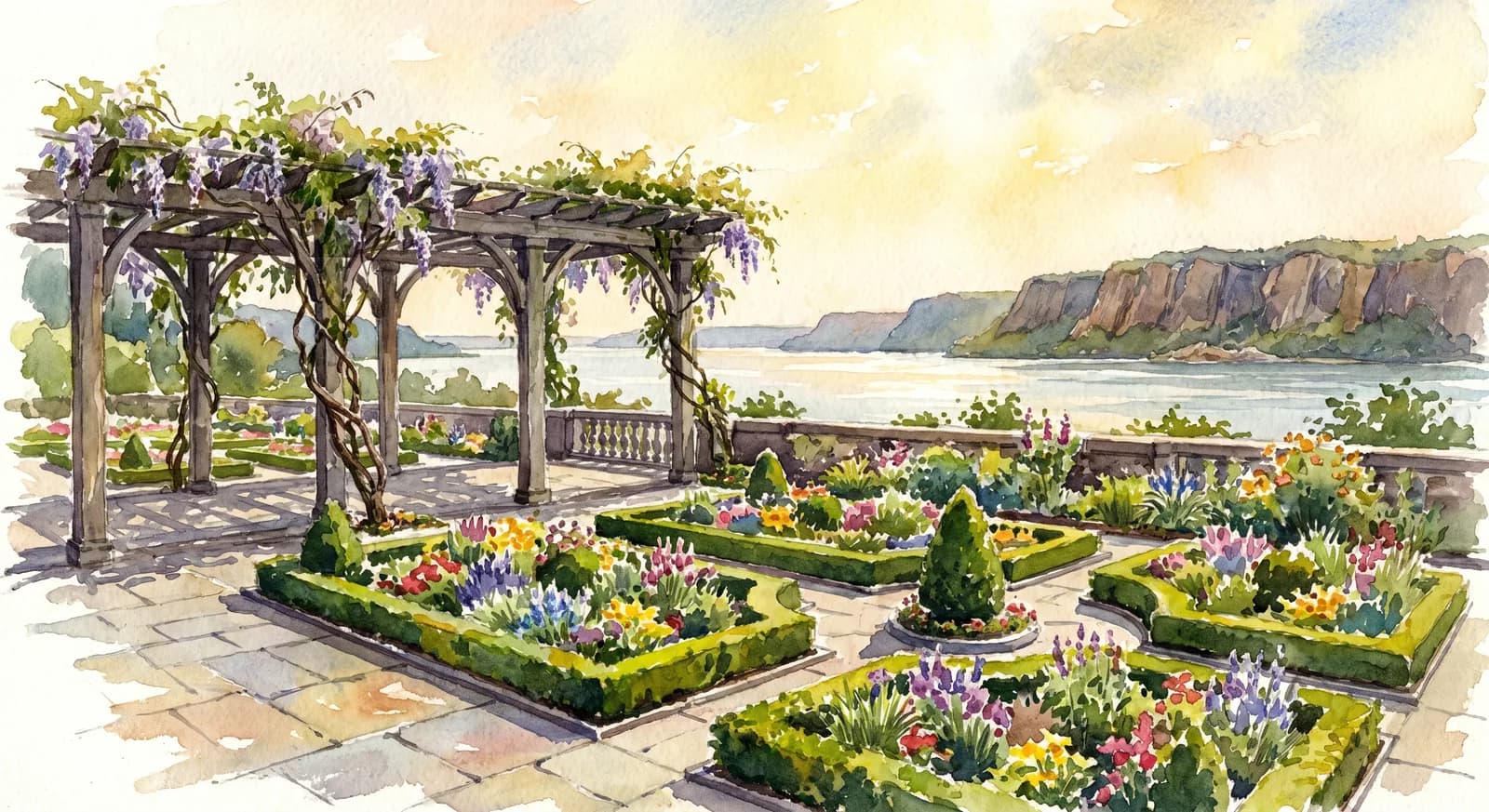
The property faces due west across the Hudson at the New Jersey Palisades — the four-hundred-foot basalt cliffs that hold the river back from the New Jersey suburbs. The view from Wave Hill's main terrace looks down on the river, across to the cliffs, and up to the sky. The Hudson at this latitude is half a mile wide. The garden is the only formal garden in New York City with this view, and one of perhaps five places in the five boroughs where the Hudson is treated by the landscape design as the primary scenic asset.
When It Is Free, and When It Is Not
Wave Hill operates a tiered admission schedule that has held in roughly its current form since 2009. The free windows: all day every Tuesday year-round; Saturday mornings, 9 a.m. to noon, year-round. Outside those windows, admission is $10 for adults, $8 for seniors and students, free for children under six. Members enter free at all times; a membership is $80 a year. The free Tuesday and Saturday-morning windows are the move and account for roughly forty percent of total visits annually.
The garden is open 9 a.m. to 5:30 p.m. from April through October (summer hours), 9 a.m. to 4:30 p.m. November through March (winter hours). Closed Mondays. On the free Tuesday the parking lot fills by 11; the cleanest free-window arrival is between 9:15 and 10:15 a.m. Visitor density across the property is roughly thirty acres per hundred visitors — that is, almost regardless of when you arrive, you can find a bench alone.
What the Twenty-Eight Acres Actually Contain
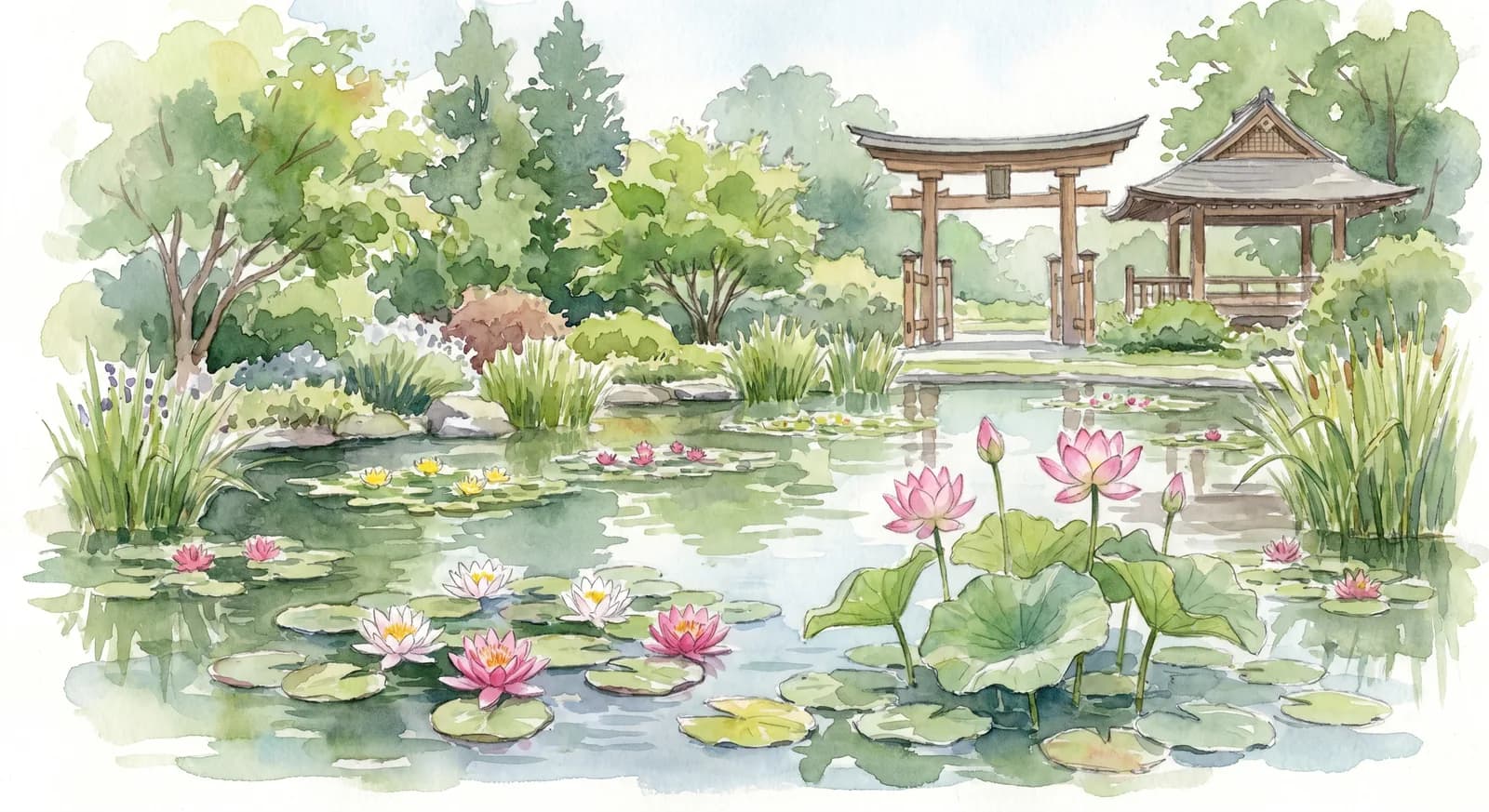
Eight distinct garden zones, all walkable in two hours. The Flower Garden, a Victorian-era parterre at the south end of the property, has roughly four hundred varieties of perennials in formal beds, peak bloom mid-June through mid-September. The Aquatic Garden, a small lily pond surrounded by carved benches, is the most photographed spot on the property — lotus blooms open in late July. The Wild Garden, designed in the 1930s and recently restored, is the property's experimental zone: rock outcroppings, native and introduced species, an English-style wildness within a formal frame.
The Marco Polo Stufano Conservatory, named for Wave Hill's longtime director of horticulture, holds the tropical and desert collections in three connected glasshouses. The Herb and Dry Garden is the smallest zone, and the highest yield on a short visit — culinary herbs, medicinal plants, a stone bench, the Palisades view straight ahead. The Great Lawn slopes from the main house down to the river overlook and is the picnic site of choice — bring a blanket. Glyndor Gallery, the second of the two estate houses on the property, holds rotating contemporary art exhibits curated specifically for the Wave Hill setting and is free with garden admission.
Where to Sit, Where to Walk, Where to Eat
The single bench every Wave Hill regular knows is the cantilevered wooden bench just below the Pergola Overlook, between the Wave Hill House and the cliff edge. It seats four, faces due west, and looks down on the Hudson with the Palisades filling the field of vision. Arrive in late afternoon for golden light on the cliffs. Stay for fifteen minutes. Move on. The Wild Garden bench, the Aquatic Garden's curved wooden bench, and the Stufano Conservatory's interior bench by the bromeliads are the secondary three.
The Wave Hill Cafe operates in the basement of Wave Hill House, weekends only April through October. The menu is the standard botanical-garden lunch (sandwiches, soup, salad, locally roasted coffee, $10–$18 per item). On free Tuesdays the cafe is closed; bring a picnic. The lawn south of the conservatory is the picnic site of record. There is one water fountain near the entrance, restrooms in both estate houses, and no other commercial concessions on the property.
How to Actually Get There
The MTA's Bx7 and Bx10 buses run to West 252nd Street, a three-block walk uphill to the Wave Hill entrance. The MTA Metro-North Hudson Line is the better option: from Grand Central to Riverdale station is twenty-eight minutes, and Wave Hill runs a free shuttle from the Riverdale station to the garden entrance every twenty minutes during open hours. The shuttle is a five-minute ride; the walk from the station is a fifteen-minute climb. Both are free.
Driving: the garden's small parking lot at the West 249th Street entrance fills by mid-morning on free Tuesdays and Saturdays. Free street parking is available on Independence Avenue and the surrounding streets. The total trip from midtown Manhattan: 40 minutes by Metro-North plus shuttle, 60 minutes by subway-and-bus, 35 minutes by car (off-peak). All cheaper than the Hamptons and a tenth the time.
How to Time the Day
The clean Wave Hill free Tuesday: Metro-North 9:14 from Grand Central, arrive Riverdale 9:43, on the free shuttle to the garden by 9:50, inside the gate at 10. Spend three hours. The full property loop is comfortably two hours; the lazy version is three. The order: Flower Garden → Aquatic Garden → Pergola Overlook → Wild Garden → Conservatory → Glyndor Gallery → Great Lawn picnic. Leave at 1, train back to Grand Central, home by 2.
The clean Wave Hill free Saturday: arrive at 9 sharp for the doors-open. The garden is yours for the first thirty minutes — the regulars arrive at 9:30, the children's program at 10, the post-brunch midmorning visitors at 11. Free window closes at noon; if you have not paid the $10 by 11:45 you walk to the gate. Better: leave at 11:45 and walk down the bluff to the Hudson River Greenway for a Saturday-afternoon ride south to Inwood.
Practical notes
- Where: Wave Hill, 4900 Independence Avenue (West 249th Street), Bronx, NY 10471.
- When: April–October 9 a.m.–5:30 p.m., November–March 9 a.m.–4:30 p.m. Closed Mondays.
- Cost: Free all day Tuesday. Free Saturday 9 a.m.–noon. Otherwise $10/$8 (seniors/students)/free under 6.
- Getting there: Metro-North Hudson Line to Riverdale, free Wave Hill shuttle from station.
- Bring: picnic blanket for Great Lawn, sun hat, water bottle. No food in indoor spaces.
- Best stop: the wooden bench at the Pergola Overlook, facing the Palisades.
- Cafe: weekends only April–October; closed on free Tuesdays.
The point
Most of the gardens worth visiting in the New York region cost twenty dollars and an hour on the LIRR. Wave Hill is half an hour from Grand Central, costs nothing on Tuesdays and Saturday mornings, and looks at the Hudson from a vantage that essentially no other public garden in the five boroughs has. Theodore Roosevelt walked these lawns as a child. Mark Twain wrote about the view as the best in the world. Pick a Tuesday in July. Take Metro-North to Riverdale. Get on the free shuttle. Sit on the bench above the cliff.
Tags: #wavehill #riverdale #bronx #freenyc #publicgarden #hudsonriver #thepalisades #marktwain #theodoreroosevelt #freeandfine #karpofinds #bronxoutdoors #freetuesday #botanicalgardennyc #summer2026
Sources consulted: wavehill.org · en.wikipedia.org · mta.info/hudson-line · nycgo.com
All trademarks are the property of their respective owners.