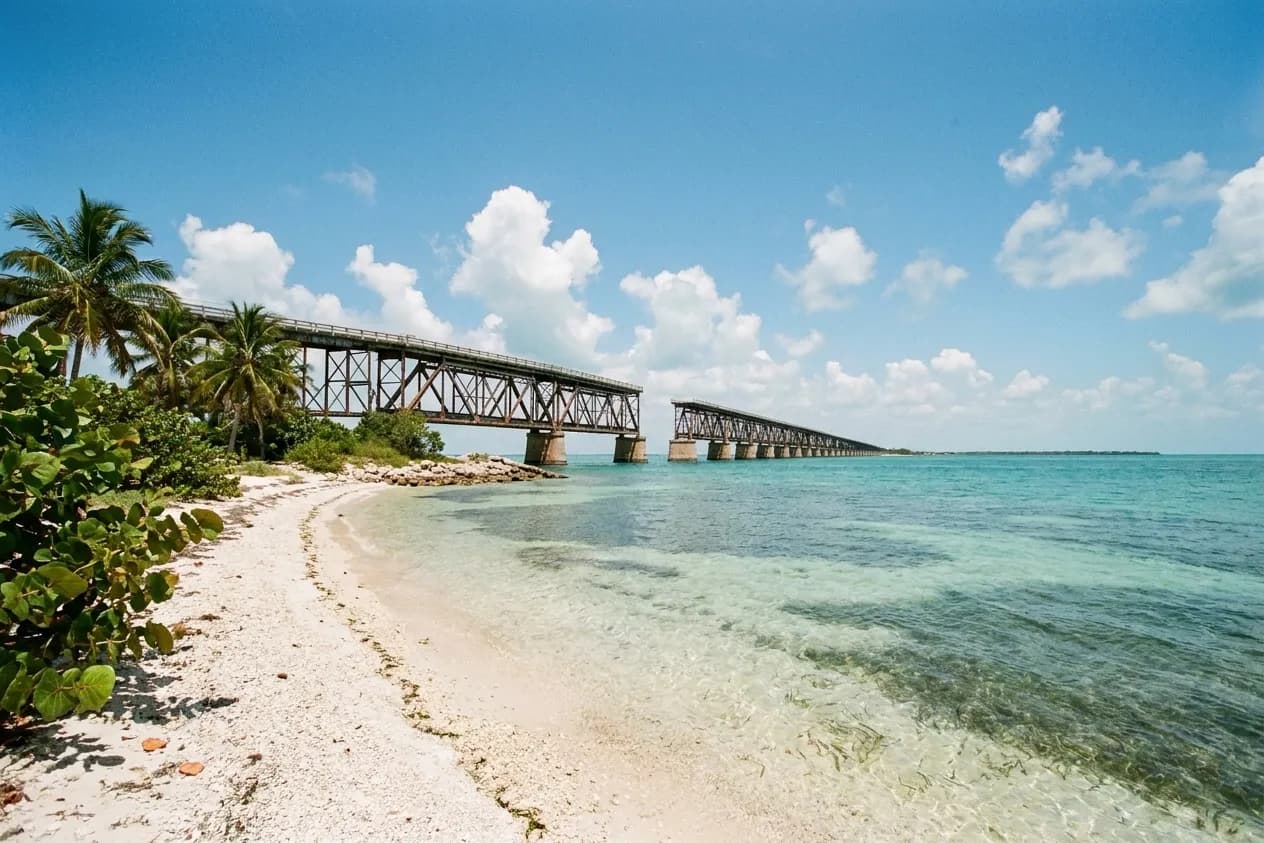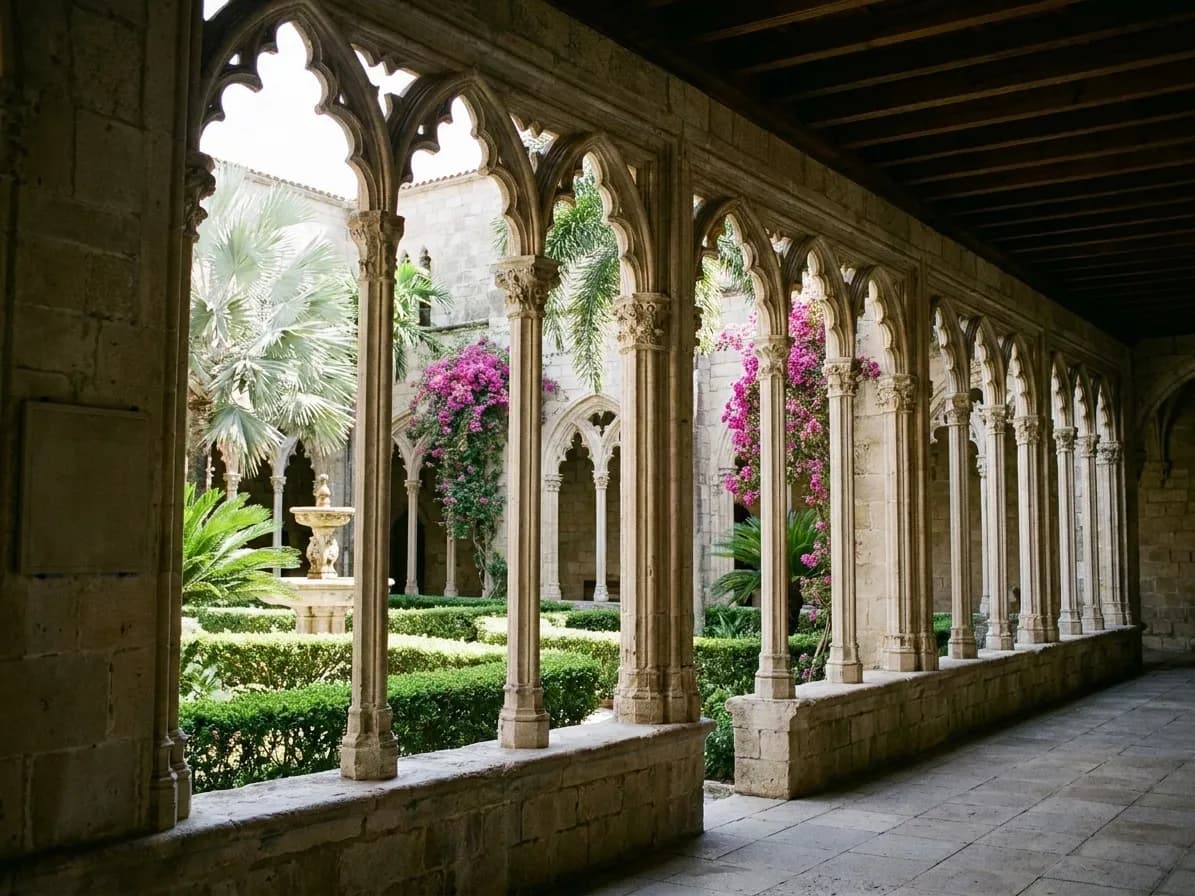
People who move to Miami from somewhere with mountains spend their first year concluding there is no nature here. That is a category error rather than an observation. The landscape is horizontal instead of vertical — mangrove channels, tidal flats, hardwood hammock, sawgrass — and it is genuinely wild in a way that a state park two hours from a northern city usually is not. There is even a waterfall, though not the kind anyone is picturing. Here is the actual outdoor map, mostly within forty minutes of downtown.
Half of this list depends on tide, season and whether the mosquitoes have taken the afternoon, and none of that is on the park website. Tell Karpo when you want to go and it can work out which of these is actually good that day.
Oleta River: the big one hiding in plain sight
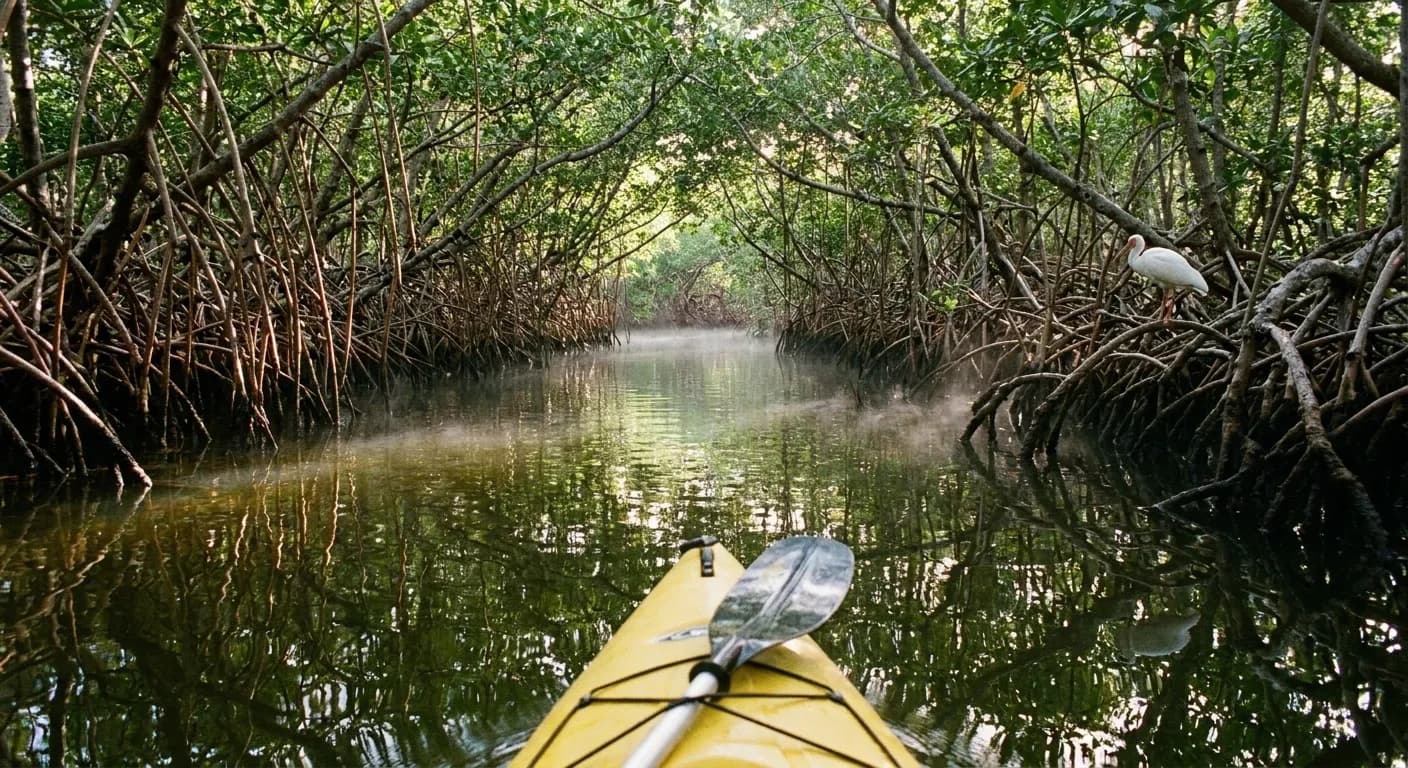
Oleta River State Park in North Miami Beach is Florida's largest urban park and sits about half an hour north of the Brickell towers. It is publicly accessible, well signposted and somehow still feels like a secret, mostly because the people who use it — kite surfers, kayakers, mountain bikers — are the ones who came specifically to avoid a crowd. The paddling is the main event: calm bay water on one side, winding river channels on the other, with kayak rental on site. Sunset back toward the downtown skyline from the water is arguably the best view in the county.
Full moon and sunset guided paddles run here and are worth doing once even if you normally avoid organized anything. Being in a mangrove channel in the dark, with the city glowing beyond the tree line, reframes the whole place.
Deering Estate: the shoreline nobody walks
Down in Palmetto Bay, the Deering Estate has a bayfront that most visitors skip entirely in favour of the historic houses. That is a mistake — the rocky shoreline with its small sandy patches is quiet and unusually scenic, looking across Biscayne Bay to the barrier islands. You can also paddle out from Deering Point into the mangrove islands, which is the most reliable wildlife viewing close to the city. Go on a weekday morning if you want it to yourself, which you almost certainly will.
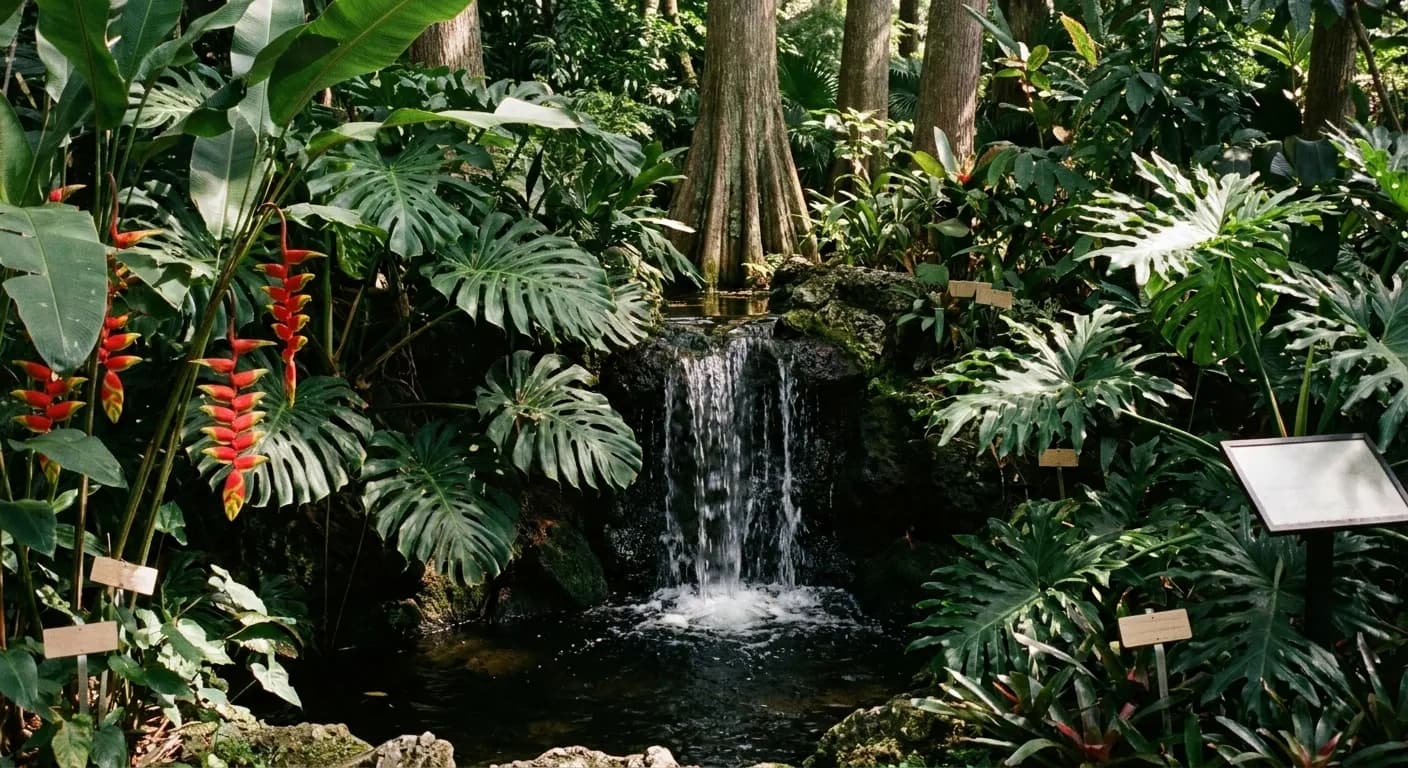
The waterfall, and it is real
The Kampong in Coconut Grove is a nine-acre tropical garden built around a collection of rare fruit trees and exotic plants gathered from around the world, and tucked inside it is a hidden waterfall alongside a stand of bald cypress. Entry is a few dollars, it is rarely busy, and it is the single most surprising place in the city — a dense, humid, deliberately overgrown garden in the middle of a residential neighborhood. If you have visitors who think Miami is a beach and a nightclub, take them here for an hour.
Bill Baggs and the family-scale version
At the southern tip of Key Biscayne, Bill Baggs Cape Florida State Park has gentle trails, the historic lighthouse, mangrove wetland paths along the west side, and piers looking out toward Stiltsville. Manatees and spotted eagle rays turn up regularly. It is a paid park with a per-vehicle entrance fee, and it is the right answer for a group with mixed appetites — somebody can hike, somebody can swim, somebody can sit under a sea grape with a book, and nobody has to drive more than twenty-five minutes.
The atoll pool, for anybody with small children
In Coral Gables there is a man-made atoll pool flushed naturally by the tides of Biscayne Bay — shallow, calm, with skyline views that are particularly good near sunset. It is a long-standing local favorite for families who want water without surf and without the drive to a beach car park. Tide timing matters here more than at a beach: at the wrong point in the cycle it is much shallower and less appealing, so check before loading the car.
The Everglades, forty miles west
The sawgrass starts about forty miles west of downtown, and the sunset airboat run is when the wildlife actually moves. Coopertown along the Tamiami Trail is one of the long-standing launch points. Be realistic about what an airboat trip is — loud, fast, touristic — and go anyway, then balance it with a slow walk on one of the boardwalk trails further into the park, which is where you actually see things. Mosquito season, roughly late spring through autumn, is not a joke here, and repellent is the difference between an evening and an ordeal.
How to time any of this
Three variables decide whether a Miami outdoor day is wonderful or miserable, and none of them is on a park website. Heat: be on the water or under canopy before 10am from May to October. Tide: mangrove channels and the atoll pool are far better on a higher tide, and a low tide can leave you dragging a kayak. Insects: dawn and dusk in the wet season belong to the mosquitoes, so either bring serious repellent or go mid-morning. Get those three right and this is one of the best outdoor cities in the country. Get them wrong and you will conclude there is no nature in Miami.
Wildlife, and what you will actually see
Manage expectations in the right direction. You are very likely to see wading birds — ibis, herons, egrets, occasionally roseate spoonbills — plus ospreys, iguanas everywhere, and fish in the shallows. Manatees are common in winter around warm-water outflows and quiet canals, and eagle rays turn up off the Key Biscayne piers. Alligators live in the fresh water inland, not in the bay, so a mangrove paddle is not the risk people imagine. What you will not see is anything at midday in July, because the wildlife has more sense than the visitors and is resting in the shade.
Park hours, entrance fees and rental operations change seasonally, and some of these sites close areas for restoration, so check the park's own page before you drive out.
Tags: #naturenearmiami #oletariver #deeringestate #billbaggs #thekampong #everglades #kayakingmiami #mangroves #hiddenmiami #outdoorsmiami #miamiparks #biscaynebay #coconutgrove
All trademarks are the property of their respective owners.
Ask Karpo first
Tide, wind and mosquito season decide whether a mangrove paddle is wonderful or miserable, and none of it is posted. Ask Karpo the morning you plan to go.