 Salad Near Me in Chinatown: Dimes' Grain Bowls and Greens
Coffee & Dessert
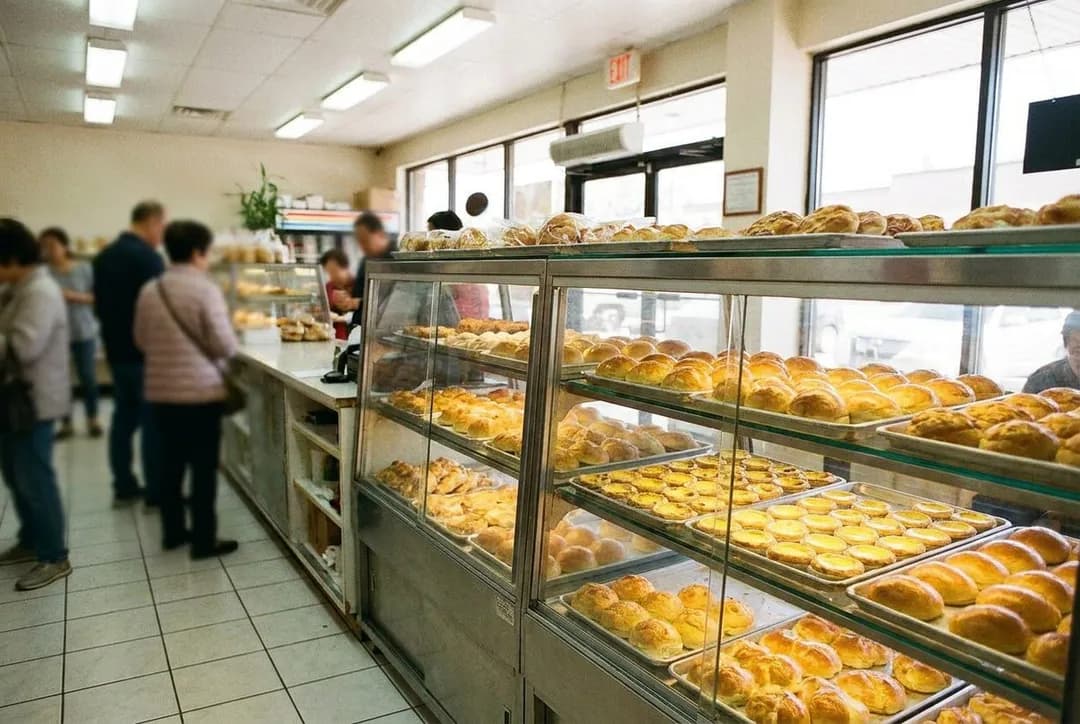
Warm Egg Tarts and Milk Tea in the Mid-Afternoon Lull at a Sunset Park Bakery
A Cantonese bakery counter in Brooklyn Chinatown: the rhythm of trays coming out, steam, and the quiet stretch between the morning and evening rush.
The mid-afternoon stretch at a Cantonese bakery on Eighth Avenue moves to its own unhurried clock. Between the morning rush of commuters grabbing pineapple buns and the after-school surge of kids eyeing custard buns, there's a pocket of quiet where steam still rises from metal trays and the fluorescent hum settles into something almost meditative. The counter staff wipe down surfaces, restock napkins, and the regulars who know this rhythm claim their corner tables without fanfare.
The Tray Rotation and the Art of Timing
Fresh trays emerge from the back kitchen on a schedule that locals have internalized but never see posted. Egg tarts arrive around two-thirty, their crusts still crackling with residual oven heat, the custard wobbling slightly when the tray hits the glass case. Char siu bao follow twenty minutes later, their tops split and glossy. The bakers don't announce anything—they simply slide the trays into their designated spots and retreat. Those who've been nursing a cup of milk tea at a corner table glance up, note the arrival, and sometimes rise to claim a tart before the next wave. The pastries don't stay warm for long, and the difference between a tart pulled at 2:45 and one bought at 4:00 is the difference between molten custard and merely good custard.
Steam, Sugar, and the Smell That Holds the Room
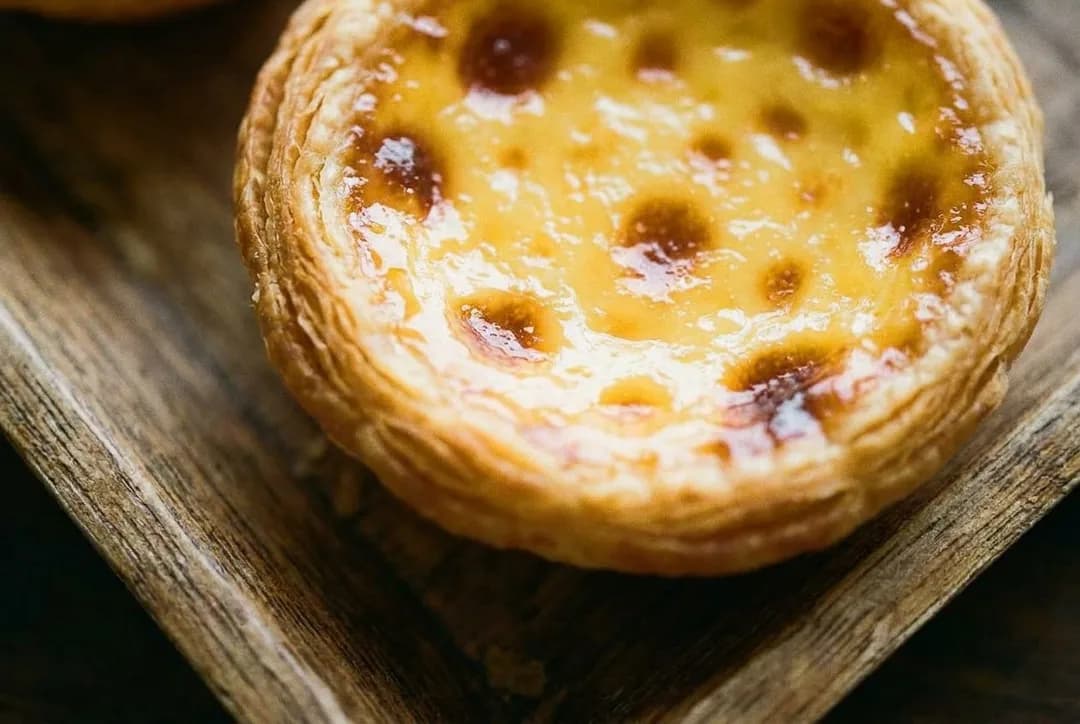
The air inside carries layers. There's the yeasty warmth of steamed buns, the caramelized edge of baked char siu, and underneath it all, a faint sweetness that might be condensed milk or might be the residue of a thousand egg washes. When the door opens, cold wind cuts through and resets the room for a moment, but the smell reasserts itself as soon as the door swings shut. The glass cases fog slightly near the steamer baskets, and the staff wipe them down with blue rags every fifteen minutes. On slower days, the baker behind the counter sometimes leaves a tray of coconut buns on the back table to cool, and the smell of toasted coconut drifts forward, mixing with everything else. It's not a curated scent—it's the accumulated warmth of a kitchen that's been running since dawn.
The Milk Tea Drinkers and Their Unspoken Territory
A handful of tables near the window become semi-permanent real estate in the afternoon. Older men spread out Chinese-language newspapers, their cups of hot milk tea going cold as they read. A woman in a puffy jacket works through a stack of bills, calculator clicking, a half-eaten wife cake on a napkin beside her. No one's in a hurry. The tables aren't large, but they're claimed with the confidence of people who know the staff won't rush them. The milk tea here is the Hong Kong style—strong, sweet, served in a thick ceramic mug that holds heat longer than it should. Some add evaporated milk from the self-serve station near the napkins. Others drink it as it comes, stirring occasionally, using the warmth as much as the caffeine.
What Comes Out When and Why It Matters
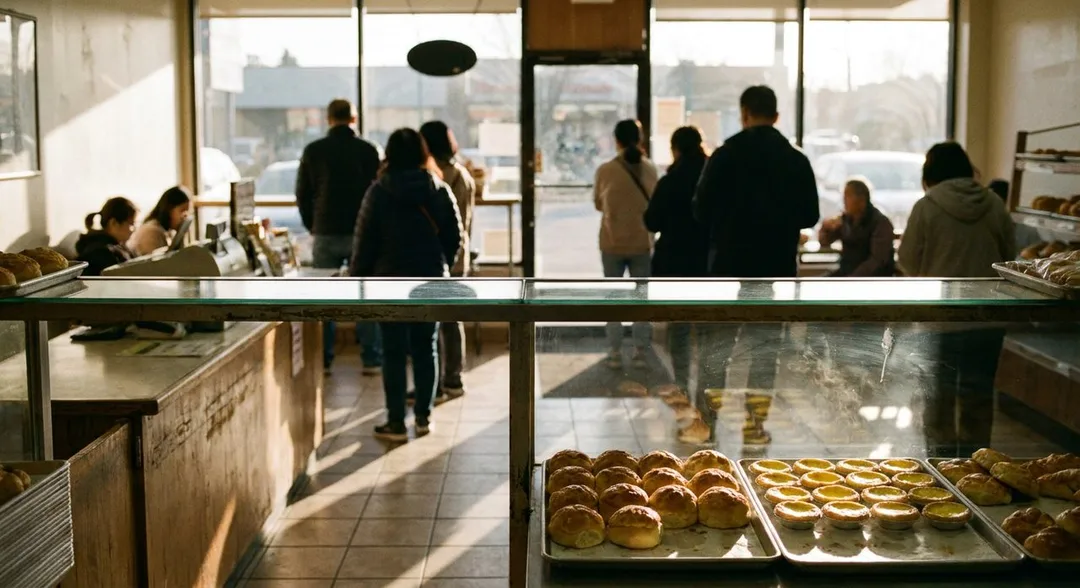
The bakery's rhythm isn't random. Morning belongs to buns—pineapple, red bean, hot dog buns for the school crowd. Midday is for turnover items, things that sell fast and don't linger. But the afternoon is when the egg tarts and wife cakes get their moment, when the kitchen can afford to let things cool naturally instead of cycling them out under heat lamps. The Portuguese-style egg tarts—flakier crust, deeper custard—are a later addition to the case, sometimes not appearing until three. The Hong Kong-style tarts, with their cookie-like shells, are more reliable, restocked twice in the afternoon. The distinction matters to regulars, who know which style they want and who will wait if the tray isn't out yet. There's no menu explaining the difference. The assumption is that anyone walking in already knows, or will learn by watching.
The Quiet Negotiations at the Counter
Ordering happens in a mix of Cantonese, Mandarin, and transactional English. Fingers point at trays. Staff nod, pull items with tongs, slide them into white paper bags without ceremony. There's no upselling, no "anything else today?"—just the transaction and the subtle dance of regulars who know to ask if there's a fresh tray coming soon. Newcomers sometimes hesitate, scanning the case, trying to decode what's sweet versus savory, what's filled with lotus paste versus red bean. The staff wait, patient but not effusive, and if someone takes too long, they'll move to the next person in line and circle back. The counter is narrow, the space behind it tightly choreographed. Two people can work it comfortably; three is a squeeze. During the afternoon lull, it's often just one, and the pace slows to match.
The Light, the Formica, and the Unchanging Aesthetic
Fluorescent tubes cast everything in flat, even light. The tables are Formica, the chairs mismatched plastic and metal. There's no attempt at atmosphere in the design sense—no Edison bulbs, no reclaimed wood, no chalkboard menus. The aesthetic is purely functional, the same setup that's been working in Cantonese bakeries for decades. The walls are painted a neutral cream, scuffed near the door where bags and elbows have made contact over the years. A calendar from a local insurance agent hangs near the register, months out of date. The space doesn't try to be anything other than what it is: a place to buy baked goods, drink tea, and sit for a while if the tables are open. The lack of polish is part of the appeal for those who find it—proof that the focus is on what comes out of the oven, not what's on the walls.
Practical Notes
The bakery operates daily, opening early enough to catch the breakfast crowd and closing after the dinner hour when the last of the buns are sold or packed away. It's a short walk from the Eighth Avenue N train stop, nestled among other storefronts in the heart of Brooklyn's Chinatown. No reservations, no phone orders for single pastries—everything's counter service, cash or card, first-come basis. Egg tarts run a few bucks each, and a milk tea won't set anyone back more than the cost of a subway ride. The afternoon lull is the time to visit for anyone seeking a table and the chance to eat a tart while it's still warm. Weekends see more foot traffic, but weekday afternoons remain the domain of regulars and those who've learned the rhythm.
Tags: #SunsetPark #BrooklynChinatown #CantoneseEats #EggTarts #MilkTea #BakeriesOfNYC #EighthAvenue #AfternoonRituals #PullUpAChair #NYCFood #HongKongStyle #NeighborhoodGems #BrooklynEats #KarposFinds
Sources consulted: eater.com · timeout.com · infatuation.com
All trademarks are the property of their respective owners.
Ask Karpo first
Want to know when the next tray comes out, what to pair with the milk tea, and which pastries the locals actually buy?
Ask Karpo for the best timing between batches, what to order beyond egg tarts, how to navigate the counter, and a live route around Sunset Park before you head out.
Ask Karpo for more information.
Keep reading
- Salad Near Me in Chinatown: Dimes' Grain Bowls and Greens
 Best Breakfast Near Me at Russ & Daughters Cafe: Lox Board
 Best Breakfast Near Me in Williamsburg: Sunday in Brooklyn's Hazelnut Pancakes