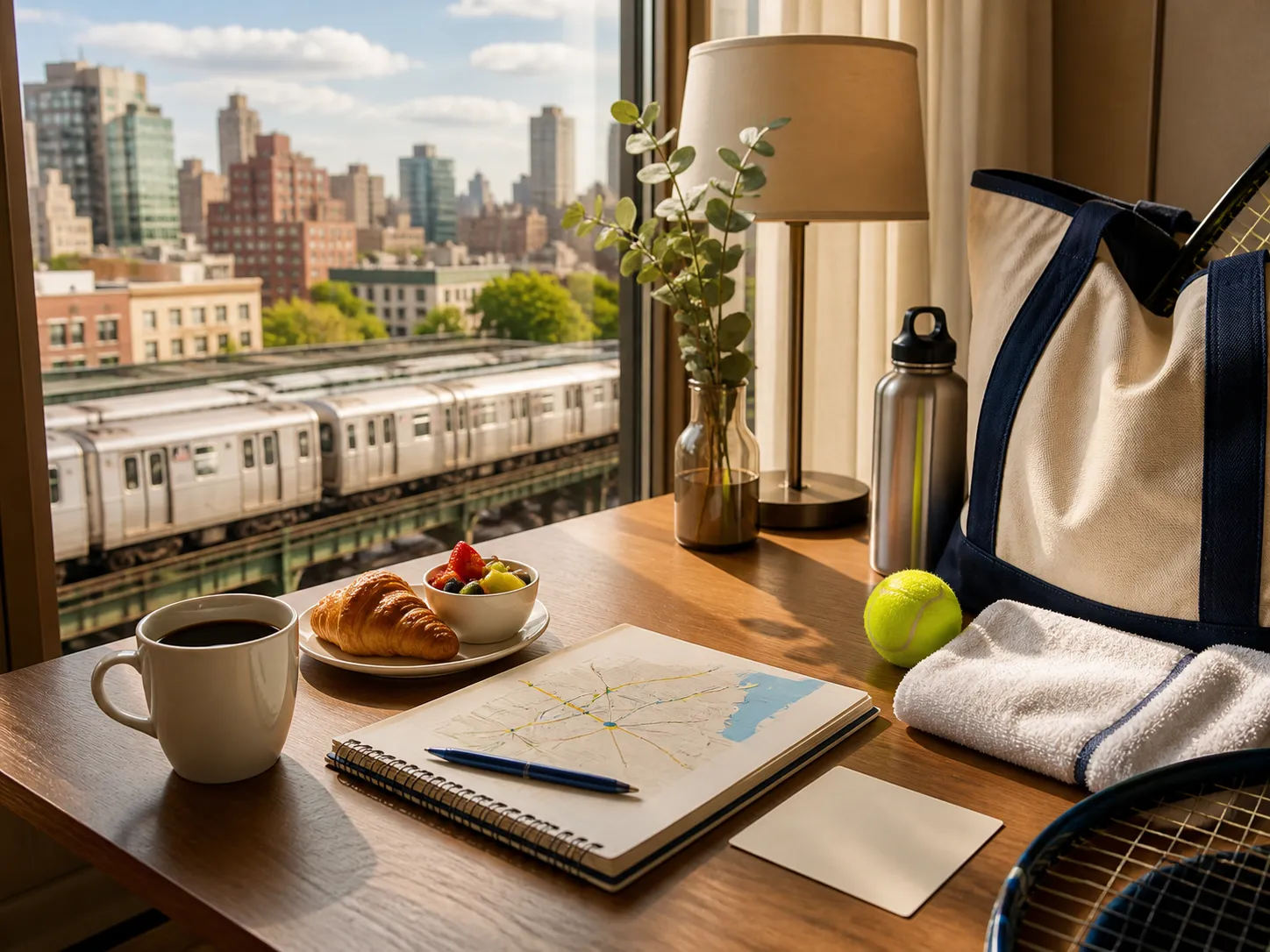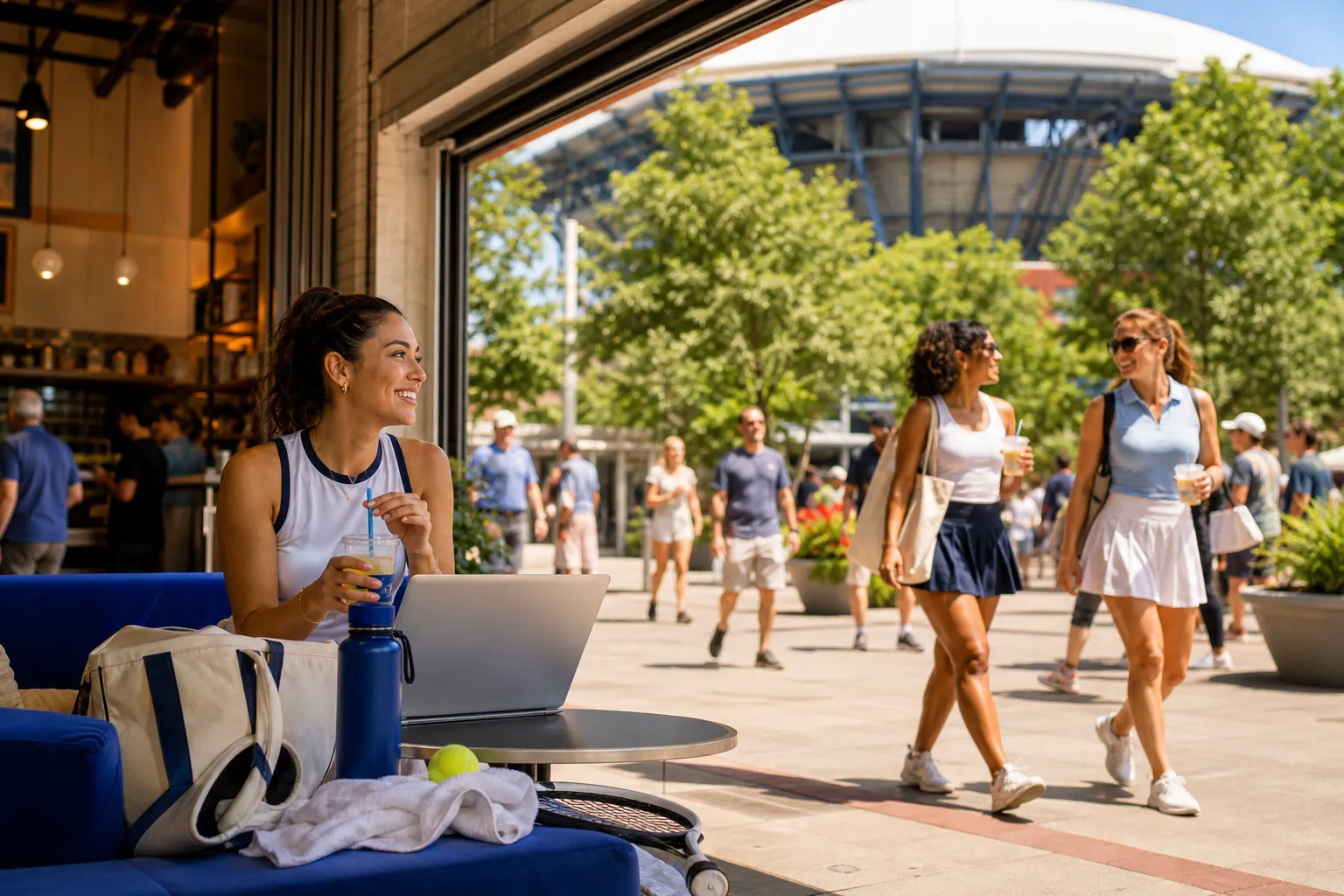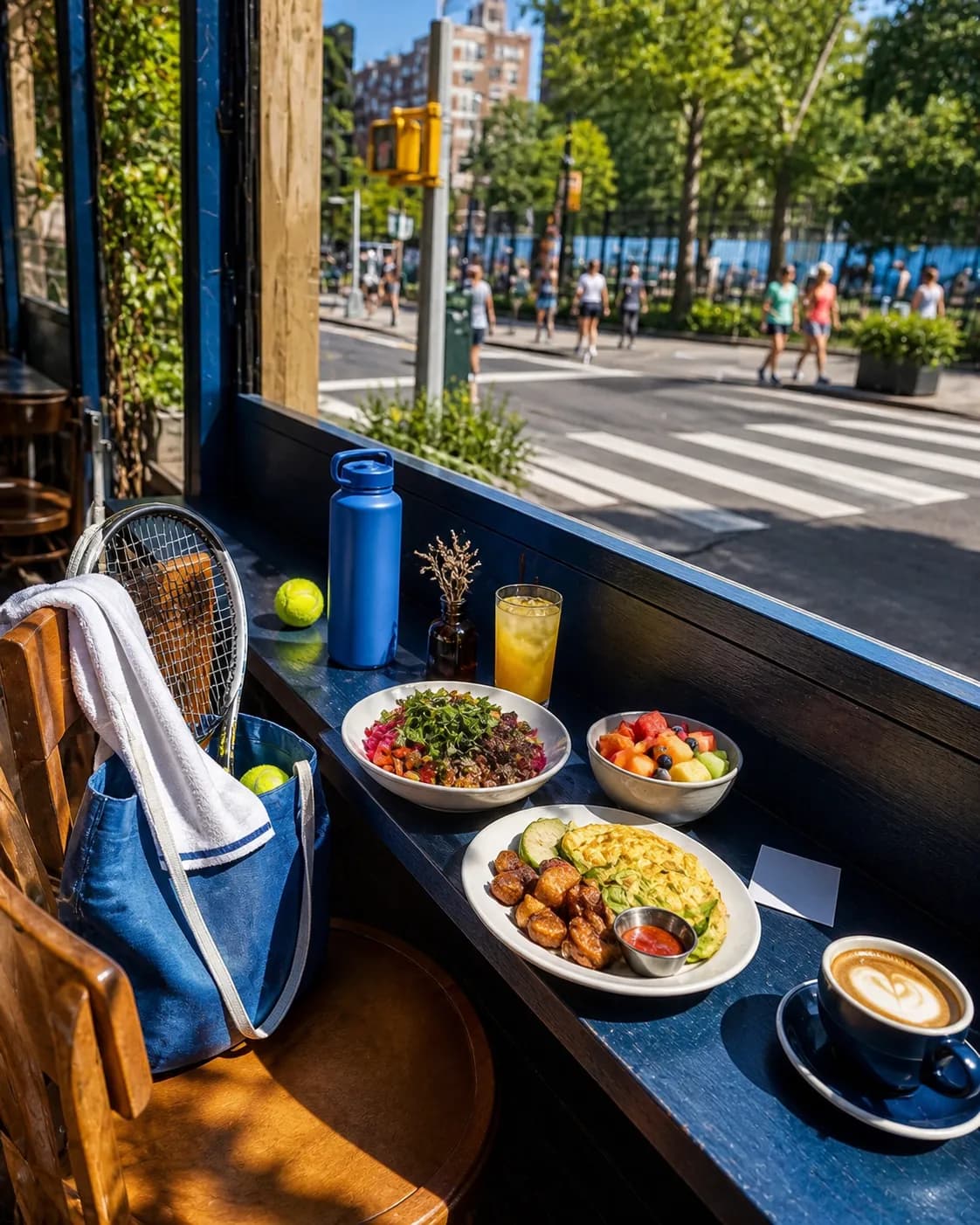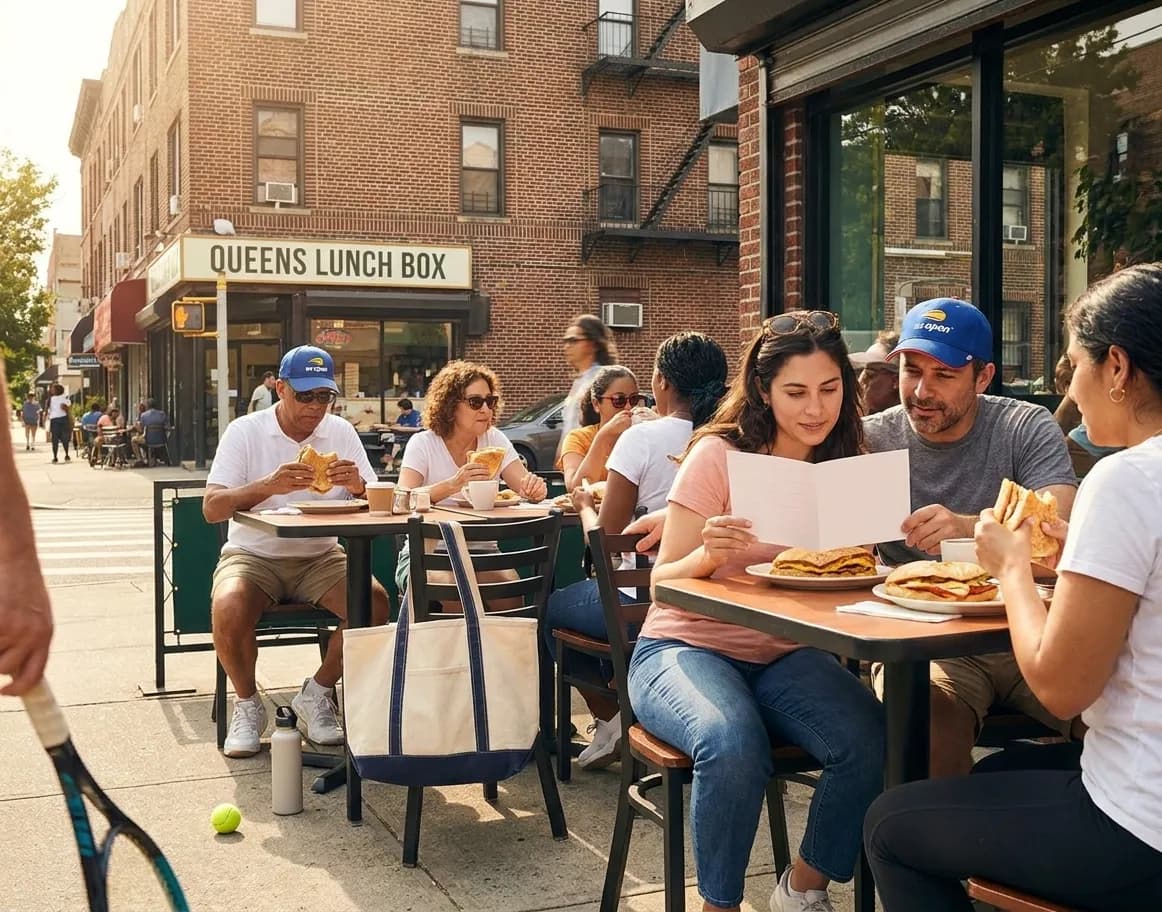
A US Open day is a physical event. You'll walk the grounds at Flushing Meadows, climb stairs between Arthur Ashe Stadium and the outer courts, stand in lines, and ride the 7 train through Queens—often for ten or twelve hours straight. The keyword "vita vea" brings strength and stamina to mind, and that's exactly the lens to use when planning meals around a long tournament day. This isn't about grabbing a quick snack; it's about choosing foods that sustain energy, support recovery, and fit into the rhythm of a neighborhood known for generous portions, diverse cuisines, and practical eating. Queens delivers hearty meals naturally, and with a little planning, you can match your food choices to the demands of a full US Open session.
Text Karpo with your US Open session time and Queens starting point, and we’ll turn this hearty Queens meals for long walking days into a practical local plan.
Why Strength Meals Matter for US Open Days
The US Open runs from late August into early September, often in heat and humidity. Sessions can start at 11 a.m. and run past midnight. You'll be on your feet, navigating crowds, and moving between courts. That physical load requires meals with staying power: complex carbohydrates, quality protein, healthy fats, and enough hydration to keep you alert and comfortable. A breakfast that fades by noon or a lunch that leaves you sluggish by the evening session won't serve you well. Instead, think about meals that release energy slowly, support muscle recovery, and don't weigh you down. Queens—especially along the 7 train corridor—offers exactly this kind of food, from Colombian bandeja paisa to Chinese congee, Turkish pide to Mexican tortas. The challenge isn't finding hearty food; it's timing and choosing it strategically.
Pre-Match Fuel: Starting Strong in Flushing or Jackson Heights
If you're heading to an 11 a.m. or noon session, aim to eat a substantial breakfast by 9 a.m. Look for meals that combine whole grains, eggs, vegetables, and a moderate amount of fat. In Flushing, you might find congee with century egg and lean pork, or a steamed bun filled with vegetables and tofu. In Jackson Heights, consider arepas with scrambled eggs and avocado, or a Turkish breakfast spread with olives, cheese, tomatoes, and bread. These meals provide sustained energy without the sugar crash of pastries or the heaviness of fried foods. If you're staying near Long Island City or Astoria, many cafes offer grain bowls, avocado toast on seeded bread, or yogurt with granola and fruit. The goal is to leave the table satisfied but not stuffed, with enough fuel to carry you through the first few hours of walking and standing.
Midday Meals: Timing Around Session Breaks
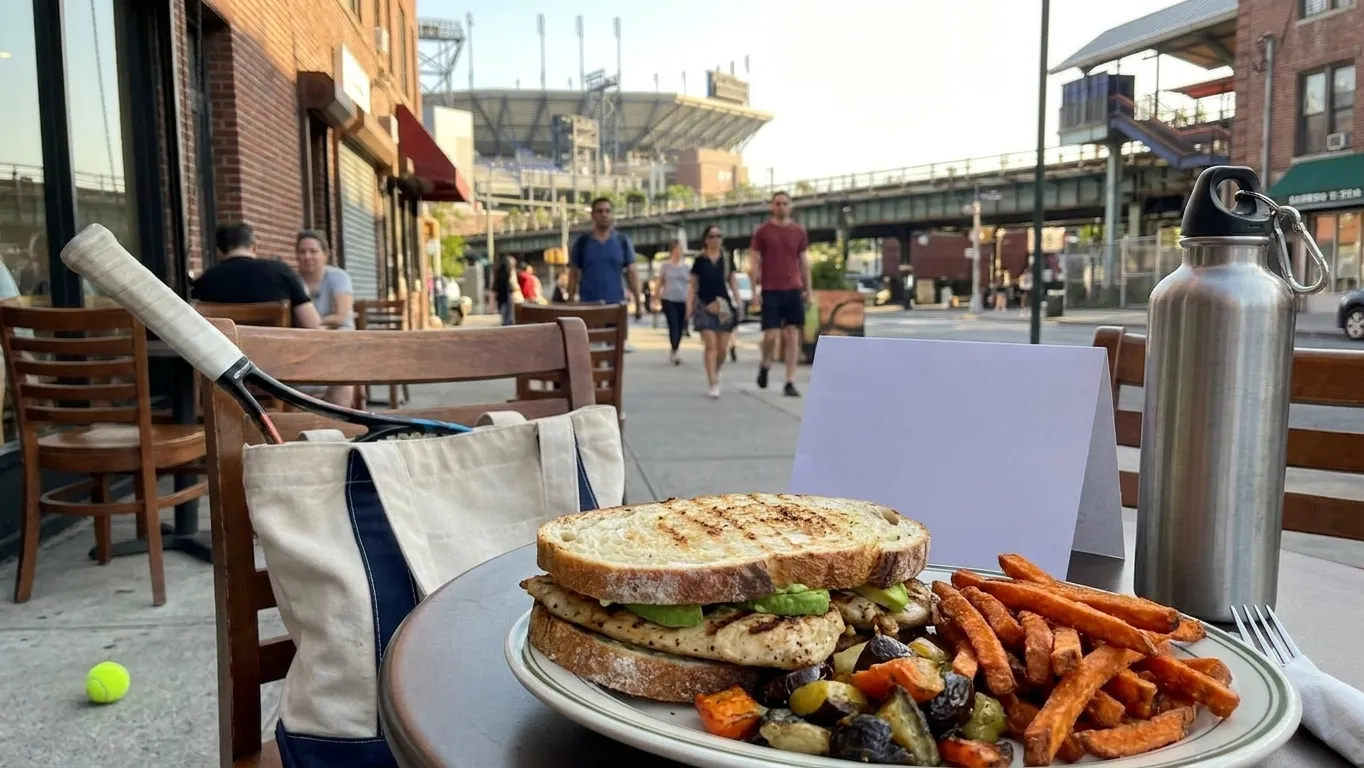
If you're attending a day session, plan a midday meal between 1 and 3 p.m., ideally during a break between matches or while exploring the grounds. Inside the US Open, food options are available, but they can be pricey and crowded. If you step out to the 7 train corridor, you'll find more variety and often better value. In Corona, look for Dominican or Mexican spots offering rice, beans, grilled chicken, and salad—meals that provide protein and fiber without excessive grease. In Flushing, consider a noodle soup with vegetables and tofu, or a rice plate with steamed fish and greens. These meals are filling but not heavy, and they hydrate as well as nourish. If you're planning to return for an evening session, this midday meal becomes your anchor, so choose something that will hold you through the afternoon and into the early evening.
Portable Snacks and Hydration Strategy
The US Open allows sealed, non-alcoholic beverages in plastic bottles up to 20 ounces, and small snacks in clear bags. Check the official prohibited-items guide on usopen.org before packing. Portable snacks that travel well include nuts, dried fruit, energy bars made with whole ingredients, and fresh fruit like apples or bananas. These provide quick energy and are easy to carry in a small backpack or tote. Hydration is critical: bring a refillable water bottle and plan to refill it at water fountains or concession stands throughout the day. Dehydration saps energy faster than hunger, and the combination of sun, walking, and crowds makes it easy to fall behind on fluids. If you're sensitive to caffeine, be mindful of iced coffee or tea intake in the afternoon, as it can interfere with evening stamina.
Post-Session Recovery: Evening Meals Along the 7 Train
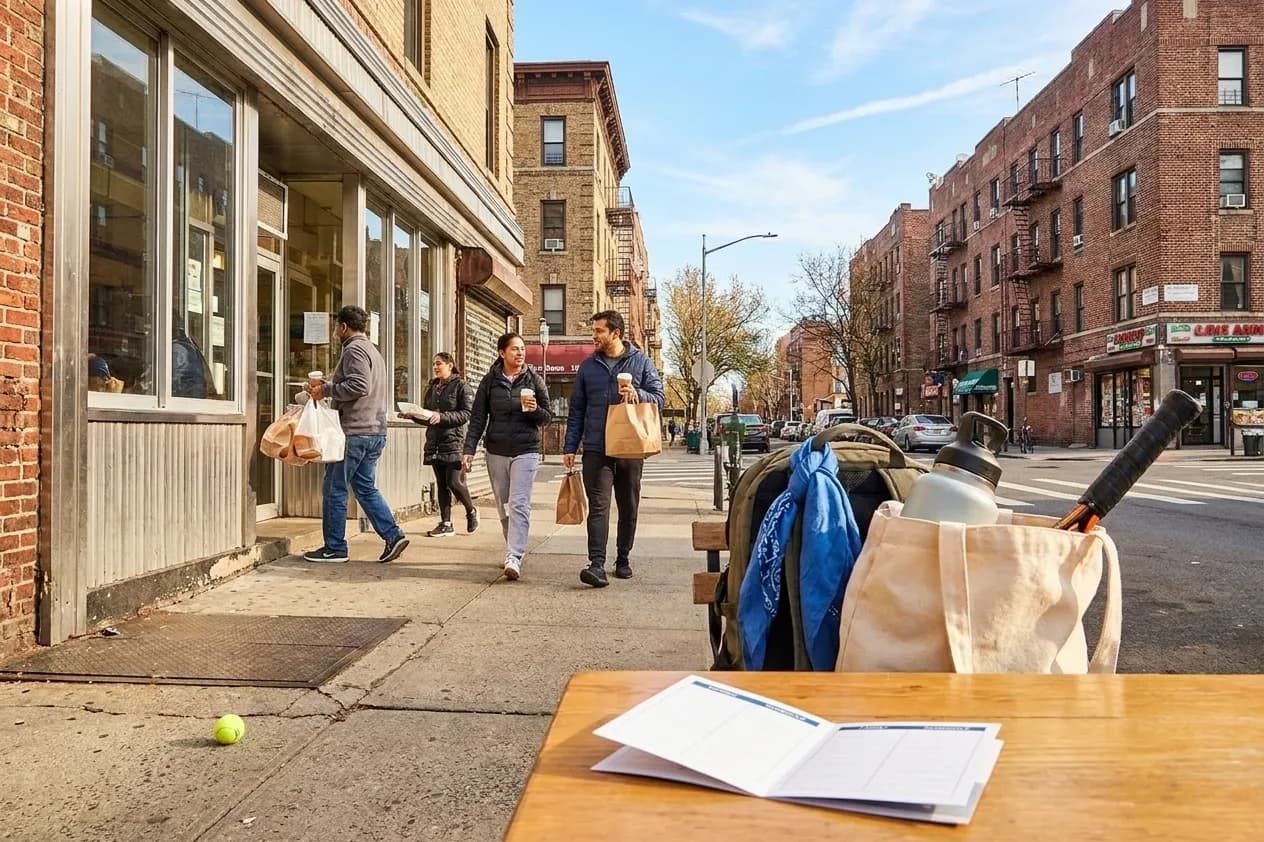
After a long day or evening session, your body needs recovery fuel: protein to repair muscles, carbohydrates to replenish energy, and vegetables for vitamins and fiber. If you're heading back along the 7 train, consider stopping in Flushing for hot pot, Korean barbecue, or a noodle bowl with beef and greens. In Jackson Heights, look for Tibetan momos, Nepali dal bhat, or Colombian grilled meats with plantains and rice. These meals are warm, satisfying, and designed to be shared, which can make the end of a long day feel social and restorative. If you're staying in Long Island City or Astoria, many restaurants offer Mediterranean or Middle Eastern plates with grilled proteins, hummus, tabbouleh, and pita—light enough to digest before bed but substantial enough to support recovery.
Adjusting for Heat, Crowds, and Personal Needs
Everyone's energy needs are different, and factors like heat, sleep, and stress affect appetite and digestion. If you're not used to long days on your feet, start with smaller, more frequent meals rather than three large ones. If you're managing dietary restrictions—gluten-free, dairy-free, vegetarian, or vegan—Queens offers abundant options, but it helps to research menus in advance or ask Karpo for specific suggestions. If you're attending multiple days, pay attention to how different meals affect your energy and adjust accordingly. Some people do better with lighter, plant-forward meals; others need more protein and fat. There's no single formula, but the principle remains: choose foods that sustain you, hydrate consistently, and don't skip meals just because you're caught up in the excitement of the matches.
Practical Notes for Meal Planning Around the US Open
- Check the official US Open event schedule on usopen.org to plan meal timing around session start and end times.
- Review the prohibited-items guide on usopen.org before packing snacks or beverages.
- Use the MTA's official US Open transit guide to plan 7 train stops and meal locations along the route.
- Bring a refillable water bottle and plan to refill it throughout the day at the venue or nearby parks.
- Consider eating your largest meal midday if attending an evening session, or early evening if attending a day session.
- Research restaurant hours and menus in advance, especially in Flushing and Jackson Heights, where some spots close between lunch and dinner.
- If you're attending multiple days, vary your meals to avoid palate fatigue and ensure balanced nutrition.
- Ask Karpo for real-time suggestions based on your session time, dietary needs, and starting point in Queens.
vita vea, US Open meals, Queens food guide, Flushing Meadows dining, 7 train restaurants, hearty meals NYC, tennis tournament stamina, long walking day fuel
US Open® is a registered trademark of the United States Tennis Association. This article is not affiliated with or endorsed by the USTA, the US Open, or any official tournament entity.
Ask Karpo First
Tags: #USOpen2026 #Queens #FlushingMeadows #KarpoFinds #Karpo #vitavea #NewYorkLocal #TennisTravel #NYCLocalLife #TennisTravel
Sources consulted: usopen.org — Official event schedule · usopen.org — Official visitor A-Z guide · usopen.org — Official transportation directions · usopen.org — Official prohibited-items guide · MTA — Official US Open transit guide · NYC Parks — Flushing Meadows Corona Park · NYC Tourism — Queens · NYC Health — Food Safety
All trademarks are the property of their respective owners.
Ask Karpo first
Want to know what is actually open, how to time the trip, and where to pause around Queens? Ask Karpo for the latest public US Open context, a respectful visitor plan, and a live route around Flushing Meadows before you head out.