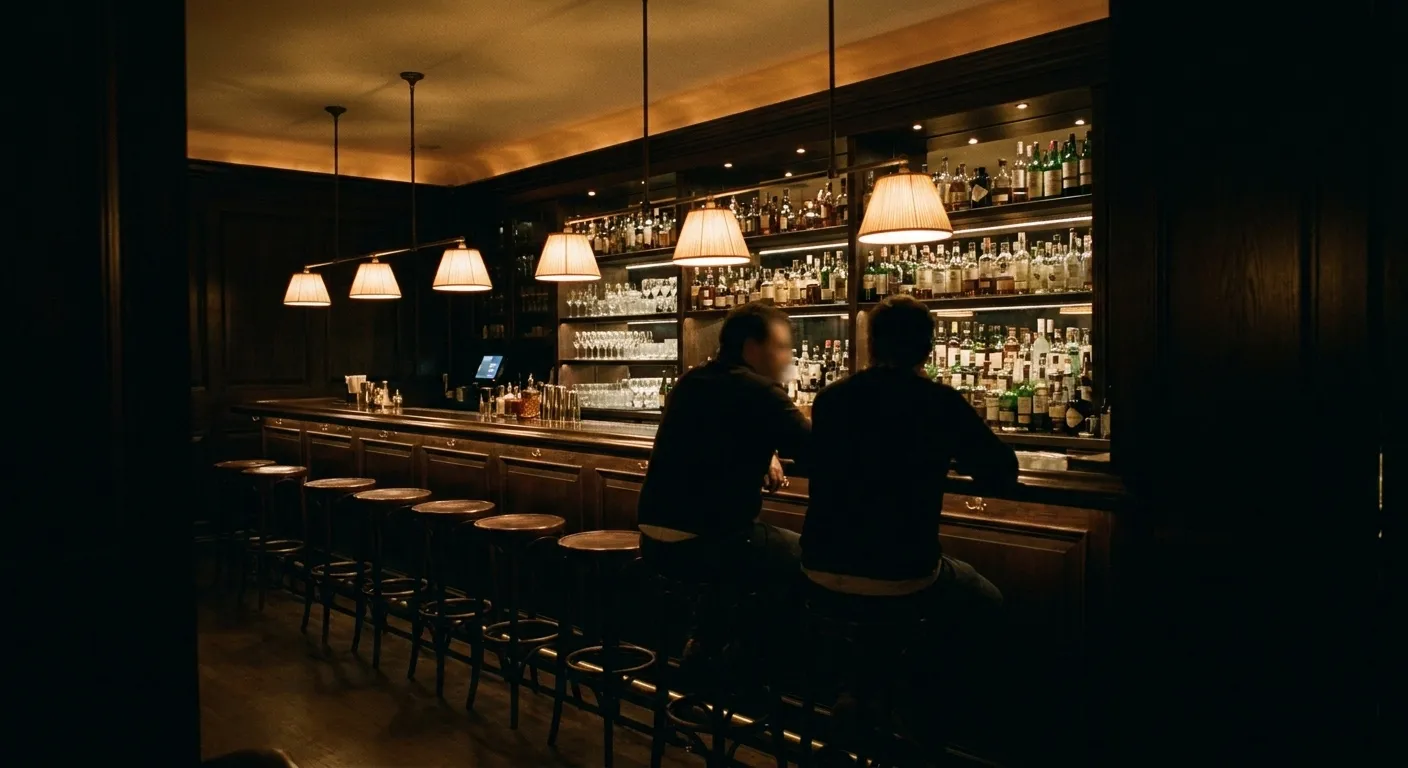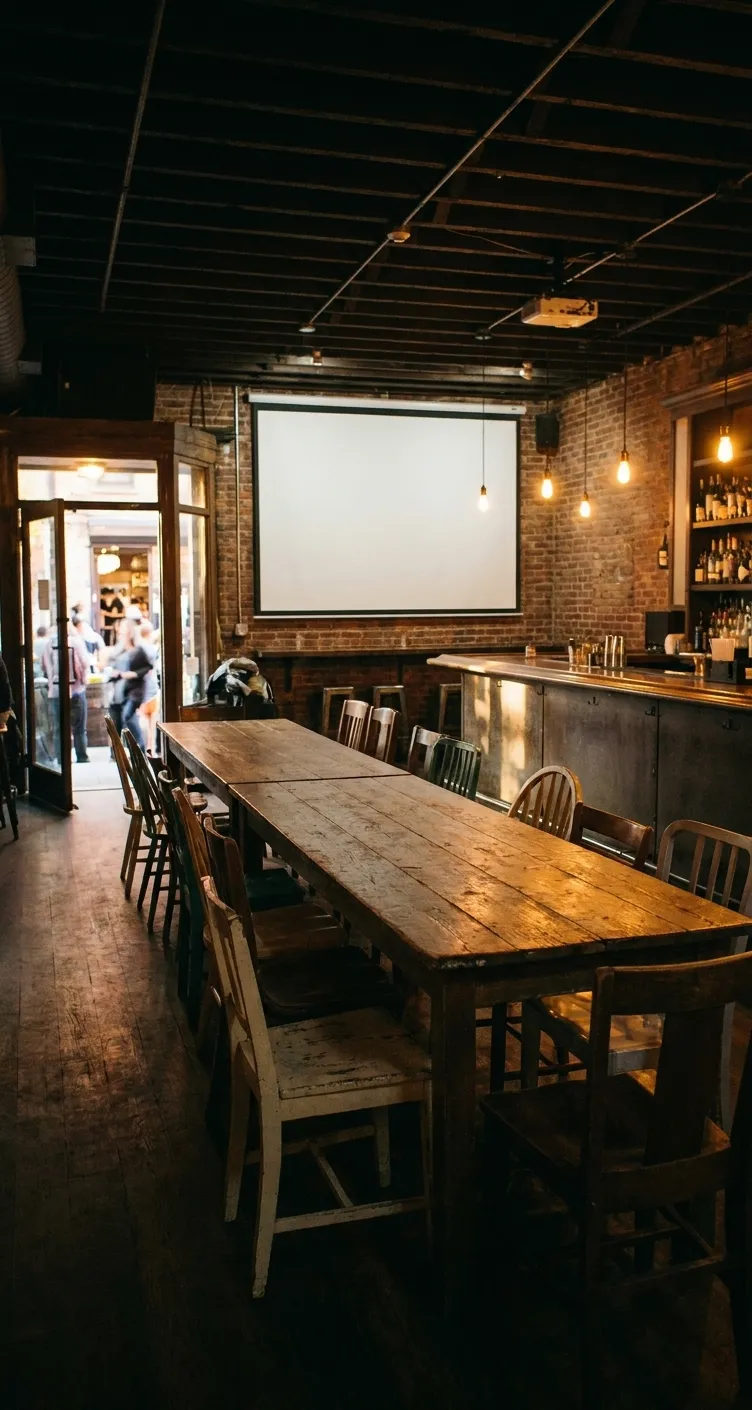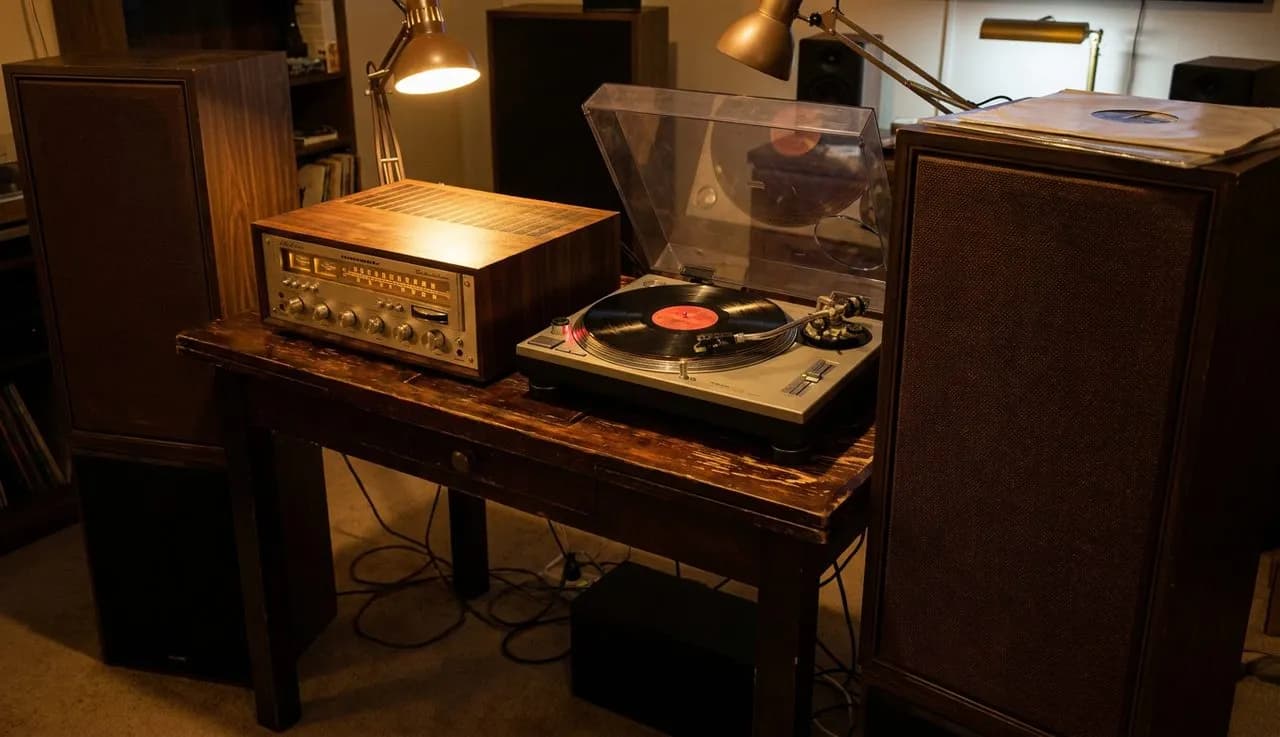
Bed-Stuy has spent the last few years quietly assembling a constellation of vinyl listening bars where the music isn't background—it's the entire point. These aren't places where a turntable sits dusty in the corner while someone scrolls Instagram. They're rooms built around McIntosh amplifiers and vintage Klipsch horns, where bartenders will politely ask you to take your phone call outside and patrons nod approvingly when a DJ drops a clean Japanese pressing. By summer 2026, the neighborhood has become one of the city's most serious destinations for anyone who believes that vinyl bars in nyc should be less about nostalgia and more about fidelity.
The Ritual of the Listening Room
Walk into any of these spots and you'll notice the same unspoken contract: respect the album side. That means no talking over the music, no clinking glassware during a quiet passage, and definitely no asking the DJ to skip to the next track. The rooms are dim, the seating arranged to face the speakers, and the sound systems are tuned with the kind of obsessive care usually reserved for recording studios. These are spaces designed for deep listening, where a well-mastered record can make you hear details you've missed for years.
The rotating DJ format keeps things dynamic. Most venues book resident selectors on a weekly or bi-weekly schedule, each bringing their own crates and expertise. One night it's a deep dive into '70s Afrobeat, the next it's Detroit techno or Brazilian bossa nova. The DJs aren't there to hype a crowd—they're curators, educators, priests of the groove. And the congregation shows up ready to listen.
Secret Sessions and Test Spins
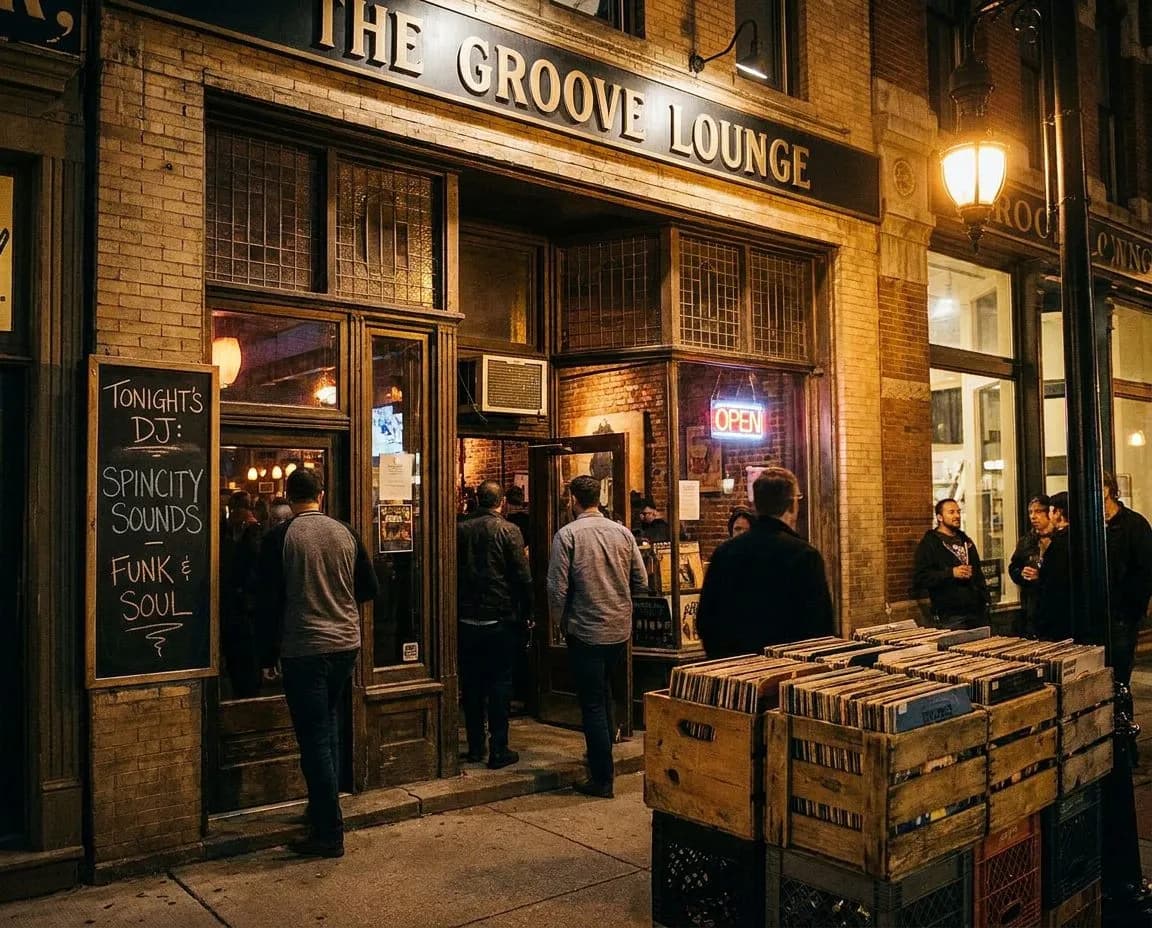
Some of the best moments happen in the margins. At Nowadays, the venue's 'Vinyl Sundays' have become a Bed Stuy institution, but the real insiders know about the secret back patio session from 4-5:30 PM where DJs test rare pulls before the evening set. It's a quieter, looser vibe—the selector might play a side, grimace, swap it for another, or suddenly drop something that makes everyone stop mid-conversation. You're hearing records that may or may not make the official lineup, and there's something thrilling about that uncertain, workshop quality.
These test sessions are where you learn the difference between a good DJ and a great one. The great ones talk through their choices, explain why a particular pressing sounds better, or tell the story behind a record's journey from a Nairobi flea market to their Brooklyn apartment. It's informal education in real time, and by the time the evening crowd arrives, you've already had the best seat in the house.
The Selector's Stool
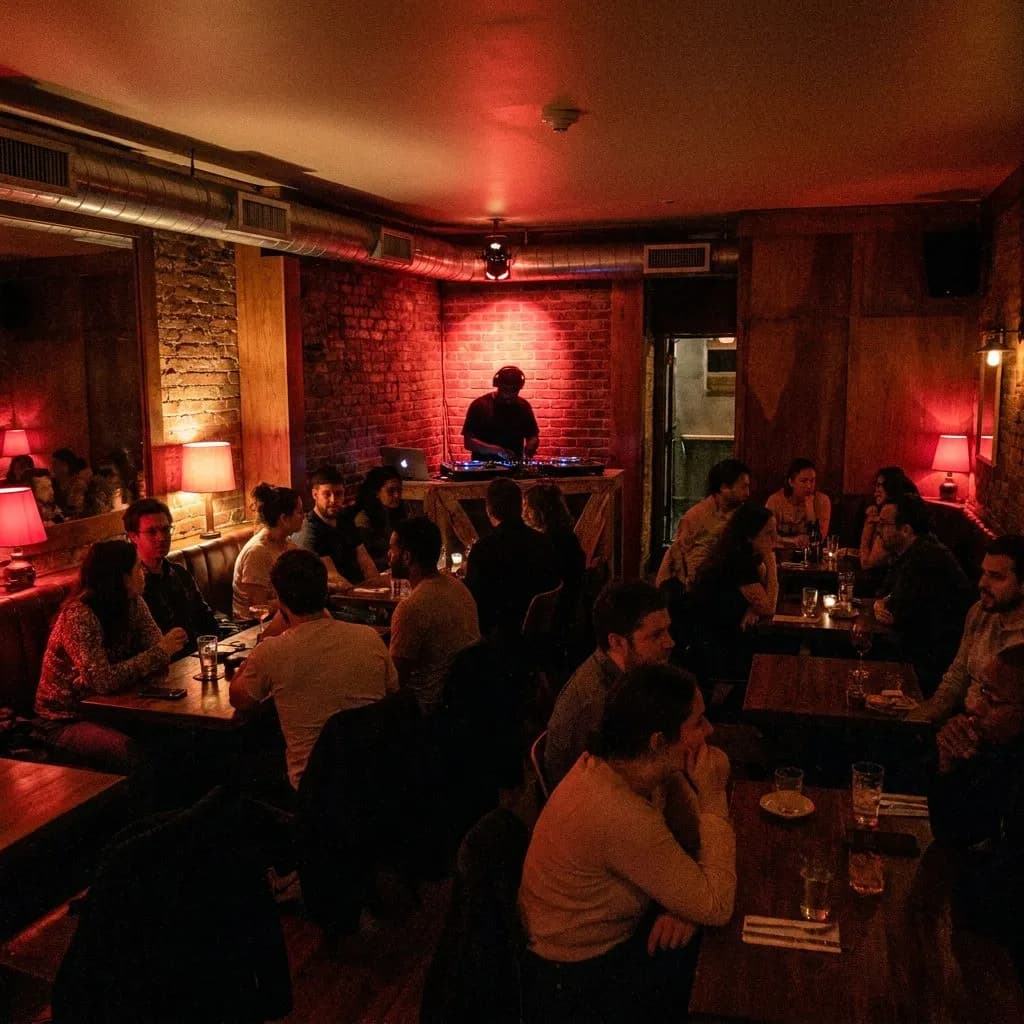
If you want to understand how this music actually works—the physical choreography of cueing, the split-second decisions about EQ and crossfades—there's one spot that offers a masterclass. At Lovers Rock, request the 'selector's stool,' a single seat positioned directly next to the booth where you can watch the DJ cue and flip records. It's not for everyone; you need to sit quietly, resist the urge to chat, and understand that you're a guest in someone's workspace. But if you're genuinely curious about the craft, it's unmatched.
From that vantage point, you see everything: the way a DJ's hand hovers over a stack, reconsidering the next move. The delicate brush of fingers on a spinning platter to nudge the beat. The moment they catch a scratch on a record they didn't notice at home and subtly adjust. It's intimate and educational, and it turns passive listening into an active study of timing, texture, and taste.
Bring Your Own Record Night
The most democratic experiment happens weekly at C'mon Everybody, which offers a 'bring your own record' slot on select nights. The rules and any drink perks should be verified directly with the venue. It's part game show, part trust exercise. The DJ has full veto power—no one wants to hear a warped copy of a greatest-hits compilation—but if you bring something genuinely interesting, you're in.
The beauty of this format is the surprise. You might hear a regular drop a pristine first pressing of a Ethiopian jazz record, or a nervous first-timer sheepishly offer up a yacht rock guilty pleasure that turns out to be a secret banger. The free drinks are a nice perk, but the real reward is hearing your selection through a system that makes it sound better than it ever has in your living room, and watching a room full of strangers nod along to your taste.
The Sound System as Instrument
What separates these bars from a house party with a decent turntable is the sound system. We're talking about meticulously maintained vintage gear, custom-built speaker cabinets, and amplifiers that cost more than a used car. The difference is immediately audible: bass that you feel in your sternum without muddiness, highs that shimmer without shrillness, and a stereo field so wide you can practically point to where each instrument sits in space.
The bartenders at these spots tend to be as nerdy about the equipment as the DJs. Ask about the system and you'll get an enthusiastic lecture about impedance matching or why they prefer a particular preamp for jazz versus reggae. Some venues rotate equipment seasonally, swapping in different speakers or amps to see how the sound changes. It's all in service of one goal: making the record sound as close as possible to what the artist and engineer heard in the studio.
The Etiquette of Deep Listening
First-timers sometimes struggle with the vibe. You can talk between songs, order drinks, move around—but when the needle drops, the room goes quiet. It's not uptight; it's reverent. Think of it as a secular vespers service, where the congregation gathers not to pray but to listen. Phone calls are taken outside. Conversations are whispered. And if you absolutely must leave mid-album, you do it between tracks, not during the guitar solo.
The reward for that discipline is transcendence. When everyone in a room is focused on the same piece of music, played loud and clear through an impeccable system, something collective happens. The crackle of the vinyl becomes hypnotic. The pauses between songs feel sacred. And by the time the final track fades and someone gets up to flip the record, you realize you've been holding your breath. That's the magic these bars are selling—not just sound, but presence.
Practical notes
Nowadays is located at 56-06 Cooper Avenue; take the J/M/Z to Myrtle-Broadway or the L to Jefferson Street. Lovers Rock is in Crown Heights, and C'mon Everybody is in East Williamsburg, not both on Franklin Avenue in Bed-Stuy. Street parking is challenging; consider biking or rideshare. Hours vary widely by venue and event, so verify directly before heading out. Most spaces are small and fill quickly on weekends. Arrive early, bring cash for bar tabs, and leave your expectations of a typical night out at the door. Many venues have limited accessibility; contact ahead if you need accommodations.
Tags: #VinylListeningBar #BedStuy #PullUpAChair #VinylBarsNYC #BrooklynNightlife #AudiophileLife #DeepListening #RotatingDJs #RecordCulture #SummerInBrooklyn #NYC2026 #FirstPressing #SoundSystemCulture #ListeningSession #BedStuyBars
Please drink responsibly. Must be of legal drinking age.
Sources consulted: Vinyl Records · Bedford-Stuyvesant · Time Out New York Bars · The New York Times NY Region · MTA Transit
All trademarks are the property of their respective owners.