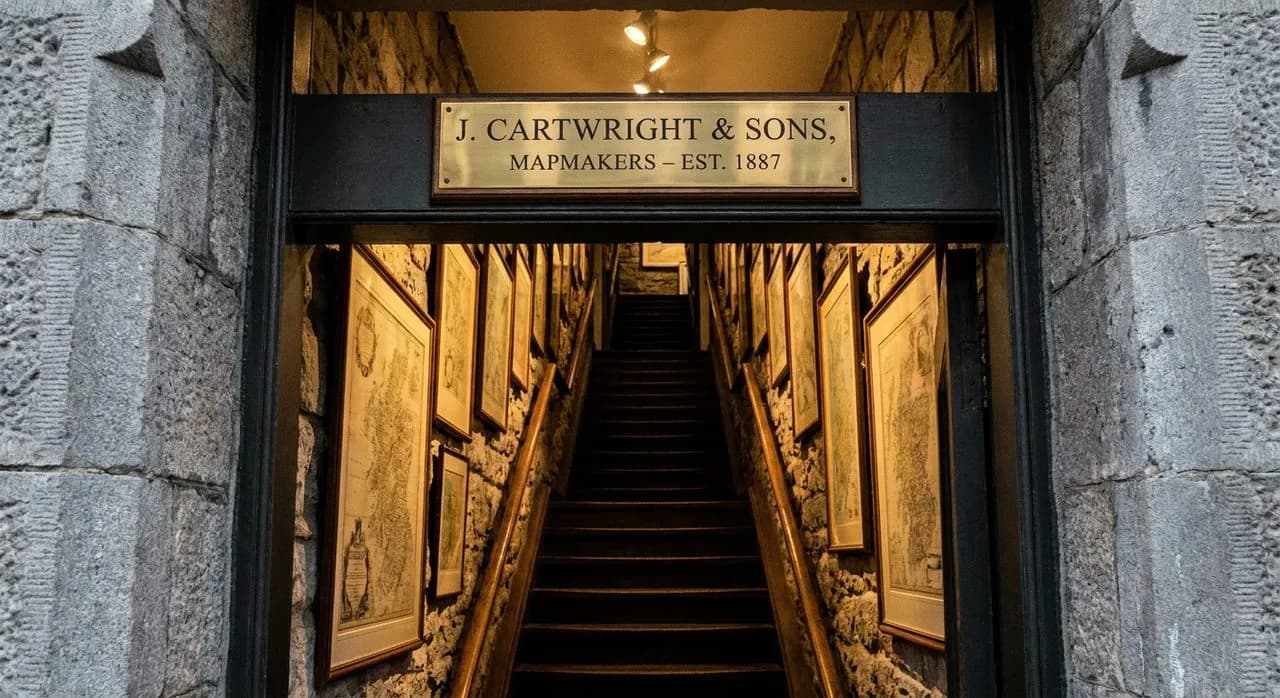
The elevator stopped working in 1987, and no one bothered to fix it. That's the first thing you need to know about reaching one of the city's most serious collections of antique maps in SoHo—you'll earn the view. Six flights up, past studios where painters stretch canvas and a jewelry designer keeps erratic hours, you'll find a loft where the past is cataloged, authenticated, and occasionally sold to those who understand what they're looking at.
The Archive
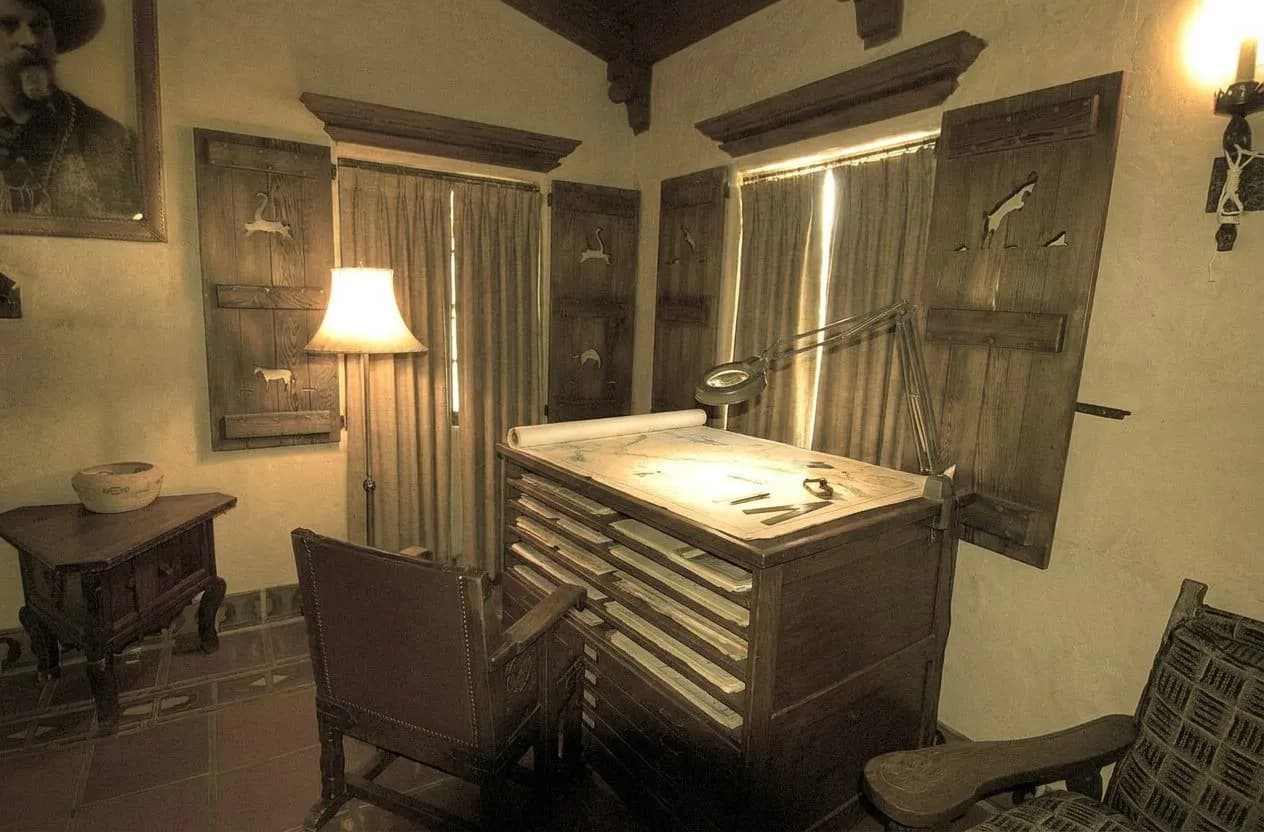
The space itself feels like a working library that happens to trade in objects. Afternoon light slants through tall windows, illuminating dust motes above rows of wide, shallow drawers—flat files that hold centuries of cartographic ambition. The air carries the particular scent of old paper: vanilla-sweet lignin, a hint of foxing, the faintest trace of iron-gall ink. This isn't a gallery. It's a research collection that allows visitors by appointment, and occasionally by serendipitous walk-in.
The inventory spans maritime charts from the age of sail, hand-colored county atlases, topographical surveys, and city plans that predate the grid system. Some arrive via estate auctions in Connecticut and upstate New York; others come through a network of dealers who've learned to call when something significant surfaces. The proprietor, who trained as a historian before pivoting to the trade, handles authentication requests for private collectors and institutions alike.
Wednesday Appraisals
If you've inherited a map and want to know whether it's worth insuring, come on a Wednesday between one and two in the afternoon. That's when the owner appraises walk-in maps for free, no appointment needed, on a first-come basis. Bring the piece carefully rolled or flat if possible, and any provenance you can muster—auction receipts, estate documents, a note from your grandmother's attic. The process is methodical: paper stock, watermarks, engraving style, coloring technique. You'll learn whether you're holding a nineteenth-century lithograph or a mid-century reproduction.
The consultation typically runs fifteen to twenty minutes. He's direct but generous with context, pointing out details you likely missed—a cartographer's flourish in the title cartouche, a printer's mark that narrows the date range, a telltale sign of modern offset printing. Even if your map turns out to be more sentimental than valuable, you'll leave understanding what you own. It's the kind of service that builds loyalty among collectors who return when they're ready to buy.
The Unlisted Drawer
Not everything in the collection appears on the website. A drawer labeled 'NYC 1850-1900' contains unframed street plans sold by the sheet, priced by neighborhood rather than dimension or condition. The logic is practical: a detailed survey of the East Village commands a different figure than a bird's-eye view of the financial district, even if both date to the same decade. These aren't advertised online because the inventory shifts too quickly—collectors snap up choice pieces within days of arrival.
The sheets range from insurance maps published by Sanborn to municipal surveys commissioned during the rapid expansion following the Civil War. You'll find block-by-block detail, building footprints, even notations about construction materials—critical information for urban historians and anyone restoring a townhouse to period accuracy. Prices are reasonable if you're comparing against the auction market, though the best examples of antique maps nyc has to offer will always carry a premium.
What's Not for Sale
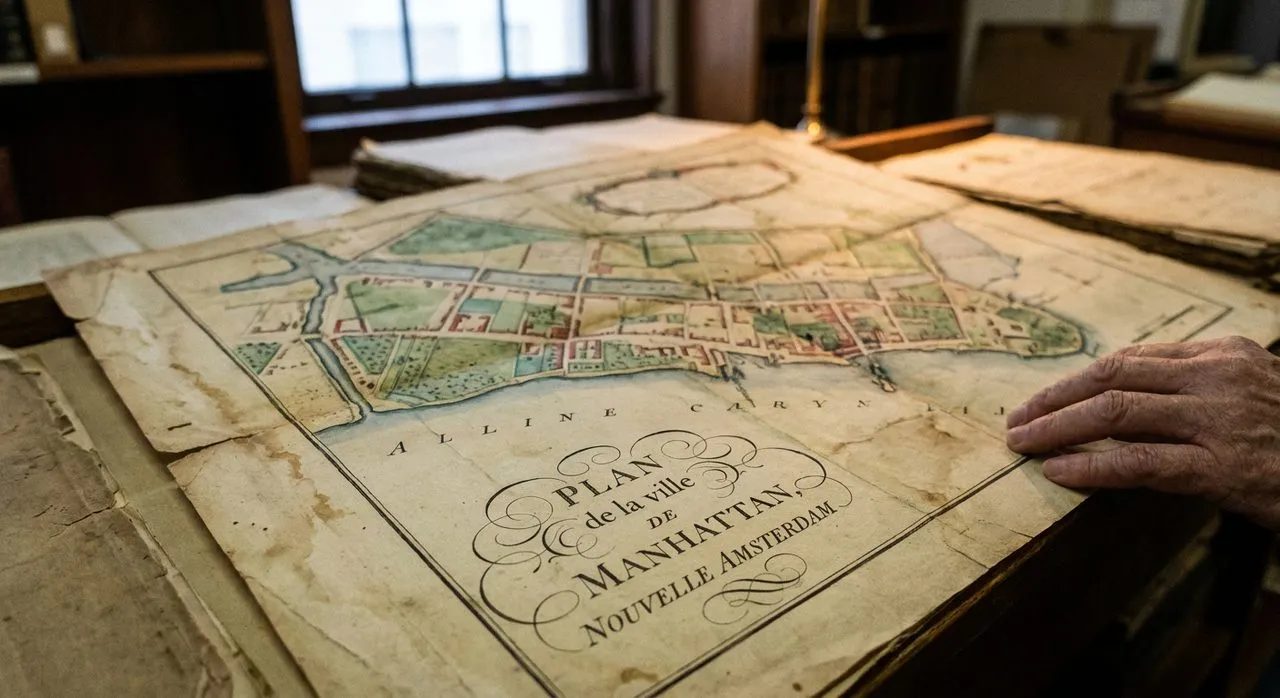
The framed map dominating the east wall is a conversation starter and a firm boundary. It's the 1776 Ratzer map of New York City and its environs, meticulously engraved and gorgeously detailed, showing the island before the street grid flattened its topography. This particular impression is the owner's personal copy, on loan from his grandfather's collection, and it is never for sale. Visitors ask anyway. He's polite about declining.
The Ratzer map serves a pedagogical function: it shows what serious cartographic work looked like in the colonial period, and it anchors the room with a sense of continuity. His grandfather acquired it in the 1960s, long before the market for Americana heated up. It's a reminder that the best collections are built slowly, with patience and a willingness to wait for the right piece rather than settling for available inventory.
The SoHo Context
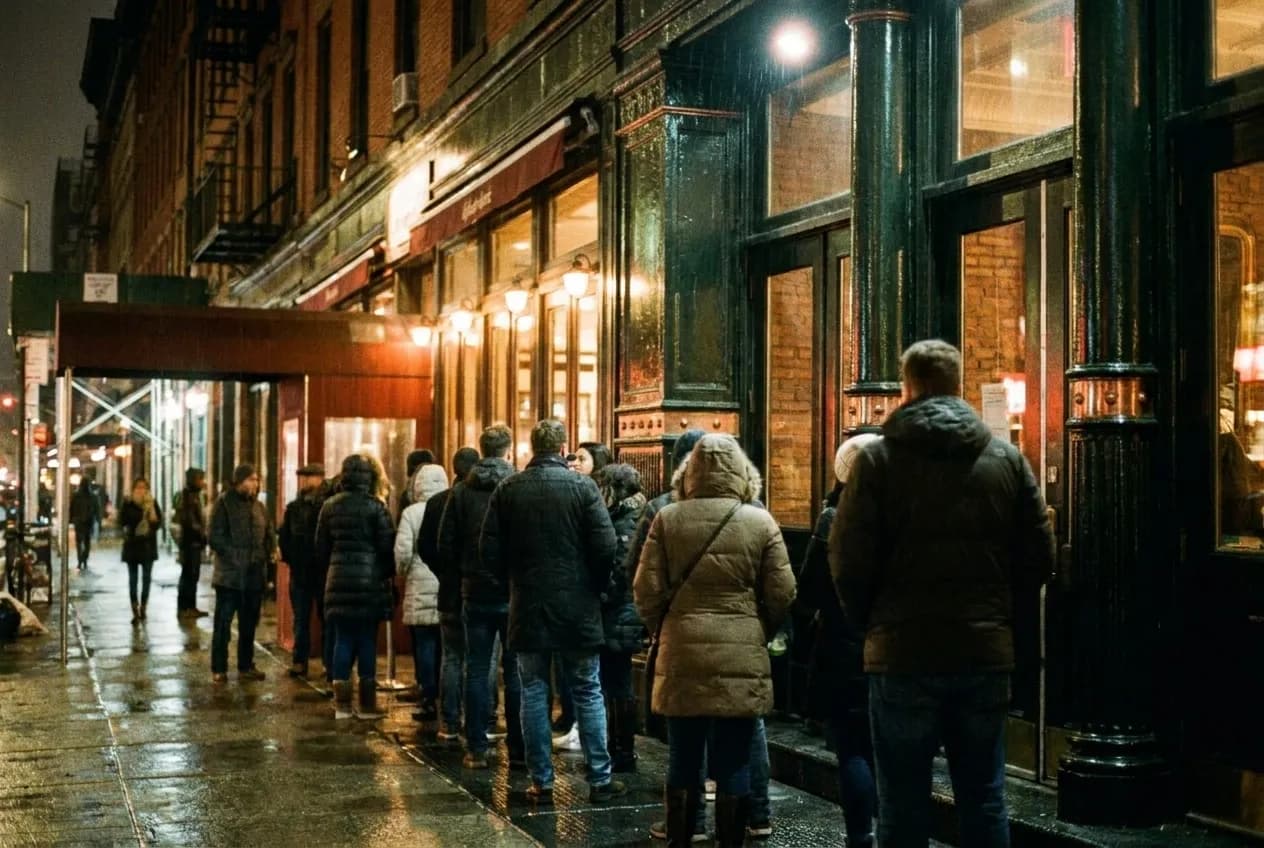
By late 2026, SoHo's transformation from artist enclave to luxury retail corridor is largely complete, but pockets of the old character remain in upper-floor studios and specialty shops that cater to obsessives rather than tourists. Argosy Book Store's rare map department—fits that mold. You won't stumble on it while browsing for handbags. You come because you're hunting a specific maritime chart or because a dealer mentioned the name at a book fair.
The neighborhood's accessibility makes it easy to combine a visit with other errands, though the sixth-floor walk-up ensures that only the motivated make the climb. It's worth noting that soho rare books of this caliber are increasingly rare; many dealers have moved operations online or shifted to appointment-only models in less expensive boroughs. The loft lease is grandfathered at a rate that would be unthinkable today, which allows the business to maintain a physical space for browsing.
Who Comes Here
The clientele skews toward collectors who've graduated from framing reproduction prints, along with interior designers sourcing statement pieces for private libraries and historians tracking down primary sources. Occasionally an architect appears, looking for period surveys to inform a restoration project. Prices range widely—a modest eighteenth-century county map might start at a few hundred dollars, while a rare sea chart or a hand-colored atlas sheet can climb into four figures.
Repeat customers develop a rapport. The owner remembers what you're hunting for and will set aside likely candidates when new inventory arrives. It's the kind of relationship that takes time to build, rooted in shared enthusiasm for the way cartographers once imagined the world. If you're curious but not yet committed, start with the Wednesday appraisal hours and see whether the obsession takes hold.
Practical notes
Argosy Book Store Cartography occupies a sixth-floor loft in SoHo, accessible via stairwell only—no elevator service. Nearest subway: N/R/W to Prince Street or 6 to Spring Street; verify exact walk from the store's current location Street parking is prohibitively difficult; plan to walk from the train. Hours vary seasonally and the space operates partly by appointment; verify hours directly before visiting. Wednesday walk-in appraisals are offered by appointment or on a limited basis; verify current hours directly The space is not wheelchair accessible due to the stair-only entry. Bring: careful documentation if seeking appraisal, measurements if shopping for a specific wall, and patience for the climb.
Tags: #TheOddEdit #AntiqueMapsDealerSoHo #SoHoRareBooks #VintageCartography #RareMapsNYC #SoHoHiddenGems #NYCCollectors #MapCollectors #HistoricalAtlases #SoHoLoftCulture #NYCFall2026 #NauticalCharts #EstateAuctions #CityPlans #KarposFinds
Sources consulted: Antique Map · SoHo, Manhattan · NY Times - NY Region · Time Out New York - Shopping · NYC.gov
All trademarks are the property of their respective owners.