For vegan fans heading to the US Open, the smartest dining plan is not a single must-visit stop; it is a flexible route that can bend around match timing, transit, weather, and what a kitchen can actually serve that day. As of July 23, 2026, the official 2026 US Open calendar runs August 23 through September 13, with singles main-draw play beginning August 30. That gives travelers a broad window, but it does not lock in your personal schedule, gate timing, food availability, or neighborhood hours. Build your plan in layers: choose a Queens neighborhood for before or after tennis, identify a short list of vegan-compatible ordering paths, check the US Open’s official schedule and visitor pages close to travel, then confirm directly with restaurants before you go.
Text Karpo to turn your match time into a vegan Queens dining plan with realistic transit gaps.

Start With Your Session, Not the Restaurant
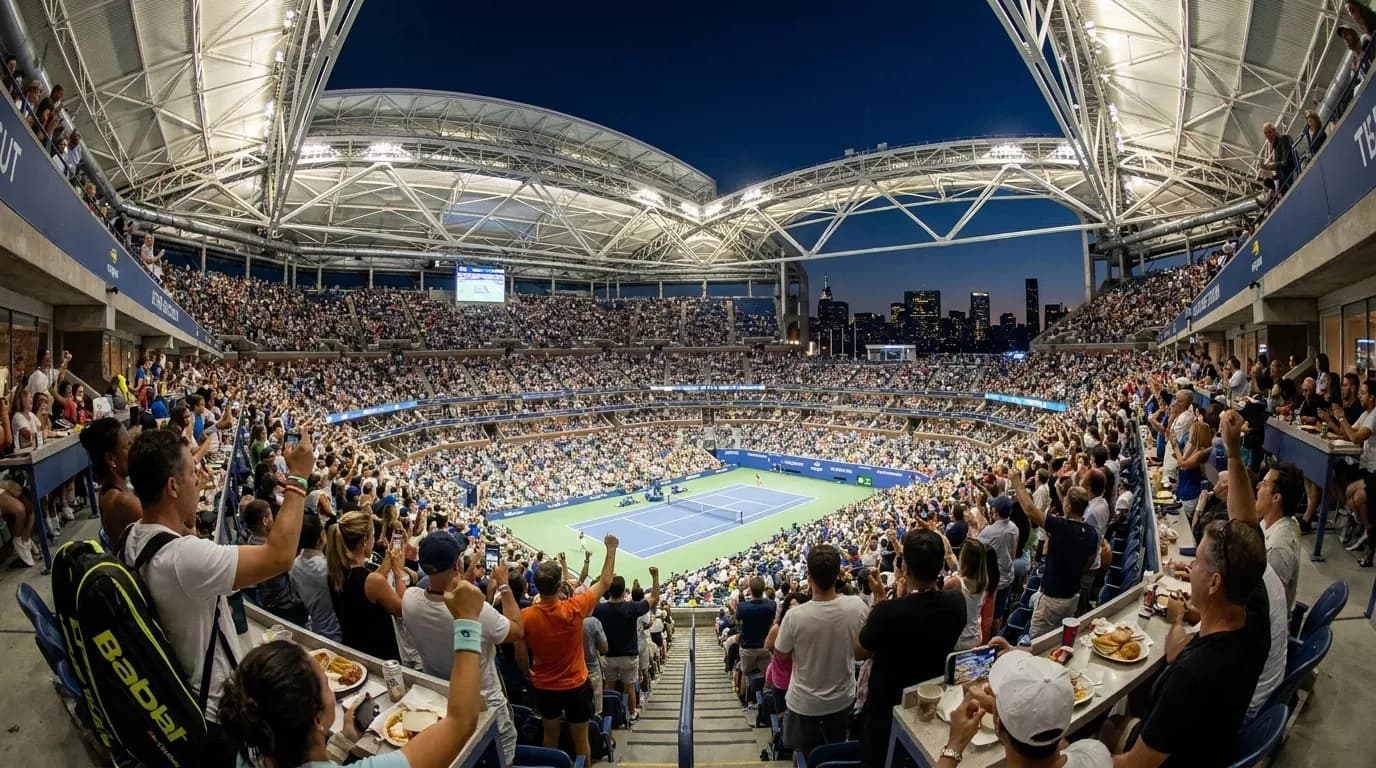
Match-day dining works best when the tennis schedule leads the meal plan. A daytime session, an evening session, and a full-grounds day all create different needs. If you are entering early, a heavy pre-match meal may be less useful than a reliable snack strategy and a late lunch after your first matches. If you are attending at night, the pre-match meal matters more, because you may not want to search for a full vegan dinner after play ends.
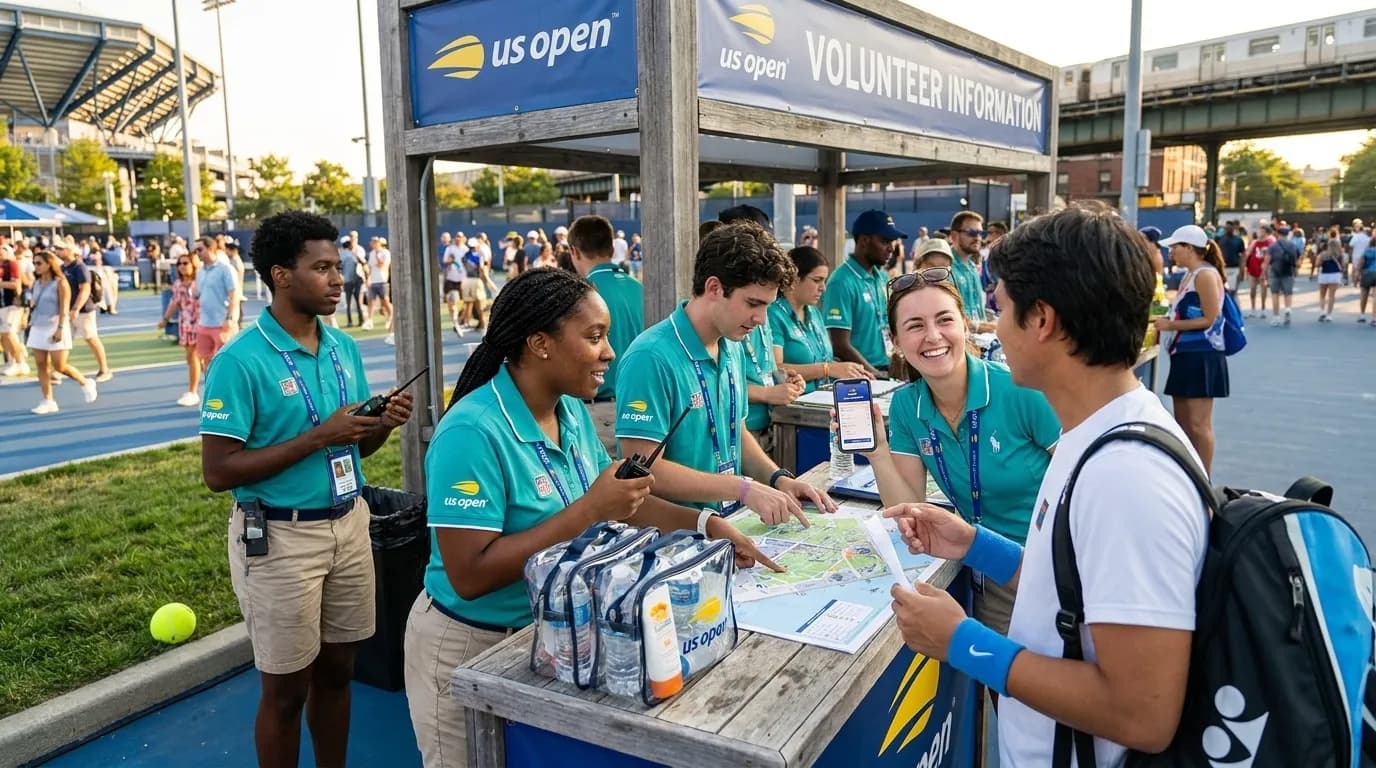
Use the official US Open event schedule as your anchor, then recheck it close to travel. Gate times, match order, weather interruptions, and the daily rhythm of the grounds can affect how much time you actually have outside the venue. The official A-to-Z visitor information and prohibited-items pages should also guide what you bring, what you leave behind, and how much you plan to rely on food inside or outside the grounds. Treat restaurant plans as adjustable, not guaranteed, until you have confirmed them directly.

A Queens Map for Vegan Decision-Making
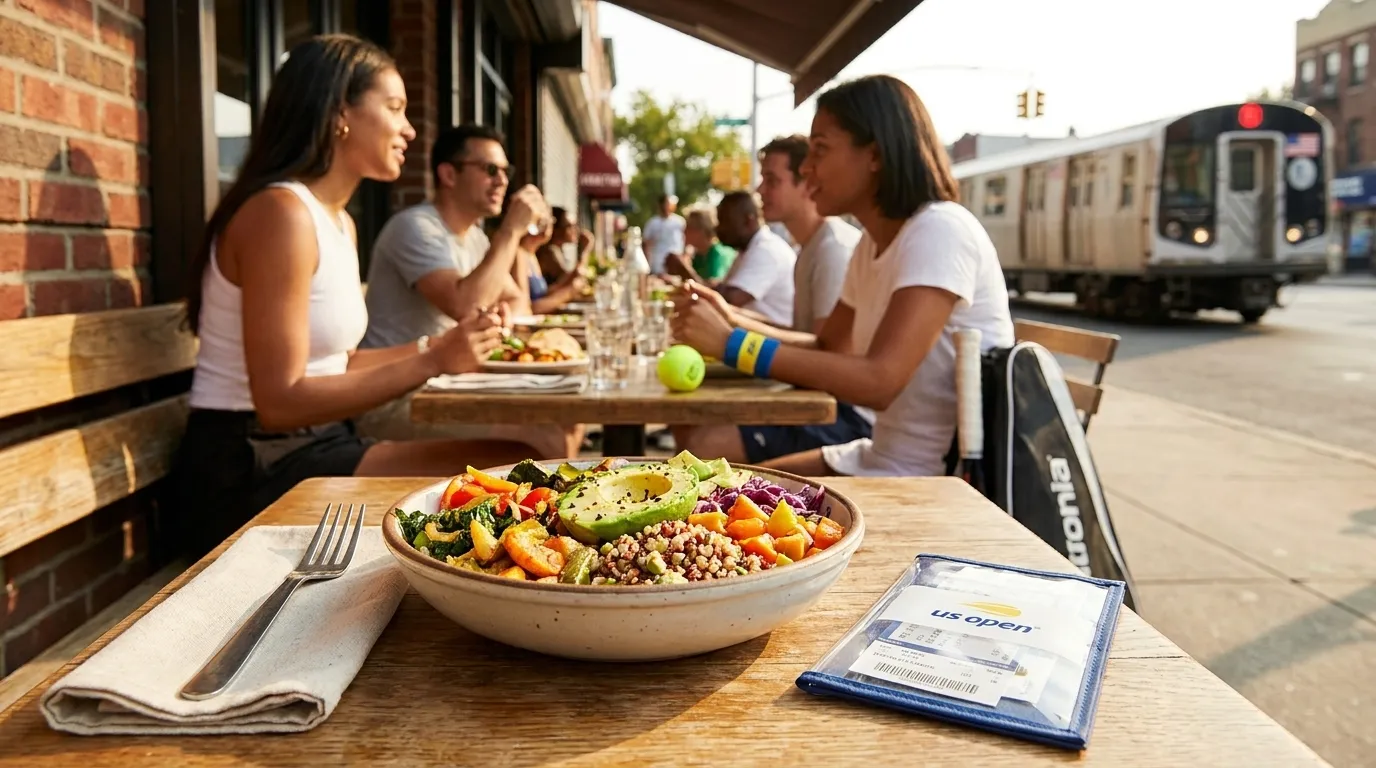
Queens is useful for vegan diners because it offers range: quick meals, plant-forward cuisines, bakeries, groceries, cafés, and restaurants that may be able to adapt dishes when asked clearly. The right neighborhood depends on your patience, your group, and your transportation plan. Flushing is the most obvious area to research because it is closely associated with the tournament area and is highlighted by NYC’s official tourism site as a major Queens neighborhood. It is also a place where ingredient questions matter, because broths, sauces, eggs, dairy, seafood, and animal-based seasonings may appear in dishes that otherwise look vegetable-forward.
Rather than starting with a list of restaurant names that may be outdated by August, build by category. Look for places where vegan ordering is structurally easier: dedicated plant-based businesses if available, cuisines with legume and vegetable staples, counter-service spots where ingredients are visible, and restaurants used to handling dietary questions. For each candidate, verify current hours, location, menu, kitchen capacity, delivery or pickup options, reservation approach if any, and whether staff can answer vegan questions clearly on the day you plan to visit.
Three Flexible Dining Routes Around the Tennis Day
The best route is the one that protects your match time. Keep the number of moving parts low, especially if you are carrying bags, traveling with a group, or trying to arrive for a specific session. These route types let you choose based on energy and timing rather than chasing a single dish.
- Light pre-match, bigger post-match: Eat a simple confirmed vegan breakfast or snack before leaving, go to the grounds with time to spare, then plan a Queens dinner after your session. This works well when match timing is unpredictable or when you want to avoid rushing through a sit-down meal before entry.
- Neighborhood meal before evening tennis: Choose a Queens area you can reach comfortably before heading to the venue. Confirm that the kitchen is open when you need it, ask about vegan preparation, and leave a buffer for transit, security screening, and any weather-related slowdown.
- Backup-first route: Pick one primary restaurant, one nearby backup, and one grab-and-go option such as a market, bakery, or café with clearly confirmable vegan items. This is useful for groups where not everyone eats vegan, or when inventory and wait times could change during tournament weeks.
- Post-match low-effort route: If you expect to leave late or tired, identify options that do not require complicated ordering. Confirm same-day hours and whether the place expects to serve food at the time you may arrive. Have a hotel-area backup if your first choice is no longer practical.
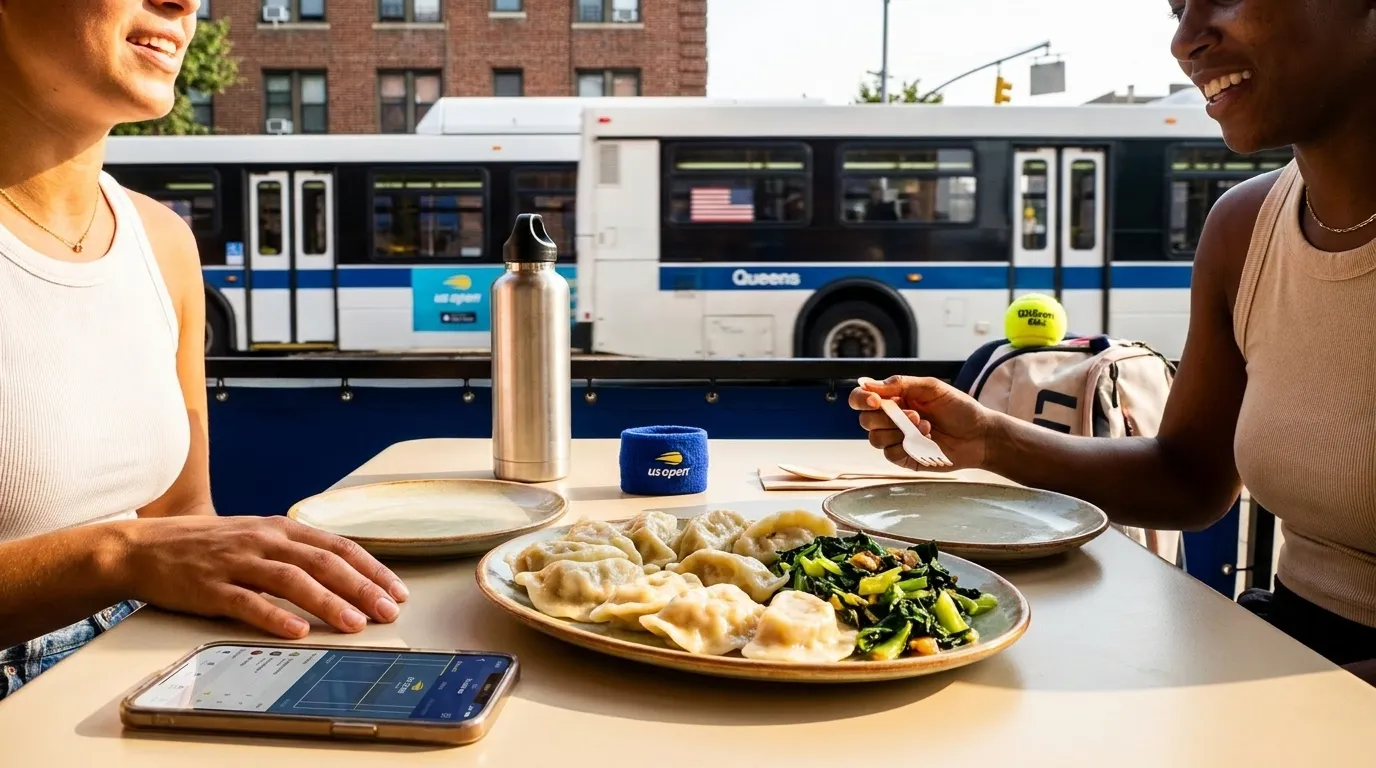
How to Ask Vegan Questions Without Slowing Everyone Down
A good vegan question is specific, calm, and easy for staff to answer. Instead of asking only, “Is this vegan?” ask what is in the broth, whether sauces contain fish, oyster sauce, dairy, egg, honey, gelatin, meat stock, or butter, and whether the dish can be prepared without those ingredients. In busy Queens restaurants, especially during a major sports event, direct questions are more effective than long explanations.
If you are calling ahead, ask about the exact day and approximate time you plan to visit. Menus posted online may not reflect current inventory, and staff availability can change. If a restaurant cannot confirm a dish as vegan, do not pressure them to guess; choose a simpler item or move to your backup. Vegan certification, dedicated equipment, allergen protocols, and cross-contact practices should never be assumed unless the business states them clearly and currently.
Transit Buffers Matter More Than Perfect Timing
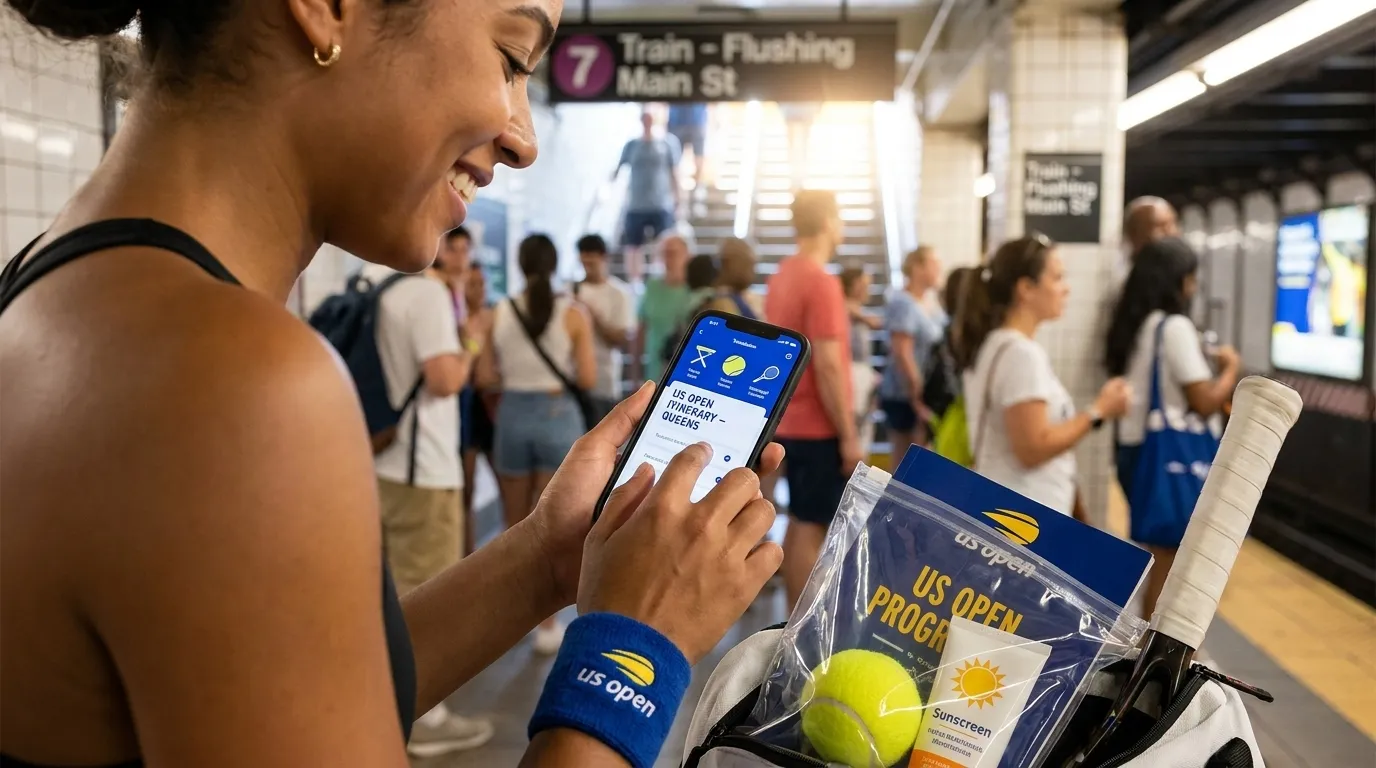
The US Open’s official transportation and directions page should be your reference for getting to the venue, including transit, rideshare, driving, and any event-specific guidance. Because service patterns, crowding, street conditions, and weather can shift, the safest dining approach is to avoid plans that require a perfect transfer or a last-minute sprint from table to gate. A restaurant that looks close on a map may still be a poor choice if your route is indirect or your group moves slowly.
For a pre-match meal, leave enough time for paying, walking, transit, entry procedures, and finding your seat or preferred grounds area. For post-match dining, assume you may exit with many other fans at the same time. If you are choosing between a more ambitious restaurant and a simpler nearby option, the simpler one may create a better evening. The goal is not to cover the most ground in Queens; it is to eat well without sacrificing the tennis experience.
Weather, Bags, and Snacks Need Their Own Plan
Late summer in New York can complicate food plans, even when the schedule looks tidy. Heat, rain, delays, and long days outdoors can change what you want to eat and when. Before packing any food, drinks, utensils, containers, or larger personal items, check the US Open’s prohibited-items and A-to-Z pages directly. Venue rules can be specific, and they can affect whether a snack strategy is realistic.
If you are managing dietary needs, think in terms of resilience. Confirm whether your hotel or lodging area has a nearby grocery, café, or market with items you can verify. Keep your restaurant list accessible offline or in a note, including phone numbers and addresses. If you use delivery or pickup, confirm the address carefully and allow for event-area traffic or service limitations. Do not rely on a single menu screenshot, especially during tournament dates when demand may be unusual.
Practical Notes
- Check the official US Open event schedule shortly before your travel date, especially if your dining plan depends on a day or evening session.
- Review the official A-to-Z, transportation and directions, and prohibited-items pages before packing food, bags, bottles, or dining supplies.
- Choose a Queens neighborhood based on your session time, not only on restaurant appeal. Flushing is a key area to research, but your best route may depend on lodging, transit, and group needs.
- Confirm directly with restaurants: current hours, menu, vegan ingredients, kitchen limitations, reservation or pickup options, and whether the dish you want is available that day.
- Prepare one primary dining choice, one nearby backup, and one simple fallback. If any answer feels uncertain, switch early rather than gambling close to gate time.
- Use clear ordering language: no meat, poultry, fish, seafood, dairy, egg, honey, gelatin, meat stock, fish sauce, oyster sauce, butter, or animal-based broth, as applicable.
- Leave more time than you think you need. A calm meal and an unhurried arrival usually beat a more famous stop that puts your match-day timing at risk.
Tags: #USOpen2026 #Tennis #NewYork #Queens #FlushingMeadows #KarpoFinds #Karpo #VeganQueens #USOpenDining #PlantBasedTennis
Sources consulted: usopen.org — Official reference · usopen.org — Official reference · usopen.org — Official reference · usopen.org — Official reference · nycgo.com — Official reference
All trademarks are the property of their respective owners.
Ask Karpo first
Ask Karpo for plant-based routing ideas that keep you fed, hydrated, and close to your US Open session.