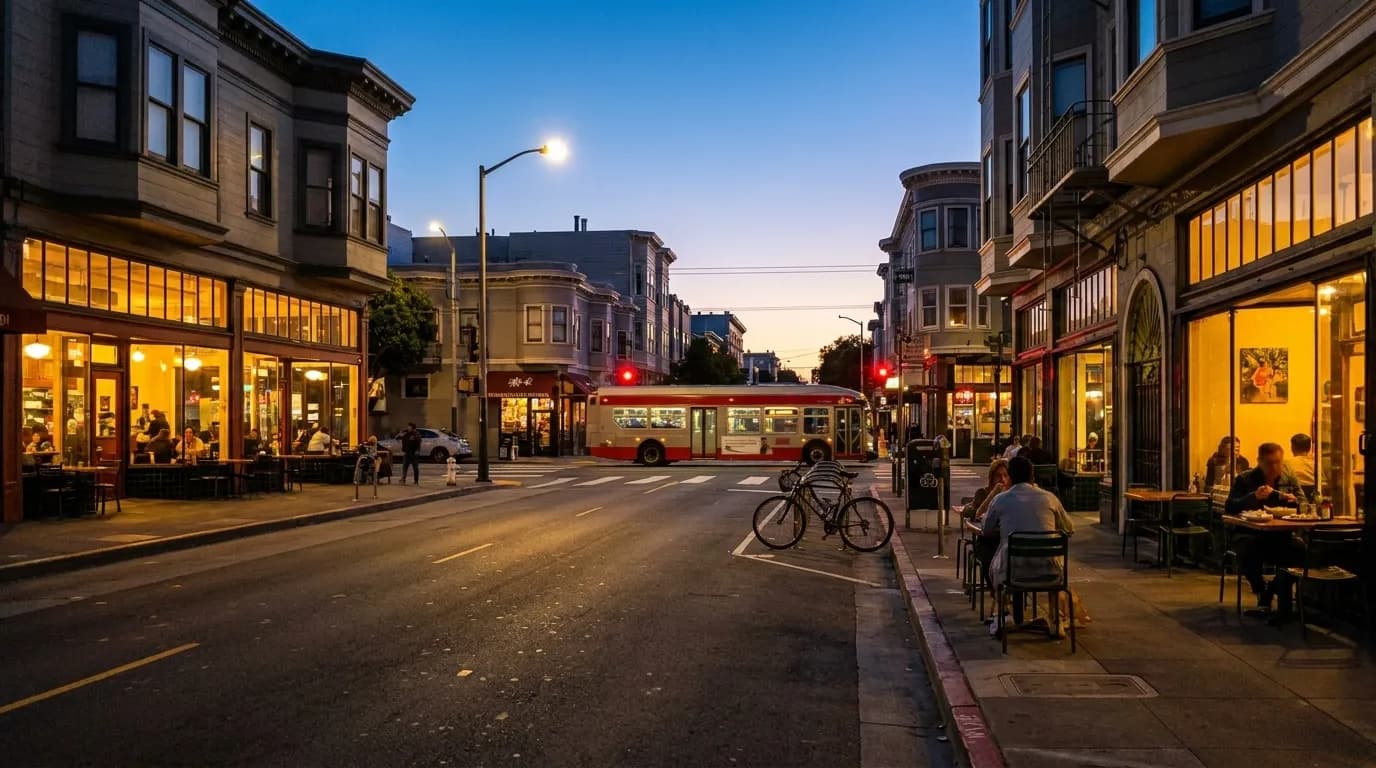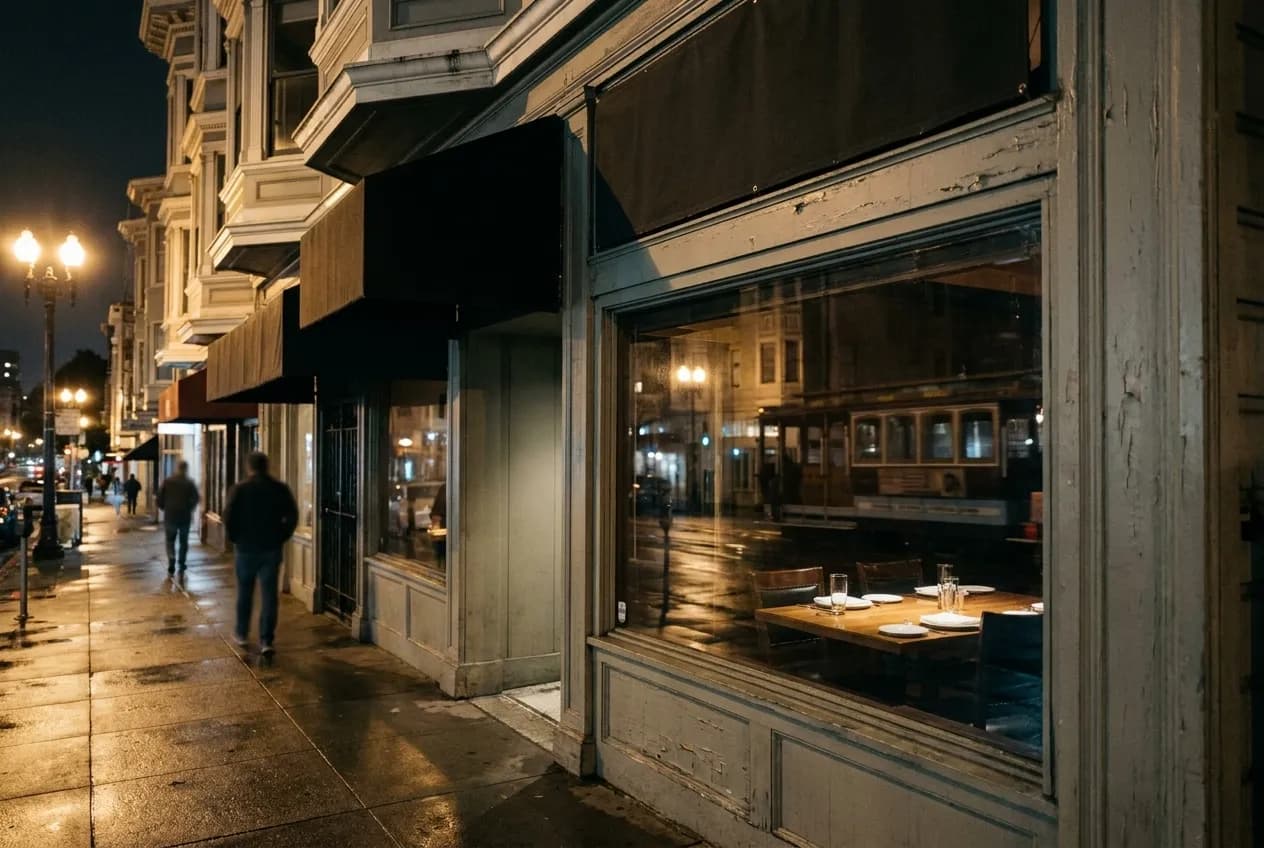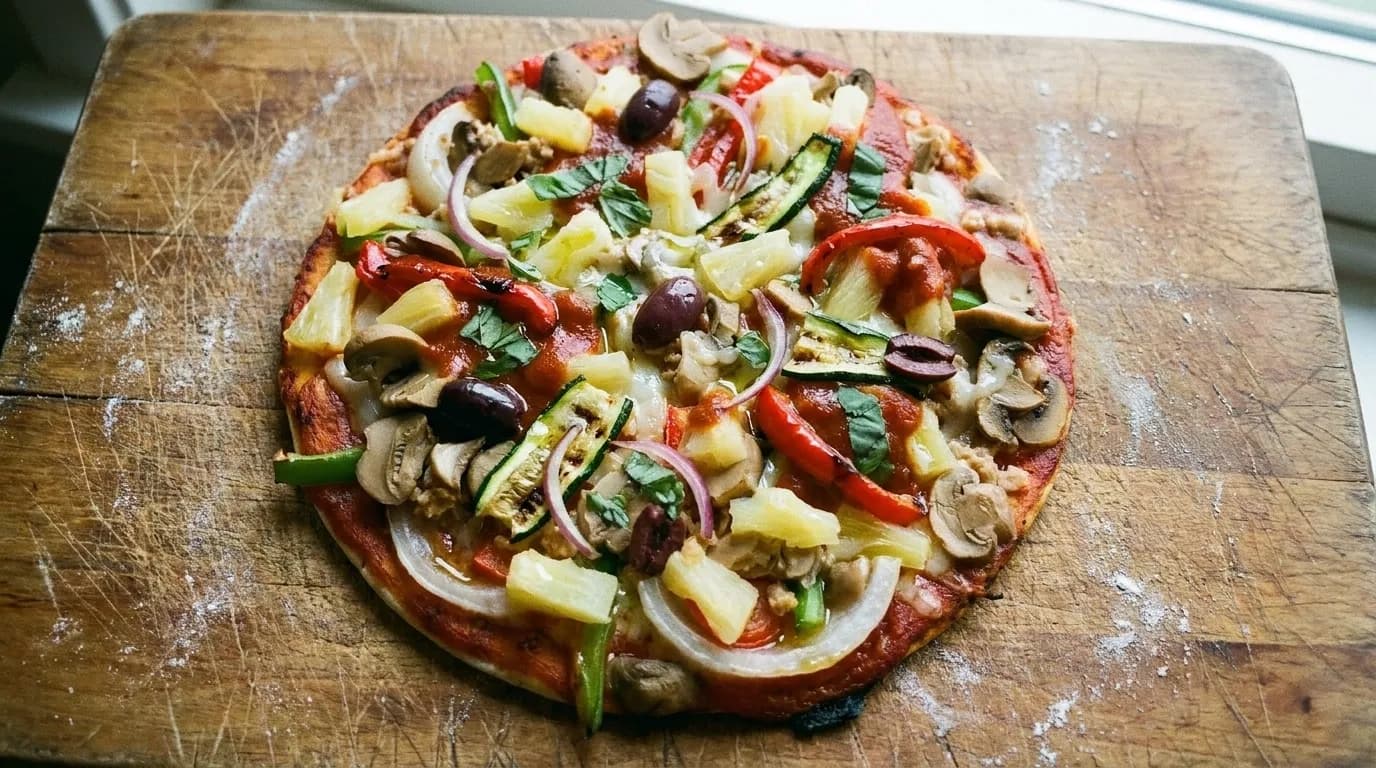
Vegan and gluten-free pizza has a bad reputation that is largely earned, and the reason is technical rather than culinary. Pizza is a structural food: gluten builds the network that lets a base stretch and hold, and mozzarella provides both the fat and the browning that make a pizza taste like one. Remove either and you are not making a slightly different pizza, you are solving a different engineering problem. San Francisco has an unusual number of kitchens that took that seriously.
Cross-contact policies and dedicated ovens vary enormously between pizzerias, and none of it appears on a menu. Ask Karpo what is genuinely safe near you tonight.
What gluten actually does
A wheat dough develops an elastic protein network when it is hydrated and worked, and that network traps the gas produced during fermentation. It is what gives a pizza base its chew, its ability to be stretched thin without tearing, and the puffed rim on a Neapolitan pie. Remove wheat and you have to replace that structure with something else — usually a blend of rice flour, tapioca or potato starch, and a binding hydrocolloid such as psyllium or xanthan gum.
The result behaves differently and needs to be treated differently. Good gluten-free pizza bases are usually pressed rather than stretched, are often par-baked before topping, and work better slightly thicker than a wheat base would be. A kitchen that treats a gluten-free base as a drop-in replacement — same handling, same bake — produces the cracker-like disc that gave the category its reputation. A kitchen that has built a separate process produces something genuinely good.
What replaces the cheese
Vegan pizza has a parallel problem. Mozzarella contributes fat, salt, moisture and the browning that comes from milk proteins reacting under heat, and the early generation of commercial vegan cheeses replaced the fat and nothing else. The current generation is substantially better — several are built on cultured cashew or almond bases and behave far more like dairy under a hot oven — but they are not identical, and a kitchen that has adjusted its bake time and moisture for them will produce a much better pizza than one that has not.
The more interesting vegan pizzas in San Francisco frequently sidestep the question. A marinara — tomato, garlic, oregano, oil, no cheese at all — is a traditional Neapolitan pie that happens to be vegan, and it is a genuinely great pizza rather than a substitution. So is a pie built on a base of puréed white beans or roasted squash with herbs and good oil. If a menu offers one of those, it is usually a sign the kitchen has thought about this properly rather than added a checkbox.
Where San Francisco is unusually strong
The city has one of the highest concentrations of plant-based restaurants in the United States and a long-standing gluten-free retail and bakery scene, both of which mean the supply chain here is better than in most cities. Several local bakeries produce dedicated gluten-free doughs at a quality restaurants elsewhere cannot easily buy, and a number of pizzerias source from them rather than making their own.
Geographically, the Mission, Bernal Heights and the Castro have the densest concentration of pizzerias offering both options, with SoMa and Hayes Valley close behind. The city's sourdough-crust pizzerias are worth a particular mention on the vegan side: a long naturally leavened fermentation produces enough flavour in the base itself that a cheeseless pie is far less of a compromise than it would be on a bland commercial dough.
Asking the right question
For anyone avoiding gluten by choice, the question is simply whether the base is any good. For anyone with coeliac disease, the question is entirely different and it is about cross-contact: whether the dough is prepared on a separate surface, whether a dedicated peel and pan are used, and whether the pizza goes into the same oven as wheat pizzas, where airborne flour is the main risk.
Very few pizzerias have a fully dedicated gluten-free oven, and most that offer a gluten-free base will tell you honestly that they cannot guarantee against cross-contact if you ask. The honest answer is the useful one. Asking specifically about the peel and the pan is more informative than asking whether they are gluten-free, because almost every kitchen will say yes to the second question and only a well-run one will have a real answer to the first.
Ordering it well
Order gluten-free bases well done. The extra minute drives off moisture that the starch blend holds onto and is the difference between a base with structure and one that goes soft under the toppings. Order fewer wet toppings on a gluten-free pie for the same reason — a margherita with fresh mozzarella is a harder ask than a pie with roasted vegetables and a drier cheese.
On the vegan side, order something the kitchen designed rather than something it adapted. If the menu has a dedicated vegan pie, that is the one to have; if the only option is the margherita with the cheese swapped, the marinara is usually better. And ask whether the dough itself contains dairy or honey, which is worth checking at any pizzeria you have not been to — most doughs are flour, water, salt and yeast, but not all of them are.
Practical notes
Call ahead if coeliac; the answer about oven and peel policy is quick and it saves a wasted trip. Gluten-free bases are frequently a fixed size, usually smaller than the standard pie, and often carry a surcharge. Several pizzerias have a limited number of gluten-free bases per night and run out, particularly at weekends. Delivery is the worst possible treatment for a gluten-free base, which loses its structure faster than a wheat one, so collect if you can. And if a room has both a dedicated vegan menu and a serious gluten-free process, it is almost certainly worth eating at regardless of what you are avoiding.
Tags: #SanFrancisco #SFFood #VeganPizza #GlutenFree #Pizza #PizzaNearMe #MissionDistrict #BernalHeights #Castro #HayesValley #PlantBased #Coeliac #SFEats #FoodNearMe
All trademarks are the property of their respective owners.
Ask Karpo first
Want to know which pizzerias near you run a genuinely separate gluten-free process, which make their own vegan pies, and who still has dough left tonight? Ask Karpo before you order.