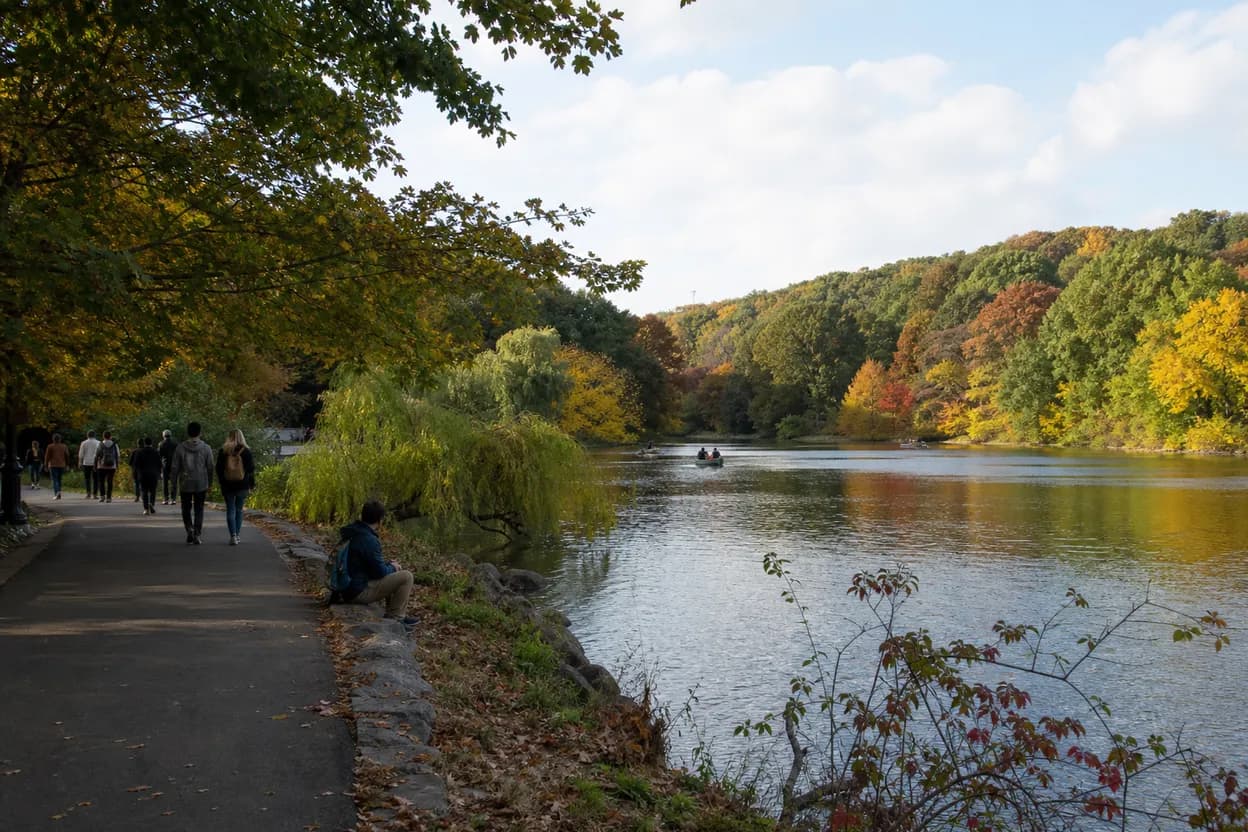
Van Cortlandt Lake is the kind of free Bronx outing that works best before the day gets loud and hot. The appeal is simple: water views, tree cover, birds, and a route that can stay short if your energy fades. NYC Parks identifies Van Cortlandt Park as a major Bronx park with lake, trails, recreation areas, and natural habitat, while transit sources place the 1 train at Van Cortlandt Park-242 St beside the park. Treat this as a morning reset, not a wilderness push. The smartest version is flexible, shaded where possible, and ready to turn back if heat, mud, closures, or mobility needs change the plan.
Want a free Bronx nature plan that fits the weather, your pace, and your train line? Text Karpo before you leave and ask for a checked morning route.
Start With The Lake, Not A Hike
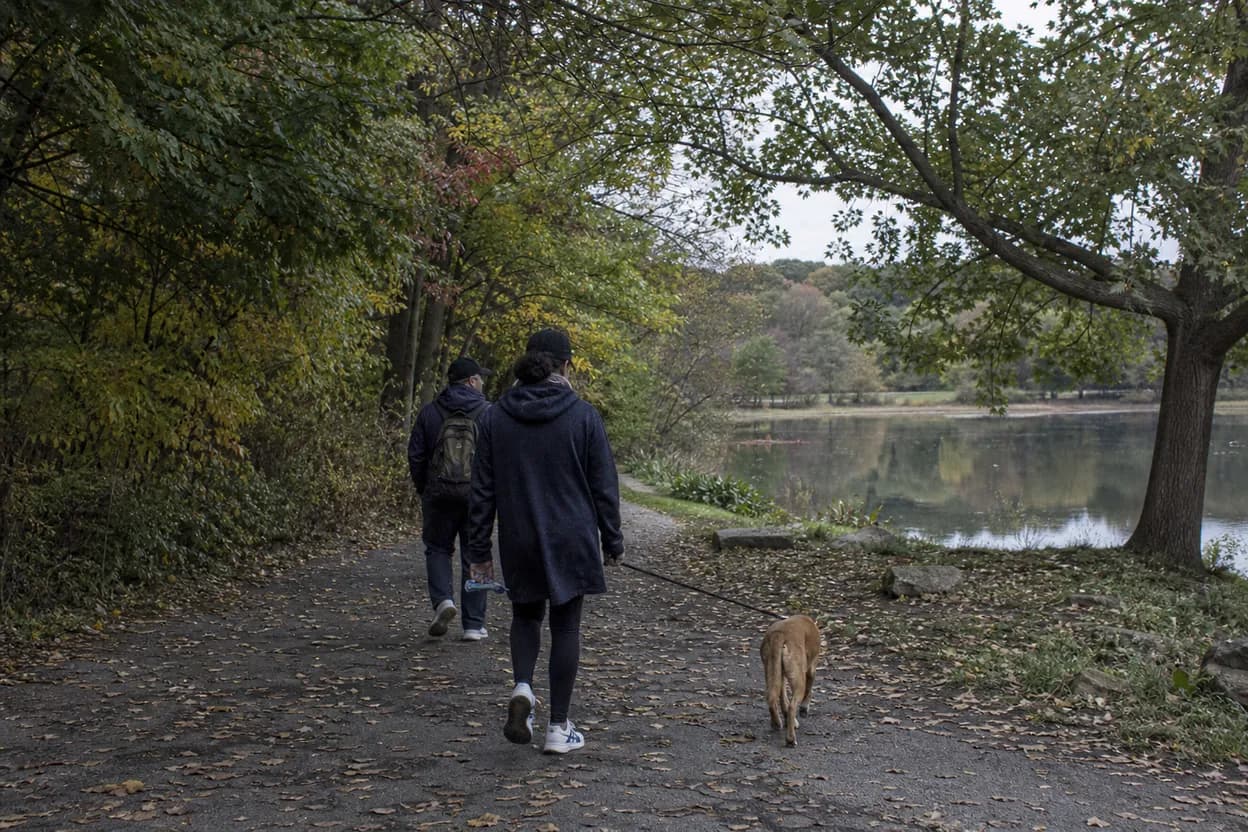
Make Van Cortlandt Lake the anchor, then decide how much walking belongs around it. The lake gives you an immediate visual payoff near the park's southwest side, so nobody has to earn the good part through a long approach. For a low-effort morning, arrive by Broadway and West 242nd Street, move toward the water, and use the shoreline and nearby paths as a loopable framework rather than committing to every trail marker.
This is a strong fit for a Bronx resident, an uptown visitor, a parent with a child, or someone bringing an older relative who wants nature without a hard workout. It is less ideal for anyone expecting a fully smooth promenade. Official and park-alliance material describes trails and natural areas, but surface conditions can vary after rain, maintenance, or heavy use. Build the outing around stopping points, benches when available, and an easy exit back toward Broadway.
Go Early For Shade And Control
The best use case is morning before noon, especially on a hot July day. Early timing gives you cooler pavement, better bird activity, and fewer decisions made under heat stress. Bring water even for a short walk, because shade is helpful but not a substitute for hydration. If the forecast includes heat advisories, thunderstorms, or poor air quality, downgrade the plan to a brief lake view and a shaded sit, or postpone.
Pacing should feel deliberately conservative. Start with ten minutes toward the lake, pause, then decide whether to continue along nearby paths or return. That rhythm matters for mixed-age groups because the harder part is often the walk back to transit, not the first stretch into the park. If someone is already overheated, irritated, or moving slowly at the lake, that is the signal to stop expanding the route.
Use The 1 Train As Your Reset Button
The cleanest car-free approach is the 1 train to Van Cortlandt Park-242 St, the line's northern Bronx terminal. From there, the park is directly adjacent to Broadway, making the lake walk practical without a rideshare or a full-day plan. MTA service can change because of maintenance, delays, or elevator work, so check live status before leaving. If the 1 is disrupted, the outing loses much of its low-friction value.
Accessibility needs require a stricter check. The station, sidewalks, park entrances, and natural paths do not all behave like one continuous accessible route. Before bringing a stroller, cane, walker, or wheelchair, verify current MTA elevator status, then use NYC Parks maps or direct park information to confirm the most realistic entrance and surface. When in doubt, choose the lake-adjacent paved or firmer paths first and skip narrow, muddy, or root-heavy sections.
Know The Route Tradeoffs
A short lake-focused walk can feel peaceful without asking much from your body. Extending onto the John Kieran Nature Trail or Putnam Trail adds more scenery and a stronger park experience, but it also introduces more surface variation, distance, cyclists in some areas, and navigation decisions. Official descriptions identify the John Kieran route as easy and near the lake and marsh, while the Putnam Trail is a paved multiuse route connected to the old rail corridor.
The failure mode is overcommitting because the park looks open and inviting. Van Cortlandt Park is large, and several trails are meant for real walking, running, or cycling, not just a quick cool-off. If your goal is a gentle free morning, keep the lake in sight or keep Broadway mentally close. Save the larger forest trails for a cooler day, better footwear, and a group that actually wants a longer outing.
Plan Around Bathrooms, Food, And Weather
Do not assume every public bathroom, fountain, or concession will be open when you need it. NYC park facilities can be affected by staffing, repairs, season, cleaning, and unplanned closures, and current city reporting has continued to show public restroom reliability as a real planning issue. Use official NYC Parks facility pages before you go, then bring water and a small snack so the walk does not depend on finding a working amenity.
This is also where the backup logic belongs. If bathrooms are unavailable, if the lake area feels too exposed, or if rain has made paths messy, shorten the outing immediately. A successful version can be as simple as transit, lake view, shaded pause, and return. For food or coffee afterward, verify nearby Broadway options separately that morning rather than treating any specific cafe, cart, or opening time as guaranteed.
Keep The Wildlife Distance Easy
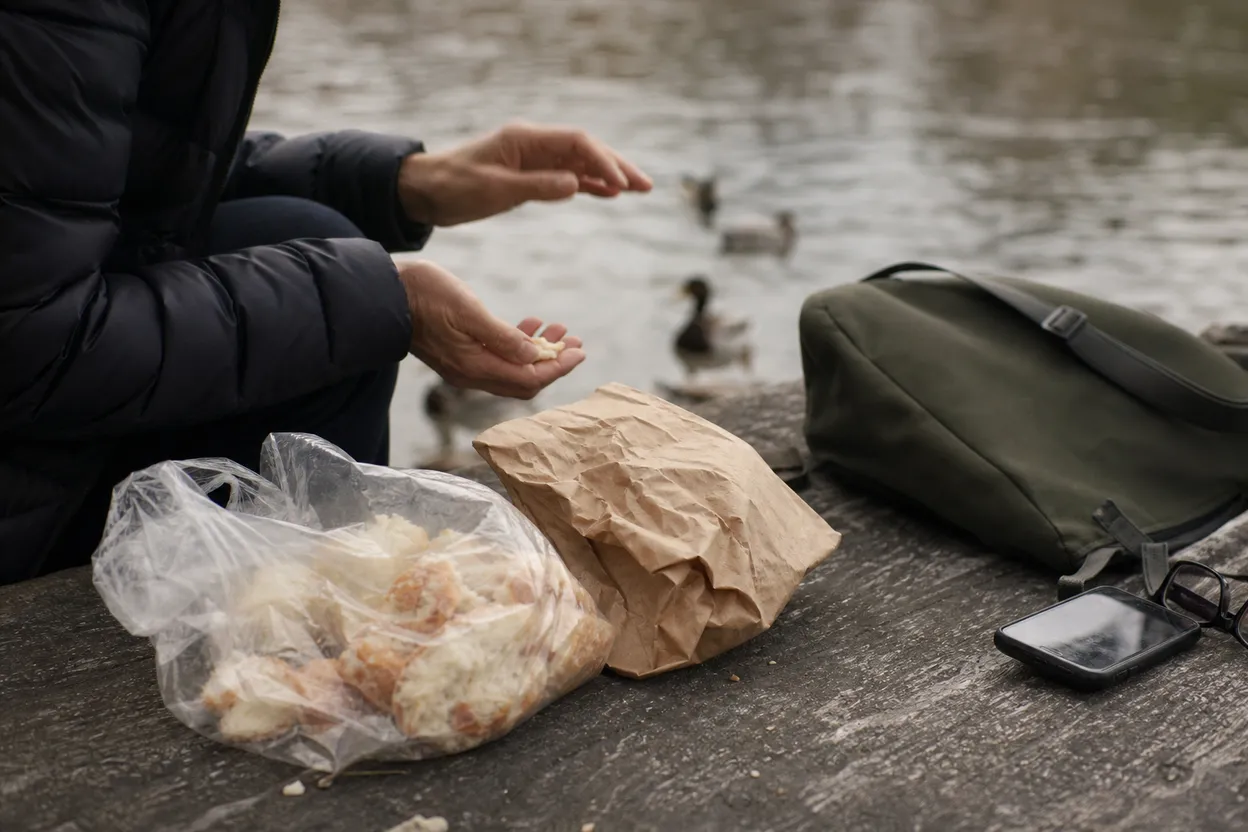
The lake and marsh edges make this walk better than a generic park loop because there is usually something to watch: water, birds, tree movement, and the changing edge between lawn, path, and wetland. Keep the visit observational. Do not feed birds, chase animals, step into planted or marshy areas, or move off official paths for a photo. Those choices damage habitat and can make the outing worse for everyone after you.
Bring binoculars if you already own them, but do not turn this into an equipment trip. The real value is slowing down without spending money. For children, frame the walk around spotting shapes, sounds, and shade rather than collecting things. For older relatives, prioritize stable footing and rest points over completing a loop. For solo visitors, stay aware of surroundings, keep valuables simple, and leave before heat or fatigue changes your judgment.
Verify These Details Before Leaving
On July 16, 2026, the durable plan is free park access plus a flexible lake walk, but the moving parts still need same-day checks. Confirm NYC Parks alerts for Van Cortlandt Park, MTA 1 train status to Van Cortlandt Park-242 St, weather and air quality, bathroom availability, and any posted closures around lake paths or trail work. If any one of those is unfavorable, reduce the route rather than forcing the original idea.
Final decision guide: go if the morning is manageable, transit is running, and everyone in your group can handle uneven surfaces. Modify if heat is high, bathrooms are uncertain, or mobility needs point to a shorter paved approach. Skip if storms, poor air quality, or service changes make the trip stressful. The win is not mileage. It is getting a shaded, free Bronx nature reset and leaving before the day becomes harder.
Tags: #VanCortlandtPark #VanCortlandtLake #Bronx #FreeNYC #FreeThingsToDo #NYCParks #BronxNature #NYCWalks #UptownNYC #MorningWalk #SummerInNYC #AskKarpo #BeforeYouGo #KarpoNYC
All trademarks are the property of their respective owners.
Ask Karpo first
Tell Karpo your date, group size, budget, and starting neighborhood. We’ll check current access, timing, transit, and the cleanest plan for Van Cortlandt Park Lake before you head out.