Amidst the vibrant, ever-evolving landscape of the Bronx, a quiet sentinel stands as a testament to centuries past: the Valentine-Varian House. Built in 1758, this fieldstone farmhouse offers a rare glimpse into New York City's colonial and Revolutionary War eras, serving as a striking counterpoint to the surrounding urban fabric. Now home to the Museum of Bronx History and the Bronx County Historical Society, it invites visitors to explore the borough's rich narrative through its carefully preserved architecture and insightful exhibits, providing a compact yet profound historical journey for those seeking to connect with the city's deeper roots.
Want to navigate this historical gem with confidence? Text Karpo NYC your desired visit date for real-time verification of hours, admission, and exhibit details, ensuring a smooth, enriching experience.

An Enduring 18th-Century Homestead
The Valentine-Varian House, constructed in 1758 by Isaac Valentine, holds the distinction of being the Bronx's second oldest house and its oldest remaining farmhouse. This two-story fieldstone structure, with its gable roof and five bays, offers a tangible link to the architectural styles and early settlement patterns of colonial New York. Its survival through centuries of urban development, particularly its location within the modern street grid of Norwood, highlights its unique historical resilience.
Beyond its architectural significance, the house played a role in one of America's defining conflicts. During the Revolutionary War, the Valentine-Varian House was occupied at various times by British, Hessian, and American troops. Its enduring presence, despite the intense fighting in the area, makes it a rare and compelling example of an 18th-century building that witnessed firsthand the birth of a nation, now serving as an anchor for understanding the borough's past.
The Museum of Bronx History
Today, the Valentine-Varian House functions as the Museum of Bronx History, providing a dedicated space for the exploration of the borough's diverse story. Operated by the Bronx County Historical Society, which also maintains its offices within the house, the museum focuses on presenting the Bronx's evolution over time. Through various exhibits and educational programs, it illustrates how the borough has transformed from its colonial origins into the vibrant community it is today.
The museum's exhibits are designed to engage both long-time residents and new visitors, offering insights into the social, economic, and cultural changes that have shaped the Bronx. This focus on borough-specific history ensures that each visit provides a relevant and localized understanding of New York City's broader narrative, distinguishing it from more general historical institutions.
A Protected NYC Gem
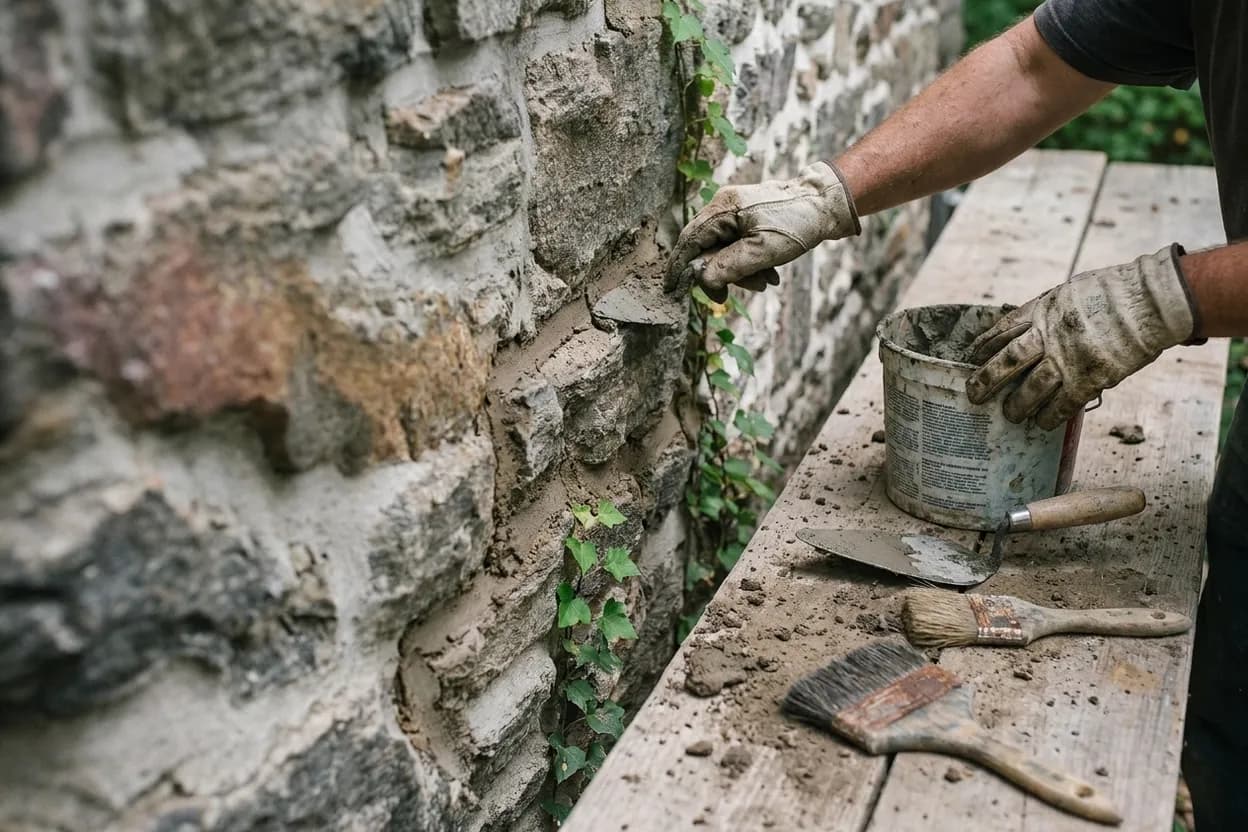
The Valentine-Varian House is not merely a privately preserved relic; it is a officially recognized and protected piece of New York City's heritage. It is a member of the Historic House Trust of New York City and is preserved through the efforts of NYC Parks, underscoring its importance in the city's historical landscape. This institutional backing ensures its continued maintenance and accessibility for future generations.
Further solidifying its historical significance, the property is listed on the National Register of Historic Places. This designation acknowledges its architectural and historical value on a national level, reinforcing its status as a crucial site for understanding both local Bronx history and broader American heritage. Its presence within Williamsbridge Oval Park, as noted by the Historic House Trust, also provides a pleasant setting for its historical contemplation.
Reaching the Norwood Landmark
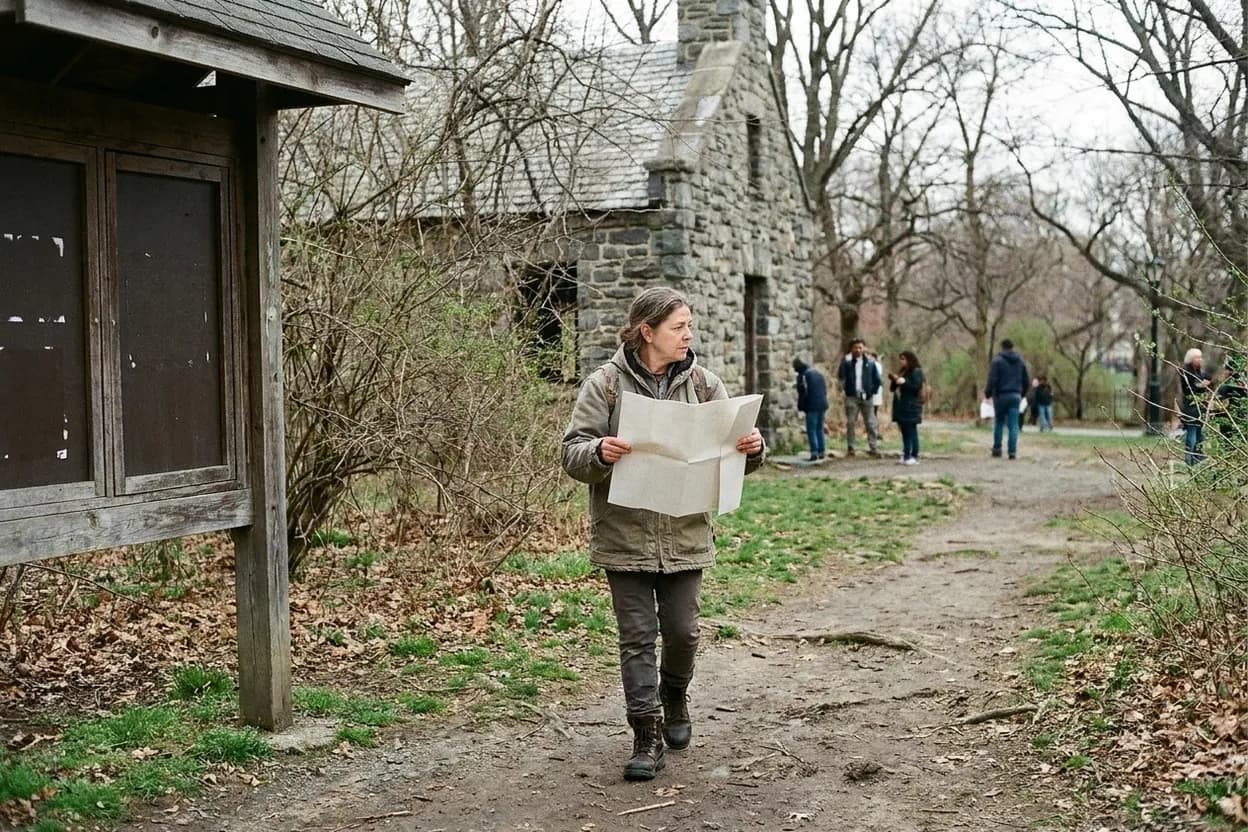
The Valentine-Varian House is conveniently located in Norwood, the Bronx, at 3266 Bainbridge Avenue near East 208th Street. For those utilizing public transportation, the Bronx County Historical Society advises taking the D train to E. 205th Street/Norwood, followed by a walk north along Bainbridge Avenue. Alternatively, the 4 train to Mosholu Parkway places visitors within walking distance; from there, one walks east to Van Cortlandt Park East and then north to Bainbridge Avenue.
Bus access is also well-supported, with several lines serving the area, including the Bx10, Bx16, Bx28, Bx30, Bx34 local buses, and the BxM4 express bus. The museum is also a short walk from Montefiore Medical Center, a useful landmark for orienting oneself within the Norwood neighborhood. This variety of transit options makes the house accessible from across the Bronx and other boroughs.
Pacing Your Visit
Given the house's compact nature and specialized focus on Bronx history, a visit can be comfortably paced over a few hours. The curated exhibits allow for a concentrated exploration of specific themes and periods without overwhelming the visitor. It is advisable to allow sufficient time to read explanatory panels, observe artifacts, and perhaps engage with staff who can offer additional context.
This is not a sprawling estate requiring an entire day, but rather an intimate experience. Consider combining your visit with a stroll through the surrounding Norwood neighborhood or Williamsbridge Oval Park to extend your outing. The scale of the museum makes it an excellent choice for a focused historical excursion, rather than an all-day commitment.
Admission and Expectations
Admission has been posted as a suggested donation of $5 for adults and $3 for seniors and students, with the Bronx Historical Society noting that no one is turned away. This policy makes the museum accessible to a wide audience regardless of budget, encouraging broader engagement with Bronx history. While tours have been listed as by appointment only on some official pages, general access may be available during posted public hours.
Visitors should expect a focused historical experience within a preserved 18th-century farmhouse. The exhibits are designed to educate on Bronx history and borough change, providing a window into the past rather than a large-scale, interactive modern museum. It offers a quiet, reflective atmosphere, ideal for those interested in tangible connections to New York's colonial and early American heritage.
Practical notes for Valentine-Varian House
The most recent publicly posted regular access information lists Saturday hours of 10:00 AM to 4:00 PM, and Sunday hours of 1:00 PM to 5:00 PM. However, tours are also listed as by appointment only on some official sources. It is crucial to verify current operating hours, reservation requirements, and any potential changes to access before planning your trip, as these details can shift. The museum's public phone number is (718) 881-8900, and the office contact email for more information is education@bronxhistorical.org.
Before you leave, always confirm the latest information directly with the Bronx County Historical Society or the Historic House Trust. Details regarding seasonal changes, specific exhibit schedules, or holiday closures are not consistently provided in all sources. A quick check of their official websites or a phone call can prevent any unexpected issues, ensuring your visit to this significant Bronx landmark is as smooth and informative as possible.
Tags: #AskKarpo #BeforeYouGo #NYCHistory #BronxMuseum #HistoricHouse #RevolutionaryWar #NYCAttractions #HiddenGemsNYC #BronxHeritage #MuseumOfBronxHistory #KarpoNYC #NYCExplorer #CulturalTravel #NYCHistoricSites
Sources consulted: Source 1: historichousetrust.org · Source 2: nycgovparks.org · Source 3: bronxhistoricalsociety.org · Source 4: iloveny.com · Source 5: en.wikipedia.org · Source 6: ohny.org · Source 7: nyhistorywalks.wordpress.com · Source 8: en.wikipedia.org · Source 9: instagram.com · Source 10: bronxnarratives.com
All trademarks are the property of their respective owners.
Ask Karpo first
Tell Karpo your date, group size, budget, and starting neighborhood. We’ll check current access, timing, transit, and the cleanest plan for Valentine-Varian House before you head out.