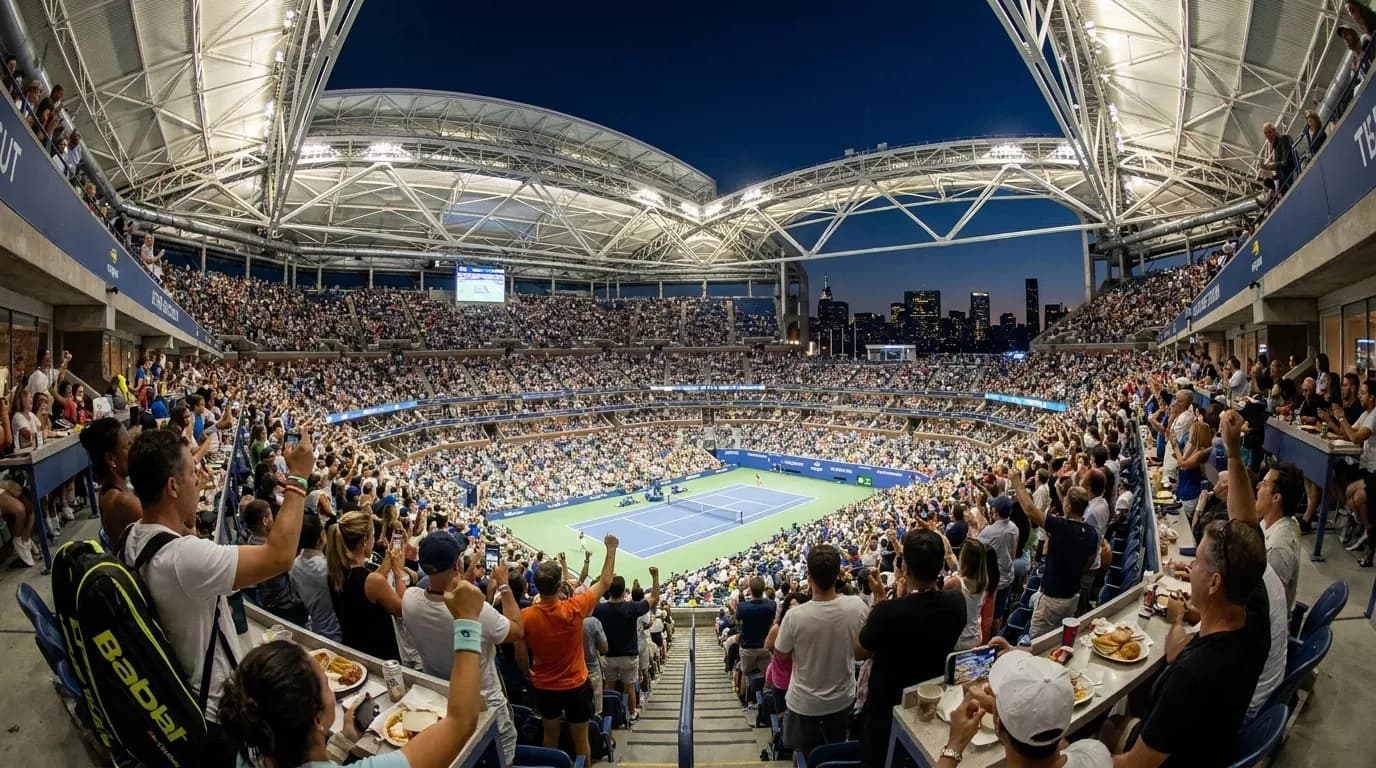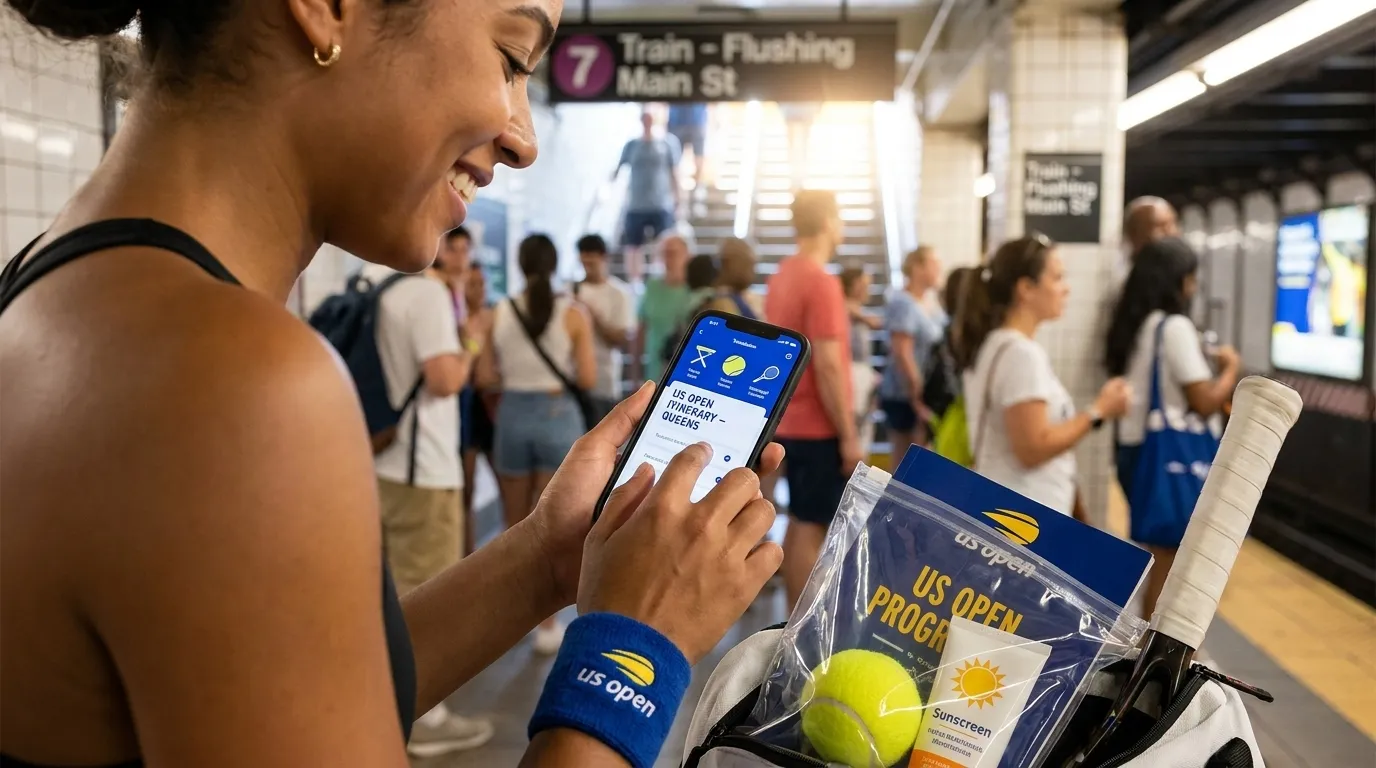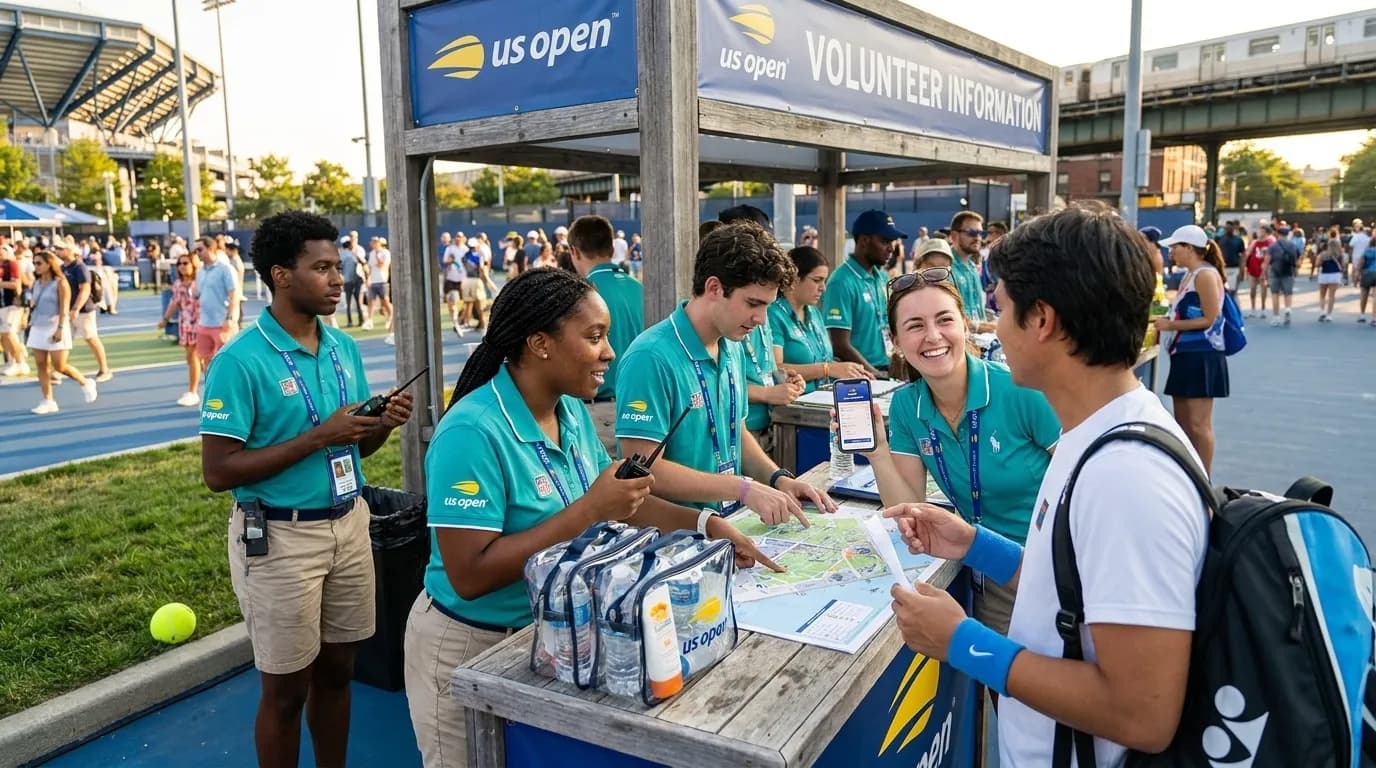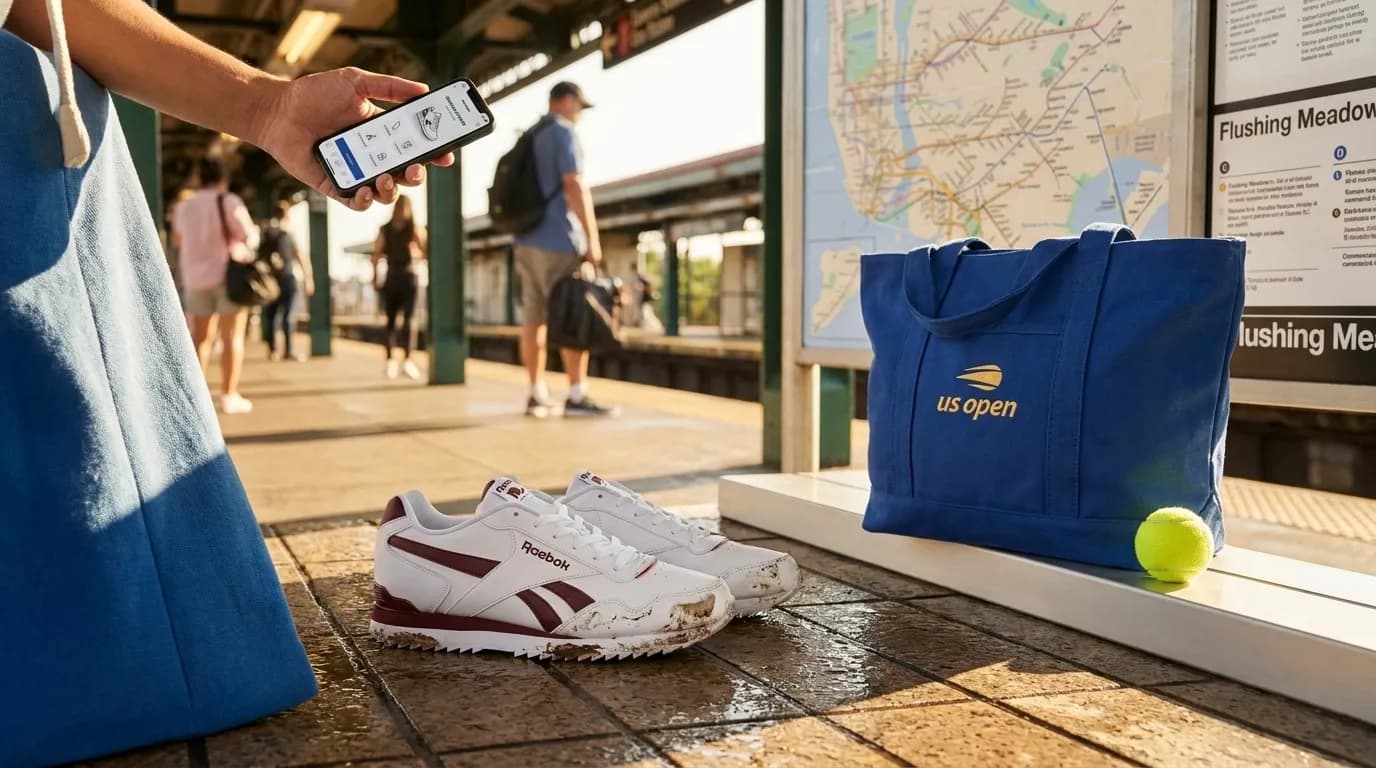
If your sneakers come back from a wet day in Queens looking tired, do not rush them onto a heater, into direct sun, or through an aggressive scrub. The safer move is to separate drying from cleaning: remove loose dirt first, pull the laces and insoles if the shoe allows it, blot moisture with a clean towel, then let the pair air-dry slowly with paper or a shoe tree inside. The official 2026 US Open calendar runs August 23 through September 13, with singles main-draw play beginning August 30, so rain, humid pavement, and crowded transit can all be part of the trip. Before travel, recheck the US Open event schedule, A-Z guide, transportation directions, prohibited-items page, and local weather, because gate times, venue rules, transit details, and service availability can change.
Text Karpo after a rainy match day for sneaker-care steps that protect your tennis-week outfits.

Start With a Drying Plan, Not a Panic Clean
Wet sneakers need patience more than force. Muddy water can carry street grime into stitching, mesh, suede nap, and leather creases, but scrubbing while the shoe is saturated often spreads the soil deeper. When you get indoors, take a minute to assess the material: smooth leather, coated synthetics, knit mesh, canvas, suede, nubuck, and mixed-panel sneakers all react differently.
Begin by removing surface debris with a soft brush or dry microfiber cloth. If there is mud, let the clumps dry enough to flake away before brushing. Then unlace the shoes so the tongue can open and air can move through the upper. If the insoles are removable, take them out and dry them separately; if they resist, do not pry them out, because some are glued or shaped to the shoe.
Stuff the toe box with plain white paper, unprinted packing paper, or a clean cloth to help hold shape and draw out moisture. Avoid newspaper on pale linings because ink can transfer. Replace the paper when it becomes damp. Set the shoes in a well-ventilated room, away from radiators, hair dryers, ovens, car dashboards, and strong sun. High heat can shrink textiles, warp midsoles, stiffen adhesives, and crack leather finishes.
Clean by Material, Not by Color
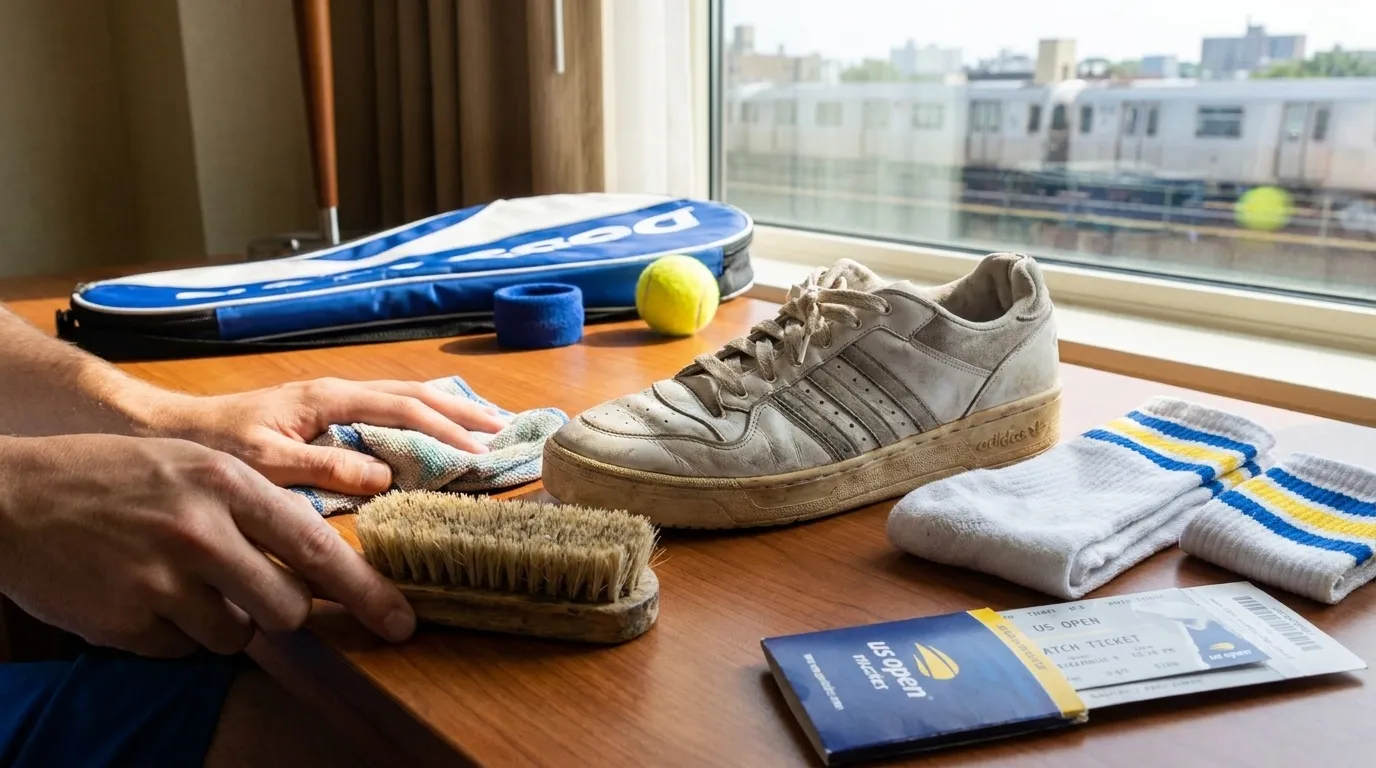
A white sneaker is not one material; it might be leather with mesh lining, suede overlays, rubber trim, and a foam midsole. Treating the whole shoe with one harsh method can leave a clean-looking but damaged pair. The right approach is to work from the gentlest method upward, testing any cleaner on a small hidden area first.
- Smooth leather and coated synthetic uppers: Use a barely damp microfiber cloth with a small amount of mild sneaker cleaner or diluted gentle soap. Wipe, do not soak. Follow with a dry cloth and allow slow air-drying before conditioning leather if the brand recommends it.
- Mesh and knit: Brush away dry grit first, then use light foam and a soft brush in small circles. Too much water can push dirt into the padding and create odor, so remove residue with a damp cloth rather than rinsing under a tap.
- Canvas: Spot-clean with mild soap and a soft brush. Canvas can hold water, so keep the cleaning zone controlled and dry the pair with airflow, not heat.
- Suede and nubuck: Let the material dry fully before brushing with a suede brush. Use a suede eraser for marks when appropriate. Avoid water-heavy cleaners unless the product is made for suede and the shoe maker’s care advice supports it.
- Rubber midsoles and outsoles: Use a damp cloth, a soft brush, or a melamine-style sponge carefully on rubber only. Keep abrasive cleaning away from painted midsoles, delicate leather, suede, and printed details.
For mixed-material pairs, protect the most delicate section first. If suede sits beside leather, clean the leather with controlled moisture and keep the suede dry. If a knit upper has leather trim, avoid soaking the trim. The goal is not a factory reset after every match day; it is to remove grime without shortening the life of the shoe.
Handle Odor Before It Settles In
Rainy stadium days often mean more than wet uppers. Socks get damp, insoles absorb sweat, and shoes spend hours in a bag, hotel room, apartment entryway, or rideshare trunk. Odor becomes harder to manage when moisture is trapped overnight, so build a drying habit into the end of the day.
Once the outside has been blotted and the laces are out, focus on airflow. Open the tongue, remove insoles if safe, and set everything apart. If you use deodorizing pouches, cedar inserts, or moisture absorbers, wait until the shoe is no longer wet to the touch; placing absorbent products into a soaked sneaker can leave them saturated and ineffective. A small fan across the room can help circulate air, but keep it at a gentle distance rather than blasting one side of the shoe for hours.
Do not mask damp odor with heavy fragrance. Perfumed sprays can mix with moisture and grime, and some may stain delicate linings. If the insole is washable according to the shoe maker’s guidance, clean it separately and let it dry fully before reinstalling. If it is not washable, wipe lightly, air it out, and consider rotating to another pair the next day so the first pair can finish drying.
Protect Before the Forecast Turns
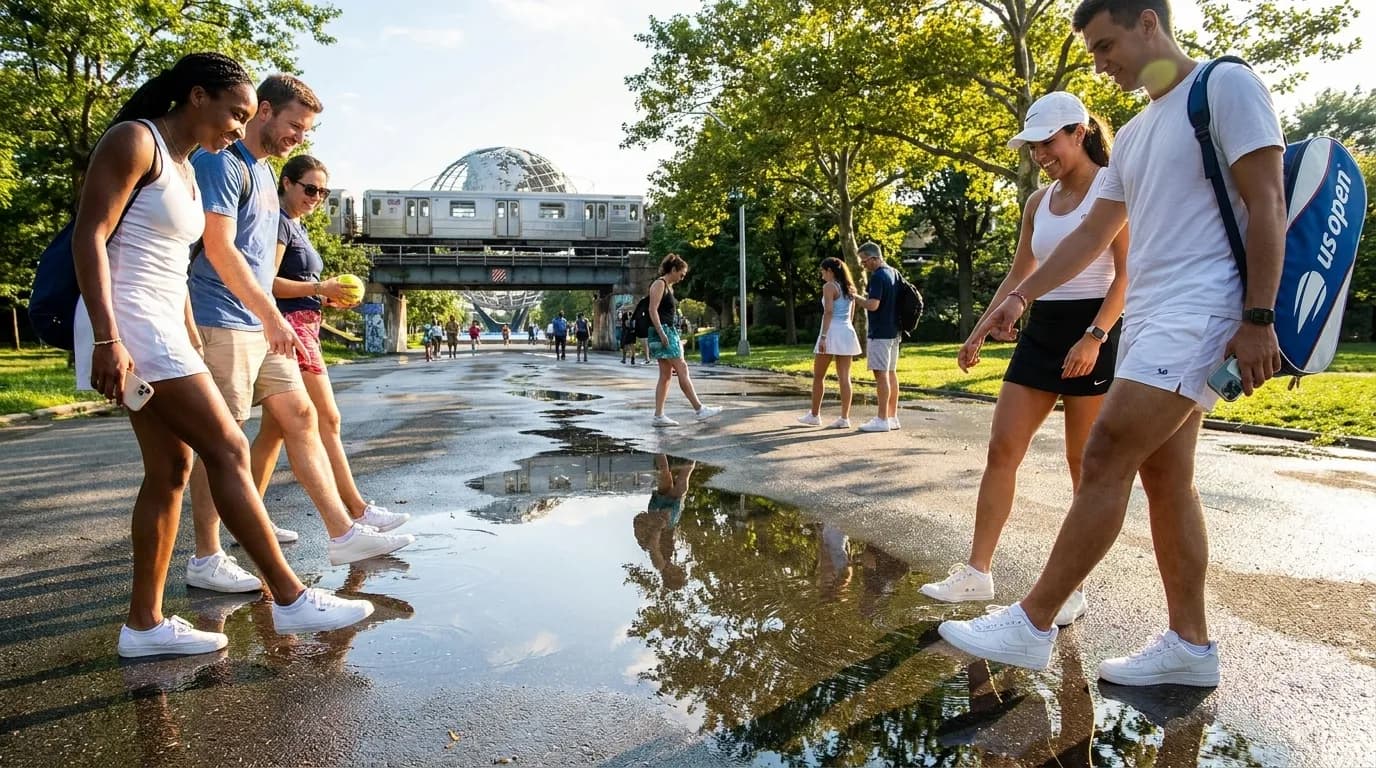
The best post-rain rescue begins before you leave for the venue. A water-repellent spray can help many sneakers resist light rain and splashes, but it is not a force field. Choose a product compatible with the shoe material, apply it in a ventilated area, and let it cure for the time stated on the product label. Spraying shoes in the morning and stepping into rain minutes later may give disappointing results.
Suede and nubuck benefit most from prevention because water spots can be difficult to correct. Smooth leather can also use protection, though some finishes already have coatings and may not need heavy treatment. Knit and mesh can accept certain protectors, but sprays may affect breathability, texture, or color. Always patch-test first, especially on pale, premium, or limited-release sneakers.
For a US Open day, protection also means choosing the right pair. If the forecast looks unsettled, think twice about fragile suede, untreated canvas, or sentimental sneakers you would be upset to mark. A comfortable, already broken-in pair with easier-care materials is usually wiser for wet sidewalks, lines, stairs, and post-match travel.
Pack Light Care Without Assuming Venue Access
A compact sneaker kit can save a pair after a passing shower, but it should be planned around current venue rules, not habit. Before you go, check the US Open A-Z guide and prohibited-items page for the latest entry guidance. Rules can change, and security decisions at the gate may differ from what a traveler casually expects.
- A small microfiber cloth for blotting rain and wiping rubber edges.
- A resealable bag for damp laces, used cloths, or socks, if allowed and practical.
- A soft travel brush for dry dirt after the shoe has had time to shed surface moisture.
- A spare pair of socks to reduce friction and odor if your feet get wet.
- A lightweight shoe bag for separating sneakers from clothing after the day, while still drying them properly once you are back indoors.
Avoid packing liquids, sprays, sharp tools, or bulky cleaning products without verifying current restrictions first. Even if an item seems harmless at home, it may be inconvenient at a venue. The easier plan is to carry dry, simple items for damage control, then do the real cleaning later in a hotel room or at home.
Know When to Stop Cleaning
The most common sneaker-care mistake after rain is overcorrection. A scuffed midsole, darkened suede patch, or damp crease can tempt you into stronger chemicals, more water, or repeated scrubbing. That is where minor wear can become permanent damage. If a mark is not lifting with a gentle method, pause and let the shoe dry completely. Some stains look worse while wet and lighten as the material returns to normal.
Be especially careful with vintage sneakers, painted midsoles, metallic finishes, patent leather, delicate mesh, and designer pairs with mixed construction. Adhesives and coatings age differently, and aggressive cleaning can expose cracks or discoloration. If the sneakers are valuable, sentimental, or materially complex, a professional sneaker cleaner may be the safer choice, though availability, turnaround, and results should be confirmed directly before relying on that option.
Do not put sneakers in a washing machine unless the manufacturer clearly says that the specific pair can handle it. Machine cycles can bend heel counters, loosen glue, roughen suede, and damage embellishments. Even when a shoe survives one wash, repeated machine cleaning can shorten its life.
Practical Notes
Before heading to the 2026 US Open, recheck the official event schedule for the day you plan to attend, the A-Z guide for current visitor information, the transportation directions for your route, and the prohibited-items page before packing any care supplies. Check the weather close to departure, choose sneakers you can realistically dry overnight, apply any protector well in advance, and bring only simple, rule-friendly items. After a rainy day, blot first, remove laces and insoles if possible, air-dry away from heat, clean by material, and stop before a small stain becomes a larger repair.
Tags: #USOpen2026 #Tennis #NewYork #Queens #FlushingMeadows #KarpoFinds #Karpo #SneakerCare #USOpenRain #TennisStyle
Sources consulted: usopen.org — Official reference · usopen.org — Official reference · usopen.org — Official reference · usopen.org — Official reference
All trademarks are the property of their respective owners.
Ask Karpo first
Ask Karpo how to dry shoes overnight, pack backups, and avoid common cleaning mistakes after wet US Open travel.