If you are going to the 2026 US Open, the most useful return-game lens is simple: do not judge the point only by the serve speed or the ace count. The official tournament calendar runs August 23 through September 13, with singles main-draw play beginning August 30, and matchups can change as fields, schedules, and court assignments are updated. Once you are in your seat, however, you can read a returner’s plan within the first few service games. Watch where they stand, whether they block or swing, how deep the ball lands, and whether the server is forced to hit a second shot under pressure. Against massive first serves, the best return games often look modest at first: a short punch, a low chip, a ball floated deep to the backhand side, then a sudden change when the server starts guessing.
Text Karpo after a big serve hold and we’ll point out what returners can adjust next.

Start With the Returner’s Feet, Not the Radar Number
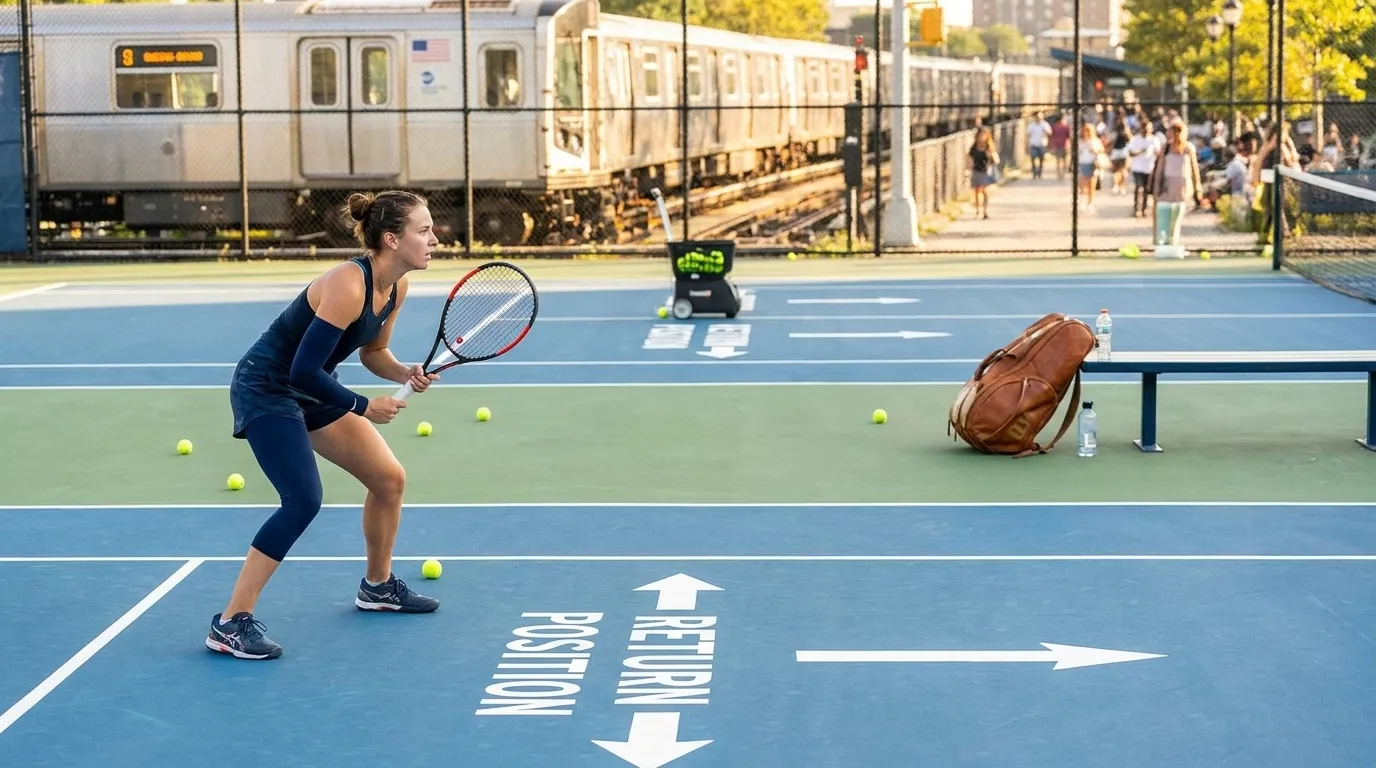
The first clue is return position. A player who stands well behind the baseline is buying time to see the serve, lengthen the contact window, and make a fuller shoulder turn. That can help against a server whose first ball explodes through the court, especially if the returner is comfortable defending from deep. The tradeoff is obvious: the return travels farther, and a short reply may invite the server forward.
A player who crowds the baseline is sending a different message. They are trying to take time away, cut off the wide angle, and make the server feel that even a good first serve might come back quickly. This position can look brave or reckless depending on execution. If the returner is late, the ball sprays. If the timing is right, the server has less room to organize the first forehand.
Also watch the small adjustment before contact. Some returners begin deep, then step in as the toss goes up. Others lean one way to bait a serve pattern, then split-step back toward neutral. These movements are not proof of a secret plan; they are visible attempts to solve timing, angle, and anticipation in real time.
The Block Return Is a Defensive Shot With Offensive Purpose
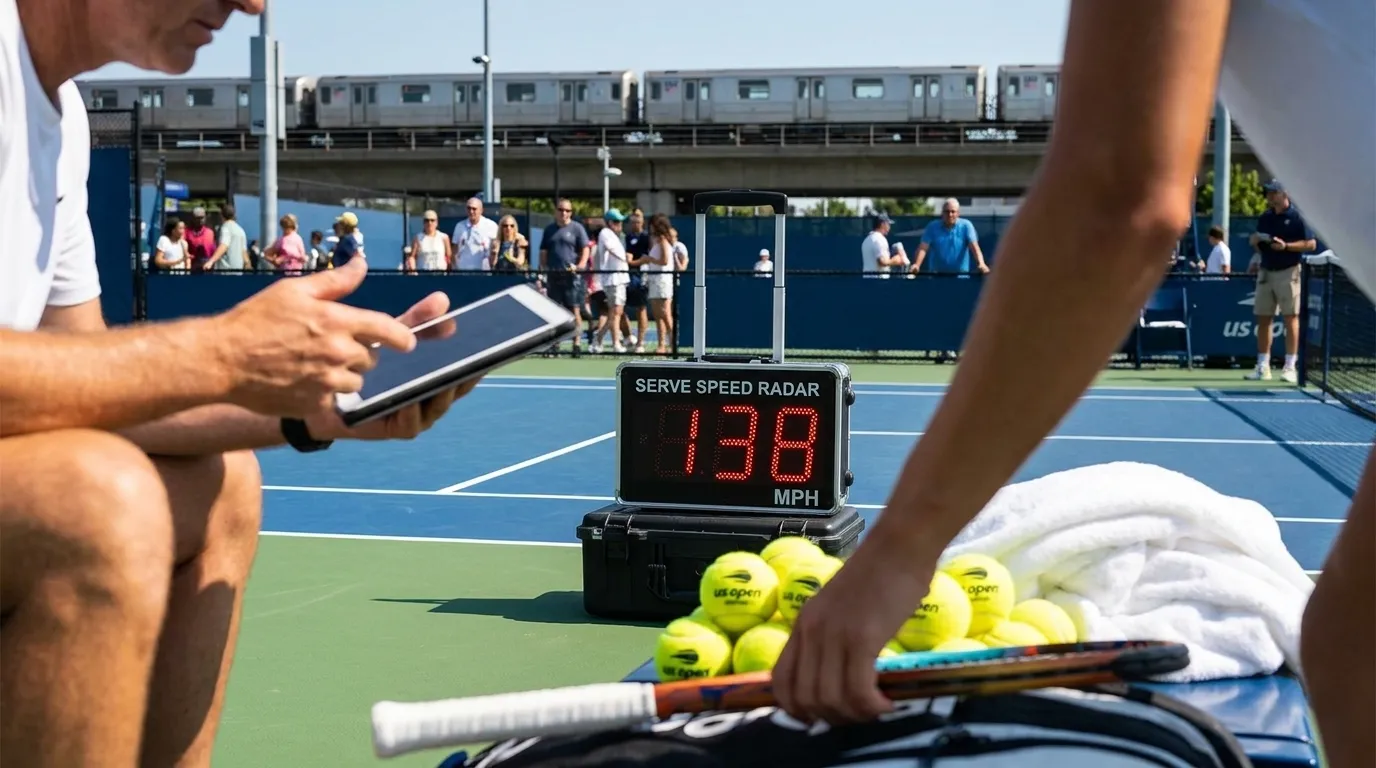
A block return is not a panic move. Against a huge first serve, it is often the cleanest way to make the server play. The returner uses a short backswing, firm hands, and the pace already supplied by the serve. From the stands, it may look like the racket barely moved. That is the point: less swing means fewer timing errors.
A good block return usually has one of three goals. It can land deep through the middle, taking away the server’s first-strike angle. It can be directed low to the server’s feet if the server is moving forward. Or it can be guided crosscourt to a safer target, making the server hit one more ball from a predictable location. The best block returns do not need to be winners. They need to turn a serve-plus-one pattern into a neutral rally.
Listen to the contact if you are close enough. A crisp, compact block often has a clean, muted sound. A rushed stab tends to pop up or float short. On a fast-looking service game, the difference between those two contacts may be the difference between a hold at love and a deuce game that suddenly feels heavy.
Chip Depth Changes the Server’s First Strike
The chip return is another tool that can neutralize pace without matching it. The returner slices under or through the ball, keeping the swing controlled and the trajectory low enough to prevent an easy attack. Against a tall or powerful server, a chip can be especially useful because it forces the server to bend, move forward, or hit up from below the net line.
Depth matters more than style. A floating slice that lands short may be punished. A chip that lands near the baseline, especially through the center channel, can make the server’s next shot awkward. The server may have to generate all the pace, change direction from a low ball, or reset the point instead of finishing it.
- Deep middle chip: limits the server’s angle and can make the first groundstroke less explosive.
- Low crosscourt chip: asks the server to lift the ball while moving away from the court’s center.
- Chip at the body after a wide serve: can jam the server’s recovery step and delay the first attack.
- Short low chip as a surprise: can draw the server forward, but it is riskier if used too often.
A helpful viewing habit is to track the server’s next contact, not just the return landing spot. If the server is hitting the first groundstroke from shoulder height and inside the court, the return probably did not do enough. If the server is reaching, bending, or choosing a safer reply, the returner has quietly won the first tactical exchange.
Body Serves Reveal the Returner’s Hands
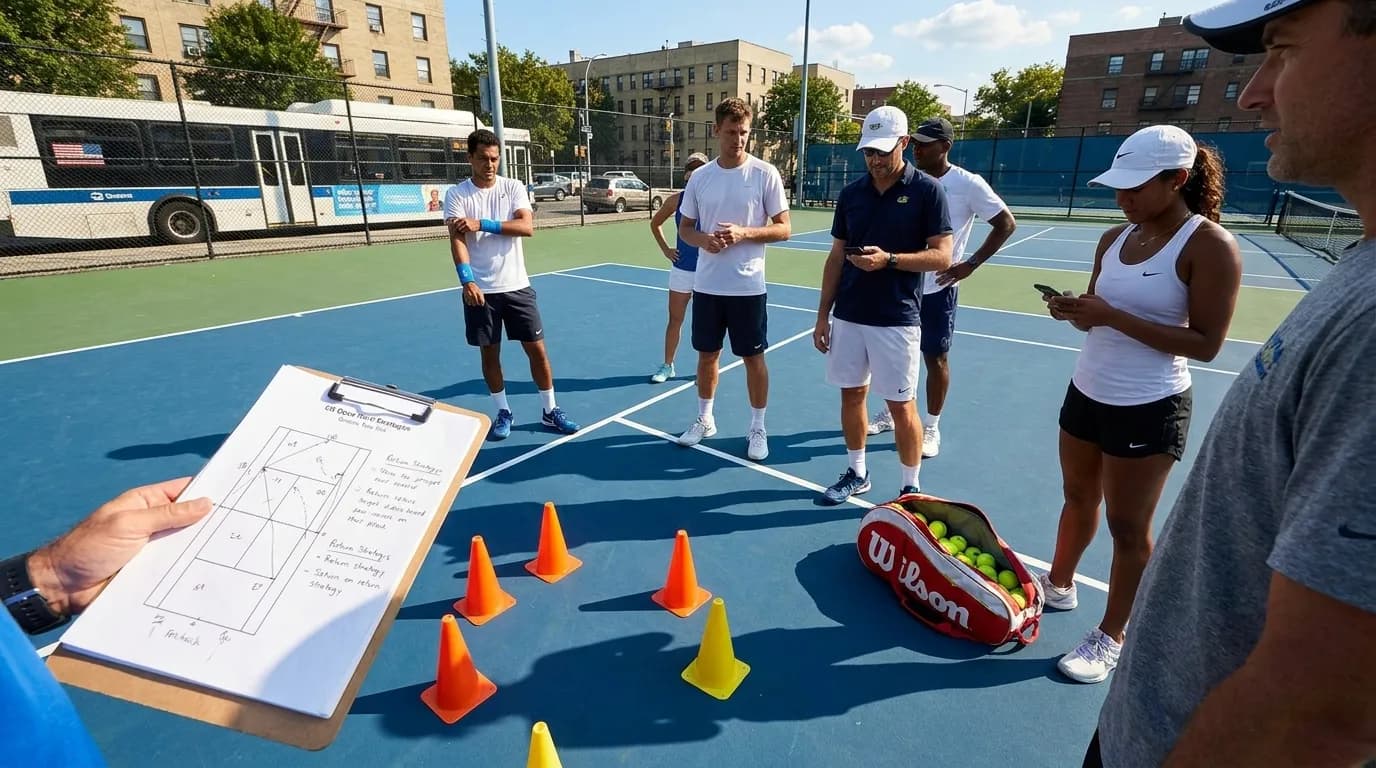
Huge servers do not only chase lines. Many use body serves to jam the returner, especially when the returner has started reading wide or down-the-T patterns. A body serve tests footwork and hand speed because the returner must create space before making contact. From the crowd, this often looks like a rushed shuffle, a hop backward, or a last-second turn of the shoulders.
The returner’s answer tells you a lot. If they can absorb a body serve with a compact block, the server loses a reliable pressure release. If they repeatedly get tied up, the server may keep returning to that location at important moments. Some returners solve the problem by standing slightly farther back. Others shade to one side, daring the server to hit a more precise target.
Do not assume every missed return is a poor read. A body serve at high pace can force an error even when the returner knows it is coming. The more important pattern is whether the returner begins making cleaner contact after seeing the serve several times. Improvement within the set is often a sign that the return position and swing length are being calibrated.
Pressure Patterns Show Up Before Break Point
Return pressure is not only measured by breaks. It can begin at 15-all, with one deep block that makes the server work. It can appear at 30-all, when a returner changes position and forces the server to choose a smaller target. It can build through repeated deuce games, even if the server keeps holding.
Watch how the server behaves after several returns come back. Some servers keep swinging freely. Others begin taking a little more off the first serve, aiming for body contact, or relying more heavily on a preferred serve-plus-one pattern. None of this guarantees a break, but it tells you the returner is asking questions.
The scoreboard can also change the returner’s risk level. At 0-40 or 15-40, a returner may accept a safer blocked ball to make the server play. At 40-0, they may take a larger cut, trying to send a message for the next game. Late in a set, a single deep return can matter because it may make the server think twice about the next toss location.
- A server who wins points quickly but faces many returns in play may still be under tactical pressure.
- A returner who misses aggressively early may be testing timing rather than abandoning discipline.
- A sudden step forward on second-serve points can influence the server’s first-serve choices later.
- Repeated deep returns through the middle can reduce the server’s ability to finish with the first groundstroke.
Doubles Gives the Same Lesson in a Smaller Window
If you spend time watching doubles, the return battle becomes even more visible. The net player punishes anything that floats, so returners must be precise under pressure. Against a massive first serve, a doubles returner may block low crosscourt, chip deep to the server’s feet, or take a compact swing down the line to keep the net player honest.
The court geometry is different, but the principle is the same: the return does not have to be spectacular to be effective. It has to avoid the most dangerous opponent, land in a place that prevents an immediate put-away, and give the returner’s partner a chance to defend or attack. Doubles is a good training ground for spectators because patterns repeat quickly and positioning is easier to compare from point to point.
Rules and match procedures are governed by official tennis regulations, and the ITF publishes the sport’s rules and governance materials. For fans, the practical takeaway is simpler: once the serve is legally in play, the returner’s job is to manage time, space, and risk. Doubles makes that job feel compressed, which can sharpen your eye before you return to singles viewing.
Practical Notes
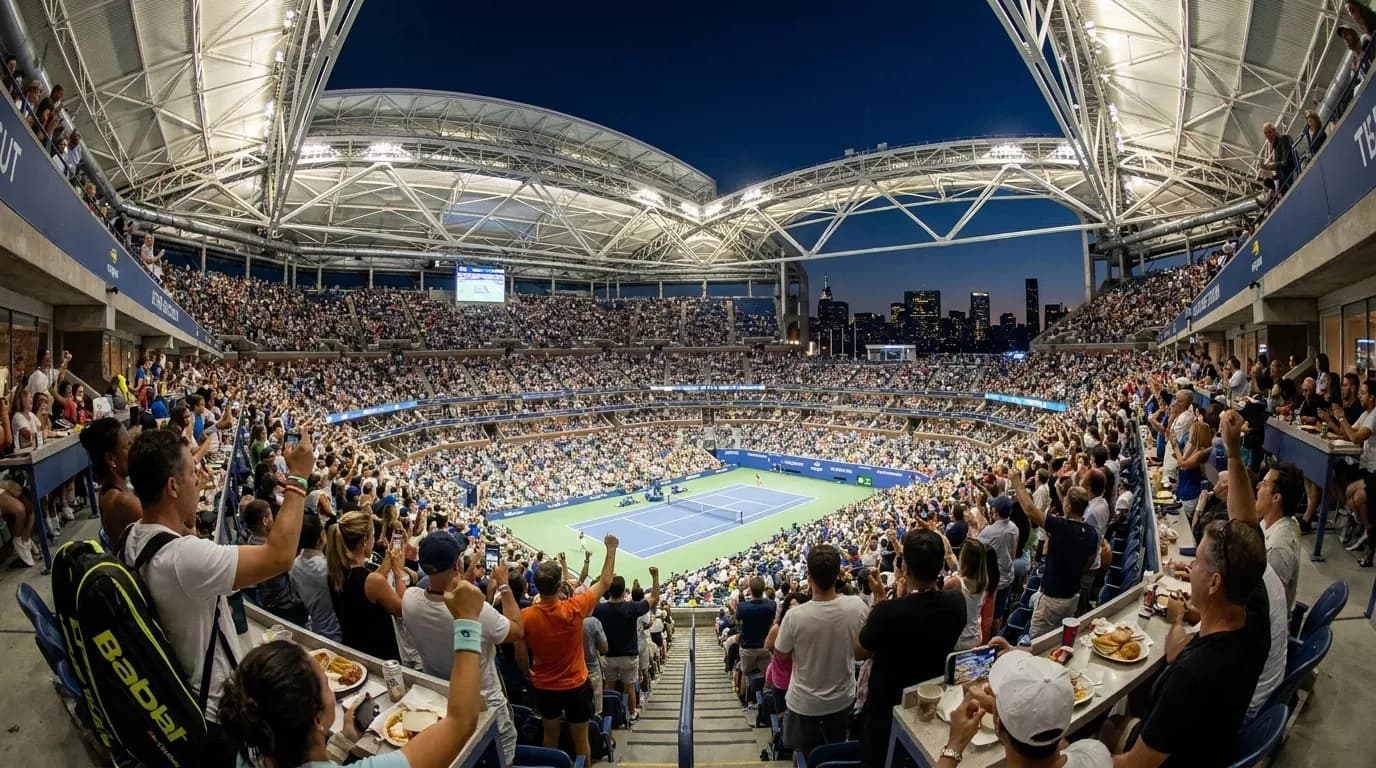
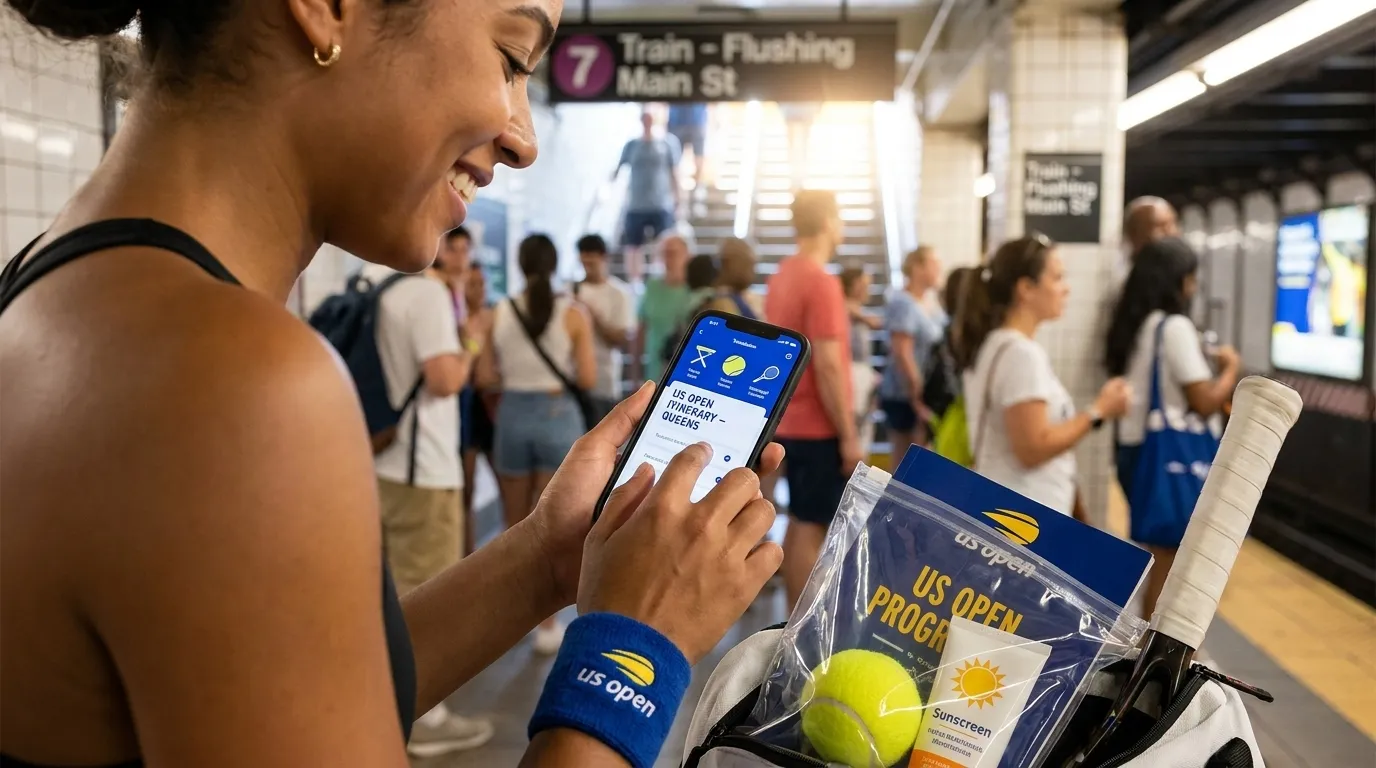
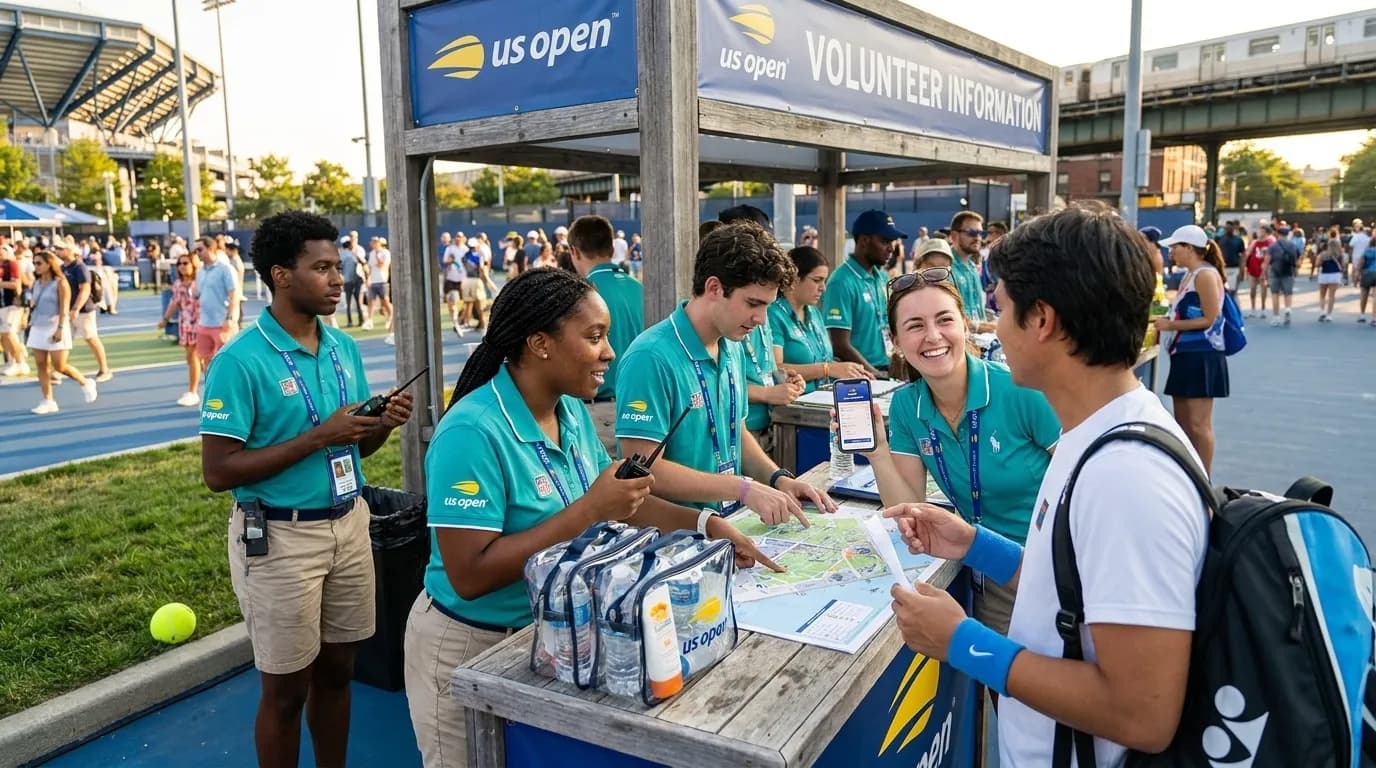
Before travel or a ticketed day, recheck the US Open’s official schedule, A-Z visitor information, transportation guidance, and prohibited-items page, because schedules, gate procedures, venue rules, transit conditions, weather, local hours, inventory, and service availability can change. For match viewing, pick one returner for an entire service game and track four things: starting position, swing length, return depth, and the server’s first shot after the return. If you are moving between courts, smaller courts may offer a closer look at contact and footwork, while larger stadium views can make patterns and court positioning easier to see. Do not rely on assumed player participation, draw placement, court speed, equipment choices, or health details when planning. Use the official tournament site and primary travel sources close to your visit, then let the first few games tell you how each returner is trying to make a huge serve feel playable.
Tags: #USOpen2026 #Tennis #NewYork #Queens #FlushingMeadows #KarpoFinds #Karpo #ReturnGames #USOpenTactics #FirstServePressure
Sources consulted: usopen.org — Official reference · usopen.org — Official reference · usopen.org — Official reference · usopen.org — Official reference · itftennis.com — Official reference
All trademarks are the property of their respective owners.
Ask Karpo first
Ask Karpo to explain block returns, depth targets, and positioning changes that make massive serves less comfortable.