If you are planning US Open days around a player who has just come through a long five-set match, the useful question is not whether that player will be fine. It is what you can actually observe, and what you should avoid assuming. As of July 23, 2026, the official 2026 US Open calendar runs August 23 through September 13, with singles main-draw play beginning August 30. Daily schedules, court assignments, gate information, player fields, transportation details, venue rules, weather effects, local hours, inventory, and service availability can change. Recheck the US Open’s official event schedule, A-Z guide, transportation guidance, and prohibited-items information close to travel. Between matches, fans may notice cooldown movement, hydration choices, lighter practice, warm-up adjustments, or a player conserving steps. Those are visible clues about workload management, not proof of injury, private treatment, sleep quality, or readiness.
Text Karpo after a five-set marathon to understand what recovery demands come next.

Why a Five-Set Match Changes the Next Match Conversation
Best-of-five tennis can pack a large physical and mental load into one afternoon or evening. The obvious factor is time on court, but the repeated accelerations, braking steps, serves, returns, split steps, and pressure-point decisions matter too. Two players can spend similar minutes on court and face different recovery demands. One may have played extended baseline rallies; another may have relied on shorter points, first serves, slices, or net approaches.
That is why quick conclusions are risky. A player who looks deliberate early in the next match may be finding rhythm, adjusting to conditions, or shaking off normal heaviness. A player who looks sharp in warm-up may still face a difficult physical test once rallies lengthen. Recovery is not a simple switch. It is a sequence of choices aimed at restoring movement quality, serve repeatability, concentration, and decision-making under pressure.
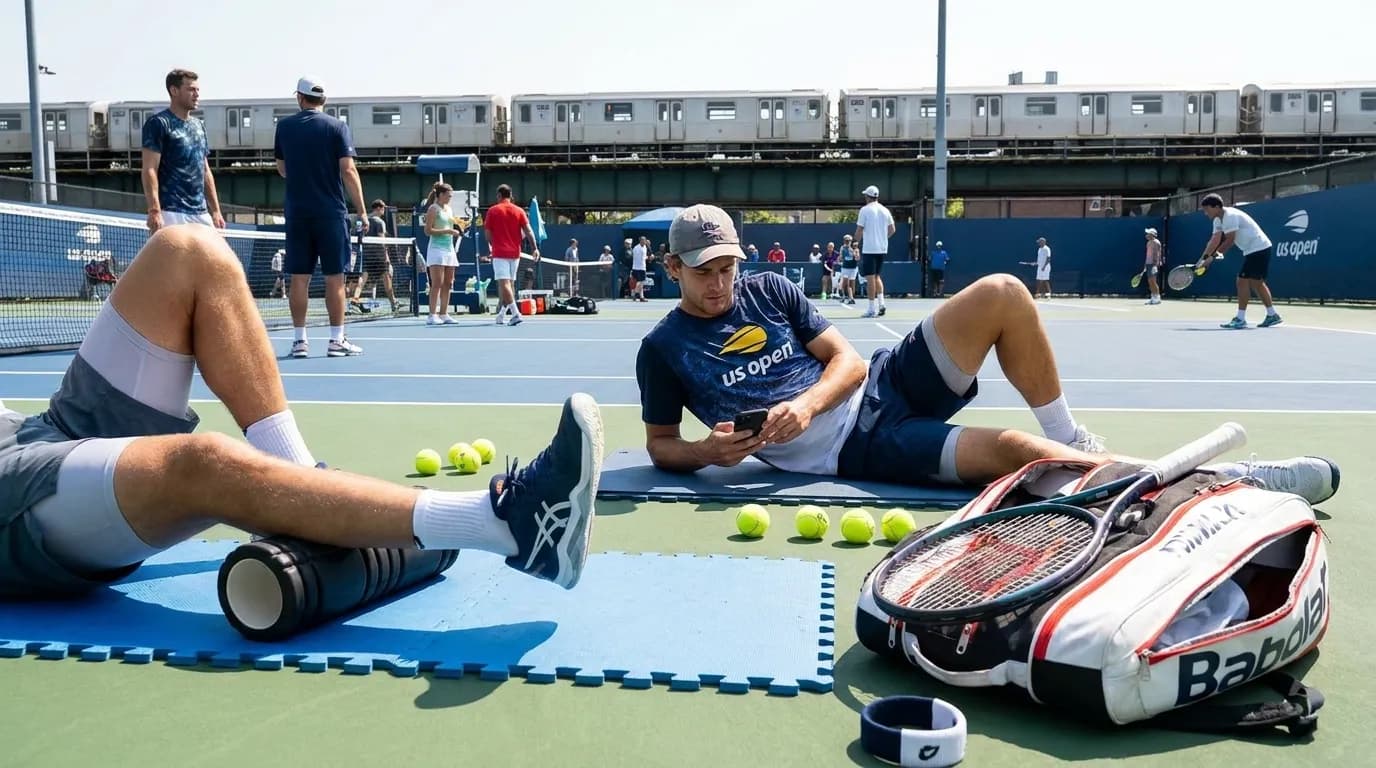
The Cooldown Fans May Actually Notice
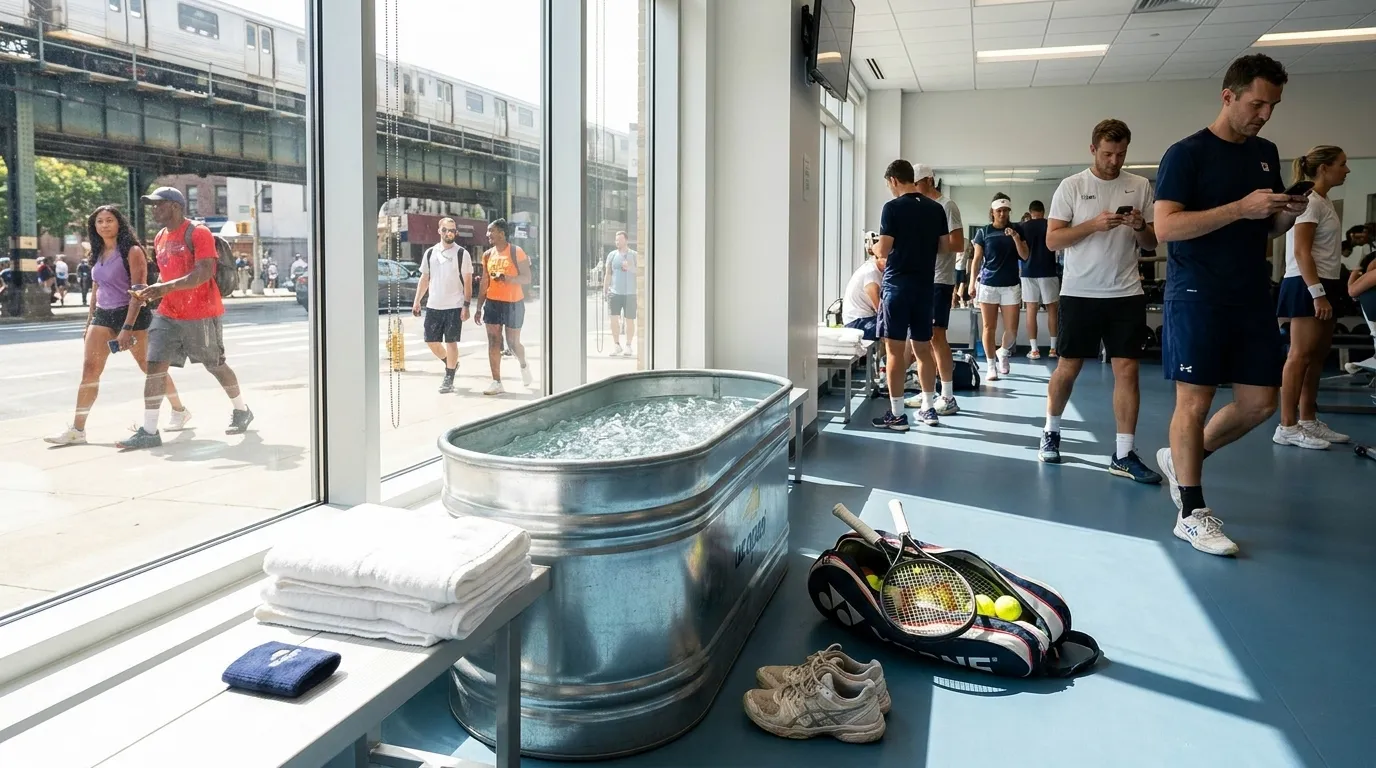
After a marathon match, the most visible recovery work may look ordinary. A player may keep walking instead of stopping abruptly, stretch lightly, use towels and fluids, speak briefly with staff, or move away from public areas. Some recovery work may happen where spectators cannot see it. The public part should be read cautiously. Elite players often look measured after long matches because they have spent hours repeating explosive movements, not because one specific private explanation is certain.
A later practice session can also be easy to misread. A shorter or lower-intensity hit may be normal tournament management rather than a dramatic signal. Not every practice is designed to entertain spectators. Sometimes the visible purpose is narrow: a few serves, contact-point checks, return timing, footwork patterns, or feeling the ball without spending extra energy. If you watch practice, look for purpose rather than theater. A player may be using the court to sharpen timing, not to prove fitness.
Hydration, Food, and Inference Limits
During and after long matches, fans often notice bottles, gels, bananas, towels, ice, or staff handing over supplies. Those items are part of visible match management, but they do not reveal a full nutrition or hydration plan. Teams may adjust intake based on conditions, digestion, sweat rate, match length, and personal preference. The public view is only a small slice, and it is easy to overread it.
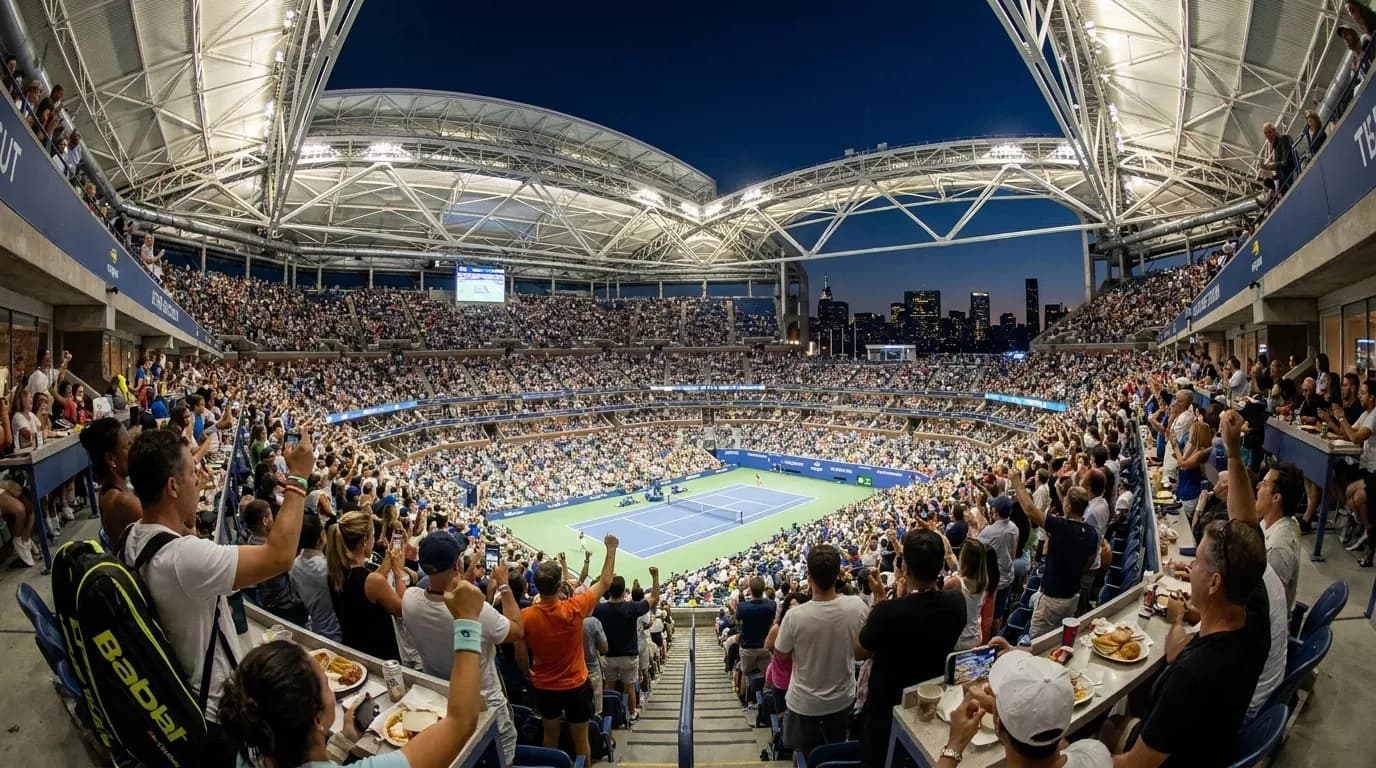
For spectators, the practical point is that long matches can affect the rhythm of a session. A five-setter may delay later matches on that court, extend a day into the evening, or change crowd patterns around food areas, restrooms, concourses, exits, and transportation. Before leaving for the grounds, check the latest official information instead of relying on an old screenshot. If you are packing a bag, verify the current prohibited-items policy. Venue rules are operational details, not tennis folklore.
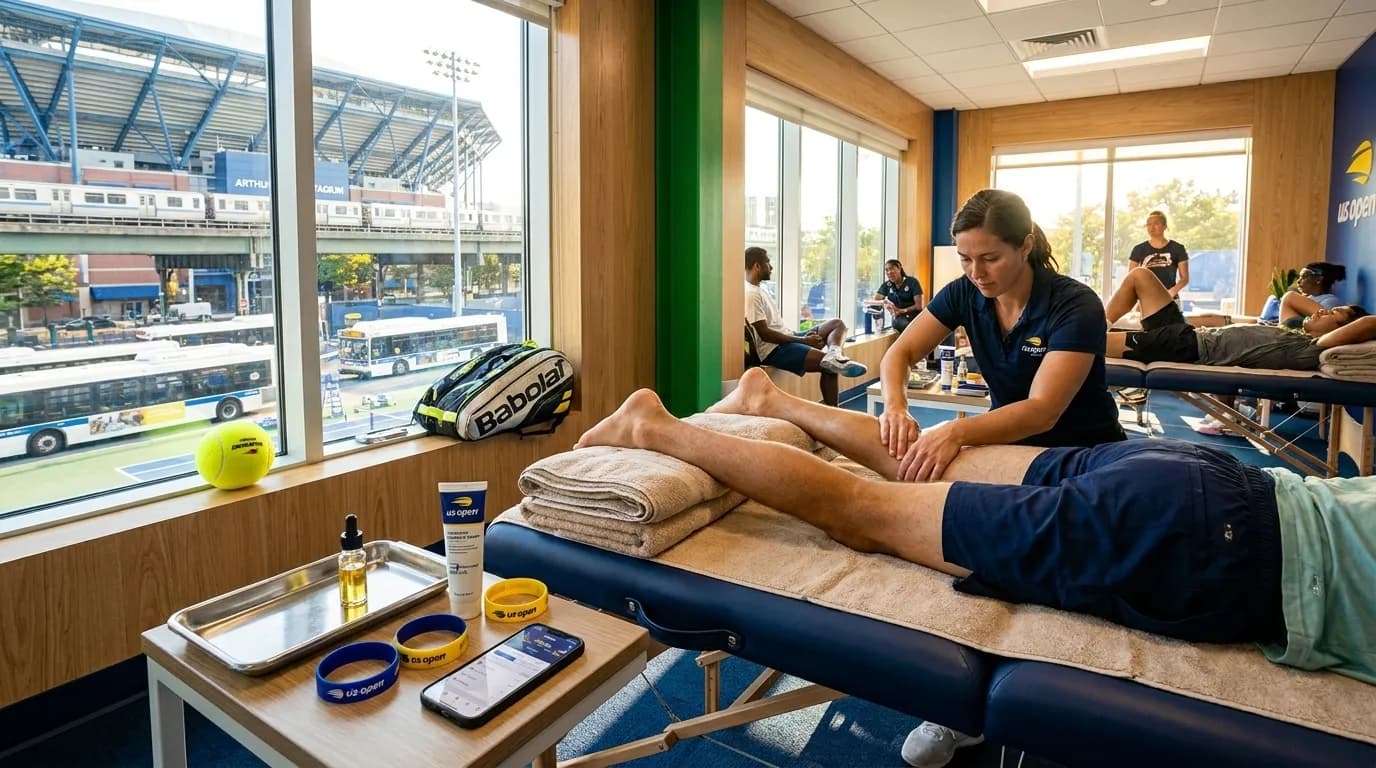
Sleep Is the Recovery Choice Fans Rarely See
The least visible recovery priority may be one of the most important: protecting sleep. Fans see the match, the handshake, the interview, and maybe a practice court the next day. They do not see the full evening routine, meal timing, private conversations, medical decisions, travel logistics, or how easily a player winds down after adrenaline. A late finish can complicate recovery even when a player sounds upbeat in public.
This is where schedule-watching becomes useful. The US Open order of play is the public document fans should monitor, but it is not a promise that every recovery preference can be met. Tournament scheduling must account for courts, ticketed sessions, broadcasters, competitive balance, weather, staffing, and operational demands. From a fan perspective, a short turnaround is not an automatic verdict on the next match. It is context to follow, especially when combined with match length, playing style, and conditions.
- Check the latest official order of play before traveling, especially after weather interruptions or unusually long matches.
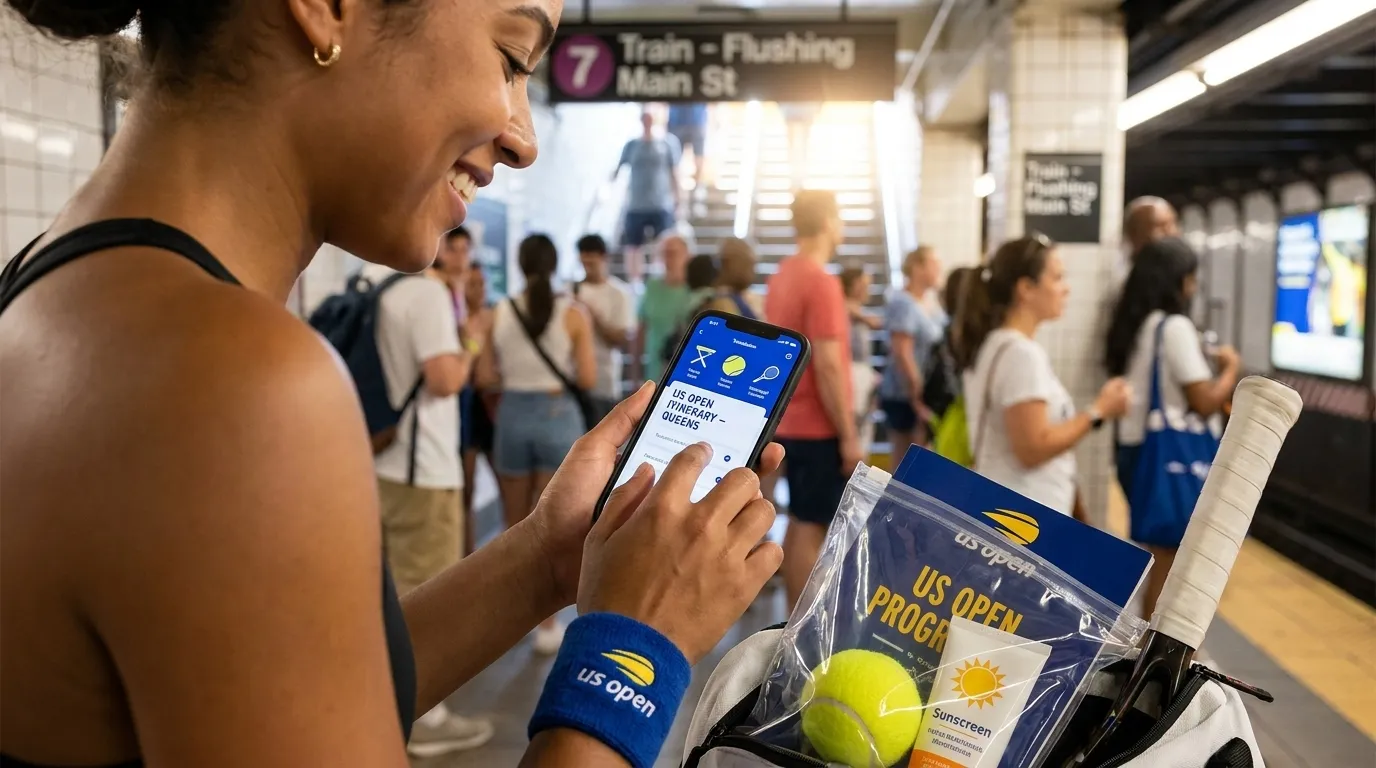
- Build flexibility into transit plans and verify current public transit, driving, rideshare, and arrival guidance close to your visit.
- If attending with children or a group, agree on a departure threshold in advance because compelling five-set tennis can stretch a day.
- Avoid treating a late finish as a guaranteed poor next performance; use it as context, not a prediction.
Reading the Next Warm-Up Without Overreacting
The next match warm-up is one of the few recovery windows fans can watch closely, but it is still limited evidence. Players may start with compact movement, conservative serving, or careful changes of direction. That can be part of a normal ramp-up. Warm-ups are brief and practical, not a public physical exam. A player may save maximum intensity for the first service game, or may use the early games to settle into timing and footwork.
Look for patterns rather than single moments. Is the player repeatedly avoiding one type of movement, or did one awkward point create the impression? Are rally tolerance, court coverage, and serving patterns changing over several games, or was there only one loose service game? Tennis rewards problem-solving. A player coming off a long match may choose shorter points, bigger first strikes, heavier margins, more slices, or selective net approaches. Those choices can reflect many factors, including opponent, conditions, confidence, and energy management.
Respectful Curiosity Around Practice and Player Areas
Recovery storylines can make fans more curious about practice courts and player movement around the grounds. That curiosity should stay respectful. Public practice, when available, is still work. A short session, a changed practice plan, or a quiet walk with staff should not become a rumor. Player areas, treatment spaces, and private logistics are not part of the spectator product unless the tournament makes something public.
Use the official A-Z guide for current venue services, access rules, and guest information. Do not assume that a previous year’s entrance, viewing option, amenity, or routine will be the same in 2026. The same caution applies to weather planning. New York late summer can require sun protection, patience, and backup thinking, but fans should check current forecasts and venue rules before packing. Arriving prepared is different from arriving with items that cannot enter the grounds.
Practical Notes
- Before travel, recheck the official US Open event schedule for dates, session structure, and the latest order of play.
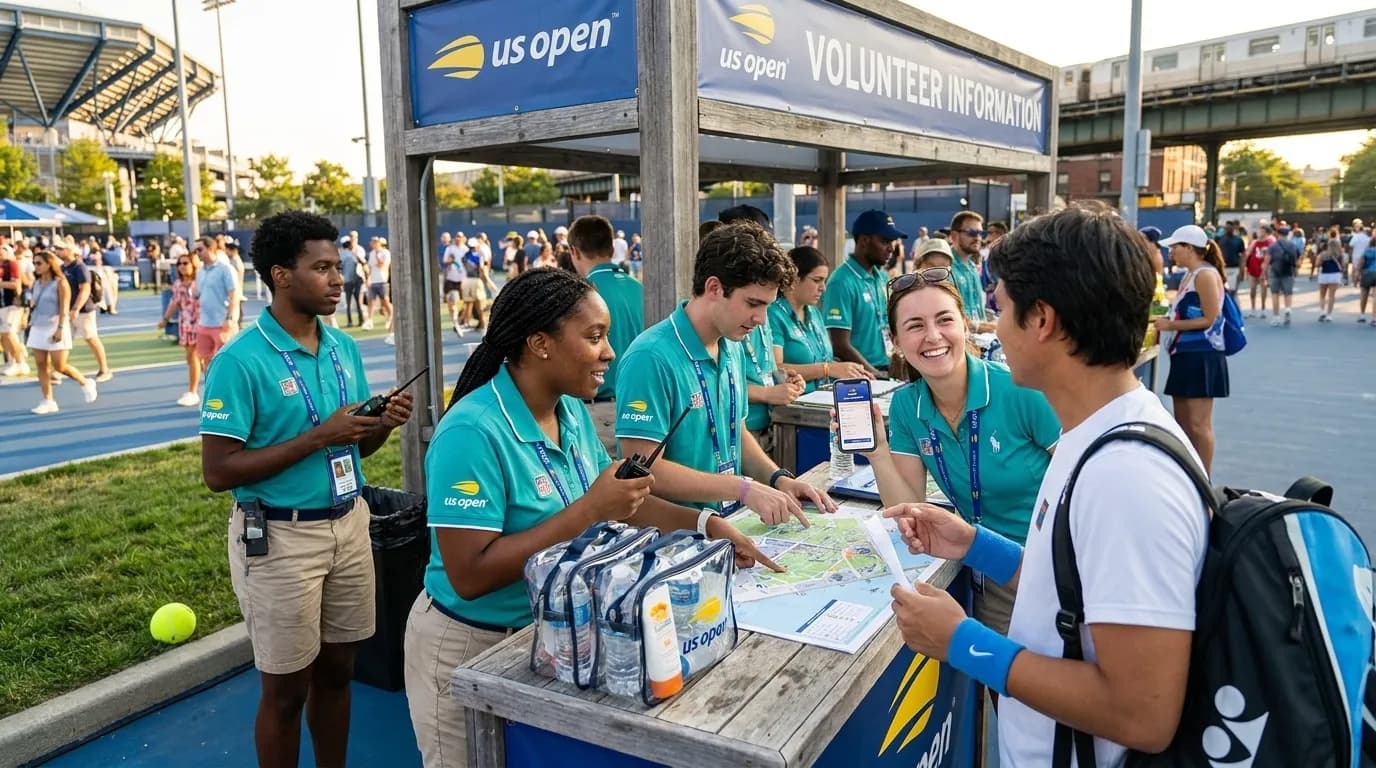
- Use the US Open A-Z guide for current venue information, and verify the prohibited-items page before packing.
- Check transportation and directions close to your visit; transit patterns, arrival advice, and local conditions can change.
- Treat visible recovery choices as context, not inside information. Cooldowns, light practice, towels, fluids, or conservative warm-ups do not confirm health status.
- When discussing a player after a five-set match, describe what was observable: match length, style of points, turnaround, and warm-up patterns. Avoid declaring private routines, injuries, or outcomes.
- Build your day with margins for long matches, weather, queues, and late finishes. Flexible plans are usually more useful than precise assumptions.
Tags: #USOpen2026 #Tennis #NewYork #Queens #FlushingMeadows #KarpoFinds #Karpo #FiveSetRecovery #USOpenFitness #TennisEndurance
Sources consulted: usopen.org — Official reference · usopen.org — Official reference · usopen.org — Official reference · usopen.org — Official reference · itftennis.com — Official reference
All trademarks are the property of their respective owners.
Ask Karpo first
Ask Karpo to explain cooldowns, fueling, sleep, and scheduling pressure in a fan-friendly way.