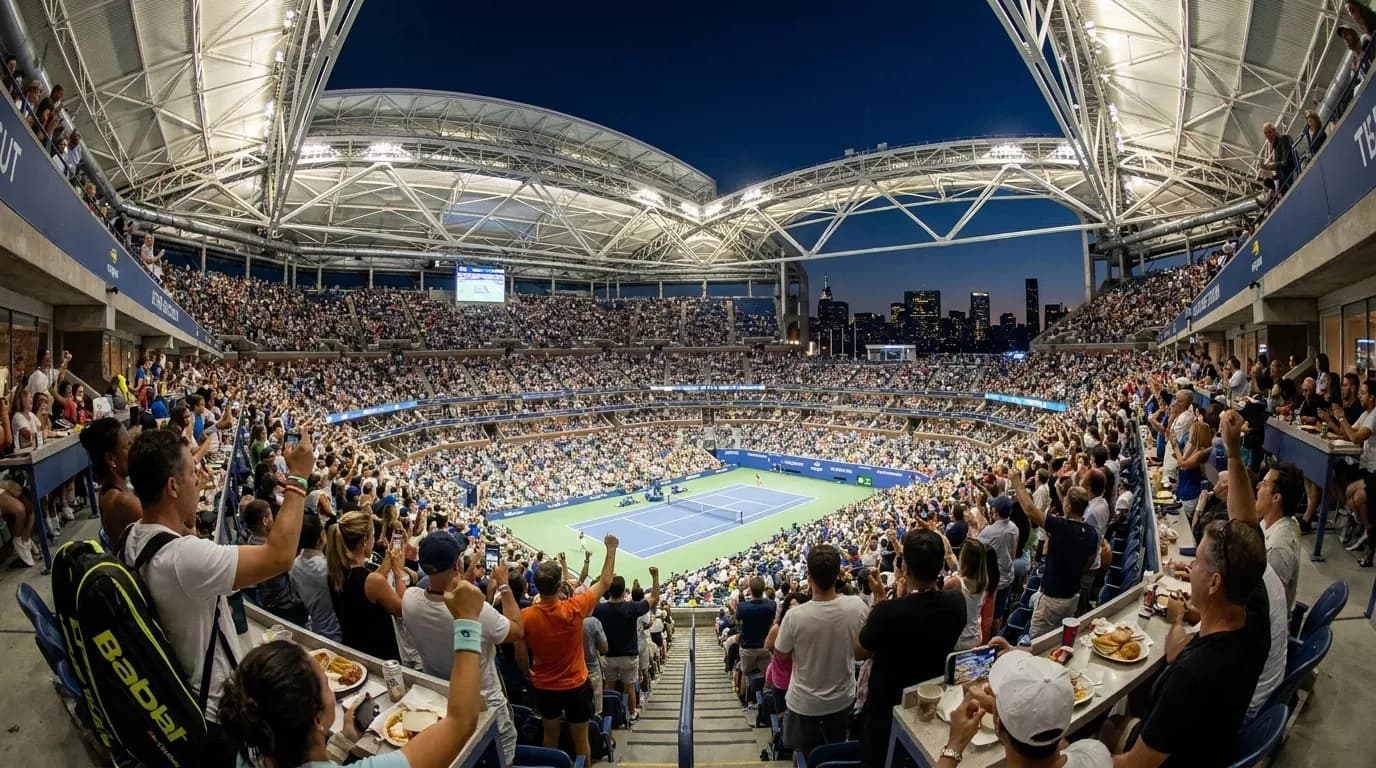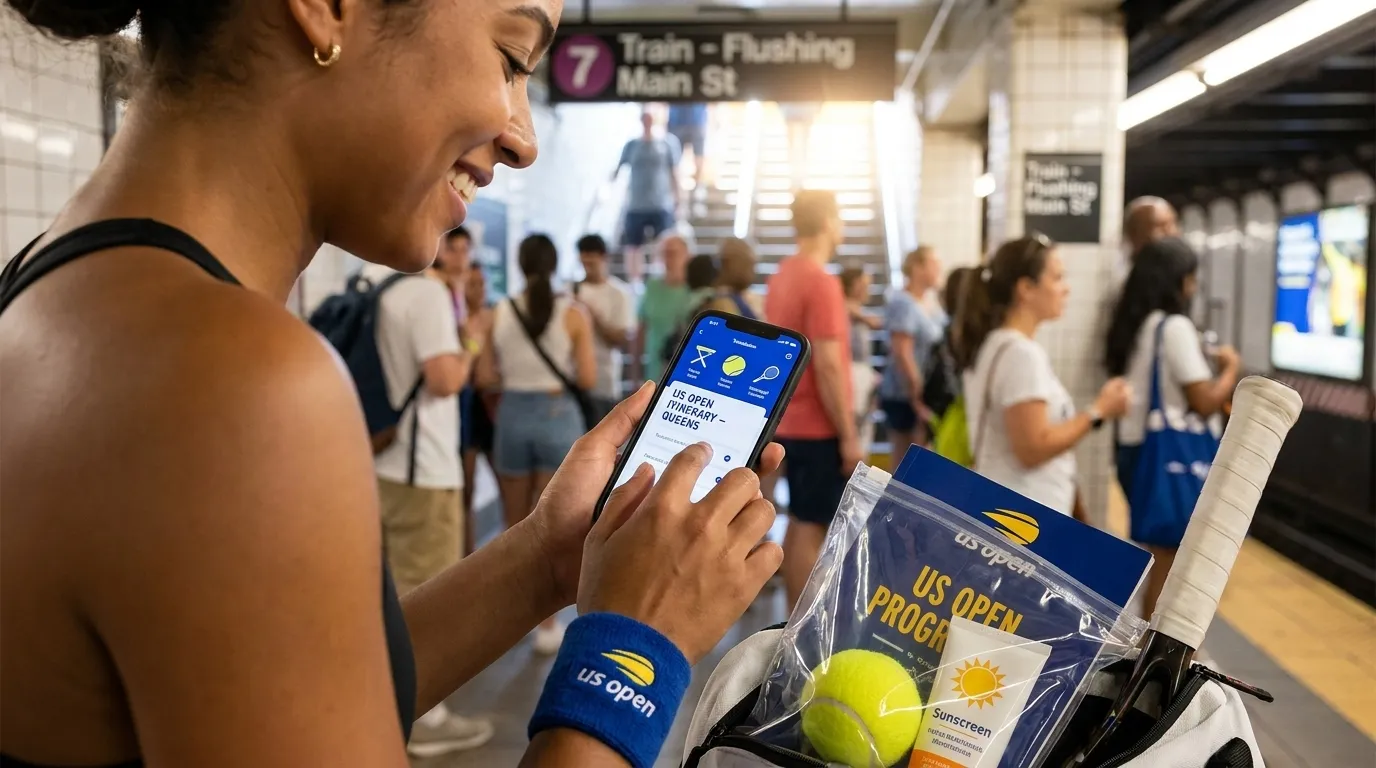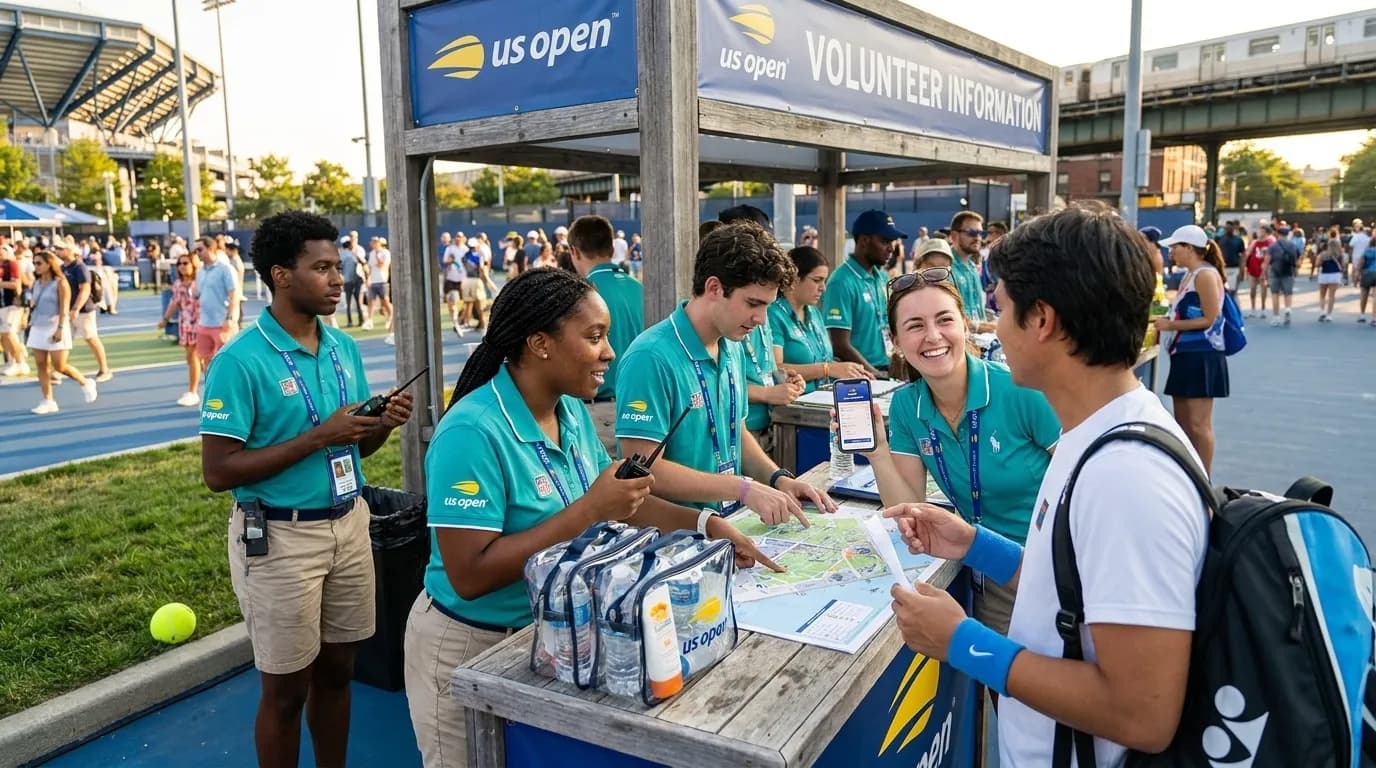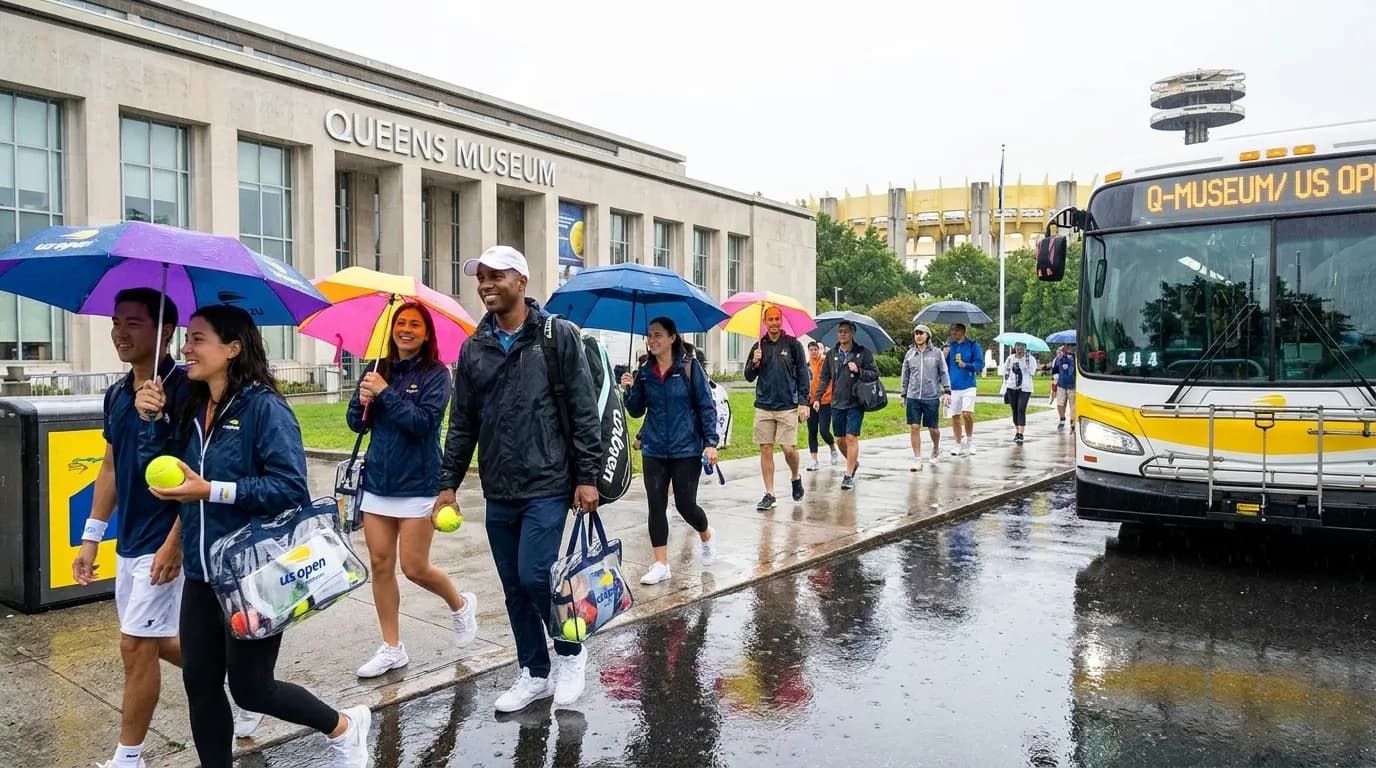
A wet-looking day around Flushing Meadows does not have to become a scramble. As of July 23, 2026, the official 2026 US Open calendar runs August 23 through September 13, with singles main-draw play beginning August 30; exact session details, gate timing, player fields, and on-site operations should be checked close to travel on the US Open’s official schedule and A-Z pages. The smartest backup is not to assume a cancellation, a delay, or a museum visit will work exactly as imagined. Instead, choose two or three indoor cultural options in Queens, keep your tournament ticket plan flexible, monitor National Weather Service New York alerts, and verify each destination’s own hours, admissions, and bag rules before leaving your hotel, train, or stadium area.
Text Karpo on a rainy forecast and we’ll map museum options around your US Open session.

Start With Official Tournament Signals, Not Weather Guesswork
Rain planning around the US Open should begin with the tournament’s own communications. The event’s official schedule page is the first stop for date and session context, while the A-Z visitor information can help you understand current entry details, venue guidance, and other operational notes. Because schedules, gates, security procedures, services, and the player field can change, treat third-party summaries as background only until you have checked the primary pages.
For weather awareness, use the National Weather Service New York office rather than social clips or dramatic forecasts. The goal is not to predict a problem days out or imply that a specific storm will affect the tournament. It is to know whether watches, warnings, hazardous weather outlooks, or short-term updates should influence how far you wander from Flushing Meadows, how much transfer time you keep, and whether an indoor museum stop is still practical.
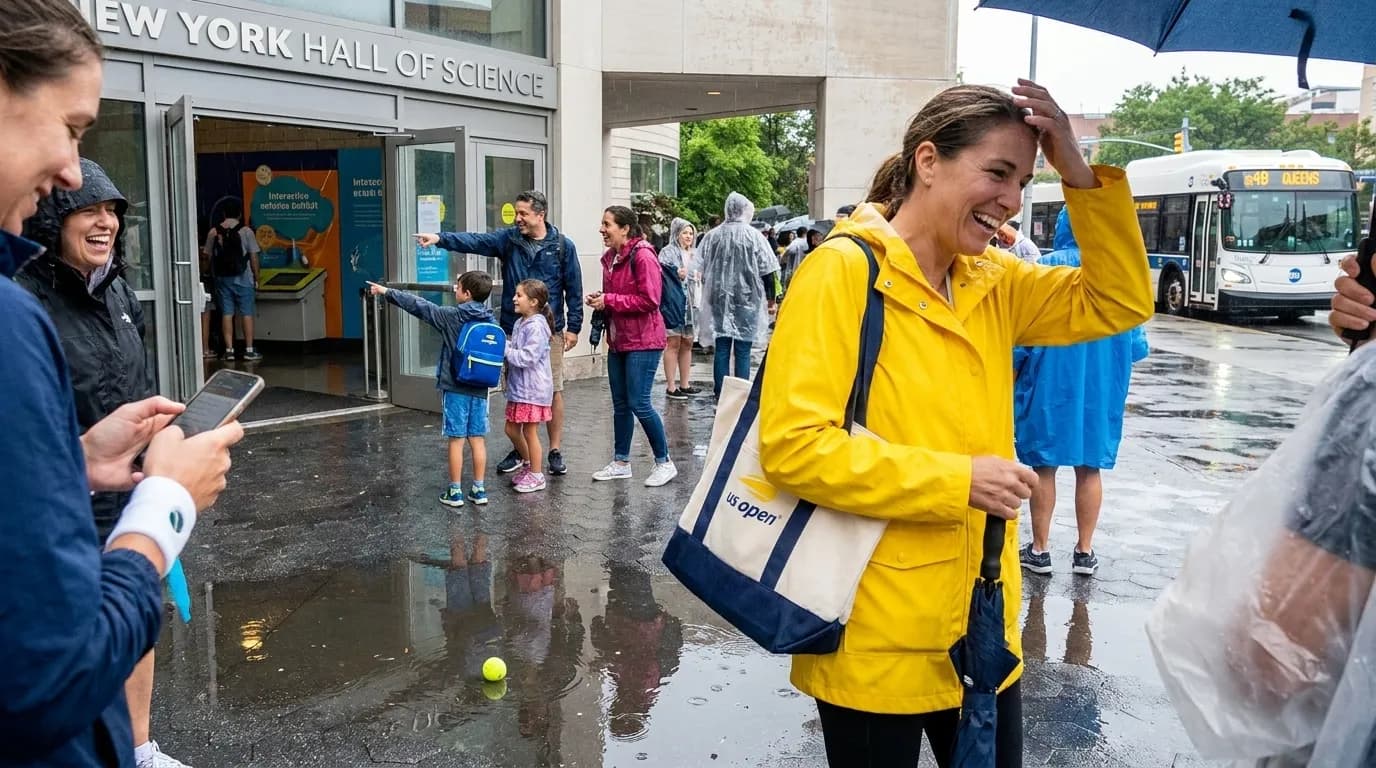
The Close-In Culture Loop Around Flushing Meadows
If you want the lowest-friction backup, look first at cultural stops in and around the Flushing Meadows area before reaching for a Manhattan detour. The Queens Museum, New York Hall of Science, Louis Armstrong House Museum, and Flushing Town Hall are the kinds of nearby names fans often place on a rain-day shortlist, but none should be treated as automatic walk-ins. Check each institution’s official website for same-day hours, ticketing approach, accessibility details, timed-entry requirements, exhibitions, closures, and any restrictions on bags or food.
This close-in loop works best when you think in short blocks. A museum visit can fill the middle of a damp afternoon, but it can also become too tight if you are holding an evening session ticket, traveling with children, or carrying items that are allowed at one place and not another. Before committing, compare the museum’s location with the US Open transportation guidance and your own return route. If a transfer looks fragile, choose a shorter cultural stop or stay closer to the venue area until official updates are clearer.
A Longer Indoor Detour: Astoria and Moving Images
For fans who have a wider gap between sessions, Astoria can be a more deliberate indoor culture detour. The Museum of the Moving Image is a natural fit for tennis travelers who want something substantial without turning the day into a full-city expedition. Still, the same rule applies: confirm the museum’s current hours, ticket availability, exhibition access, and bag policy directly before you go. A place that is perfect on paper may not match your exact arrival time or luggage situation.
Astoria also requires a more honest transit calculation than a stop immediately beside Flushing Meadows. Use the US Open transportation and directions page to understand official stadium-area travel options, then compare that with real-time subway, rail, bus, rideshare, or walking choices. Build in a buffer for wet platforms, slower station exits, security re-entry, and the possibility that you may decide to return earlier than planned. This is practical backup planning, not a promise that transit will run on your preferred schedule.
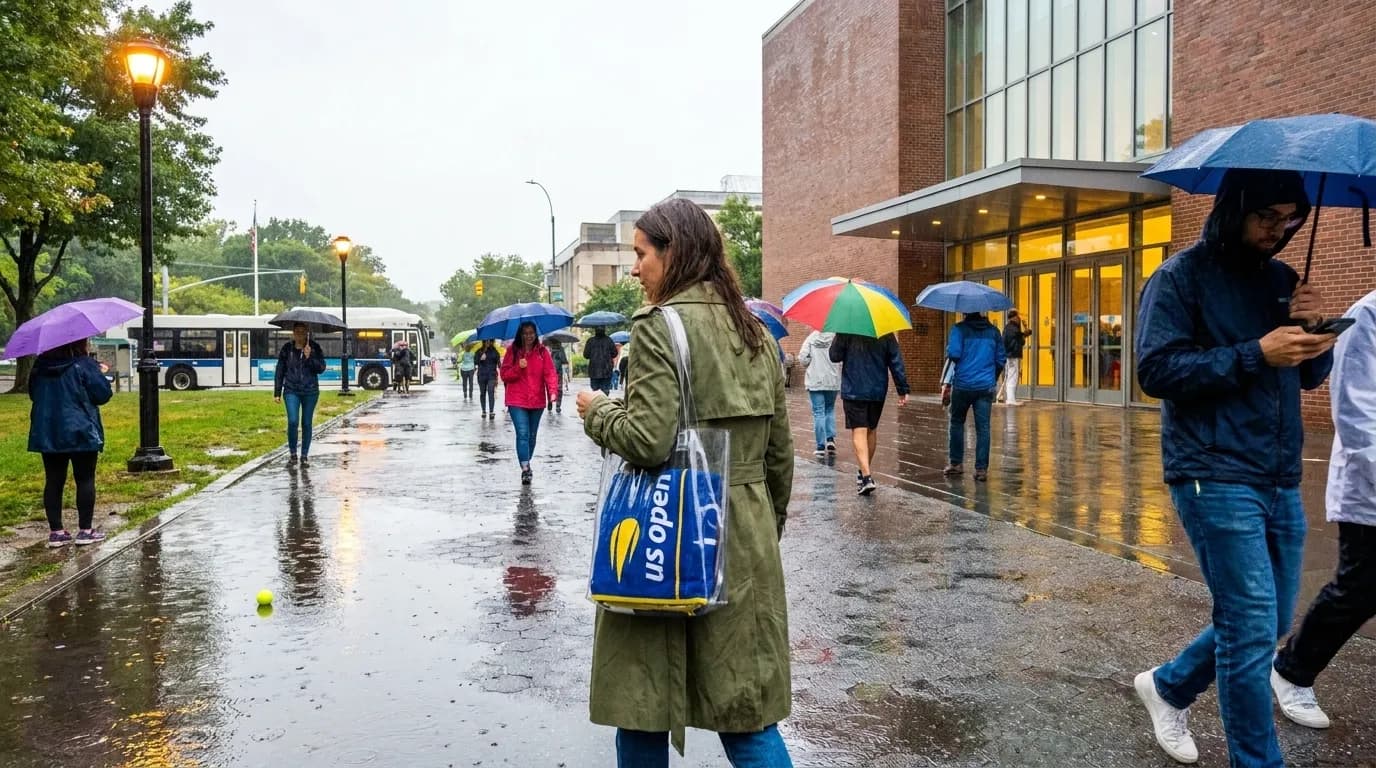
Flushing as a Food-and-Culture Buffer
Flushing can be a useful neighborhood-led buffer when an indoor museum slot is unavailable or too constrained. It is close enough to remain part of a Queens-focused day, and it offers plenty of cultural texture through streets, shops, bakeries, tea counters, and dumpling-friendly dining corridors. Keep the advice current rather than venue-specific: restaurant availability, seating, menus, payment methods, lines, and weather-related service changes can shift, so check recent official or direct listings before making a food stop the center of your plan.
This is also where bag discipline matters. The US Open prohibited-items page should guide what you bring toward the venue, but a restaurant, small gallery, or shop may have its own space limits. If your day includes both tennis and neighborhood wandering, travel lighter than you might for a normal sightseeing day. A compact umbrella, portable charger, and weather-appropriate layer are useful; bulky extras can become a problem when you are trying to move quickly and comply with multiple entry rules.
How to Build a Two-Tier Backup Map
The most resilient rain-day map has two tiers. Tier one is the quick pivot: nearby cultural or food stops you can reach without losing sight of your tournament schedule. Tier two is the deeper detour: a museum or neighborhood visit that only makes sense if you have a genuine time cushion. Write both tiers into your notes before match day so you are not researching from a crowded concourse while everyone else is doing the same.
- Tier one: Queens Museum, New York Hall of Science, Flushing Town Hall, Louis Armstrong House Museum, or a Flushing food stop, subject to each place’s current hours, access rules, and same-day availability.
- Tier two: Museum of the Moving Image in Astoria or another Queens cultural visit that requires more transit time and a wider buffer before your next planned US Open commitment.
- Always compare your backup choice with the official US Open schedule, A-Z guidance, transportation page, prohibited-items page, and National Weather Service New York alerts before leaving the venue area.
A two-tier map also helps groups. Some fans may prefer to stay near the grounds, while others may want a richer indoor stop. Agree on a reunion point, a latest return time, and a communication plan in advance. Feature availability on phones, watches, and location-sharing tools varies by model, software, carrier, and settings, so do not rely on any single device feature as your only way to regroup.
Tickets, Bags, and Re-Entry Mindset
The practical tension of a US Open museum day is that you are planning around two different kinds of admission: your tennis session and any cultural stop you add. The official US Open pages are the place to verify gate information, venue rules, transportation advice, and prohibited items. Museums and performance venues should be checked directly for their own admissions, timed-entry systems, accessibility notices, coat or bag options, and whether any galleries or events are unavailable.
Avoid building a plan that depends on perfect re-entry, a specific match ending quickly, a museum holding availability, or a restaurant being quiet. Those outcomes can change for ordinary reasons, even without severe weather. A better mindset is to select options that can be shortened, skipped, or swapped. If you are traveling with children, older relatives, or visitors unfamiliar with New York transit, choose the backup with the fewest transfers and the clearest return route rather than the one with the most impressive itinerary.
Practical Notes
- Check the official US Open schedule for your session date and any updated event information before starting the day.
- Review the US Open A-Z guide, transportation and directions page, and prohibited-items page before packing or leaving the venue area.
- Monitor National Weather Service New York alerts close to travel, using them for flexible planning rather than assuming a specific tournament impact.
- Verify every museum, cultural venue, or restaurant directly for current hours, admissions, access, closures, inventory, and service availability.
- Keep two backup routes: one close to Flushing Meadows and one deeper Queens option only if your time cushion is comfortable.
- Travel light enough to handle security, transit, wet sidewalks, and small indoor spaces without turning the backup plan into a burden.
Tags: #USOpen2026 #Tennis #NewYork #Queens #FlushingMeadows #KarpoFinds #Karpo #USOpenRainDay #FlushingMuseums #QueensBackupPlan
Sources consulted: usopen.org — Official reference · usopen.org — Official reference · usopen.org — Official reference · usopen.org — Official reference · weather.gov — Official reference
All trademarks are the property of their respective owners.
Ask Karpo first
Ask Karpo which indoor detour best matches your location, energy, and official opening details to confirm.