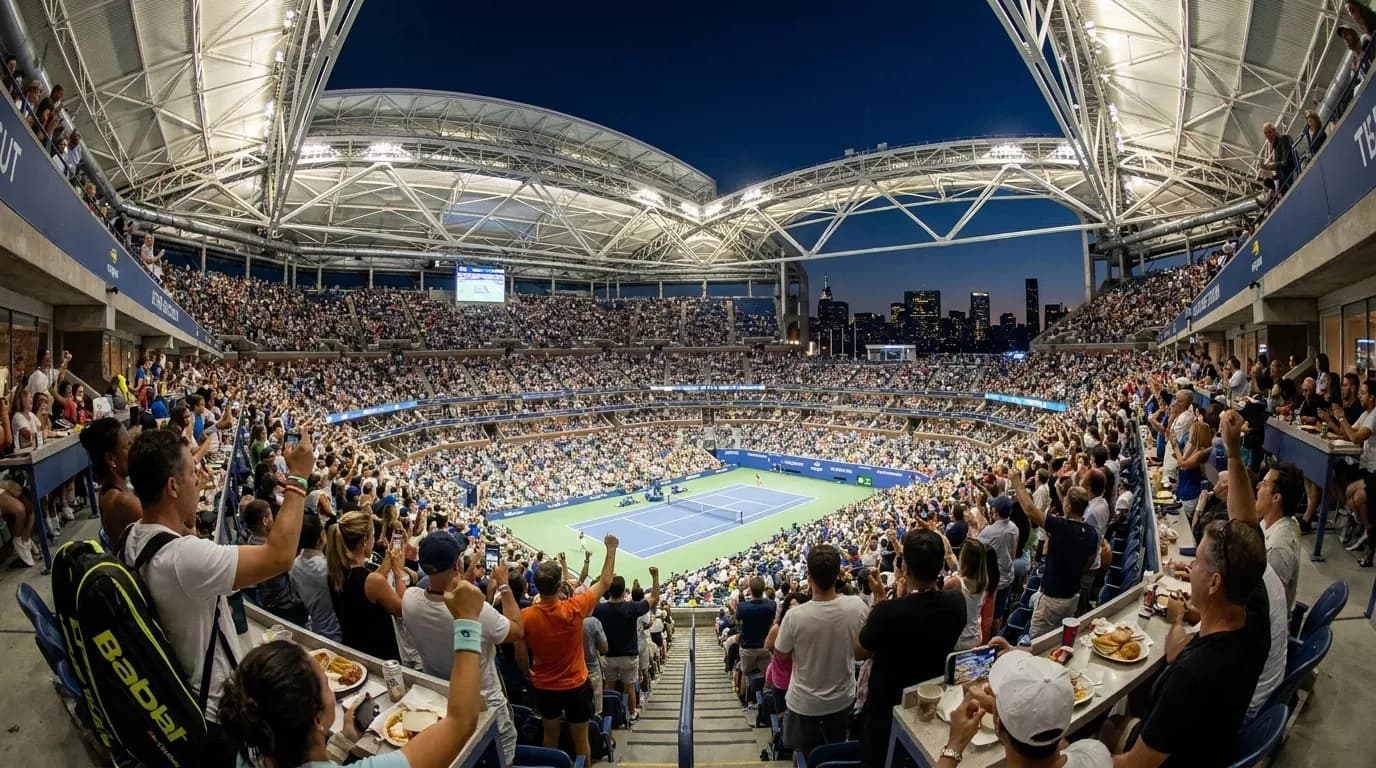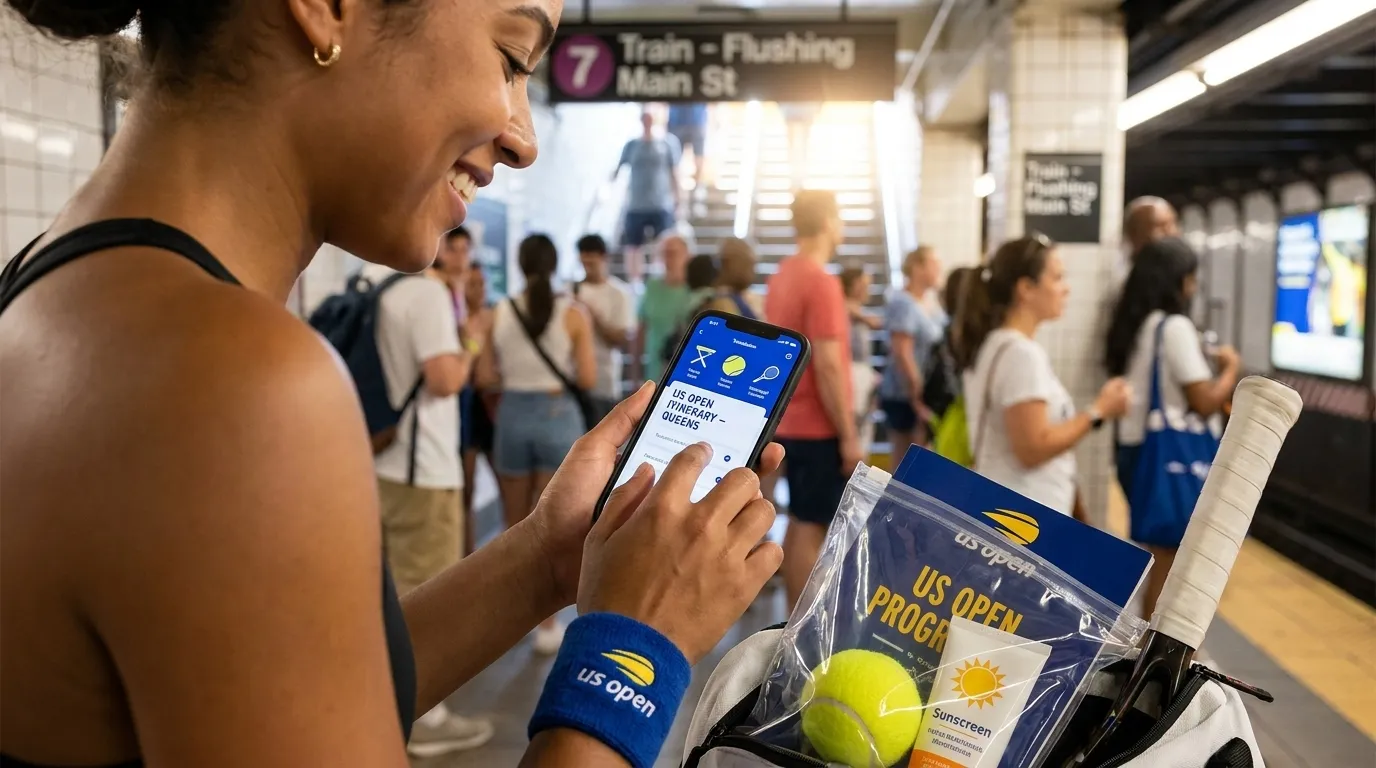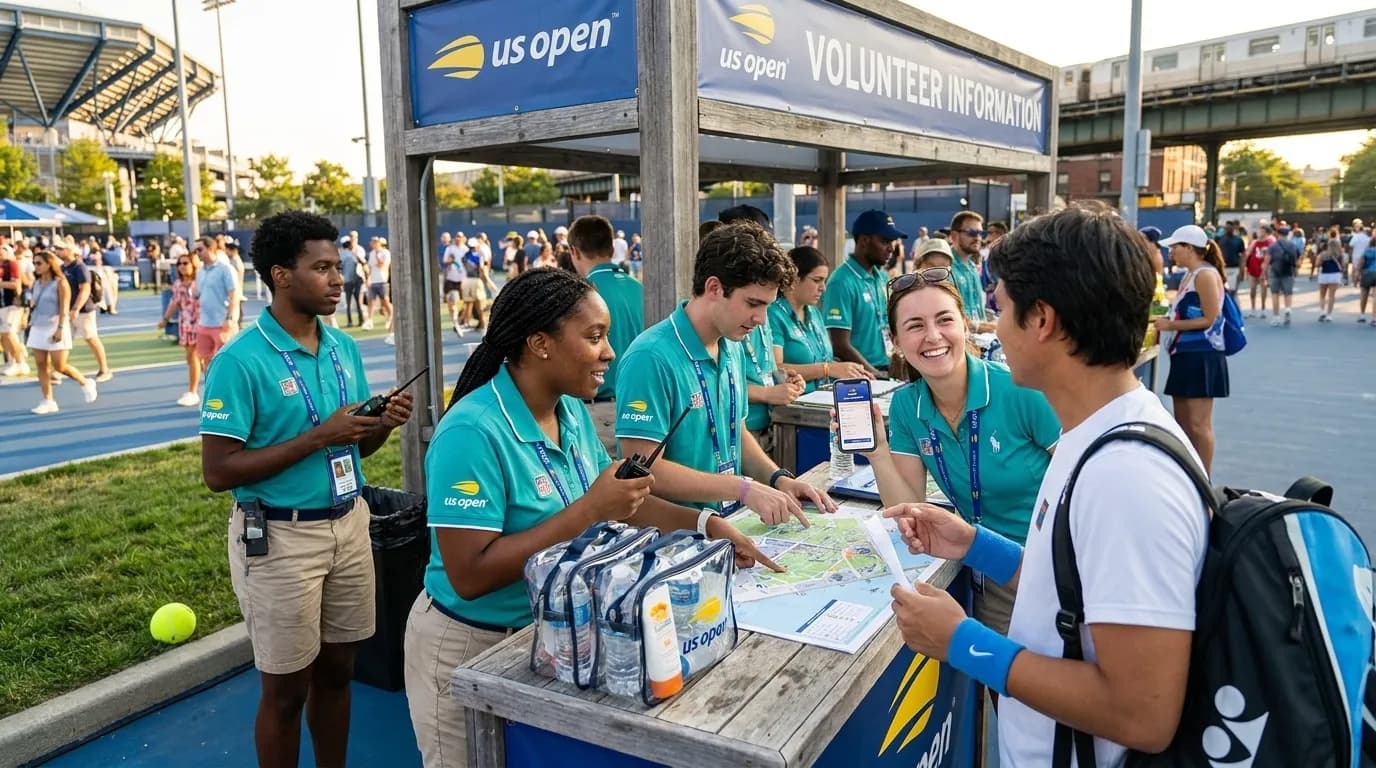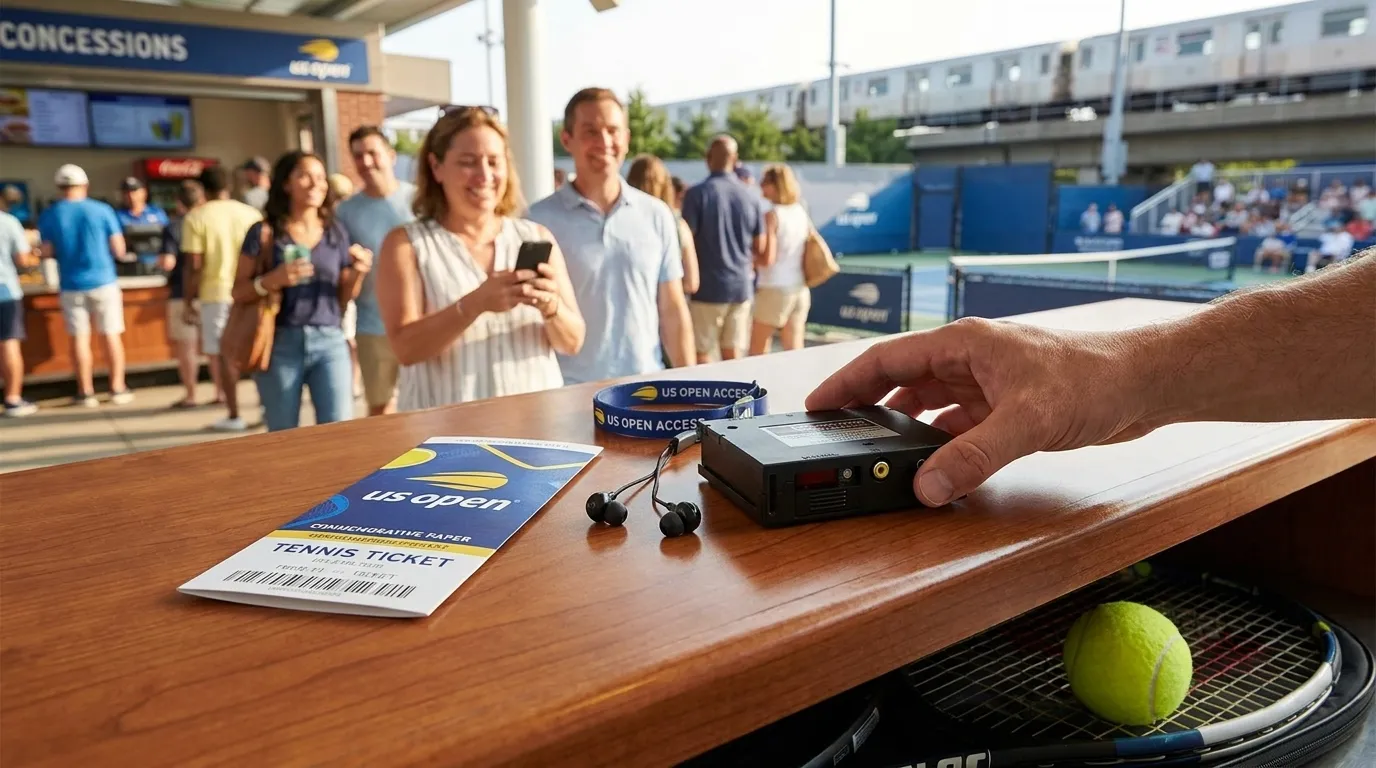
If you are Deaf or hard of hearing, the smartest US Open plan starts before you buy, pack, or travel: confirm the current official accessibility information, decide how you will receive schedule and safety updates, and choose seating with your communication needs in mind. As of July 23, 2026, the official 2026 tournament calendar runs August 23 through September 13, with singles main-draw play beginning August 30, but day-by-day schedules, gate times, player fields, weather procedures, venue rules, transit conditions, and service availability can change. Treat the official event schedule, A-to-Z guide, transportation page, and prohibited-items page as your planning base. Then add personal backups: written notes, charged devices, meeting points, and a clear contact plan with your group.
Text Karpo to prepare communication checkpoints before your US Open visit.

Confirm Accessibility Services Before You Commit
Do not assume that a service you used at a previous event, or saw described by another fan, will be available in the same way for this tournament day. Accessibility needs are individual, and official services can change by venue area, session, date, staffing, or operational conditions. Before purchasing tickets or arranging travel, review the US Open A-to-Z information and look for current accessibility guidance, contact options, and any instructions for requesting accommodations.
When you contact the venue or ticketing channel, be specific without oversharing medical details. Ask what communication support may be available for Deaf and hard-of-hearing spectators, where to check in if assistance is offered, whether advance notice is recommended, and how updates are handled if a session is delayed or moved. If you rely on captioning, interpretation, assistive listening, written communication, or visual alerts, ask about that exact need rather than using a broad phrase such as “accessibility.” Save replies, confirmation numbers, and names or departments when available.
Build a Communication Plan for Announcements
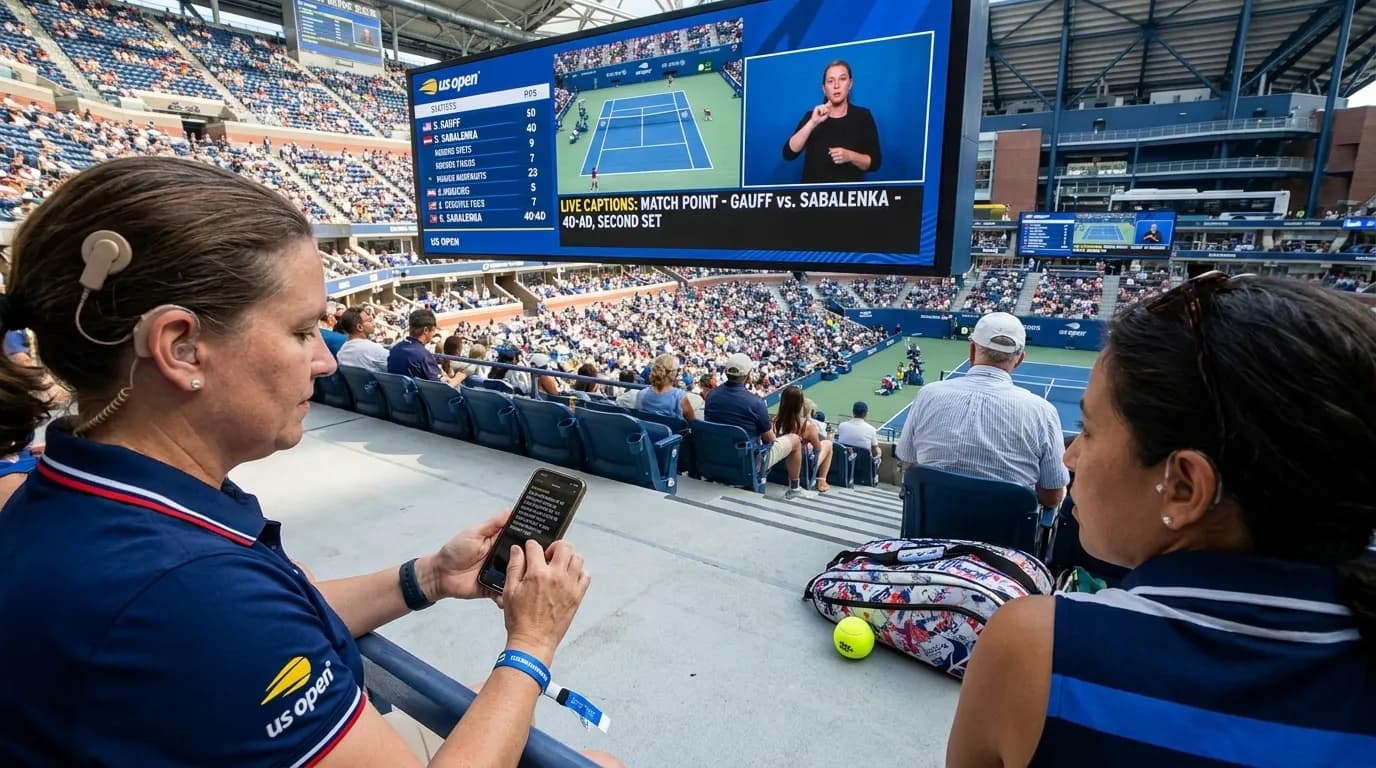
Tennis venues are announcement-heavy. Changes may involve match order, court movement, weather, security, gate flow, transportation, or crowd management. A Deaf or hard-of-hearing spectator should plan for more than the sound system. Check the official event schedule close to the date, but also decide how you will monitor updates once inside the grounds. If official digital channels, boards, or staff information points are available, use them as part of your routine rather than waiting until something feels confusing.
For groups, agree on a plain-language system before arrival. If one person hears an announcement, they should write or text the practical action: “Court changed,” “Delay,” “Meet at exit,” or “Stay seated.” Avoid vague messages such as “They said something.” Pick a reunion spot that does not depend on hearing a call or spotting someone in a dense crowd. If phone service is busy, a pre-agreed fallback location can prevent a minor delay from becoming a stressful separation.
- Save the official event schedule page and recheck it the night before and the morning of your session.
- Keep key messages short in your group chat so they are easy to read quickly in a crowd.
- Carry a small card or note that says how you prefer staff to communicate, such as written instructions or text.
- Choose a visible meeting point after entry and another outside the venue area in case your group exits separately.
- Bring a portable charger if you depend on phone-based communication, maps, tickets, or alerts.
Choose Seats With Sightlines, Movement, and Fatigue in Mind
For Deaf and hard-of-hearing fans, a “good seat” is not only about proximity to the court. Think about sightlines to scoreboards or other visual information, ease of reading companions’ faces, how often people will pass in front of you, and whether you may need to leave to ask a question or check an update. If you lip-read, a seat that makes conversation with your companion easier may matter more than being closer to crowd noise or action.
Before buying, compare the ticket listing with official venue information and the A-to-Z guide. If you need accessible seating, companion seating, or a location that supports a particular accommodation, confirm the process through official channels rather than guessing from a seating map. Also consider session length. Tennis timing can be unpredictable, and long days can increase listening fatigue, visual fatigue, or communication strain. A day with fewer transitions may be easier than an ambitious plan that requires frequent movement between courts.
Arrival, Transit, and Entry Checks
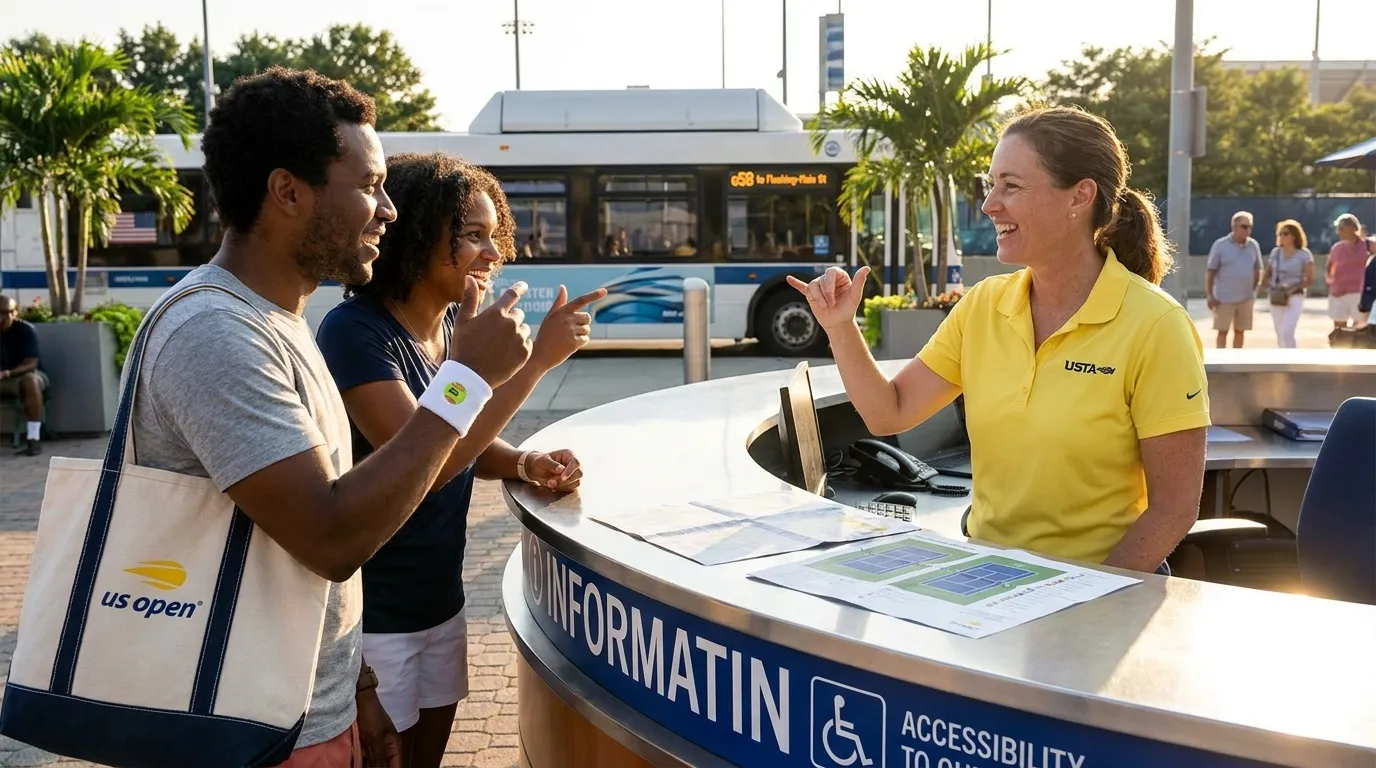
The official transportation and directions page should guide your route planning, because transit patterns, parking details, rideshare procedures, and local conditions can shift. Check it again close to travel, especially if you are coordinating with companions or accessibility support. Build extra time into arrival, not because anything is guaranteed to go wrong, but because communication at gates and busy transit points can take longer when you need written clarification or a quieter moment to understand instructions.
At entry, make your communication preference visible and simple. If you do not catch a spoken instruction, ask staff to write, point, or show the rule on a posted sign or official page. Keep your ticket, ID if needed, accommodation correspondence, and essential messages easy to reach. If a companion usually interprets informal information for you, decide in advance whether they will handle questions at security, ticket scanning, transportation changes, or seating issues. Clear roles reduce pressure at the exact moment crowds are moving.
Pack for Clear Communication Without Creating Bag Problems
Packing for communication is useful only if your items are permitted. Review the official prohibited-items page shortly before attending, because venue rules and enforcement details can change. Do not rely on an old blog post, a friend’s memory, or assumptions from another sporting event. If an item is important for access or communication, verify the current rules and ask the official contact how to handle it before you arrive.
The goal is to keep your kit simple: charged phone, backup battery if allowed, necessary cables, any approved assistive technology, written accommodation confirmations, and a concise note describing your communication preference. If you use hearing devices or other personal equipment, pack the everyday supplies you normally need for a long outing. This is not medical advice; it is practical event planning. If your equipment has special security, storage, or power considerations, check directly with official venue information.
Weather, Delays, and Match Changes
The US Open calendar gives the tournament frame, but it does not remove day-of uncertainty. Weather, match length, operational decisions, and court assignments can affect what spectators experience. For a Deaf or hard-of-hearing fan, the main issue is not only the delay itself; it is whether the reason and next step are communicated clearly. Make schedule checking a habit throughout the day, especially before leaving one area for another.
If play is paused or crowds begin moving, resist following motion without information. Find an official information point, check current official updates where available, or ask staff for written direction. In your group, separate facts from guesses. “People are leaving” is not the same as “our session is over” or “our court has changed.” A calm confirmation step can protect your time and reduce the chance of missing tennis you intended to see.
Practical Notes
- Check the official event schedule for your date, session, and latest timing before travel.
- Review the US Open A-to-Z guide for current accessibility and venue information.
- Use the official transportation and directions page for route planning, then allow extra time for written clarification at busy points.
- Read the prohibited-items page before packing communication devices, batteries, bags, or support materials.
- Contact official channels early if you need accommodations, and keep written confirmation accessible on your phone and offline.
- Set two meeting points with your group: one inside after entry and one outside the venue area.
- Decide how your group will translate or summarize spoken announcements into text without delay.
- Recheck primary sources close to your visit, because schedules, rules, inventory, local hours, weather plans, and services can change.
Tags: #USOpen2026 #Tennis #NewYork #Queens #FlushingMeadows #KarpoFinds #Karpo #DeafUSOpen #HardOfHearingFans #AccessibleViewing
Sources consulted: usopen.org — Official reference · usopen.org — Official reference · usopen.org — Official reference · usopen.org — Official reference
All trademarks are the property of their respective owners.
Ask Karpo first
Ask Karpo to help list the official accessibility services to verify and the visual cues to rely on during matches.