Here's a thing most people don't know about San Francisco: wine gets made here. Not poured, not aged in someone's marketing deck — made, in warehouses, with grapes trucked in at dawn during harvest and fermented a Muni ride from your apartment. The city's urban wine scene is smaller and scrappier than it was a decade ago, which is exactly why the rooms still pouring are worth knowing by name.
This is a guide to tasting city-made wine without a designated driver, a hotel booking, or a three-hour crawl up 101. Dogpatch — the old industrial neighborhood along the T line — is your natural home base, and the working wineries cluster in the warehouse belt around it. Fair warning: this scene runs on appointments and weekend windows, so a little planning beats a lot of locked doors.
What an Urban Winery Actually Is
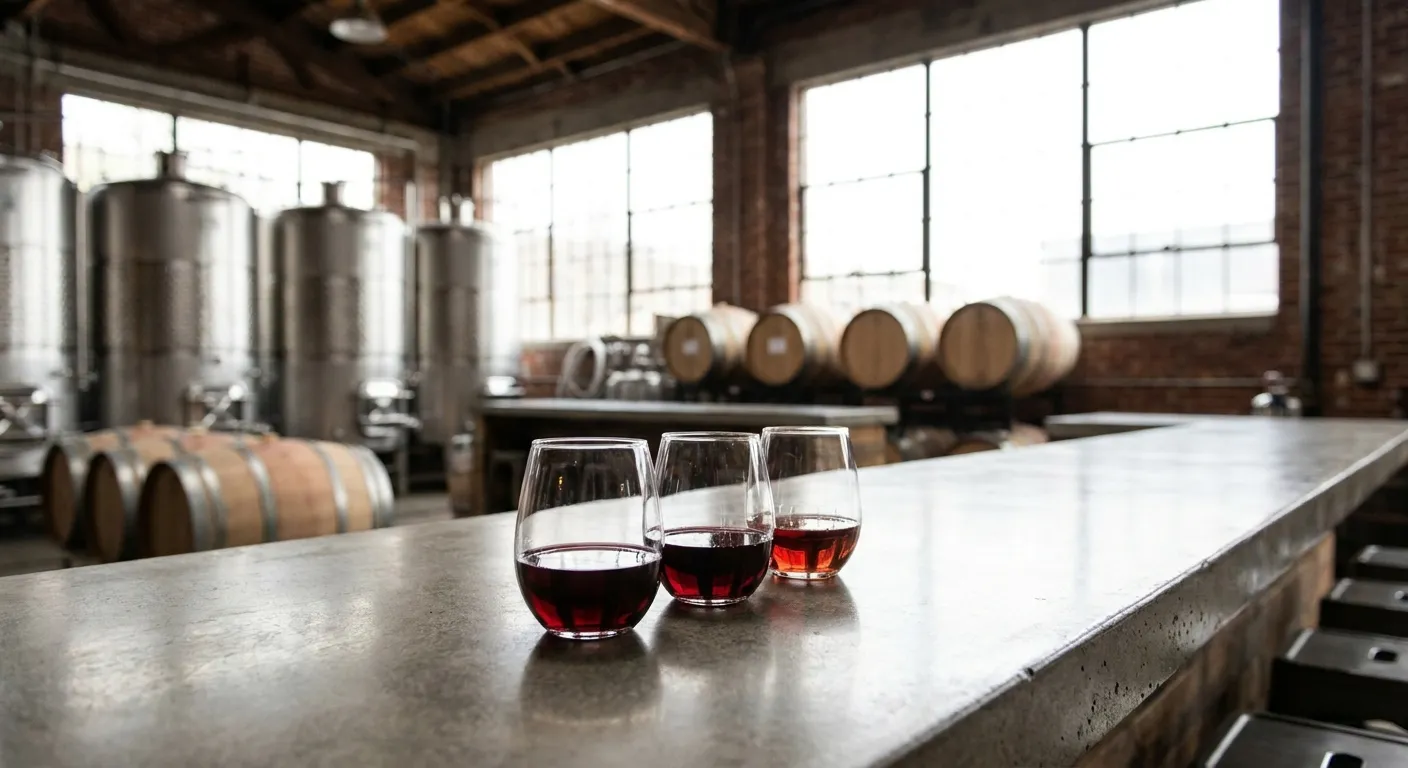
An urban winery grows nothing. The fruit comes from Sonoma, Dry Creek, the Alexander Valley, Monterey — wherever the winemaker has relationships — and everything after the picking happens in the city: crush, fermentation, barrel aging, bottling. What you give up is the vineyard view. What you get is the opposite of the Napa machine: no tour buses, no gift shop gauntlet, and a real chance the person pouring your glass is the person who made it. Tastings tend to be cheaper, looser, and more honest about how wine actually gets made.
Dogpatch: Start Where the Scene Started
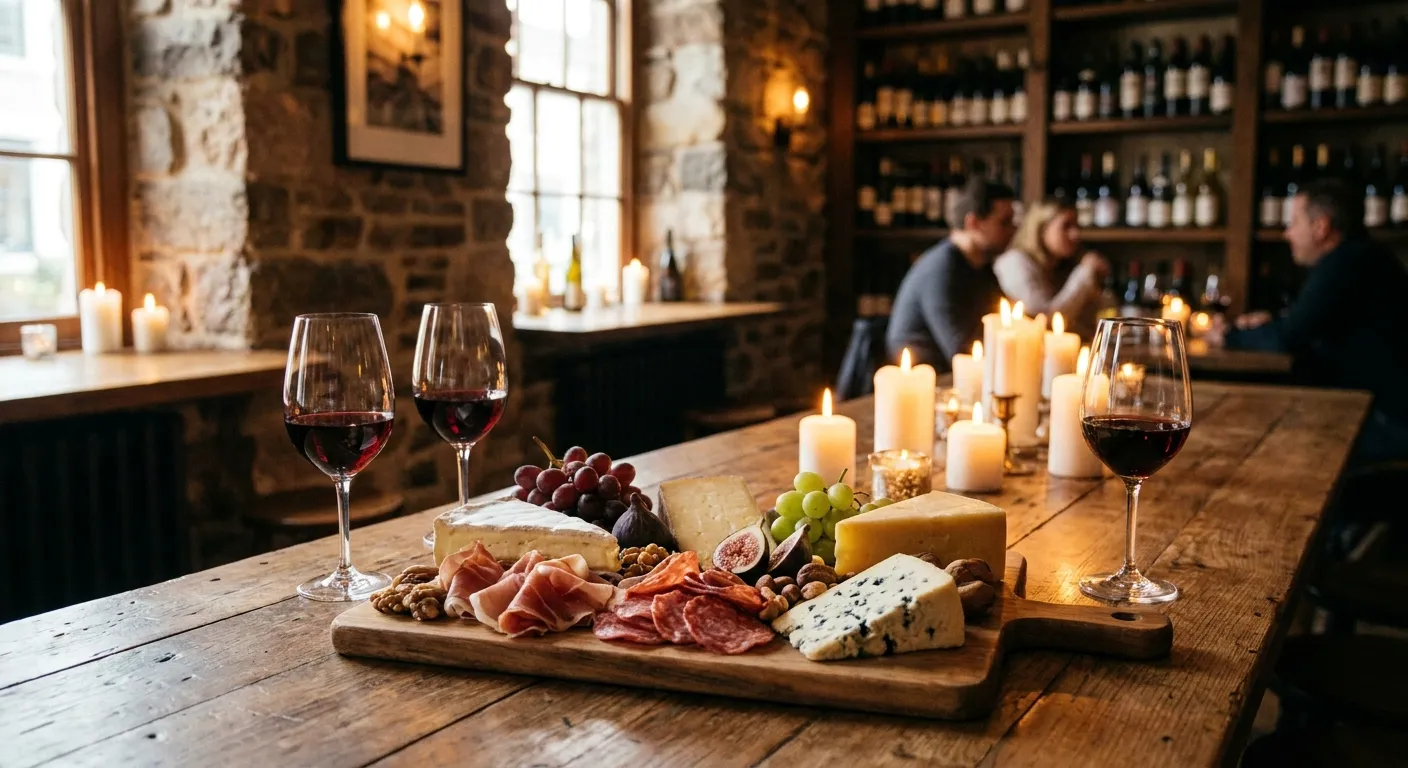
Dogpatch was the beating heart of SF's urban wine moment — for years a big collective winery on 3rd Street let a dozen small producers crush and pour under one roof. That pioneer has since closed, and the neighborhood's wine identity now runs through Ungrafted at 3rd and 22nd: a sommelier-owned wine bar and restaurant that treats its list like a library and its staff like faculty. It's not a production winery, so consider it your Dogpatch anchor rather than a tasting-room stop — the place to start with a glass and a plan, or to land afterward for a proper meal. It books up on Resy and takes Mondays off, so check before you build an evening around it.
Gratta Wines: The Garage That Grew Up
Ride the T line south from Dogpatch into the Bayview and you hit the real thing. Barbara Gratta started making wine in her Bayview garage in 2006, and Gratta Wines has since grown into a two-door operation on 3rd Street near Lane: a wine bar and Italian specialty market on one corner, and the winery and lounge itself a block down, pouring on weekends with music, pop-ups, and open-mic nights folded in. The fruit comes down from Dry Creek Valley; the attitude is pure neighborhood. This is the closest thing SF has to a village winery, and it's ten minutes from Dogpatch on the train. The two doors keep different schedules — afternoons into evening, roughly Wednesday through Sunday between them — so check which one is pouring before you go.
Betwixt Wines: The Appointment Worth Making
Tucked into a warehouse suite on Barneveld Avenue in the city's industrial southeast, Betwixt is what urban winemaking looks like with zero retail polish: small lots, native fermentations, minimal intervention, and a winemaker — Tim Telli — who'd rather let the grapes talk. Expect chardonnay, grenache, syrah, and pinot noir from Central Coast and Monterey-area fruit. Tastings are by appointment only, which sounds like a barrier and is actually the entire appeal: call ahead and you get the winery to yourself, barrels and all.
Eco Terreno: The Polished Pairing Room
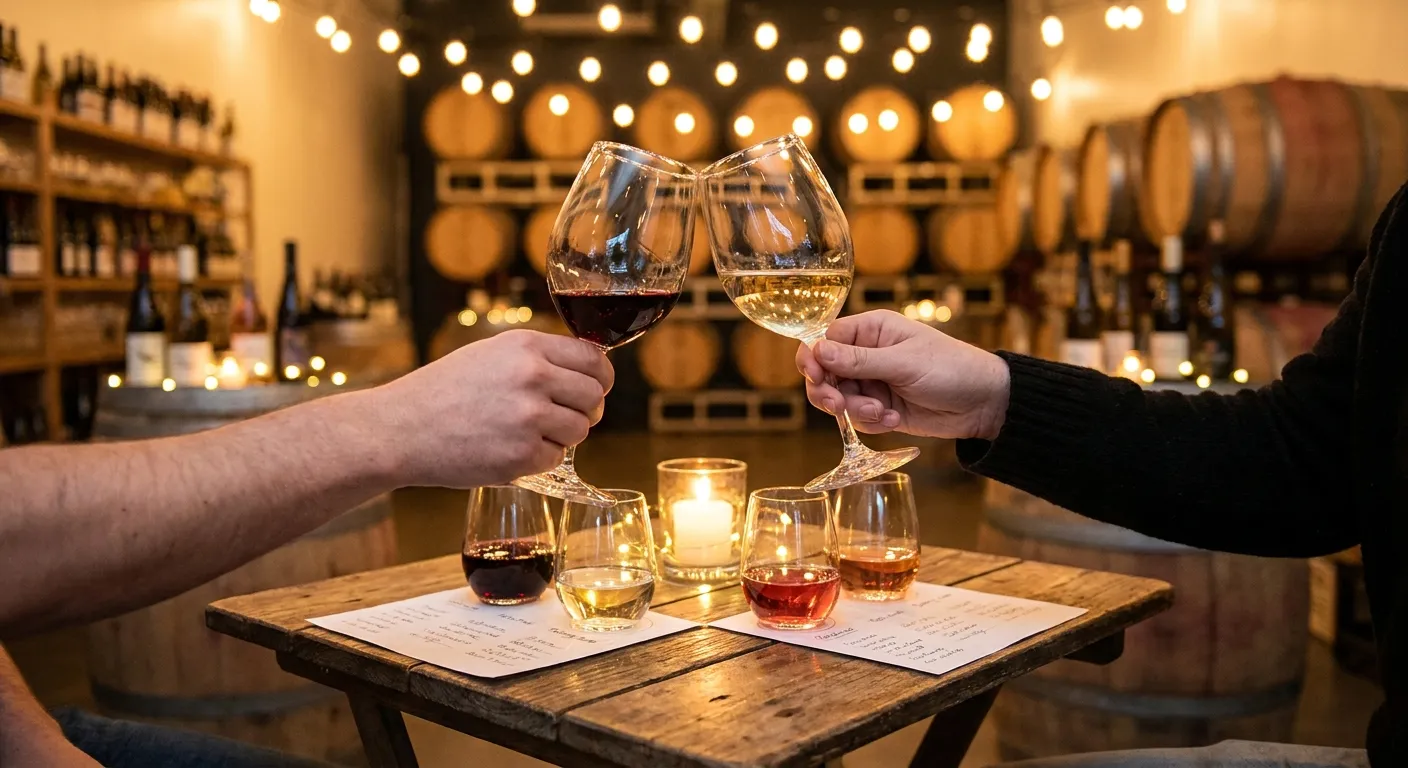
If your group wants tablecloth energy with its tasting, Eco Terreno's urban tasting room on Columbus Avenue at the edge of Jackson Square is the dress-up option. The wines are biodynamic and 100% estate grown on the family's Alexander Valley vineyards, and the format is a seated experience: five wines paired with French-leaning California plates from the in-house chef. It runs Thursday through Sunday with a happy hour early on Thursday and Friday evenings, and bookings go through Tock. It's a tasting room rather than a city production facility — the winemaking happens upcountry — but as an urban tasting experience it's the most complete in San Francisco.
The Ferry-Ride Bonus Round: Treasure Island
When you're ready to scale up, a cluster of working wineries shares the old naval buildings on Treasure Island — Treasure Island Wines has been crushing there since 2007, and the Winemaker Studios collective houses small producers like VIE, Sol Rouge, and Sottomarino. They tend to open their doors together on event weekends rather than daily, so check current schedules before you commit to the bridge or ferry. It's a whole afternoon with skyline views, and it deserves its own trip.
How to Book an SF Winery Day Without Striking Out
The single biggest mistake people make with urban wineries is treating them like bars. They're workplaces that pour on the side, and their doors follow production schedules. Your cheat sheet:
- Book everything. Betwixt is appointment-only, Eco Terreno runs on Tock, and Ungrafted fills up on Resy — walk-ins are the exception out here, not the rule.
- Aim for weekend afternoons. That's when winery doors (Gratta's lounge, the Treasure Island cluster) reliably swing open.
- Check hours the same week you go. Small wineries change schedules around harvest, events, and, frankly, life.
- Take the T line. It threads Dogpatch and the Bayview stops, so nobody has to spit-and-drive.
- Visit during fall crush if you can — the smell of fermenting fruit in a warehouse is the whole argument for urban wineries in one breath.
Urban Winery FAQs
Do San Francisco urban wineries grow their own grapes?
No — there are no commercial vineyards inside the city. Urban wineries buy fruit from growers in Sonoma, Dry Creek, the Alexander Valley, Monterey, and beyond, then truck it in and do all the winemaking in city warehouses. You're tasting the winemaker's choices, not a view — which many wine people would argue is the honest way to taste.
Do I need an appointment for SF wine tasting?
Usually, yes. The smallest producers pour by appointment only, and even the rooms with posted hours keep short, weekend-heavy schedules that shift with production and events. The reliable pattern: book or call a few days ahead, and confirm hours the day you go. Spontaneity is what Napa tour buses are for.
Is urban wine tasting cheaper than going to Napa?
Dramatically, once you count the whole day. You skip the car rental or driver, the wine-country lunch markup, and the tasting fees that have crept toward three digits at famous Napa names. City tastings generally run a fraction of that, transit gets you there, and the money you save has a way of converting itself into bottles. Ask Karpo before you go and it'll help you line up the bookings.