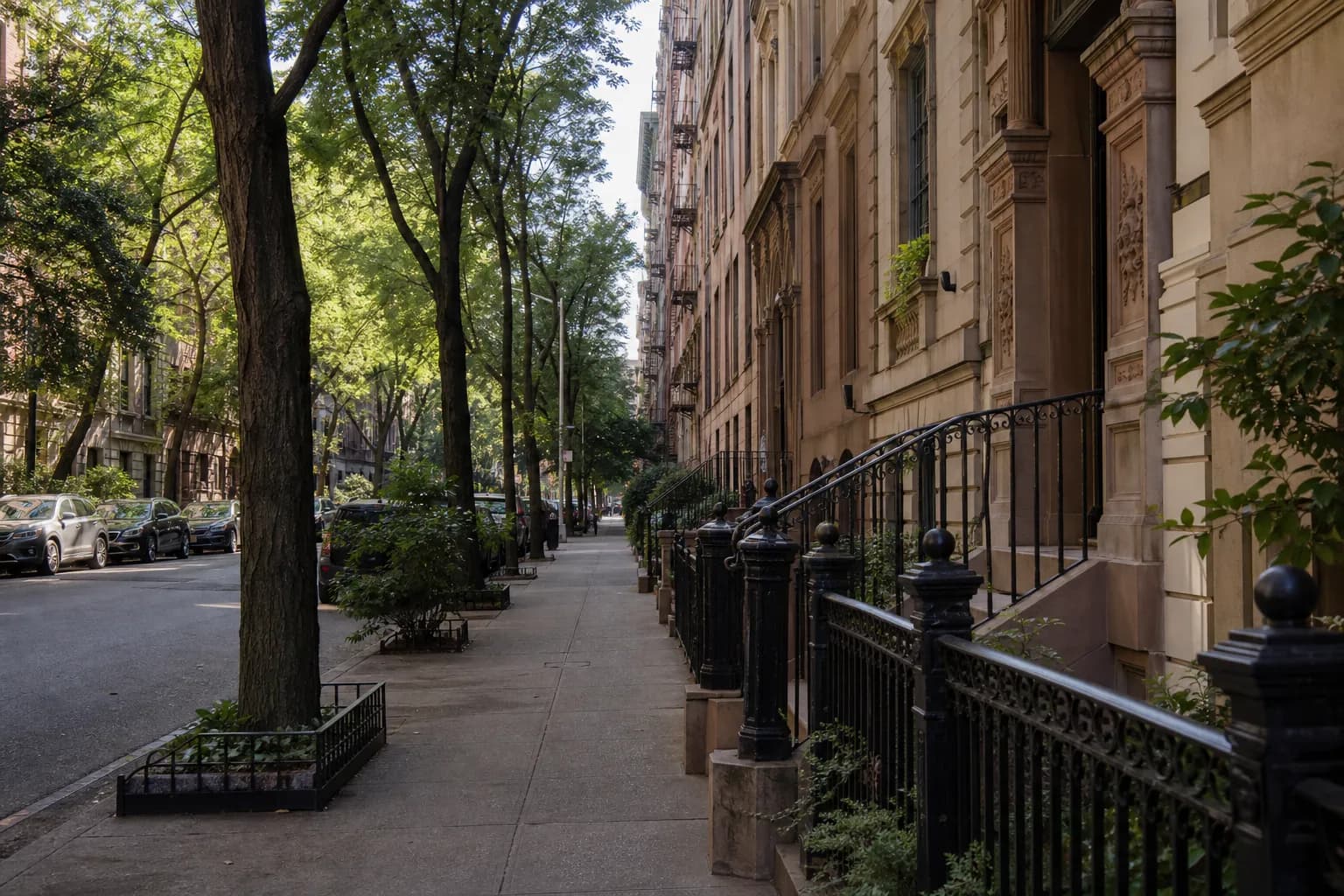
Upper West Side and Brooklyn Heights keep landing on the shortlist for families who want calm without leaving the city behind. Both are residential, walkable, and noticeably easier on the nerves than most of the grid around them. The difference is in the rhythm. The Upper West Side feels more urban and more layered, with stronger subway access and a deeper bench of schools, parks, and kid-friendly routines. Brooklyn Heights feels quieter, older, and a little more insulated, with brownstone blocks and waterfront edges that make the neighborhood feel almost self-contained.
Karpo can compare the newest family-friendly listings, school-zone realities, and a same-day walk between both neighborhoods. Ask for the calmest route based on your commute, stroller needs, and school search.

What Quiet Actually Means
The Upper West Side is quiet in a New York way: not silent, just orderly enough that families can build a routine around it. Side streets feel residential, but the avenues still carry steady energy from cafes, museums, groceries, and school pickups. That mix is useful if you want a neighborhood that does not shut down at 6 p.m. It is one of the reasons nyc family neighborhoods often start with the Upper West Side when people care about convenience as much as calm.
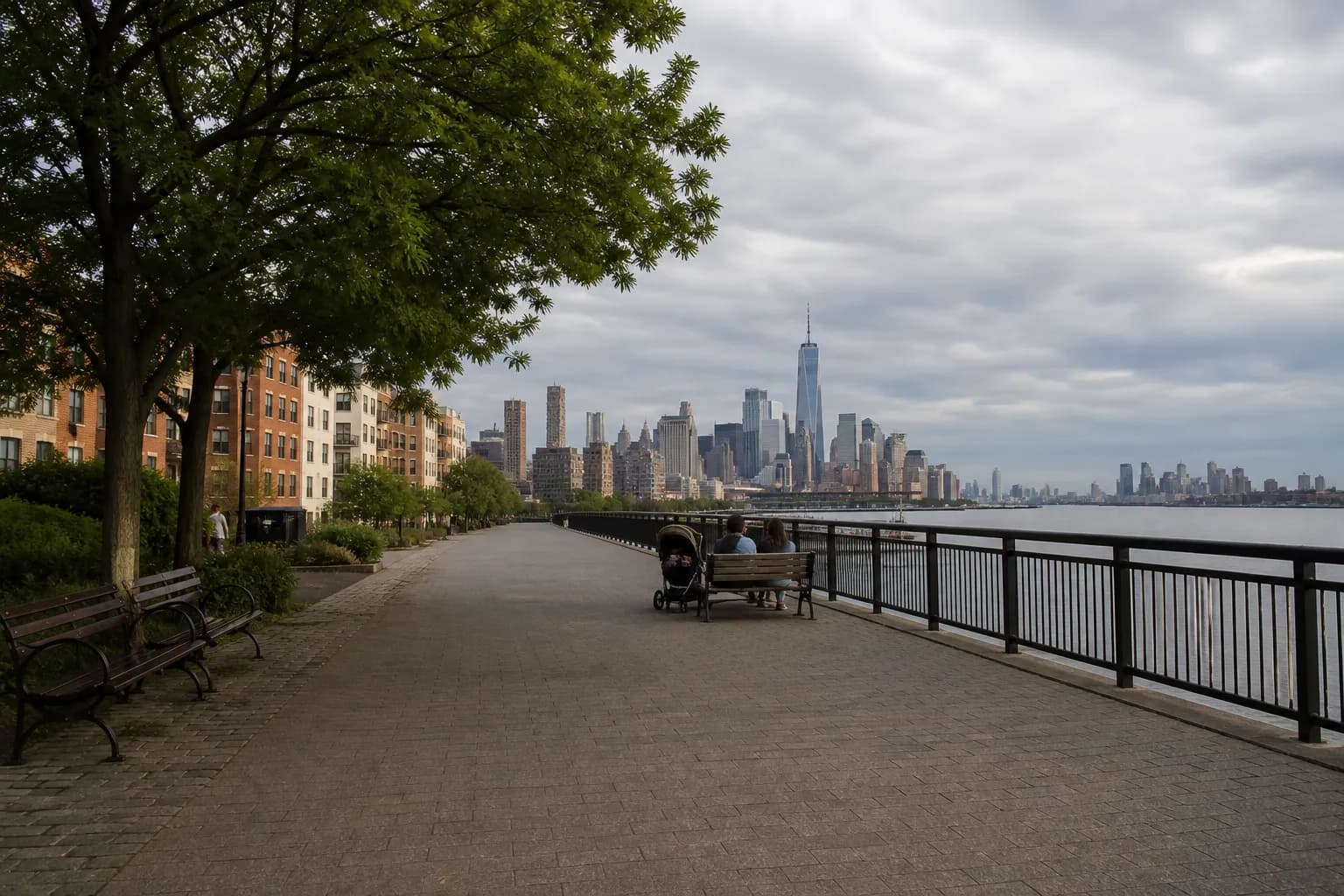
Brooklyn Heights is quieter in a more literal sense. The street grid is smaller in feel, the housing stock is mostly low-rise, and the block-by-block pace slows down quickly once you move away from the busier edges. It reads as one of the more comfortable quiet neighborhoods nyc has for families who want a softer daily soundscape. The tradeoff is that it can feel almost too sleepy if you want errands, transit, and after-school life built into the same walk.
Schools And Morning Routines
If your search starts with schools, the Upper West Side has an edge in sheer density of options. Families tend to think in terms of zones, cross streets, and backup plans because the school landscape changes block by block. That matters when you are trying to find the best nyc schools for your child without adding a brutal commute to your own day. The upside is flexibility: more institutions, more peer networks, and more built-in family infrastructure around daily drop-off.
Brooklyn Heights is different. The neighborhood itself is small, so school planning often expands into the surrounding brownstone Brooklyn area. That can be great if you are open to a wider map, but it is less plug-and-play than the Upper West Side. Families who want a very walkable routine sometimes love that simplicity, while others want more options right where they live. The key question is whether you value a compact neighborhood or a bigger school search radius.
Parks, Playgrounds, And Weekend Drift
The Upper West Side wins for daily park access because it gives you choices. Central Park is the obvious headline, but Riverside Park often feels more usable for repeat family routines because it is easier to treat like an extension of the neighborhood. On weekend afternoons, playgrounds and entrances near the park can get busy fast, while early mornings still feel surprisingly calm. That timing matters if your ideal day is a stroller loop, a snack stop, and a quick reset before lunch rather than a full production.
Brooklyn Heights has a different park story: less sprawling, more scenic, and very easy to build a ritual around. The waterfront and promenade give the neighborhood a bigger visual scale than the streets suggest, which is part of the appeal for families who want fresh air without having to plan a whole outing. The catch is that the most obvious outdoor spots also attract visitors. If you want the quietest walk, go inland first and treat the water as a bonus, not your only option.
Transit, Space, And Daily Friction
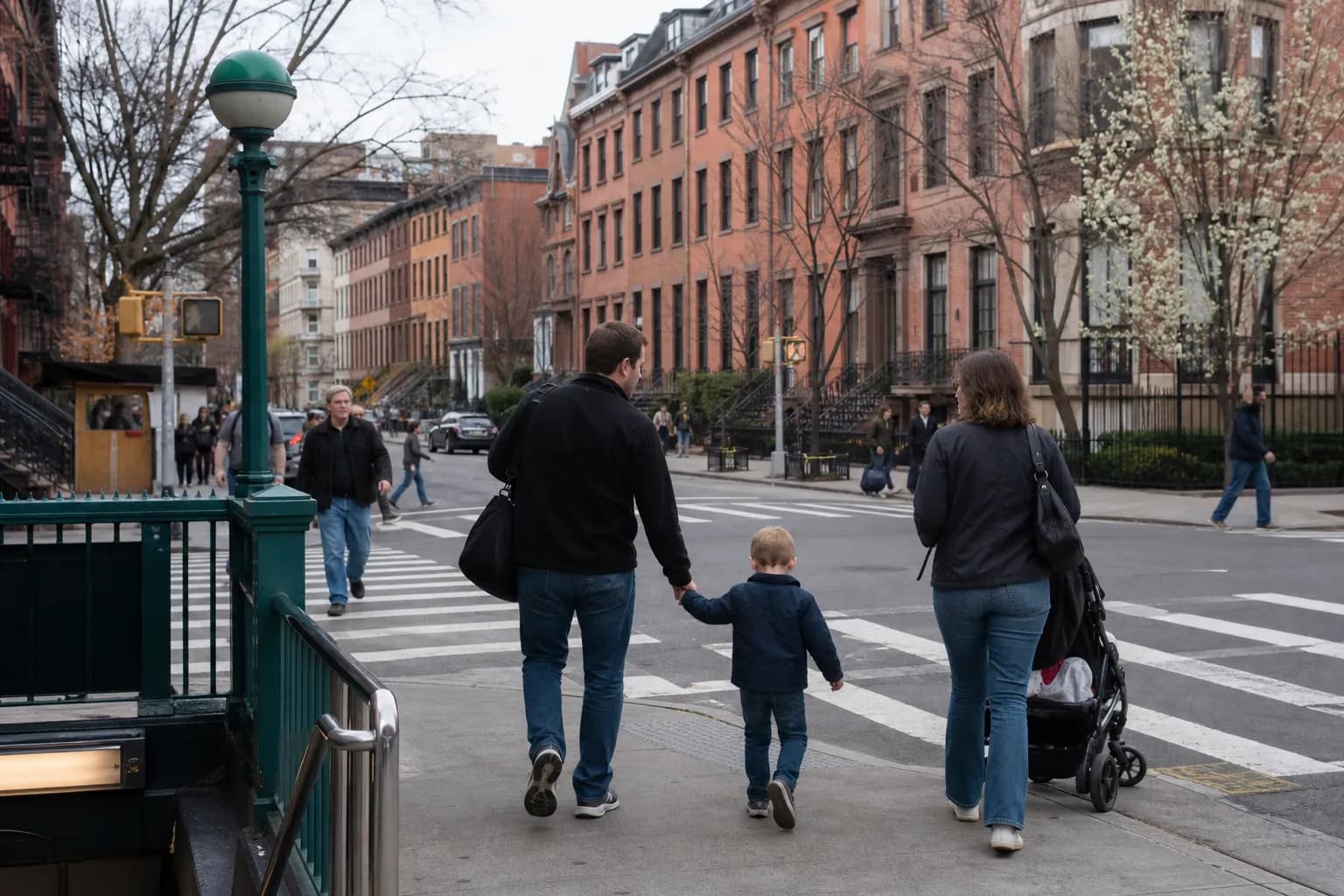
The Upper West Side is usually easier if your life runs on transit. There are more ways in and out, and that matters on days when one train delay can reshape your whole afternoon. Apartment stock is broader too, so families have a better shot at finding a layout that works, even if the square footage still feels very New York. The main thing to remember is that convenience comes with movement: the avenues can be lively, and the best-feeling blocks are the ones that stay residential without going dead.
Brooklyn Heights often feels more spacious emotionally, even when the actual apartment math is not dramatically different. The neighborhood has a calmer street character, but older buildings can mean stairs, fewer elevators, and more tradeoffs around storage and stroller handling. The transit access is solid, yet the experience depends a lot on exactly where you live. A block that looks close on a map can still feel longer once you factor in station entrances, crosswalk timing, and the everyday drag of carrying a kid bag up and down stairs.
Which Family Fits Where
Choose the Upper West Side if your version of family life includes lots of movement, lots of options, and a strong appetite for city convenience. It is a better fit for parents who want schools, parks, errands, and transit to all feel close together. It is also the safer bet if you want a neighborhood that still has energy after work and on school nights. For many families, that balance is what makes it one of the most reliable nyc family neighborhoods in Manhattan.
Choose Brooklyn Heights if you want your quiet to feel more complete. It works best for families who value slower streets, charming blocks, and a neighborhood that feels almost separated from the city buzz around it. If your priorities are fewer surprises, scenic walks, and a calmer cadence from morning to night, it is hard to beat. The right answer is not which one is better in general, but which one matches your actual routine. That is how the best fit shows up in real life.
Practical notes
Visit both neighborhoods twice if you can: once on a weekday morning, once on a weekend afternoon. The same block can feel very different when school drop-off, commuter traffic, and stroller traffic stack up. Pay attention to how long the walk really feels from your apartment to the nearest subway, playground, grocery run, and school gate. In the Upper West Side, the difference between a calm block and a hectic one can be just a few avenues. In Brooklyn Heights, watch the distance to the train and the waterfront. Comfort lives in the daily loop, not the brochure view.
Tags: #nyc #upperwestside #brooklynheights #nycfamilyneighborhoods #quietneighborhoodsnyc #bestnycschools #manhattan #brooklyn #familyliving #schoolzonelife #strollerfriendly #nycguide
Sources consulted: nycgo · nycgo
All trademarks are the property of their respective owners.
Ask Karpo first
Ask Karpo to compare the newest public listings, the latest neighborhood changes, and the best time of day to walk each area with a stroller. It can build a live, public-only route that checks school drop-off flow, park access, and subway convenience before you decide.