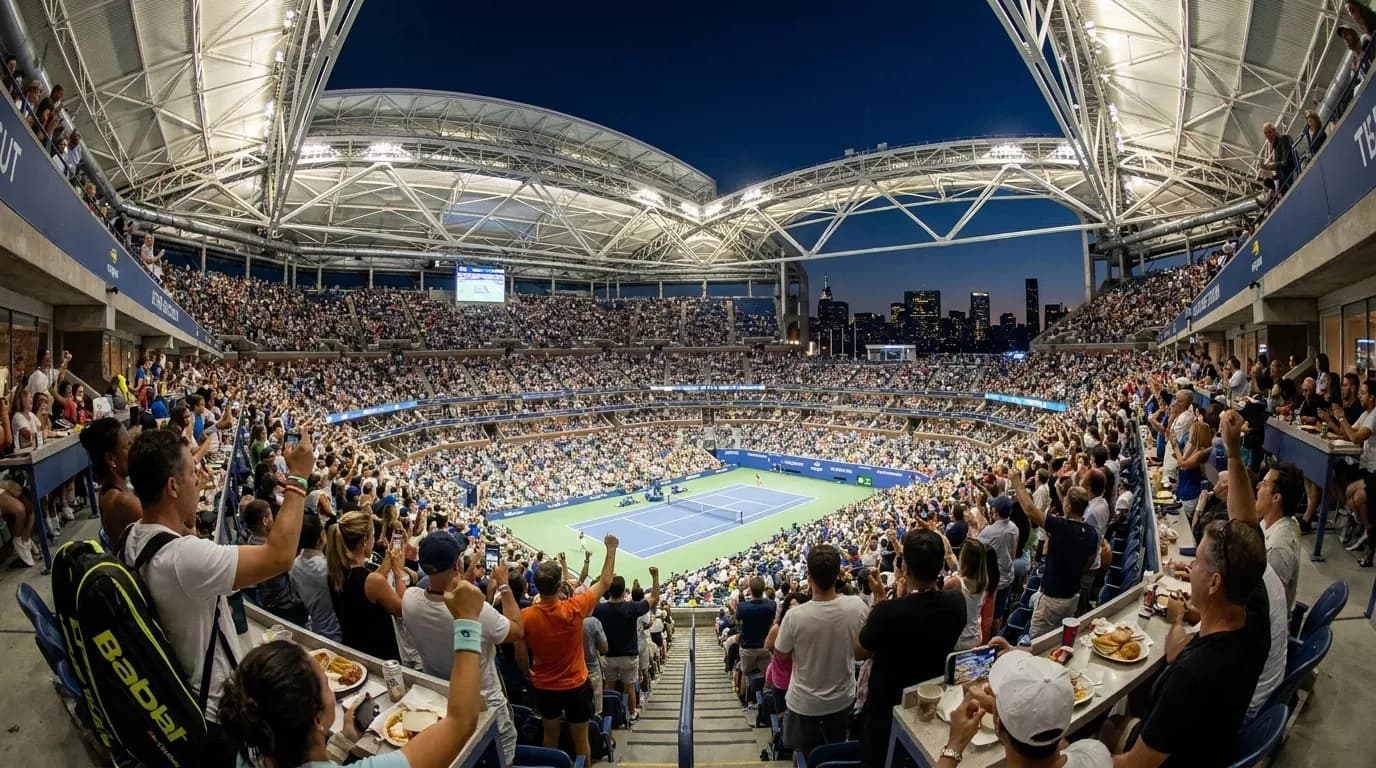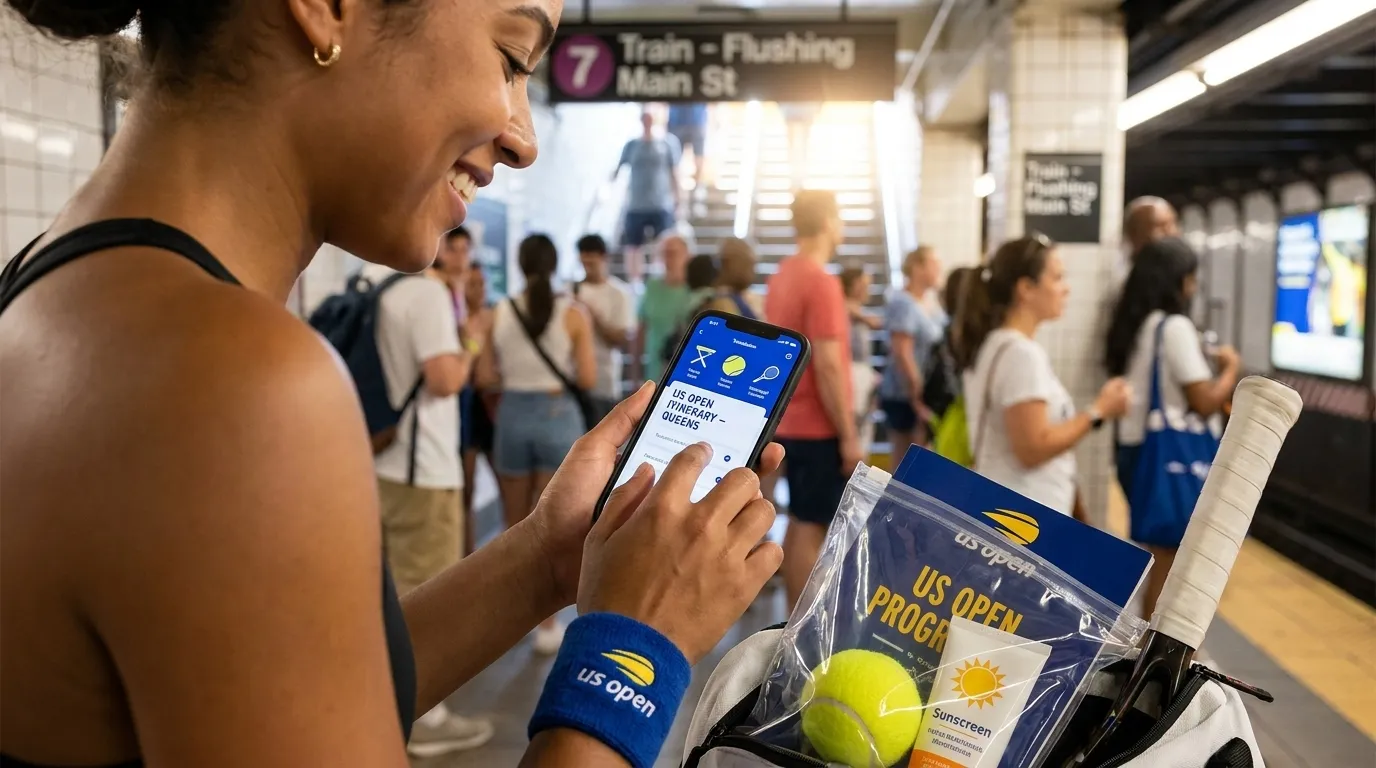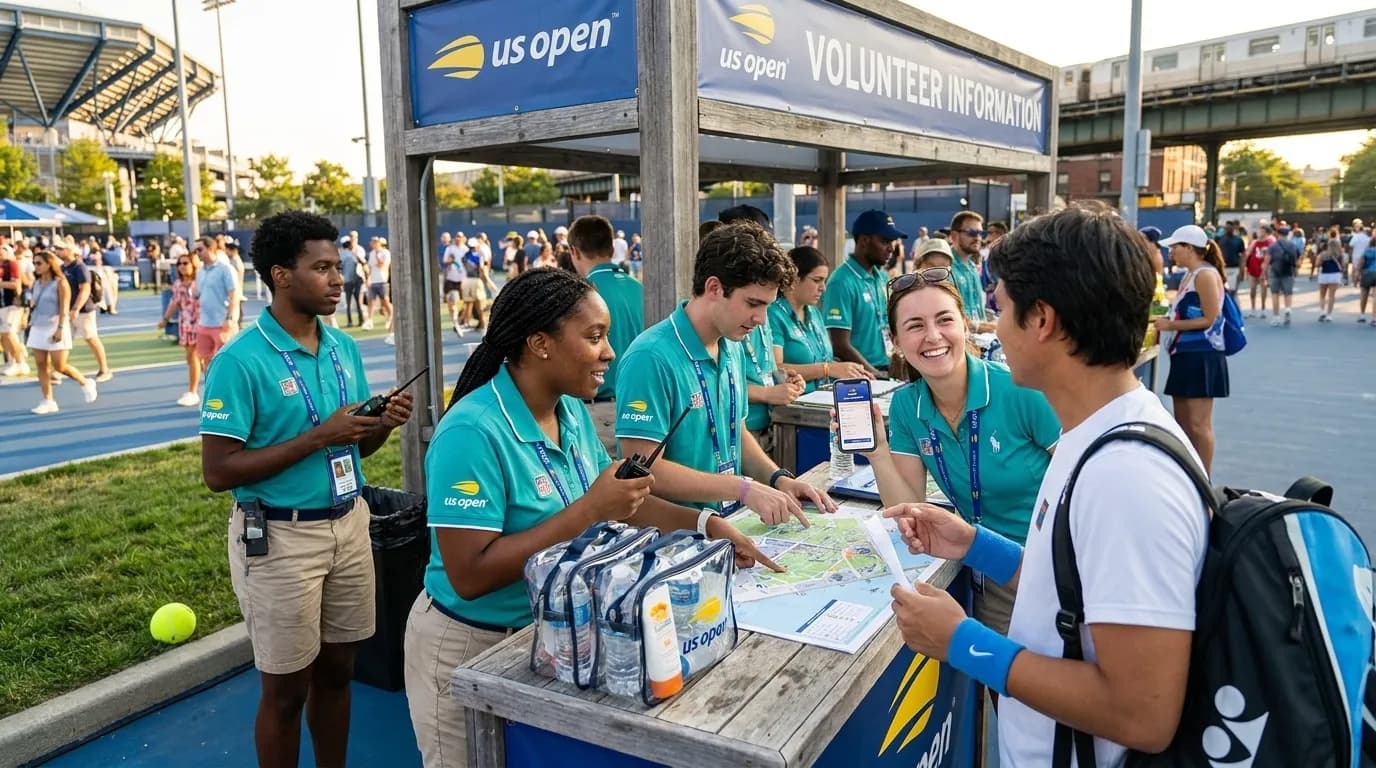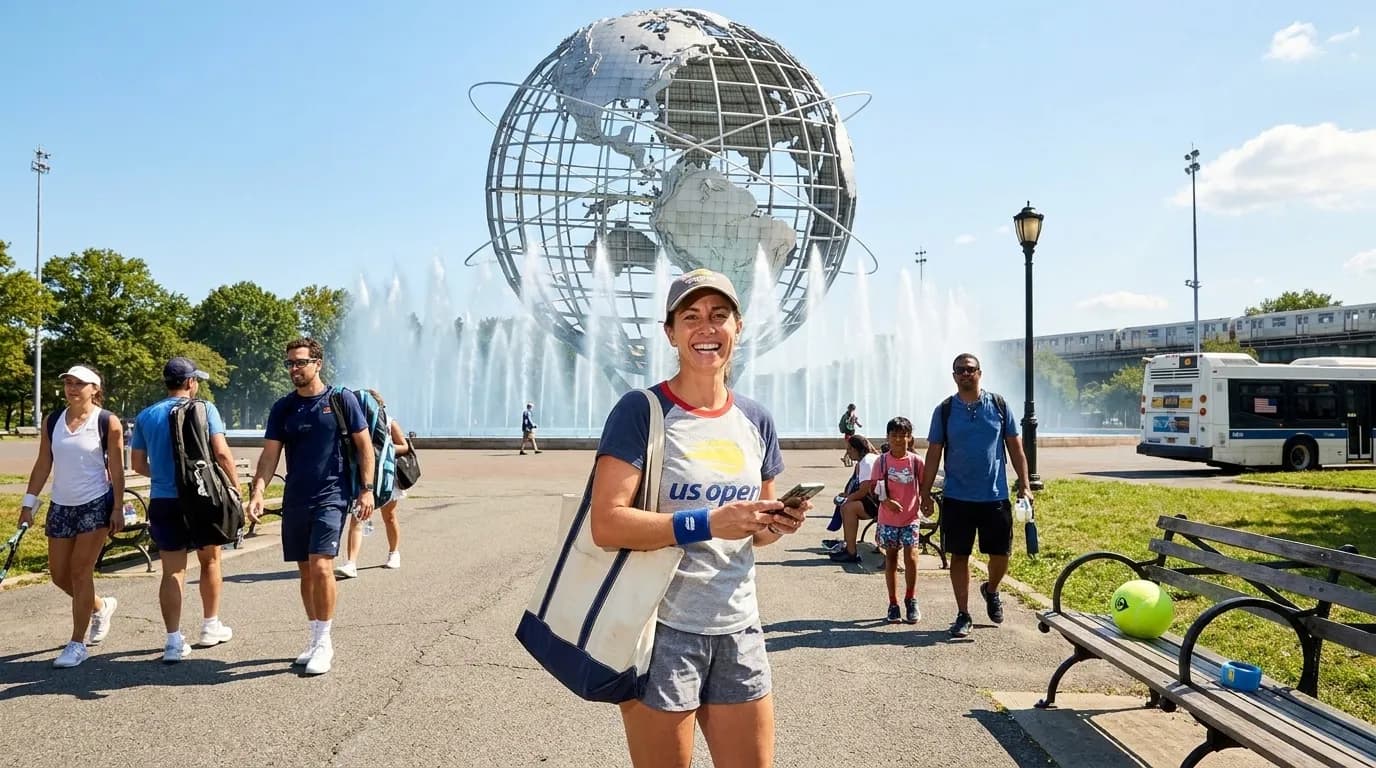
If you are pairing tennis with photos at the Unisphere, treat the walk as a flexible buffer rather than a fixed appointment. The official 2026 US Open calendar runs August 23 through September 13, with singles main-draw play beginning August 30, but daily match timing, gate procedures, weather, and crowd flow can shift. A practical plan is to choose one clear photo window, keep your tennis-center approach simple, and recheck the US Open schedule, A-Z guide, transportation page, prohibited-items list, and NYC Parks information close to the day you go. The Unisphere sits in Flushing Meadows Corona Park, close enough to feel naturally connected to a tennis outing, yet different enough to give you breathing room, skyline-like scale, and a true Queens landmark before or after the courts.
Text Karpo to time your Unisphere photo walk around the best light and your match start.

Match First, Walk Second, Unless the Light Says Otherwise
The easiest mistake is planning the photo walk as if the tennis day will behave like a museum reservation. It may not. Sessions, court assignments, entry conditions, and match length can create a day that is delightfully unpredictable. If you have a ticketed session, build the Unisphere stop around your must-not-miss tennis moment, then let photography fill the soft edges.
For a day session, an early walk can work well if you are already in Queens and want a quiet warm-up before moving toward the tennis center. The tradeoff is practical: morning light may be appealing, but you still need to account for transit, security, any bag restrictions, and the time it takes to orient yourself in the park. For an evening session, late afternoon can be the more photogenic choice, especially if the weather is cooperative and you prefer softer light on the steel globe and fountain area. If the match schedule becomes crowded or the weather turns, skip the perfect shot and protect the tennis plan.
Best Light Without Chasing Perfection
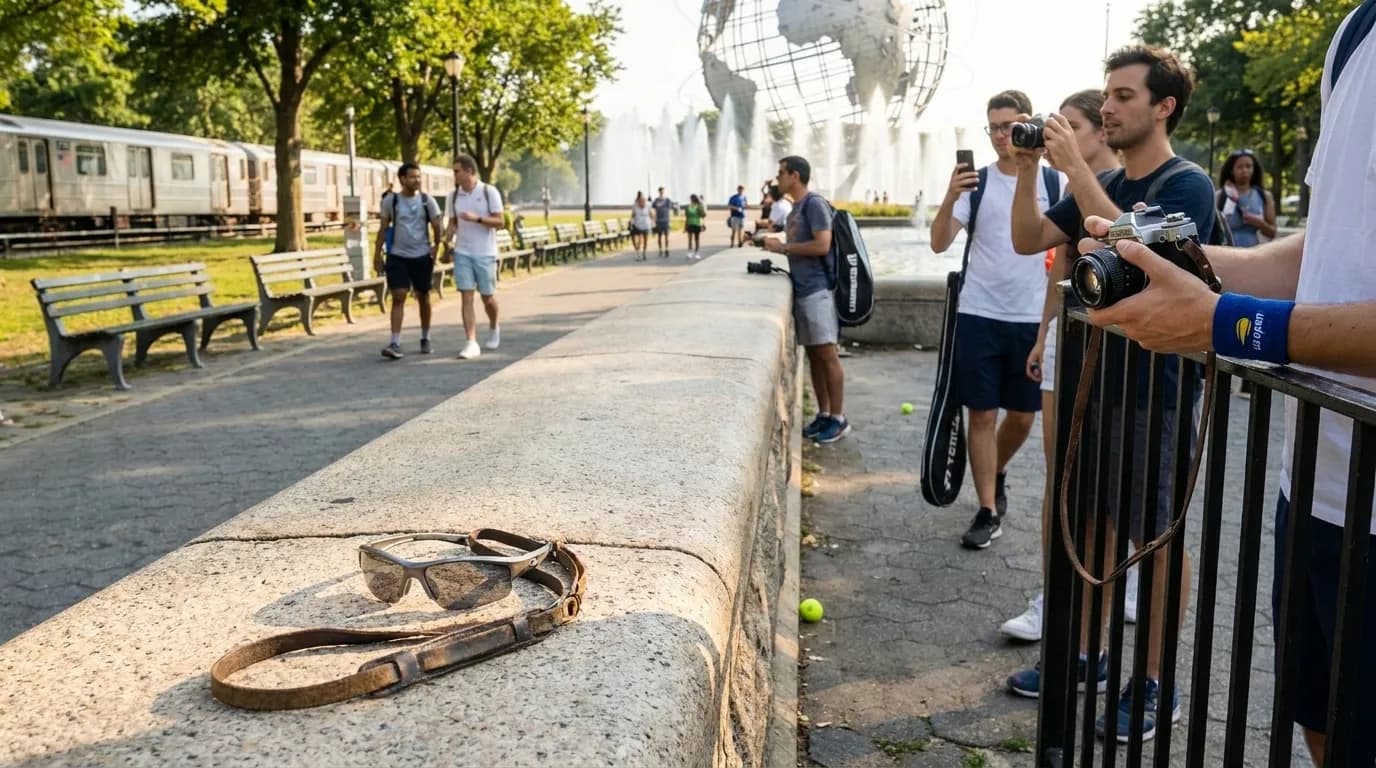
The Unisphere is forgiving because its shape reads clearly from many angles: the globe, the circular basin, the surrounding paths, and the open park setting all help compose the frame. In bright midday sun, use the structure as graphic geometry rather than fighting harsh contrast. Step back, let people become scale, and look for reflections or shadows if the fountain area and conditions allow. In softer morning or late-day light, the metal surface can feel warmer and more dimensional.
Cloud cover is not a failure here. A gray day can flatten glare and make the Unisphere feel monumental, especially in wider images that include the plaza. After rain, surfaces may look cleaner and more reflective, but comfort and footing matter more than any visual payoff. Bring only gear that fits the US Open’s current rules if you intend to enter the venue afterward, and verify those rules directly before travel. A lightweight phone-first approach is often the least stressful for a tennis day, because it keeps movement simple.
A Compact Photo Loop That Keeps You Moving
Think in a small loop, not a sprawling park expedition. Flushing Meadows Corona Park is large, and a US Open day already asks a lot from your feet. The goal is to collect a handful of strong frames, pause, then continue toward the tennis center with energy left. Start with a wide establishing shot from a path that shows the full globe. Move closer for detail: continents, steel lines, water, stone, and the way visitors gather around the basin. Then step aside for a cleaner angle before heading on.
- Wide frame: place the full Unisphere in the scene, leaving room around the edges so the scale is clear.
- Human-scale frame: include walkers or seated visitors at a respectful distance to show size without intruding.
- Texture frame: focus on the steel grid, fountain edge, paving, or reflections if conditions make them visible.
- Tennis-day frame: capture a subtle cue from your outing, such as comfortable shoes, a hat, or your route in the park, while avoiding ticket details or personal information.
- Exit frame: take one last look back from the direction you will continue, so the photo walk feels connected to the day rather than separate from it.
This kind of short shot list keeps the walk focused. It also helps if the area is busy, because you are not waiting for an empty landmark. The Unisphere often looks more alive with people moving through the scene, provided you photograph courteously and avoid blocking paths.
Comfort Choices Matter More Than Camera Choices
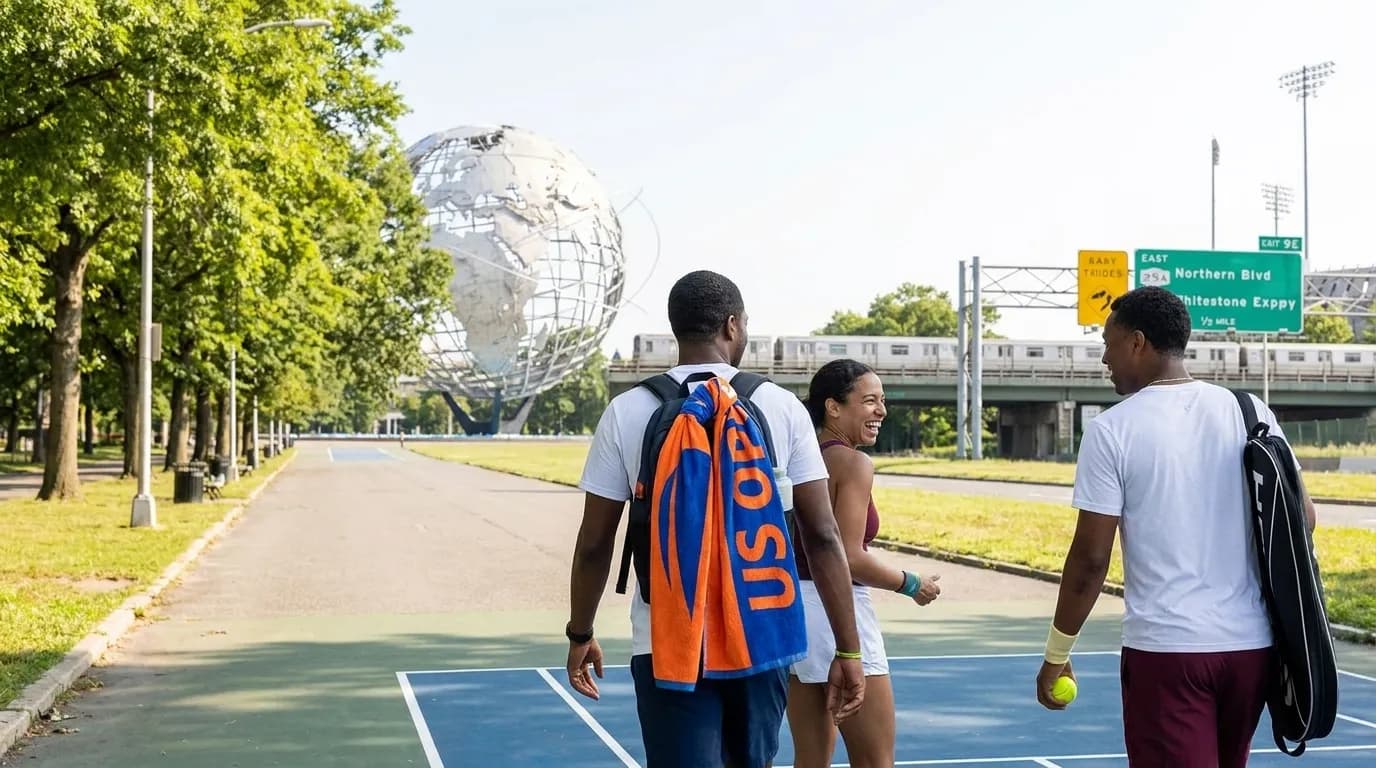
Late August and early September in New York can feel very different from one day to the next. Heat, humidity, wind, rain, and sudden schedule changes can all affect how much park walking feels reasonable. Check the forecast close to your visit and dress for standing, walking, and waiting, not just for sitting in a seat. Shoes are the quiet luxury of this plan. If they are wrong, the Unisphere detour becomes a chore.
Keep your carry minimal. The US Open’s official A-Z guide and prohibited-items page are the places to verify current venue rules, including what you may bring through entry points. Do not assume that an item was allowed in a previous year, at another sporting event, or in a friend’s bag. If photography is part of your day, choose equipment that you can comfortably carry and that you are prepared to manage under current venue policies. If there is any doubt, simplify.
Getting From Landmark to Tennis Without Losing the Thread
The appeal of the Unisphere pairing is that it feels like part of the same Queens outing. Still, do not rely on memory or old maps. Use the US Open transportation and directions page for current guidance to the tournament site, and use NYC Parks information for park context. The Mets-Willets Point area is commonly associated with US Open access, but service patterns, crowd management, station conditions, and walking routes should be checked close to travel.
If you are arriving by public transit, give yourself room for platform crowding and a slower walk than the map suggests. If you are being dropped off or using a car service, confirm where vehicles are currently directed and leave space for traffic changes. If you are traveling with someone who moves more slowly, shorten the photo loop rather than compressing the venue approach. A calm fifteen-minute landmark stop is better than a rushed forty-minute detour that makes everyone anxious before tennis.
When to Place the Walk in a Two-Session Day
A two-session day requires restraint. If you are attending both daytime and evening tennis, the Unisphere can fit as a reset only if the day’s actual timing allows it. Long matches, weather interruptions, food lines, restroom waits, and simple fatigue may shrink the gap. Before committing to leave one area and return to another, confirm whether your tickets, entry rules, and current venue procedures make that movement sensible. Policies can vary by event operations and should be read directly rather than assumed.
For many fans, the better choice is to do the Unisphere before the first tennis commitment or after the final tennis commitment, depending on daylight, comfort, and transit. Between sessions can be beautiful but fragile. If you try it, set a hard turnaround time. The photo walk should never depend on the exact finishing time of a match you do not control. Let the landmark be a bonus, not a source of pressure.
Practical Notes
Before you go, make one quick pass through the essentials and adjust the plan to the day you actually have. Current information matters more than a perfect saved itinerary, especially during a major event period.
- Check the official US Open event schedule for the date you are considering, especially because the 2026 tournament calendar runs August 23 through September 13 and singles main-draw play begins August 30.
- Review the US Open A-Z guide and prohibited-items page before packing any camera gear, bags, bottles, umbrellas, or accessories.
- Use the US Open transportation and directions page for current arrival guidance, then allow extra time for crowd movement.
- Check NYC Parks information for Flushing Meadows Corona Park context and any park-related updates that could affect your walk.
- Pick one photo window: early before tennis, late afternoon before an evening session, or after tennis if daylight and energy allow.
- Set a turnaround time before you start shooting, so the landmark stop does not compete with your match plans.
- Choose comfort over equipment: light carry, walkable shoes, weather-aware clothing, and enough flexibility to skip the walk if conditions turn.
Tags: #USOpen2026 #Tennis #NewYork #Queens #FlushingMeadows #KarpoFinds #Karpo #UnisphereWalk #USOpenPhotos #FlushingMeadows
Sources consulted: usopen.org — Official reference · usopen.org — Official reference · usopen.org — Official reference · usopen.org — Official reference · nycgovparks.org — Official reference
All trademarks are the property of their respective owners.
Ask Karpo first
Ask Karpo to pair photo stops, shade breaks, and gate timing for a smoother Flushing Meadows visit.