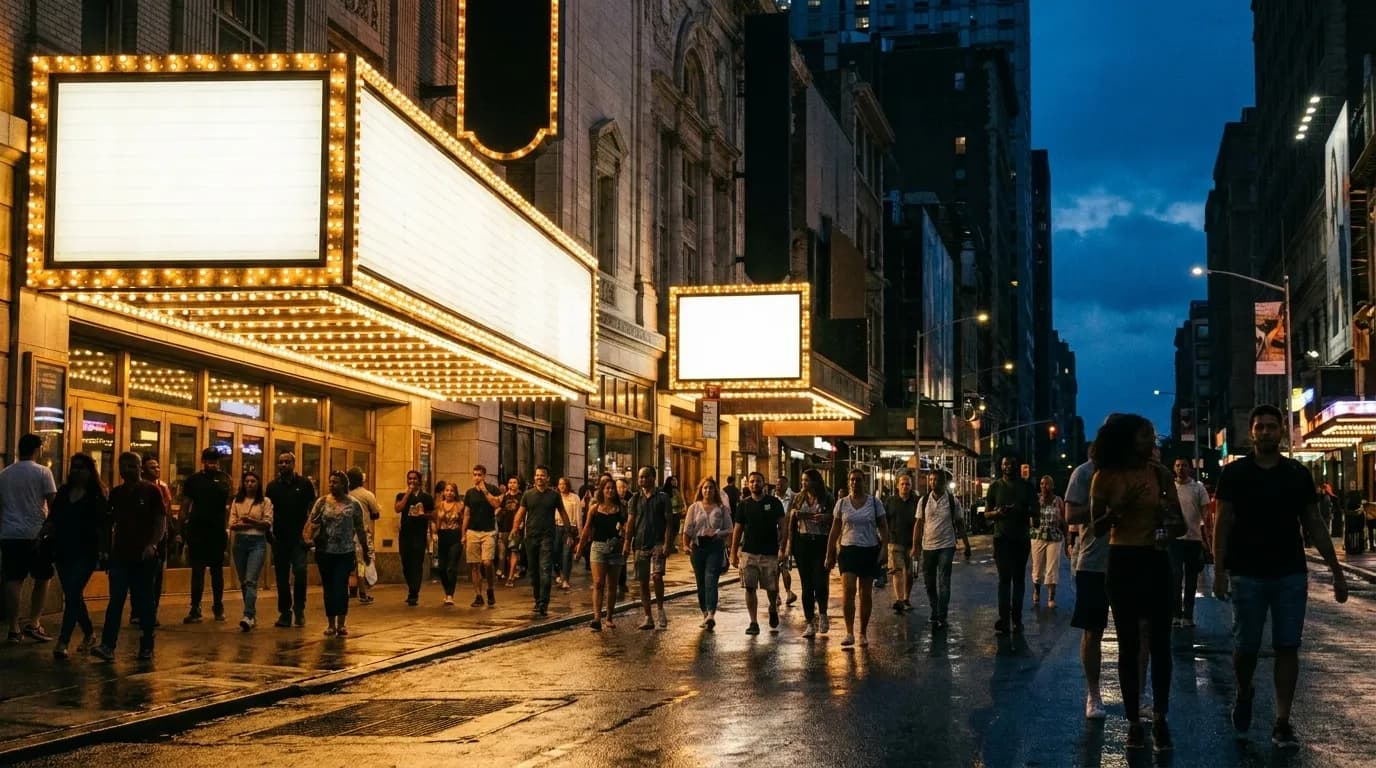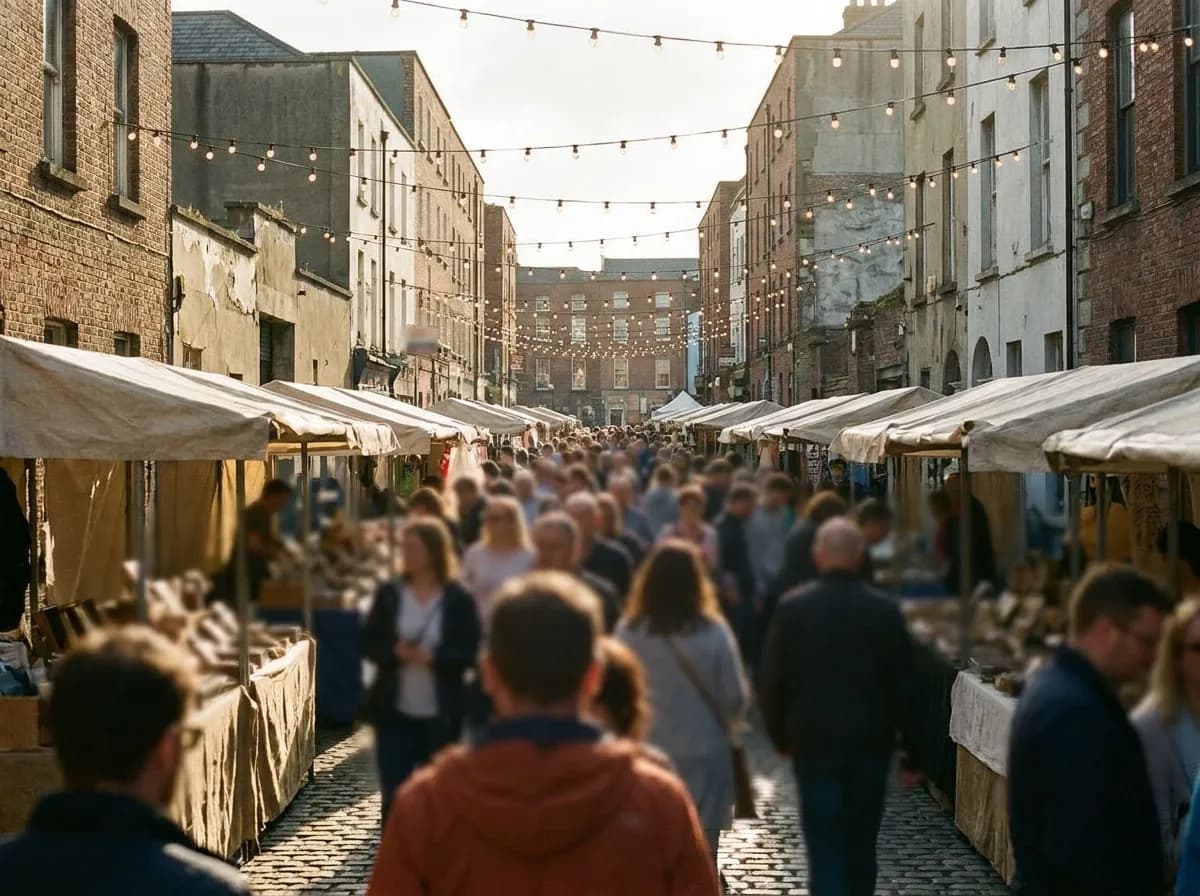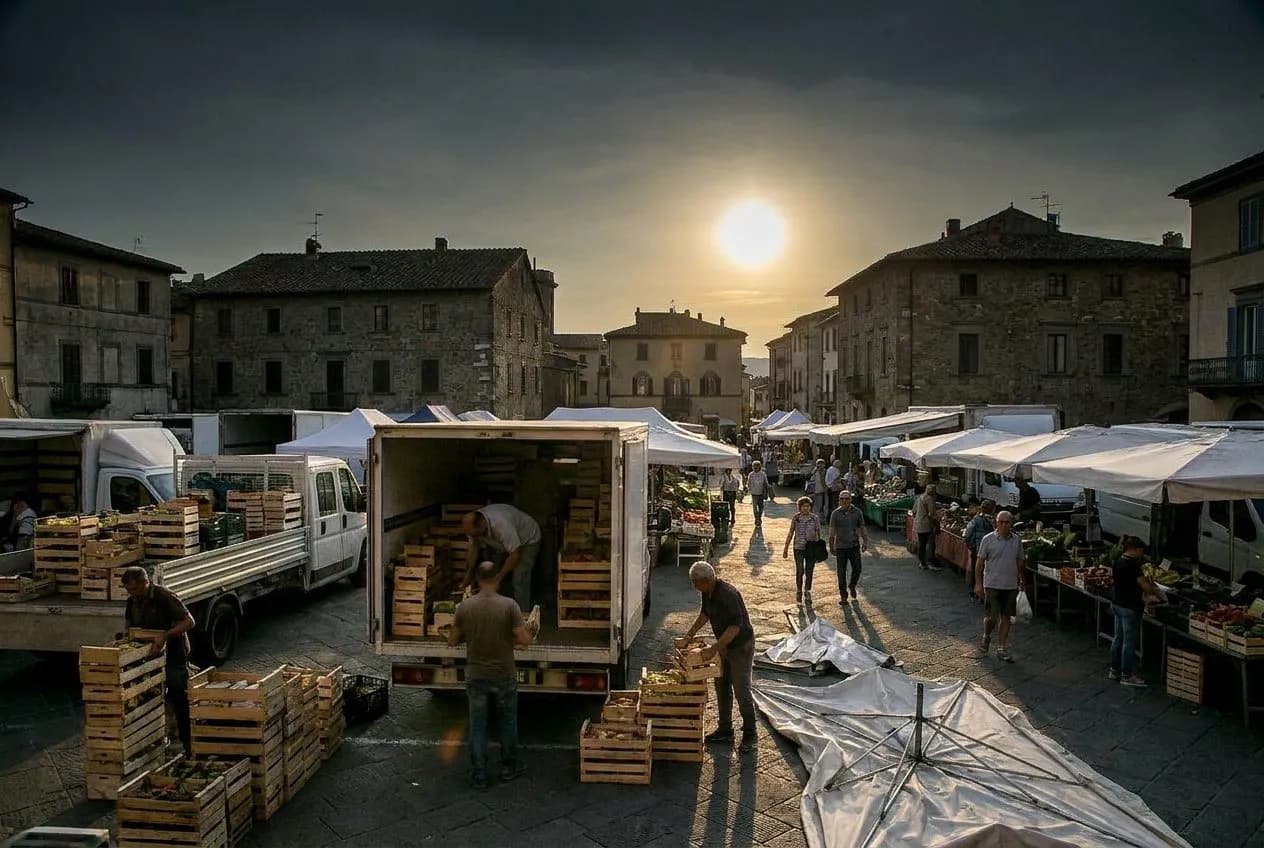
The light changes first. By five o'clock on a fall Saturday, the hard midday glare has softened to something golden and slanted, cutting under the white tents at Union Square Greenmarket and pooling on wooden crates half-empty of apples and winter squash. The crowds have thinned. The tourists with their tote bags have gone. What remains is a different market entirely—one that moves to the rhythm of farmers checking their watches, restaurant buyers making final rounds, and regulars who know that the last hour before closing is when the real conversations happen.
The closing bell that isn't
The Union Square Greenmarket is held on Mondays, Wednesdays, Fridays, and Saturdays between 8 a.m. and 6 p.m., but walk through after five-fifteen and you'll see the truth written in collapsing tent poles and farmers hefting crates into truck beds. Many vendors begin packing by that quarter-past mark, especially if the day has been brisk or the forecast threatens rain. It's not laziness—it's logistics. The drive back upstate is long, and nobody wants to break down a stall in the dark.
But not everyone packs at the same pace. Some farmers have regulars they're waiting for, or a restaurant account that always shows up late. Others simply enjoy the slower rhythm of the final stretch, when they can lean against a tailgate and watch the square empty out. The market's closing hour has its own unwritten protocol, invisible to anyone who only ever shops at noon.
The geography of who stays late
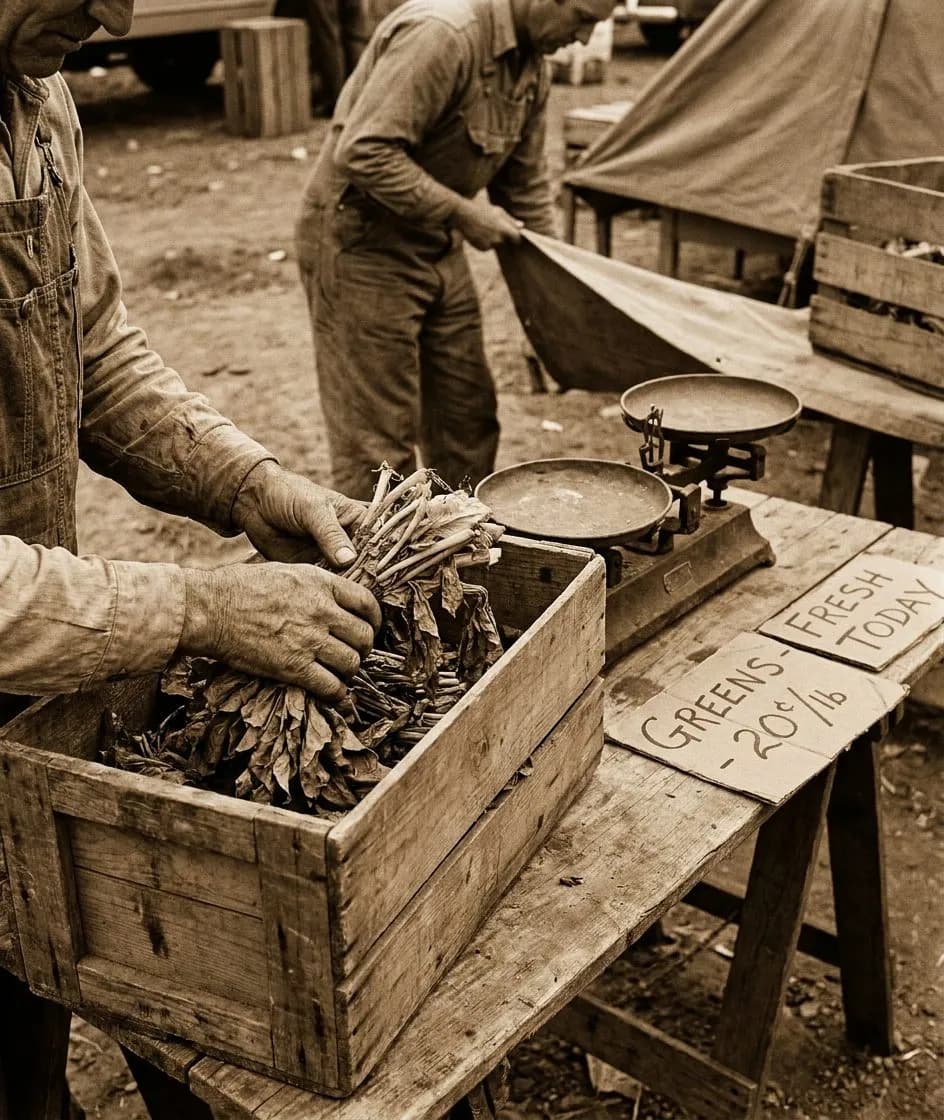
If you want to shop the final hour, head south. The farmers on the market's south end near 14th Street tend to stay open longest, while the north side clears earlier. Nobody seems to know exactly why this pattern holds—whether it's the foot traffic flow, the vendor mix, or simply tradition—but it's been consistent enough through the years that regulars adjust their route accordingly.
The south end tends to draw the dairy and meat vendors alongside a few stalwart vegetable growers who've been at Union Square since the market's early days. They're the ones who'll still be weighing out potatoes at five-fifty, chatting with the line cooks from nyc restaurants who time their arrival for exactly this window. There's a quiet competence to these late-stayers, an understanding that the final customers are often the most loyal.
The arithmetic of the last half hour
Prices on remaining produce often drop in the final thirty to forty minutes, especially for items that don't store well—delicate greens, soft herbs, anything that won't survive the ride home and another market day. A bunch of basil that was eight dollars at two o'clock might be five at five-thirty, bundled with cilantro the farmer would rather see used than composted. Stone fruit in early fall, the last tomatoes of the season, bunches of kale with a few bruised outer leaves—all subject to negotiation once the vendor starts eyeing the drive ahead.
This isn't advertised. No signs announce the discount hour. You learn it by showing up, by watching the farmer's hand hesitate over the cash box, by hearing someone ahead of you ask, "What can you do on these?" The answer is often generous. Farmers would rather you cook with their produce tonight than let it wilt in a cooler. It's pragmatism wrapped in something closer to gift economy, the kind of exchange that only happens when the pressure of the crowd lifts.
What thins and what remains
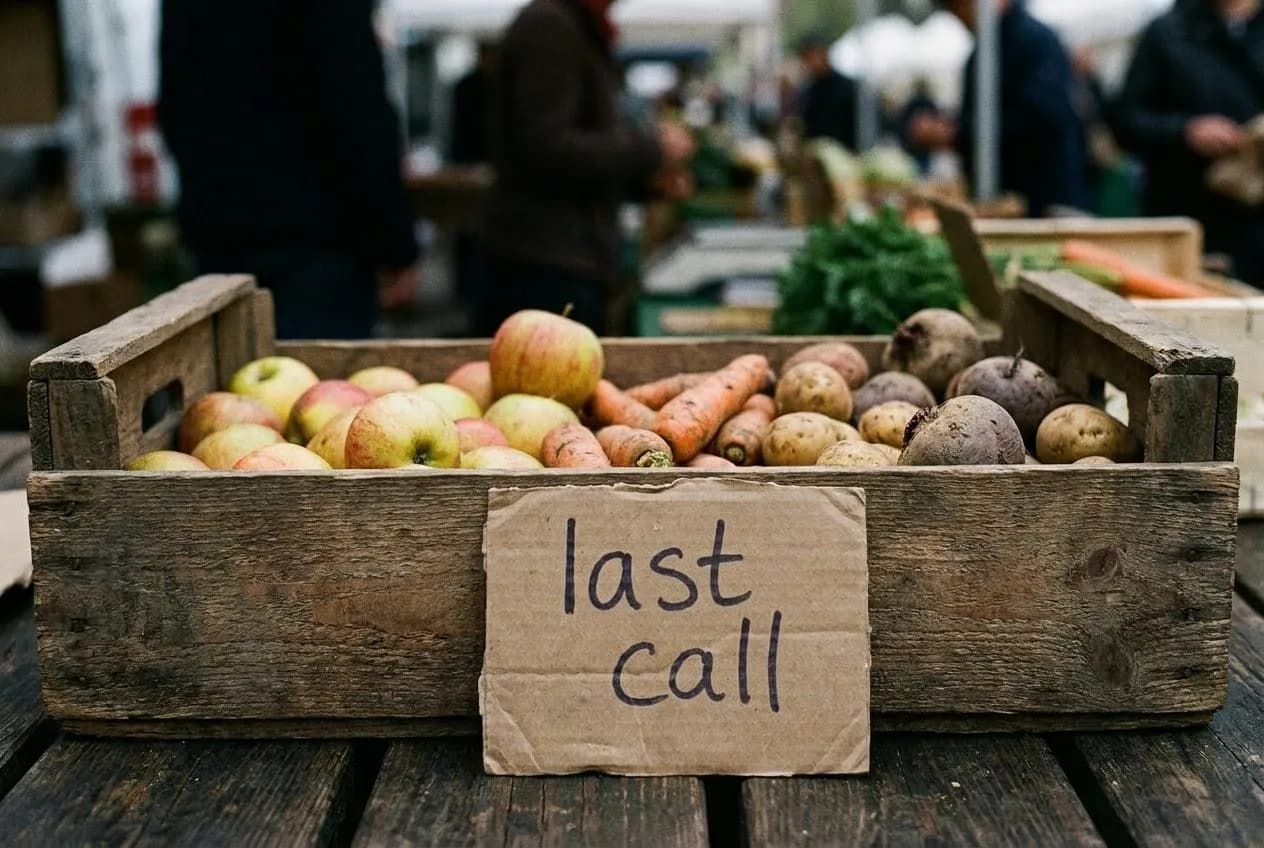
By five-thirty, certain items have vanished entirely. The heirloom tomatoes, gone by three. The first-of-season apples, claimed before noon. What's left tells the story of the day's appetite: bins of cooking greens, root vegetables by the pound, preserves and honey that keep indefinitely. Late-season flowers, their heads a little heavy. Bread from the morning bake, still good but no longer warm.
This is not the market of abundance and choice that greets the ten o'clock shopper. It's the market of what endures—the crops that store well, the products that don't wilt under scrutiny or time. There's a strange beauty to these edited-down stalls, a clarity that the abundance of midday obscures. You see what the farm actually grows in volume, what the farmer believes in enough to plant row after row.
The conversations that emerge
When the crowd pressure lifts, farmers talk. Not the quick transactional patter of the rush—
This is the market as it was maybe meant to be, before it became a destination and a scene. Farmers and cooks and home preservers comparing notes, trading advice, building the relationships that make someone drive two hours each way twice a week, year after year. A line cook mentions what sold well this week; the farmer makes a note for next season's planting. Someone asks about storage methods; the farmer's partner, packing crates in the truck bed, turns around to offer a family technique.
These aren't performances. Nobody's curating an authentic agrarian experience for an audience. It's just what happens when you remove the pressure of forty people waiting to ask about pesticide practices or whether the peaches are local. The question-askers are still here, but they're fewer, and they often already know the answer.
The light and the leaving
By quarter to six in late fall, the light has gone dusty blue and the city sounds return—the honk and idle of traffic on 14th, the clatter of a skateboard on pavement. The tents come down in sections, aluminum poles clattering into truck beds. Farmers strap down crates and coolers with the efficiency of people who've done this particular choreography five hundred times. Someone shakes out a tarp. Someone else stacks wooden produce boxes into a tower that sways slightly as it's lifted.
The square doesn't empty all at once. A few stalls stay open until the absolute final minute, and even after six you'll see a farmer hand over a last bunch of carrots, wave off the cash, accept it after mild insistence. Then the trucks pull out one by one, heading north on University or west on 14th, and the greenmarket becomes a memory held only in the few crushed leaves on pavement and the smell of apples lingering under the trees.
Practical notes
Union Square Greenmarket operates at East 17th Street and Union Square West in Manhattan. The Greenmarket operates year-round on Mondays, Wednesdays, Fridays, and Saturdays from 8 a.m. to 6 p.m.; vendor packing times vary, so arrive before five to catch the full closing-hour experience. Nearest subway: L/N/Q/R/W/4/5/6 to 14th Street–Union Square. Street parking is nearly impossible; public garages are within two blocks but expensive. The market is wheelchair accessible on paved paths. Bring cash for best prices, though many vendors now accept cards. Tote bags or a backpack help when buying volume. Verify seasonal schedules directly as winter markets run shorter hours.
Tags: #UnionSquareGreenmarket #NYCFarmersMarket #RightOnTime #UnionSquareNYC #FarmersMarketNYC #GreenmarketNYC #FallInNYC #ManhattanMarkets #LocalFoodNYC #NYCFood #FarmToTable #EndOfDayShopping #MarketCulture #Fall2026 #NYCRegulars
Sources consulted: Union Square, Manhattan · GrowNYC Greenmarket · Union Square Park · Time Out New York Markets Guide
All trademarks are the property of their respective owners.