The abdul el sayed haley stevens contest is a Michigan Senate primary, not a New York race. For NYC voters, its usefulness is different: it is a reminder that national political drama often starts with very local mechanics, including registration status, poll-site changes, board meetings, budget votes, and the habit of checking official sources before reacting. Treat the headline as a prompt, not a shortcut. On July 28, 2026, the practical move is to build a small civic route you can repeat solo: confirm your voter record, know where official notices live, and pick one local forum where your schedule, access needs, and attention span actually fit.
Want a cleaner way to turn election headlines into local action? Text Karpo with your borough, timing, and access needs, and ask for a verified NYC civic plan.

Use the New York State Voter Lookup Before Reading Another Hot Take
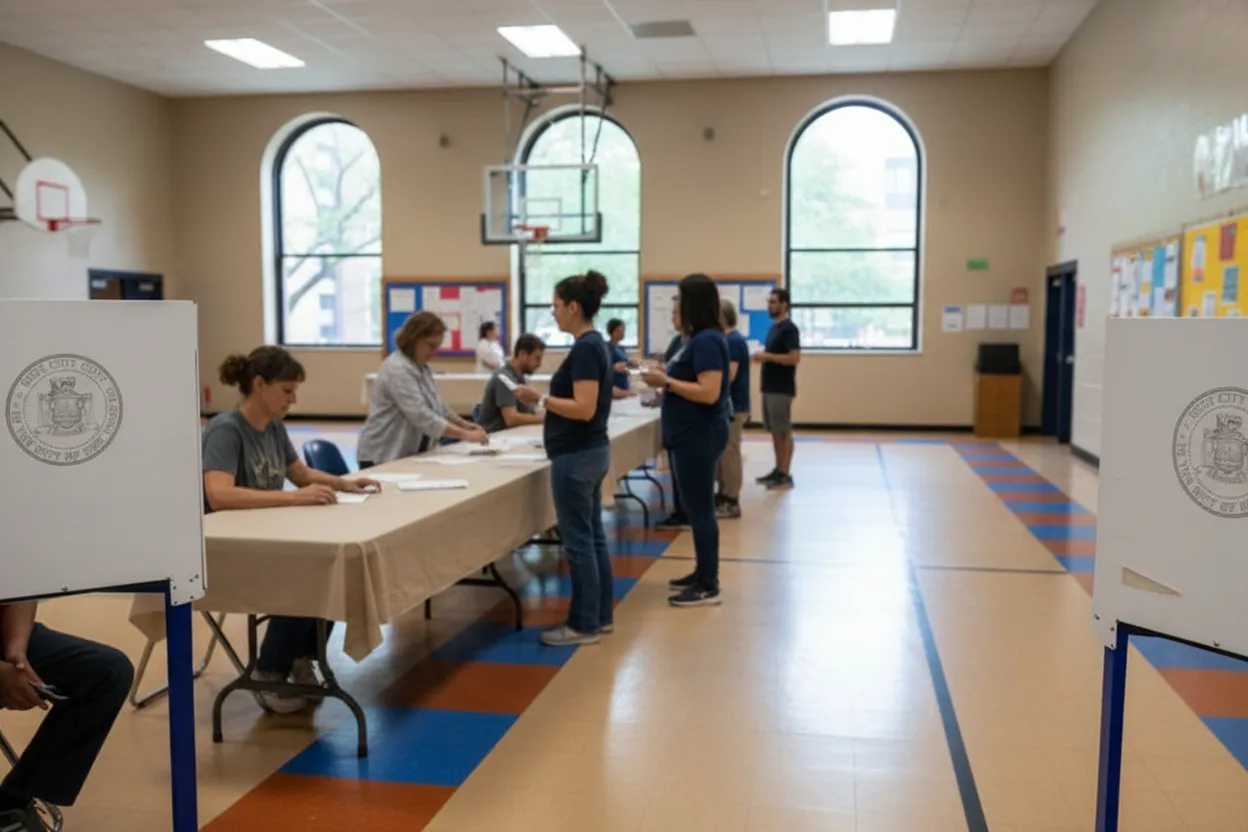
Start with the New York State voter lookup if you are already registered and want to confirm your status, assigned poll site, or mail ballot tracking. The tool asks for identifying details, including name, date of birth, county, and address information, so use it when you have a few uninterrupted minutes and a private screen. The main failure mode is assuming last year’s poll site still applies. In NYC, that can turn a low-effort voting plan into a missed window.
This is the best first stop for a solo voter who wants certainty without calling anyone. It is also where backup logic begins: if your record does not appear, do not infer that you cannot vote. Move next to the state registration page or your county board. If the lookup page stalls, try again from a browser with JavaScript and cookies enabled, then verify directly with the Board of Elections before making plans around a specific site.
Use the State Registration Page to Decide Whether Your Next Step Is Online, Mail, or In Person
The New York State Board of Elections registration page confirms that online voter registration is available and points voters to eligibility, status checks, county boards, mail forms, and deadline resources. That matters because the right action depends on your problem: a new registration is different from an address change, a party enrollment update, or a replacement card. If you are unsure which bucket you are in, read the state page before relying on campaign mailers or social posts.
For pacing, give this step more time than a headline scan. Online registration uses a NY.gov ID, while paper forms require printing, signing, and returning by mail or in person. The tradeoff is convenience versus control: online is efficient if your account works, but in-person help may be better if your name, address, language access, or eligibility situation needs clarification. Do not invent a deadline from memory. Open the official calendar again before any election cycle decision.

Use NYC Community Boards to Translate National Issues Into Block-Level Decisions
NYC’s community board system is where many abstract issues become local agenda items: land use, transportation, small business conditions, youth services, education, environmental concerns, and service delivery. The city describes community boards as the first level of local government, with volunteers appointed by borough presidents. That makes them useful for voters who feel informed by national races but need somewhere specific to listen, comment, or track how city agencies respond near home.
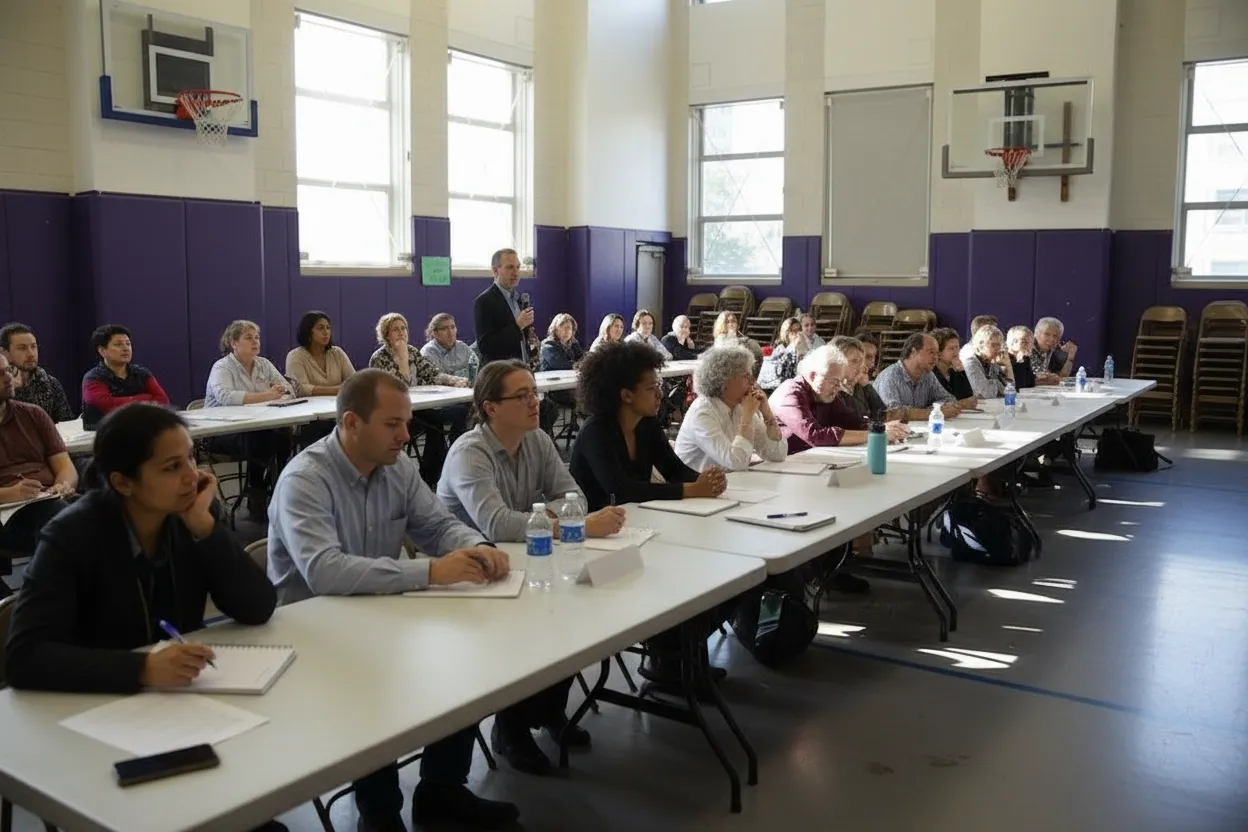
The accessibility tradeoff is that community board meetings vary by district, room, virtual option, agenda length, and public-comment procedure. Before attending, identify your board by address or borough, then check that board’s own calendar because citywide overview pages can lag behind district updates. If a meeting is full, postponed, or mostly procedural, the backup is still productive: read the agenda, email the district office, and choose one committee meeting that matches the issue you actually care about.
Use the Civic Engagement Commission’s Public Meetings for Citywide Listening Practice
The NYC Civic Engagement Commission lists public meetings as open to the community and notes that participants may offer comments concerning the meeting agenda. Its 2026 page showed a July 21 meeting as the upcoming entry before this draft date, with prior 2026 meetings listed in February and April. Because July 28, 2026 falls after that listed meeting, do not show up assuming another session is available today. Use the page as a schedule checkpoint.
This venue fits voters who want a calmer, citywide civic setting before speaking at a more neighborhood-specific board meeting. The failure mode is arriving with a speech that does not match the posted agenda or missing registration instructions attached to a specific session. Check the meeting page, agenda, location or virtual access, comment rules, and any language or disability accommodation instructions on the day you plan to participate. If nothing current is posted, subscribe or monitor instead.
Use Participate NYC When You Want Budget Decisions, Not Candidate Drama
Participate NYC is the Civic Engagement Commission’s platform for The People’s Money, the citywide participatory budgeting initiative. The current page frames Spring 2026 as the voting phase and Fall 2026 through Fall 2027 as project implementation. That makes it less useful as a same-day ballot task on July 28, 2026, but very useful for understanding what happens after residents vote on community ideas.
The audience fit is different from candidate research. This is for someone who wants to see civic participation produce programs, projects, or implementation updates rather than debate clips. The practical check is phase-based: if voting has closed, do not treat the page as an active ballot. Look for project updates, archives, newsletters, or the next cycle. If you need a quick civic action today, pair this with a community board calendar or a voter-record check.
Use AP’s Michigan Coverage as Context, Then Bring the Question Back to NYC
Associated Press coverage on July 24, 2026 described the Michigan Democratic Senate primary as a contest between Rep. Haley Stevens and Abdul El-Sayed, with Gov. Gretchen Whitmer endorsing Stevens shortly before early in-person voting began. AP also reported that the winner of the August 4 primary would face Republican Mike Rogers in November. For NYC readers, that establishes why the race is getting attention without turning it into a local ballot item.
The decision guide is simple: read reputable national coverage for context, but use official election pages for your own eligibility, deadlines, and polling logistics. A Michigan primary cannot tell a Queens, Bronx, Brooklyn, Manhattan, or Staten Island voter where to vote or which local meetings matter. If a national race makes you feel urgency, convert that emotion into a verifiable NYC action: status lookup, registration update, meeting calendar check, or one issue-specific local contact.
Run a Five-Minute Verification Loop Before You Leave Home
Before any in-person civic errand, run the same final loop: confirm the official page, date, time, address, transit conditions, entry rules, weather, and accessibility contact. Weather matters because a hot, rainy, or stormy day changes whether a solo plan stays easy. Transit matters because a delayed line can erase a short comment window. Access rules matter because government buildings and meeting rooms may have security, ID, elevator, or remote-participation details that are not obvious from a headline.
If one fact cannot be confirmed, make that uncertainty part of the plan instead of filling the gap. Call, email, or choose a lower-risk alternative such as reading minutes, submitting written comment, watching a posted recording, or checking your voter record from home. The best outcome is not attending everything. It is building a repeatable habit: one official source for voting status, one for registration rules, one for local meetings, and one last same-day check before committing your time.
Tags: #NYCVotes #LocalElections #CivicEngagement #VoterRegistration #PollSite #CommunityBoards #ParticipatoryBudgeting #NYCPolitics #ElectionReady #SoloPlans #WeekendPlans #AskKarpo #BeforeYouGo #NYCGuide
Sources consulted: Source 1: voterlookup.elections.ny.gov · Source 2: elections.ny.gov · Source 3: nyc.gov · Source 4: nyc.gov · Source 5: participate.nyc.gov · Source 6: apnews.com
All trademarks are the property of their respective owners.
Ask Karpo first
Tell Karpo your date, group size, budget, and starting neighborhood. We’ll check current access, timing, transit, and the cleanest plan for before you head out.