Miami is a seafood city that mostly sells seafood to people who are not from here, at prices set by proximity to the ocean rather than by the fish. The inversion is worth understanding: some of the best and cheapest seafood in the county is inland, at fry counters and fish markets in Little Havana and along the Miami River, several miles from any beach. Same waters, same boats, a third of the price, and no view — which turns out to be a very good trade.
These counters keep market hours rather than restaurant hours, and most close well before dinner. Ask Karpo in iMessage which fish counters near you are still open and what came in fresh today before you drive over.
La Camaronera and the Pan Con Minuta
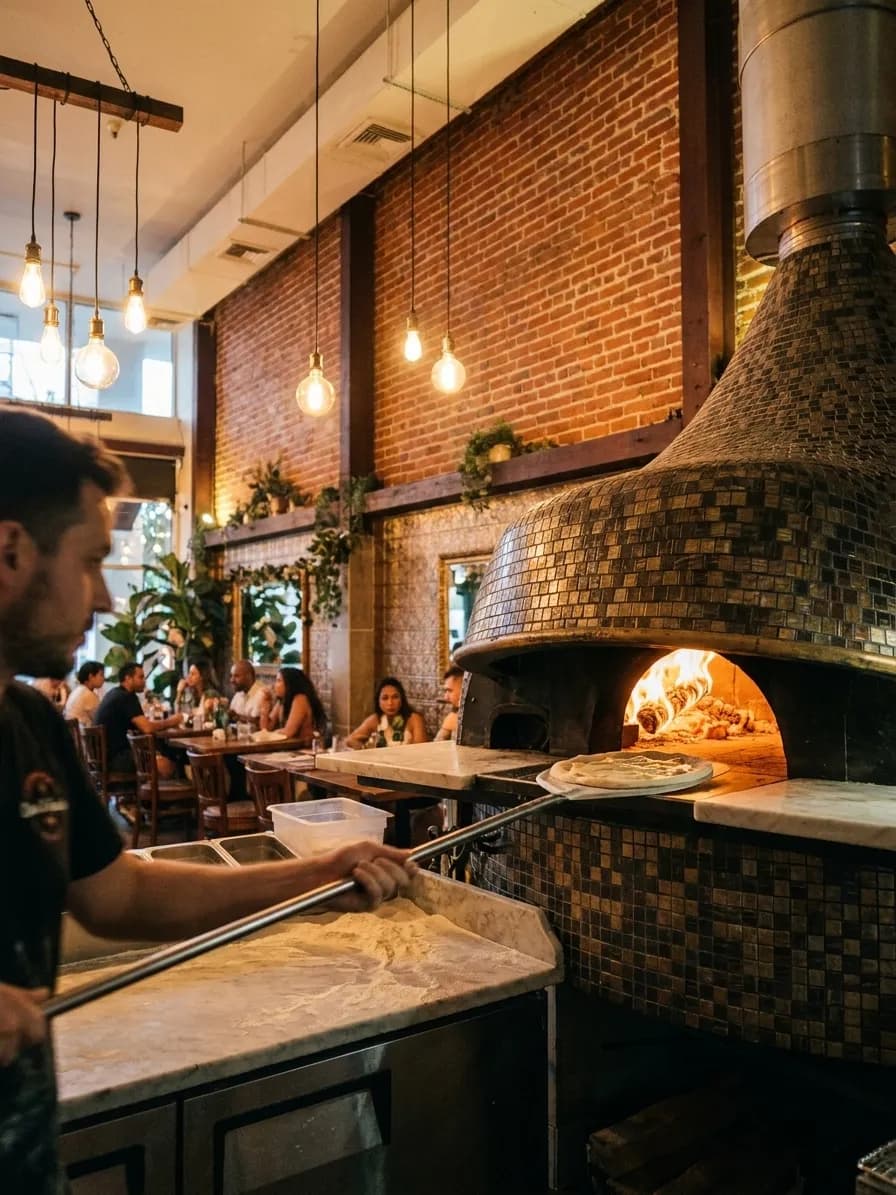
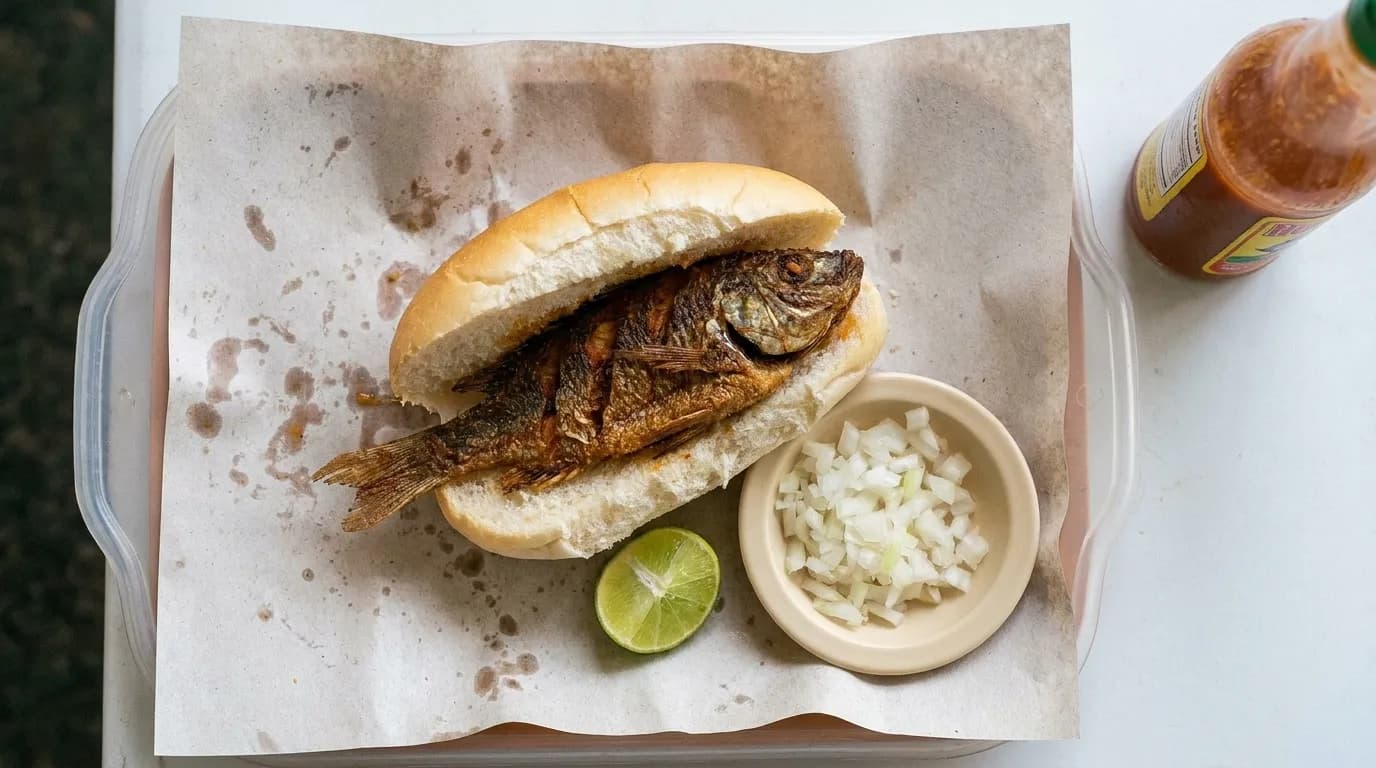
The Garcia family has been in the Miami fish business for generations, and La Camaronera on Calle Ocho is where that operation meets the public: a fish market with a horseshoe counter, a fryer, a handful of stools, and no pretence of being a restaurant. The thing to order is the pan con minuta — a whole small snapper, fried, tail sticking out of a soft roll with onions and lime — which is one of the two or three defining sandwiches of this city and costs less than a beachfront appetiser. Add a bowl of shrimp or a plate of fried fish and you have eaten better seafood than most of Ocean Drive for a fraction of the bill. It closes in the evening. Go for a late lunch.
The Cuban Seafood Vocabulary
Ordering well here means knowing four dishes. Camarones enchilados is shrimp in a tomato-and-pepper sauce, cooked down until it clings, and it is the most common seafood dish on any Cuban menu in the neighbourhood. Pargo frito is whole fried snapper, served with the head on and the skin crisp, usually with rice, beans and plantain. Serrucho en escabeche is kingfish pickled in vinegar, oil and onions — an old preservation technique and an acquired taste worth acquiring. And bacalao a la vizcaína, salt cod stewed with peppers and potatoes, appears in the older dining rooms and is at its best in the cooler months. Ask which of these was made today rather than ordering off the printed menu; the kitchens here cook to what arrived.
Ten Minutes North: The River Fish Houses
The Miami River is a working waterway, and a small cluster of fish houses sits along it where the boats actually unload. Garcia's Seafood Grille and Fish Market has been run by the same family since the 1960s, operating as both a retail counter and a restaurant with a deck over the water — you can buy fish by the pound at the front and eat it grilled at the back, and the boats tied up outside are the ones that caught it. Casablanca Seafood covers the same territory a little further along. This is the closest Miami gets to eating at a genuine working port, and it is fifteen minutes from Calle Ocho.
The Supermarket Counters Nobody Writes About
The most under-the-radar seafood in Little Havana is inside the Latin supermarkets. Several of the larger ones along Eighth Street and Flagler run a hot counter at the back where a cook is frying fish and making enchilados to order for the neighbourhood, priced for people doing their shopping rather than for anyone on a list. You order at a window, you eat standing at a shelf or you take it home in a foil tray, and the food is often identical to what the restaurant two doors down charges triple for. Ask for the pescado frito and look at what everyone else in the queue is holding. This is the single best value seafood in Miami and it is entirely undocumented.
Seasons, Freshness and How to Choose
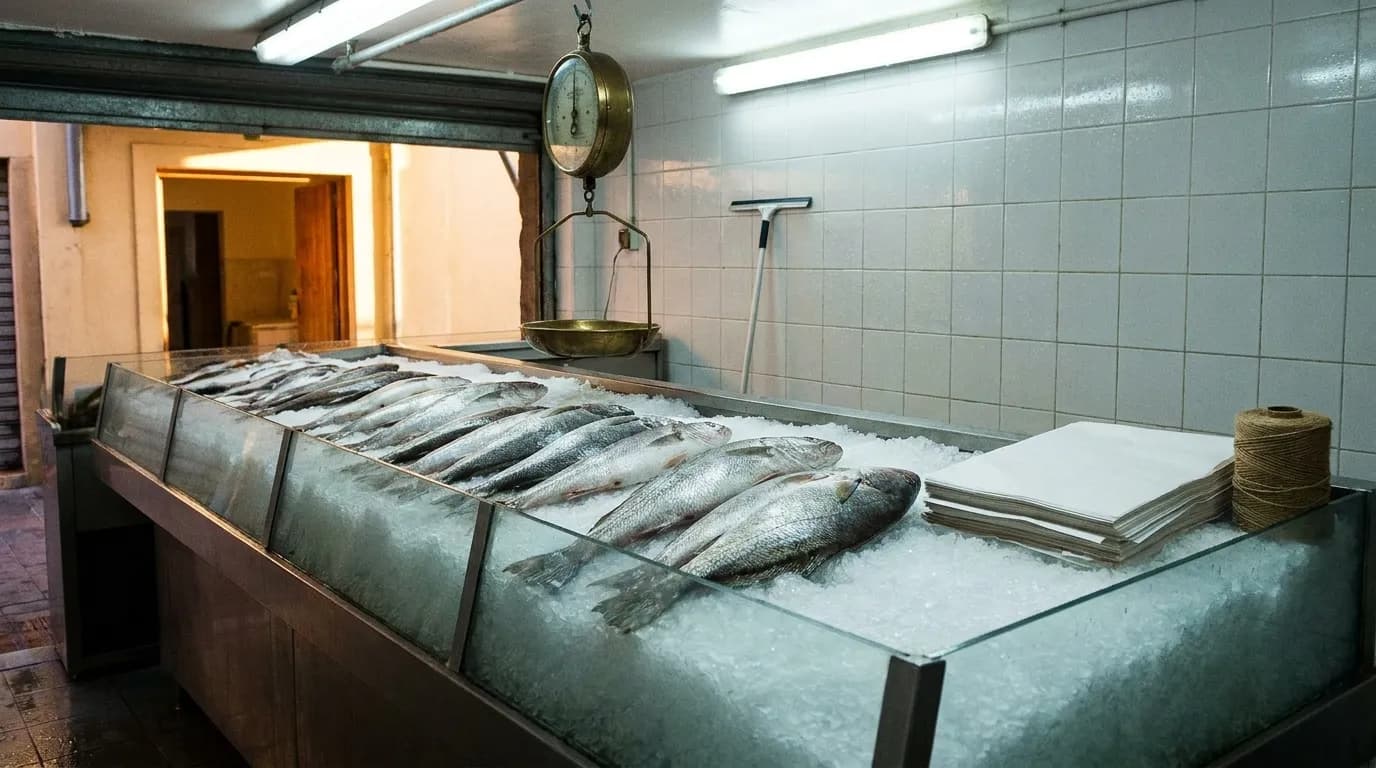
Stone crab is a strictly seasonal fishery in Florida, running from mid-October to early May, and anything advertising it outside that window is frozen from the last season — which is fine, but should be reflected in the price. Snapper, grouper, hogfish and mahi-mahi are the local staples worth ordering; grouper in particular is widely substituted, so buy it where you can see the whole fish. At a market counter the test is simple: clear eyes, firm flesh, a smell of the sea rather than of fish, and a counter that is wet and cold and busy. Cash still moves faster at several of these places, portions are larger than they look, and the fry counters are all better between noon and three than they are at six.
Buying Fish to Cook Rather Than to Eat
Every counter in this article is primarily a fish market, and buying raw is where the real value sits. A whole snapper bought at the market and cooked at home costs a fraction of the same fish on a plate three miles east, and the staff will scale, gut and butterfly it for you at no charge if you ask — say entero, limpio if you want it cleaned whole, or ask them to butterfly it for the pan. Shrimp here are usually sold head-on and by the pound, and head-on is worth the extra work because the heads make a stock that is the base of half the dishes on the neighbourhood's menus. Go in the morning, when the day's delivery has just been laid out and the selection is complete; by late afternoon the good pieces are gone and what remains has been on ice all day. Bring a cooler if you are driving any distance, which in this climate is not fussiness but a genuine requirement.
Tags: #LittleHavana #Miami #Seafood #CubanFood #LaCamaronera #MiamiRiver #FishMarket #CalleOcho #HiddenGems #CheapEats #Florida #Snapper #StoneCrab #LocalGuide
Sources consulted: lacamaronera.com · garciasmiami.com · miamiandbeaches.com · myfwc.com
All trademarks are the property of their respective owners.
Ask Karpo first
Fish counters run on what came in that morning and close far earlier than restaurants. Ask Karpo in iMessage which of these is open near you right now, what is fresh today, and which counter is worth the drive at the hour you are going.