 Mediterranean Food Near Me in Fort Greene: Miss Ada's Garden and Hummus
Neighborhood Guides
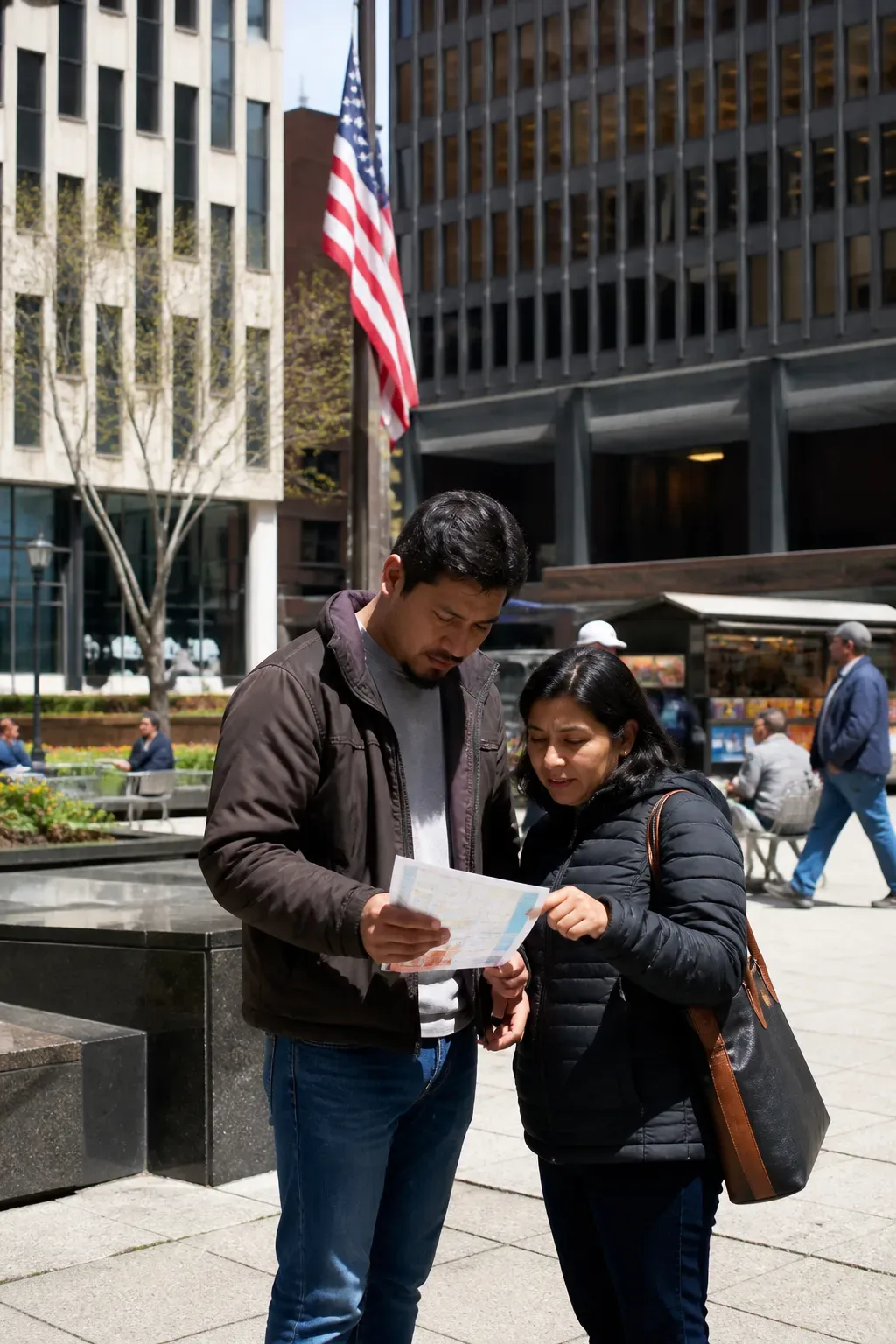
u.s. department of homeland security: Federal Plaza Neighborhood Civic Tour
A weekday morning service route for families approaching Federal Plaza with documents, backup time, and a calm plan. Use it to organize transit checks, waiting options, legal support questions, and post-appointment next steps without assuming hours or walk-in availability.
A weekday morning visit connected to the u.s. department of homeland security can feel different from an ordinary civic errand because the stakes are personal, the paperwork is exacting, and the day may involve waiting, translation needs, or a family member who is there for support. Around Federal Plaza, the useful plan is not a sightseeing loop but a service route: confirm where you are going, decide how you will arrive, prepare a patient waiting strategy, and know what kind of help you may need before or after the appointment. This guide is for NYC residents handling immigration-related services, FEMA assistance questions, TSA PreCheck enrollment tasks, or nearby civic paperwork. It avoids guessing office details and instead focuses on verification steps, route choices, public-space backups, and practical tradeoffs that help a family stay prepared.
Text Karpo which DHS service you're accessing, whether you need translation or legal support, and your appointment time—we'll map your Federal Plaza route with the closest legal aid clinic, one nearby cafe with restrooms and charging where you can prep or decompress, and a backup public library if you need to print documents last-minute.
Start With the Appointment, Not the Map
Federal Plaza can pull several errands into one mental bucket, but your first job is to separate them. A DHS-related appointment, a legal-aid consultation, a translation task, and a document-copy stop may each have different rules, entry expectations, and timing. Before leaving home, match every document to the specific service you are pursuing, then place the most essential papers in a folder that can be opened quickly. If a family member is coming, decide who will carry identification, who will hold backup copies, and who will manage phone access. The goal is to reduce decisions at the door, where stress and security procedures can make small uncertainties feel larger.
A high-difficulty service route works best when you build in permission to pause. Do not treat the first arrival point as the only important destination; treat the whole morning as a chain of decisions. If the appointment moves slowly, you may need to skip the secondary errand. If a document is missing, you may need a quiet place to call, translate, or reschedule. For anything connected to the u.s. department of homeland security, verify the current appointment instructions directly before travel rather than relying on memory, old screenshots, or a friend’s recent experience. Federal processes can be precise, and a prepared plan protects the rest of the day from one wrong assumption.
Build a Transit Plan With Failure Points
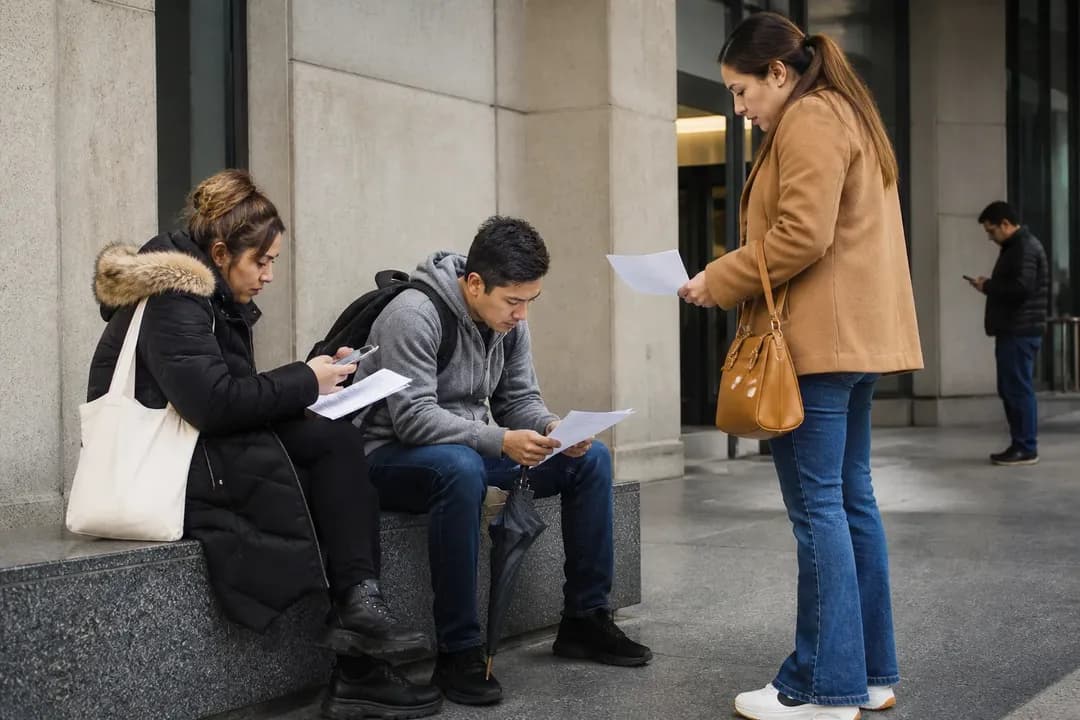
For most NYC residents, transit is the realistic starting point, but it should be checked like part of the appointment. The MTA offers schedules, maps, fares and tolls information, planned service changes, elevator and escalator status, accessibility resources, service alerts, and nearby station or stop tools. Use those checks the night before and again before leaving, especially if a family member has mobility needs, anxiety around transfers, or limited time away from work or school. A weekday morning route can look simple on a map and still become difficult if planned work, crowding, or an elevator issue changes the actual path.
Choose between the fastest route and the most reliable route on purpose. The fastest option may have more transfers or tighter walking timing; the reliable option may take longer but keep you on lines or stops that are easier for your family member to understand. If accessibility is part of the plan, check elevator and escalator status rather than assuming a station will work as expected. If paratransit is relevant, the MTA provides Access-A-Ride trip booking and management resources, but that still belongs in advance planning, not a last-minute rescue. Also decide what happens if you arrive too early: a nearby sidewalk wait, a public building wait, or a brief reset before entering.
Choose Support Services by Need, Then Verify
Legal aid, translation help, and document support are often the difference between a confusing morning and a manageable one, but this guide should not be used as a directory of guaranteed providers. Instead, make a short support list by need. One person may need immigration legal advice before speaking with an agency. Another may need help understanding notices, preparing copies, or communicating with a family member who cannot attend. A FEMA-related question may require a different preparation path from TSA PreCheck enrollment. Write the exact question you need answered, then contact the organization directly to confirm whether they handle that topic, language, format, and timing.
This is where families should resist the temptation to over-schedule. A legal-aid clinic, translation service, and federal appointment in one weekday morning may be too much unless each step is confirmed and physically close enough for the person who is actually traveling. If a provider offers remote screening, that may be easier than adding another stop near Federal Plaza. If the family member is mainly there for emotional support, give them a defined role: hold the checklist, track time, keep the phone charged, or take notes after conversations. Prepared does not mean packed with errands. It means each stop has a reason, a verification step, and a fallback.
Waiting Areas Need a Backup Plan
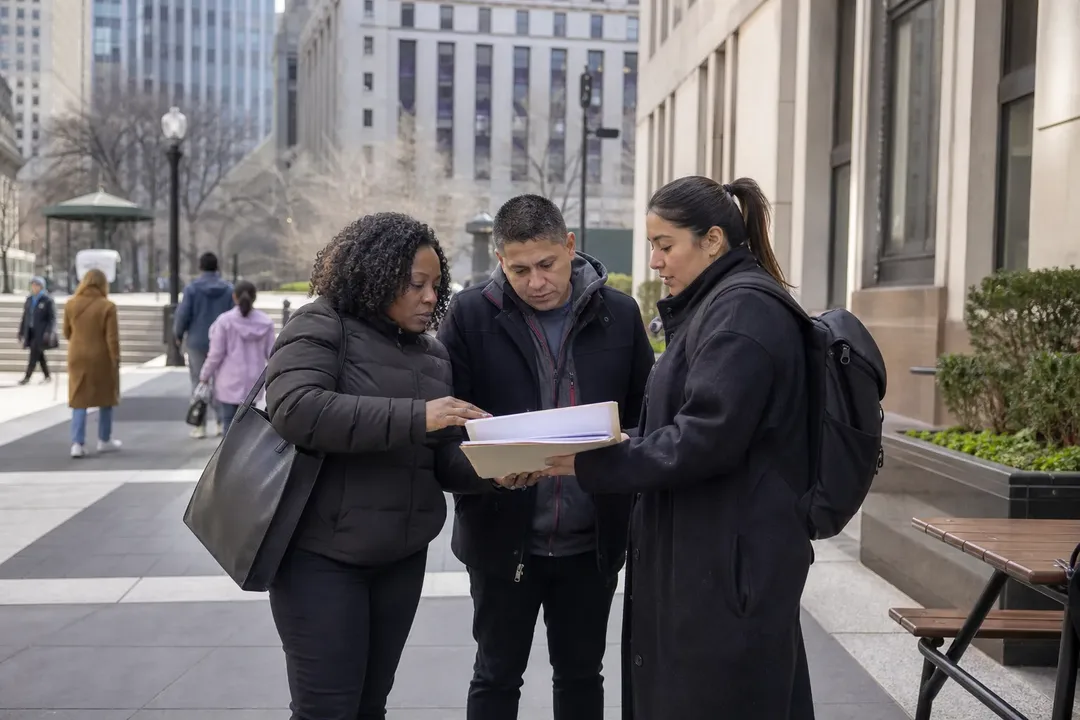
Waiting is part of the route, but it should not be treated as empty time. Before the morning begins, identify public places where you could sit, make a quiet call, review documents, or step away briefly if the day becomes tense. Do not assume any specific restroom, charging outlet, seating area, or public room will be available without checking current rules and conditions. NYC public resources can be useful planning anchors, but availability can change by building, date, event, or maintenance need. The best approach is to choose two or three possible waiting options, then verify the one most important to your family’s needs before relying on it.
Food and restroom planning also matters more than it sounds. A family member who is hungry, managing medication, caring for a child, or waiting through a long appointment needs a practical plan, not a vague promise to find something nearby. NYC’s ABCEats restaurant tool exists for searching restaurant inspection information, which can help residents make more informed food choices when they are already comparing nearby options. For parks and library event pages, use them only as official starting points for current public information; do not infer a program, restroom, or seating detail from the page name alone. The useful habit is simple: search, confirm, then decide.
Leave With Records and a Next Move
The service route is not finished when you exit the building or leave the neighborhood. Before going home, take five minutes to record what happened while the details are still fresh. Note the date, the service type, any receipt or reference number, the next deadline, and what documents were accepted or missing. If instructions were given verbally, write them in plain language and mark what still needs confirmation. Families should agree on one shared version of the next step, because misunderstandings often appear later when each person remembers a stressful appointment differently. This is especially important for complex matters involving federal services, benefits, or identity checks.
A strong Federal Plaza plan is calm, narrow, and honest about uncertainty. It does not promise that the morning will be quick, that support services will be available on demand, or that every public space will meet every need. It gives residents a way to move through an important civic errand with fewer avoidable surprises: verify the official appointment, check MTA route conditions, prepare documents, identify support needs, confirm waiting options, and leave with records. For a family member companion, the best help may be steady logistics rather than advice. That is the shape of a prepared neighborhood guide: less guessing, more confirmation, and enough flexibility to handle a hard weekday morning.
Tags: #NYC #FederalPlaza #NeighborhoodGuides #CivicServices #FamilyPlanning #TransitPlanning
Sources consulted: Source 1: nycgovparks.org · Source 2: new.mta.info · Source 3: nypl.org · Source 4: a816-health.nyc.gov
All trademarks are the property of their respective owners.
Ask Karpo first
Ask Karpo to turn this NYC idea into a current plan for your date, budget, companion, transit preference, and energy level. Karpo can narrow the route and flag what to verify before you go.
Ask Karpo for more information.
Keep reading
- Mediterranean Food Near Me in Fort Greene: Miss Ada's Garden and Hummus
 Places To Eat Near Me in Chelsea: The Market Fills a Nabisco Factory
 Seafood Near Me in the East Village: The Mermaid Inn's Dollar Oysters