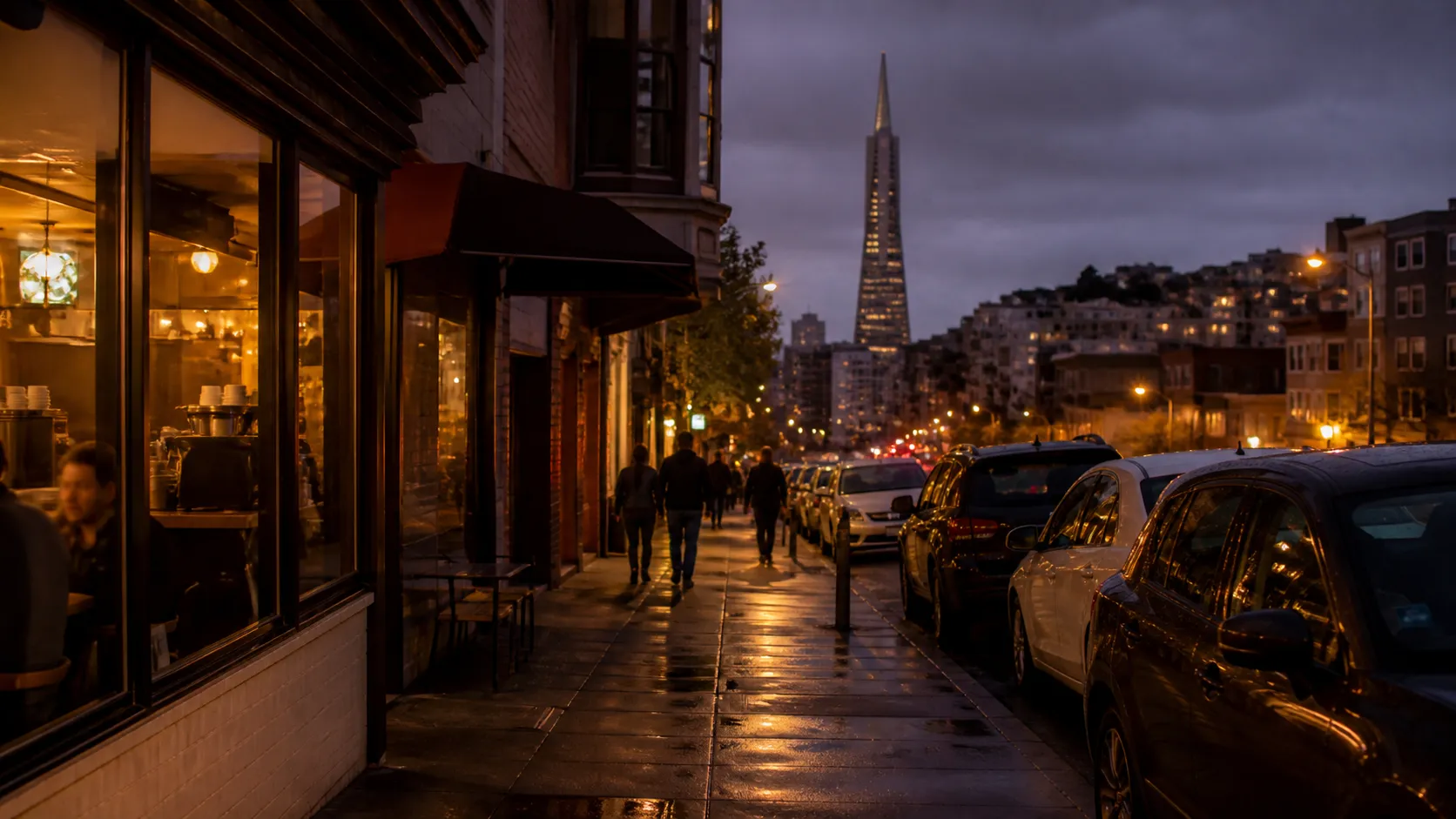
When a Twins fan lands in San Francisco for work and discovers a coworker shares the same leisurely anticipation for twins vs royals matchups, the instinct is to search for the nearest sports bar with a good screen. But what if that weekday lunch-to-afternoon window became an opportunity to learn baseball scorekeeping instead—a skill that deepens every future game, whether you're tracking Minnesota's lineup or Kansas City's bullpen moves? This guide reframes the search around public library workshops, beginner scorekeeping materials, transit-friendly meetup locations, and the etiquette required to confirm a gathering space that welcomes conversation without disrupting others. Rather than another listicle of venues showing the game, you'll weigh research steps, material tradeoffs, and how to verify that your chosen spot suits two colleagues exploring a new hobby during a workday break.
Text Karpo your starting neighborhood, how much time you have before first pitch, and whether you want card shops or just bars. We'll send a custom Twins vs Royals game-day walk with three stops and timing, plus one backup indoor route if weather turns.

Library Research Desks and Baseball Archive Tradeoffs
San Francisco Public Library branches offer varying hours and neighborhood access, but none guarantee dedicated baseball scorekeeping collections or scheduled workshops on any given weekday. The Main Library at 100 Larkin Street operates Monday and Tuesday 9–6, Wednesday through Thursday 9–8, and Friday 12–6, while branches like Mission (1234 Valencia Street) and Bayview (5075 3rd Street) follow similar patterns with slight evening variations. Your tradeoff begins here: the Main branch provides the largest general sports reference section and staff who can guide you toward scorekeeping primers, but midday crowds may limit quiet table availability; smaller branches like Glen Park (2825 Diamond Street, Monday and Tuesday 10–6) or Bernal Heights (500 Cortland Avenue, same hours) offer calmer environments yet narrower sports holdings. Confirm current hours on the day of your visit, since maintenance windows or special closures occasionally adjust schedules.
To locate beginner scorekeeping books or downloadable scoresheets, approach the reference desk rather than browsing alone—librarians can search the catalog for titles on baseball notation, suggest interlibrary loan if the system lacks recent editions, and point you toward free online resources accessible through library computers. The decision hinges on whether you prioritize breadth of material (Main) or intimacy of space (branch), and whether your coworker prefers a bustling research atmosphere or a neighborhood reading room where questions feel less hurried. Neither guarantees a scorekeeping expert on staff, so prepare to teach yourselves using printed guides or tablet tutorials you bring along.
Public Meeting Etiquette in Shared Spaces
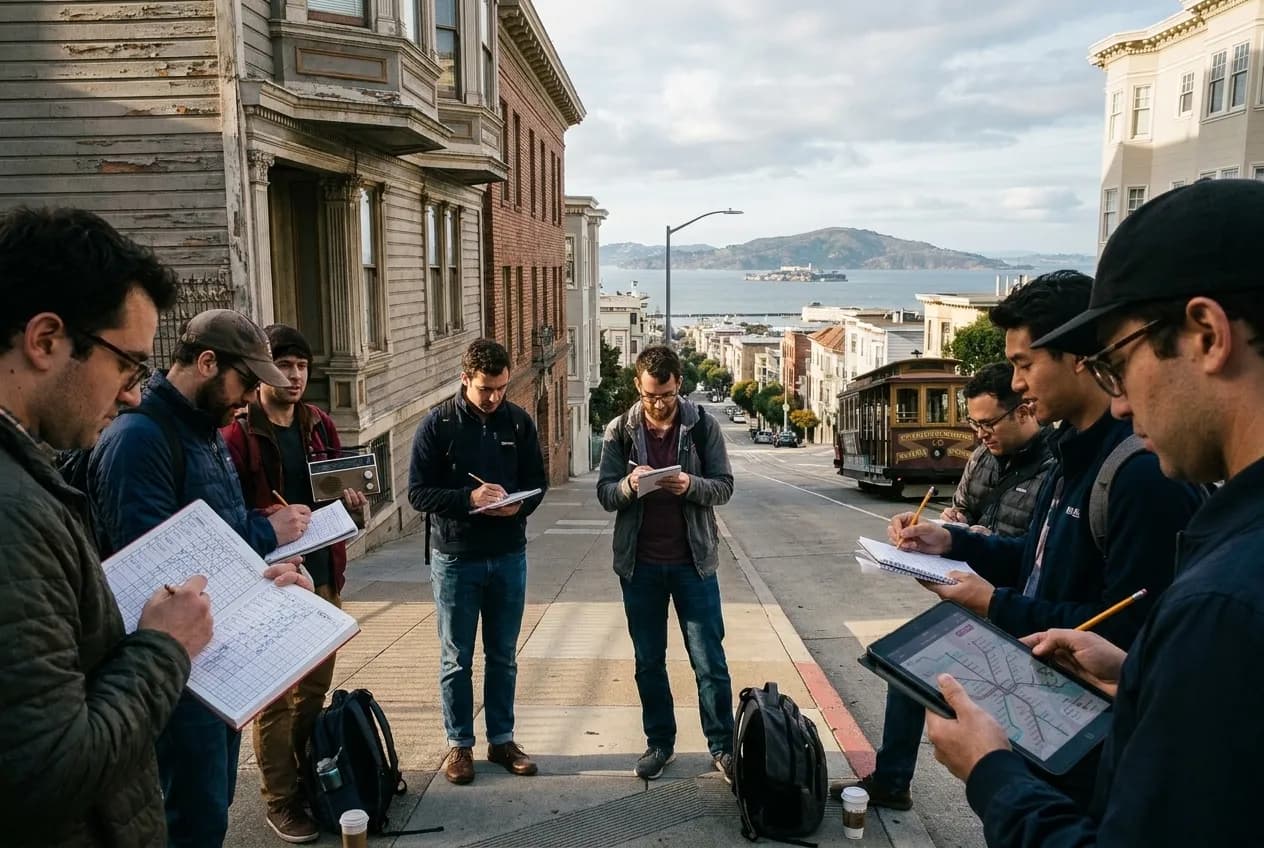
Once you've chosen a library branch, understanding public-space norms prevents awkward encounters and ensures you don't monopolize tables during peak hours. Weekday lunch-to-afternoon slots—roughly 12–3—overlap with students, remote workers, and seniors using branches for internet access or leisure reading, so claiming a four-person table for two people practicing scorekeeping may draw frowns if seating is scarce. Scout the room upon arrival: if multiple tables sit empty, spread out your scoresheets and reference book; if patrons hover near the door scanning for seats, consolidate materials onto a smaller two-person table or offer to share. Library staff rarely enforce strict time limits on non-computer seating, but courtesy dictates rotating out after ninety minutes if others wait.
Conversation volume matters more than duration—scorekeeping involves comparing symbols, debating how to mark a fielder's choice, and occasionally laughing at your own errors, all of which can carry across a quiet room. Whisper or use low tones, and if your coworker needs to take a work call, step into the lobby rather than stage-whispering beside the stacks. Some branches designate group-study rooms, but these typically require advance reservation and may not be available for same-day walk-ins; call ahead to ask whether a small meeting room suits a two-person learning session, acknowledging that policy varies by location and demand.
Beginner Scorekeeping Materials and Format Decisions
Scorekeeping systems range from minimalist box scores to elaborate play-by-play grids, and beginners face an immediate choice: adopt the streamlined Project Scoresheet notation favored by statisticians, the traditional Reisner method taught in older guides, or a hybrid approach that prioritizes speed over detail. Each system codes defensive positions (pitcher = 1, catcher = 2, first base = 3) and outcomes (K = strikeout, BB = walk, single/double/triple/home run as 1B/2B/3B/HR), but they diverge on how to track fielding plays, inherited runners, and defensive shifts. Your weekday afternoon allows time to compare two or three methods side by side—print sample scoresheets from online repositories before your library visit, or photocopy templates from a reference book, then simulate half an inning using a hypothetical Twins vs Royals lineup to see which format feels intuitive.
Pencil versus pen sparks another debate: pencil permits erasure when you misread a play, but smudges across the page during a long game; pen forces commitment and clarity, yet punishes mistakes with cross-outs that clutter the sheet. Bring both, plus a small straightedge to keep lines tidy if your handwriting drifts. Digital scorekeeping apps exist, but they remove the tactile learning that helps beginners internalize the logic of each symbol, and library Wi-Fi may throttle bandwidth during busy periods. The goal is to leave your session confident enough to score a live radio broadcast or a future game at Oracle Park, not to produce a museum-quality artifact, so favor legibility and consistency over perfection.
Transit Routes That Respect Weekday Schedules
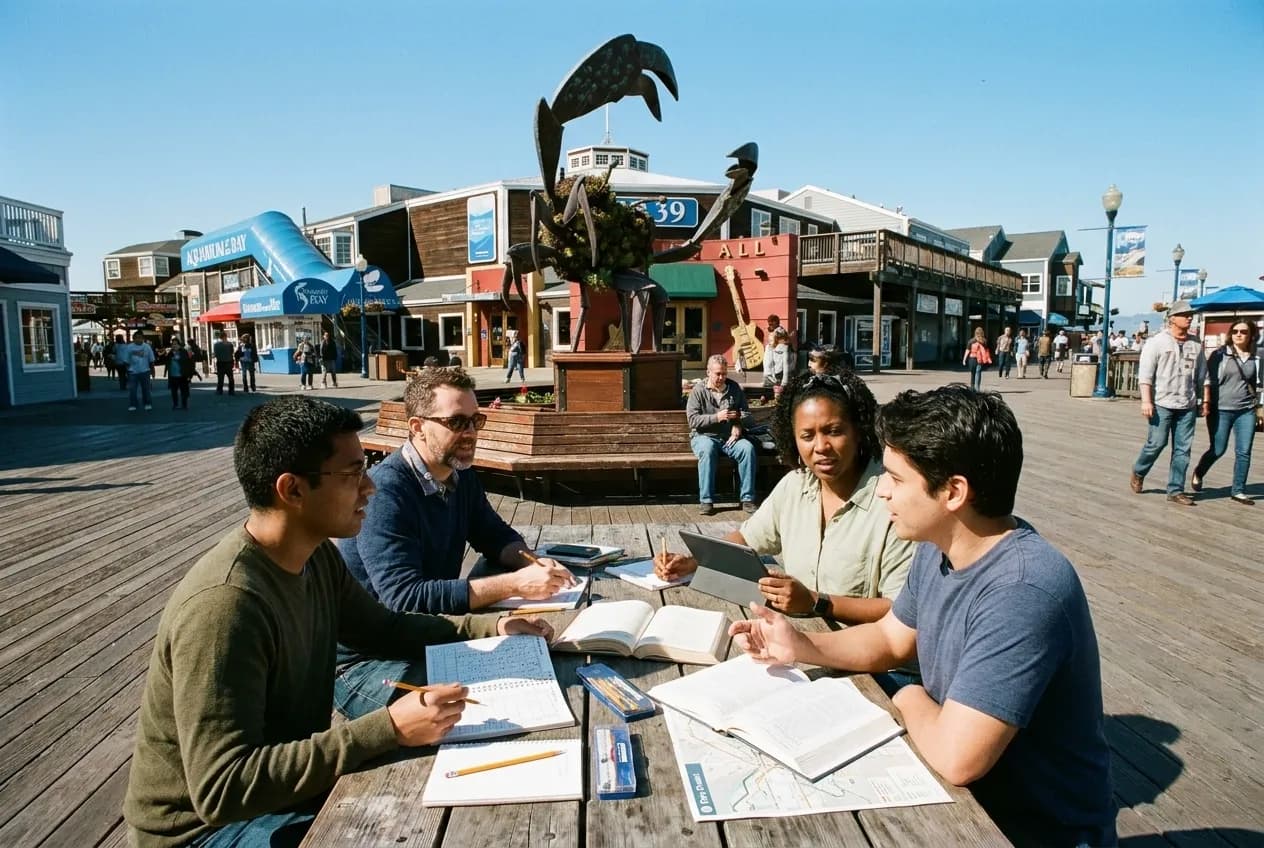
San Francisco's Muni system connects most library branches to downtown work districts, but midday frequency and transfer timing determine whether your scorekeeping meetup feels relaxed or rushed. SFMTA's trip planner at sfmta.com/go accepts start and end addresses, then suggests bus, light rail, or walking combinations; for example, reaching Mission Library from the Financial District might involve the 14 Mission line southbound, while Bayview requires the T Third light rail, which recently received signal upgrades to reduce delays. Weekday midday service typically runs every 10–20 minutes on major routes, but minor lines may stretch to 30-minute gaps, so check the schedule rather than assuming frequent arrivals. If your coworker's office sits near a BART station, consider whether a branch near a BART-to-Muni transfer (like 16th Street Mission for the Mission Library) simplifies the return commute.
Walking segments matter when you're carrying a laptop, lunch, and scorekeeping materials—a route that looks short on a map may involve steep hills or construction detours that add ten minutes and fatigue. Use the trip planner's walk-time estimates as a baseline, then add a buffer if either of you is unfamiliar with the neighborhood. Confirm that your chosen branch lies within a comfortable radius of your afternoon obligations; a Glen Park visit from downtown demands 25–35 minutes each way, which consumes much of a two-hour break, whereas Main Library sits walkable from many office clusters. The tradeoff is transit time versus library ambiance, and only you know whether an extra fifteen minutes on Muni is worth a quieter learning environment.
Confirming a Suitable Gathering Place Without Assumptions
Even after selecting a branch and planning your route, confirmation calls prevent wasted trips—phone the library the morning of your meetup to verify it hasn't closed for an unexpected event, staff training, or facility repair. The official extracts list branch phone numbers: Main is 415-557-4400, Mission is 415-355-2800, Bayview is 415-355-5757, and so forth. Ask whether the branch currently has table space available around your target time and whether any scheduled programs (storytimes, ESL classes, community meetings) will occupy the main reading room. Staff cannot reserve general seating for you, but they can warn you if a popular event will crowd the building, letting you pivot to a backup branch or reschedule.
If the library feels too uncertain, consider outdoor public plazas or parklets near your work location—these lack reference books but allow conversation at normal volume and don't require navigating transit. The tradeoff is weather exposure and the absence of research support; you'll rely entirely on materials you bring. Whichever setting you choose, communicate clearly with your coworker about start time, meeting point, and a backup plan if one of you runs late due to work demands. This preparation transforms a spontaneous "let's watch the game" idea into a structured learning session that respects both your schedules and the public spaces you'll inhabit, ensuring that your Twins vs Royals interest evolves into a repeatable skill rather than a single afternoon's distraction.
Tags: #baseballscorekeeping #SanFranciscoPublicLibrary #Munitransit #beginnersportsskills #weekdaymeetup #publicspaceetiquette #coworkeractivities #urbanwalkingroutes #libraryresearch #sportslearning
Sources consulted: Source 1: sf.gov · Source 2: sfmta.com · Source 3: sfpl.org · Source 4: sf.gov
All trademarks are the property of their respective owners.
Ask Karpo first
Ask Karpo to turn this San Francisco idea into a current plan for your date, budget, companion, transit preference, and energy level. Karpo can narrow the route and flag what to verify before you go.