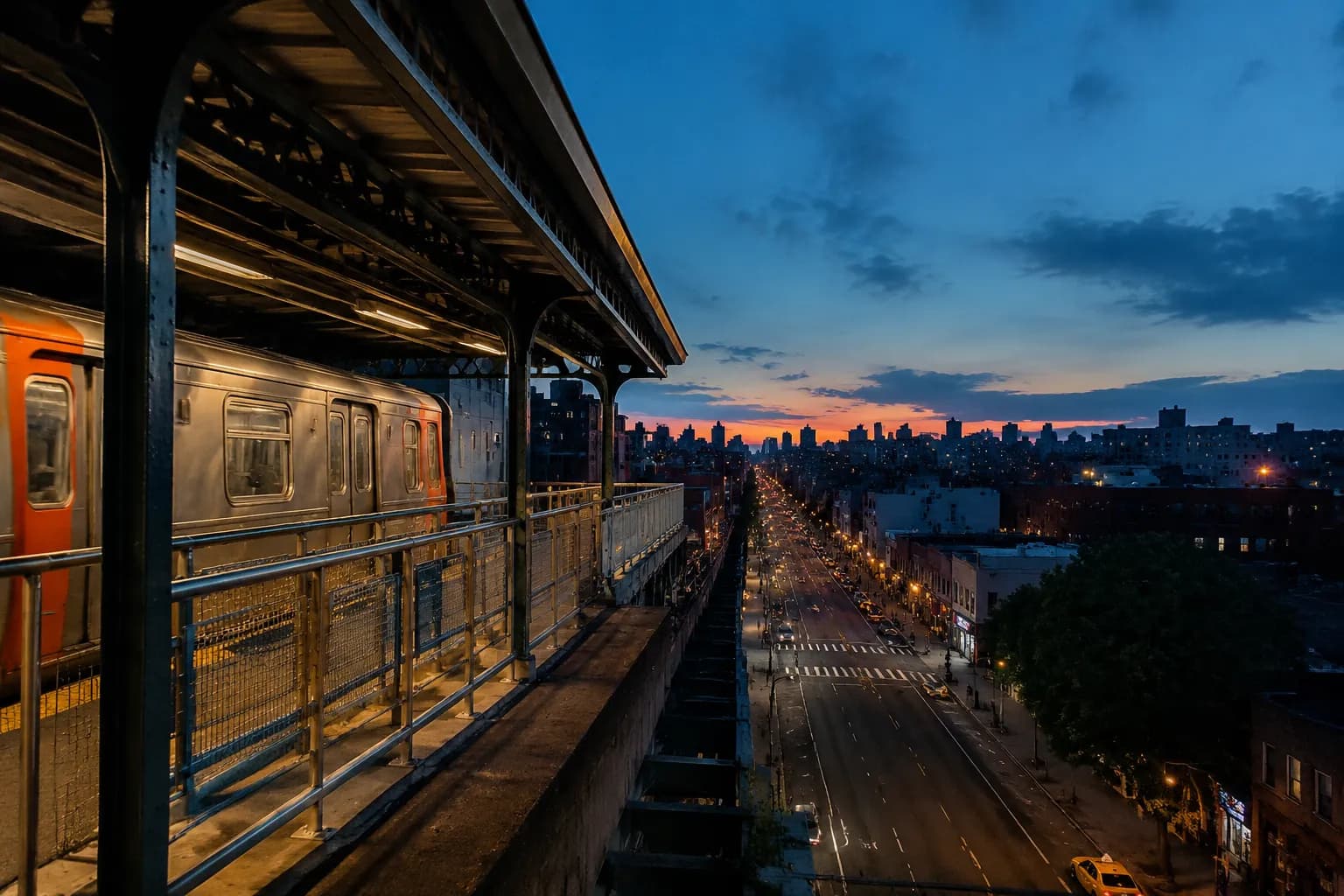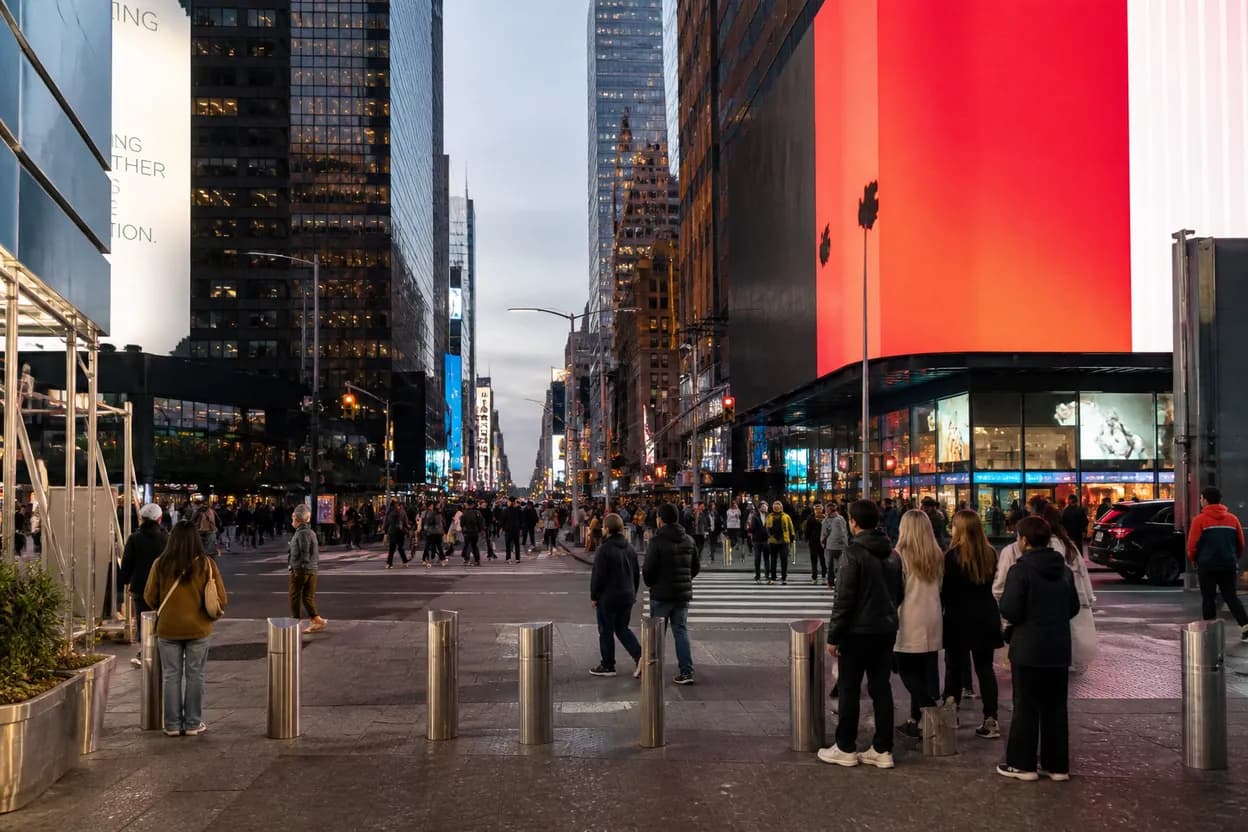
The useful question in NYC is not whether twins vs royals is being talked about; it is where you can responsibly watch it without assuming a special event exists. The City has constant energy, five boroughs, deep nightlife, and plenty of places that may show sports, but that does not make every search result a confirmed watch party. Treat this as a verification-first plan for Friday, August 7, 2026: confirm what is actually on, choose a public room that fits your crowd tolerance, call before traveling, and keep a quiet second option close enough that you can pivot without losing the night. This guide does not claim team affiliation, private access, player appearances, reserved screens, or guaranteed sound.
Want a fast pre-game reality check before you commit to a bar, restaurant, or neighborhood? Text Karpo with the venue link and your timing, and ask what still needs verification.

Confirm what fans can actually watch
Start with the least glamorous step: verify the game, the screen, and the room directly with public-facing sources. If a venue has an official website or social channel, look for current-day language, not an old sports-night post, a generic baseball photo, or a third-party listing. The phrase twins vs royals may be timely, but it is not proof that a New York City venue has scheduled a dedicated watch party.
When you check, separate three things that often get blurred together: whether the venue is open, whether it expects to show the matchup, and whether it will play the sound. A place can be open and full of televisions without making this specific game the main event. If a detail can change, treat it as unconfirmed until the venue itself confirms it.
Use NYC’s official tourism resources as broad context, not as a substitute for venue confirmation. NYC Tourism describes the city as active across attractions, activities, sports, nightlife, dining, and all five boroughs. That breadth is helpful for planning, but it does not guarantee any individual watch party, table, broadcast, or viewing arrangement.
Choose the room by crowd energy
Before picking a neighborhood, decide what kind of room you actually want. A high-energy sports bar can be fun if you want noise, standing-room movement, and a crowd that reacts to every inning. It can also be the wrong choice if you need a seat, clear sightlines, easy conversation, or a low-stress exit. In NYC, the same game can feel completely different depending on the room.
For a louder plan, look for a public venue that presents itself as sports-forward and publishes current information. For a calmer plan, search for a restaurant or bar where televisions are present but not the entire identity of the place. Do not assume a restaurant will change channels on request, and do not assume a bar will reserve audio for baseball if another event has already been prioritized.
Dining can also shape the decision. NYC Tourism’s official site lists NYC Restaurant Week Summer 2026 from July 20 through August 16, with two-course lunches and three-course dinners across all five boroughs starting at $30. If you are pairing dinner with the game, verify the restaurant’s own participation, menu, hours, and whether the bar or dining room has screens before you build the night around it.
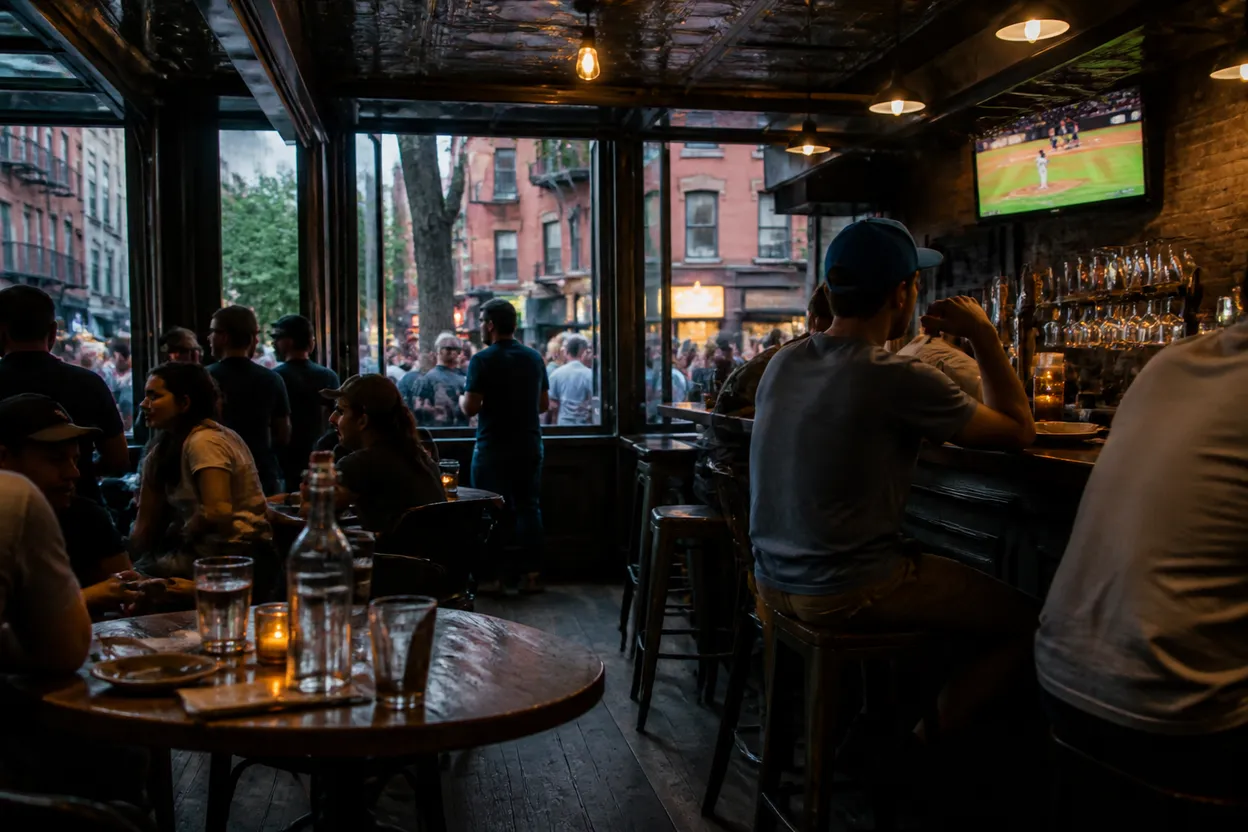
Call ahead about the exact screen and sound
A short phone call can save the entire plan. Ask direct questions: Are you showing twins vs royals tonight? Which area of the venue will have it? Will sound be on? Is there another game or event competing for the main screen? Are tables first-come, reserved, or handled another way? The goal is not to negotiate; it is to learn whether the public setup matches your expectations.
Avoid vague answers. “We usually show baseball” is not the same as “yes, this matchup will be on the front-room screens.” If the person answering cannot confirm, ask when a manager or bartender who controls the screens will be available. In a crowded city, an uncertain screen is a weak anchor for the whole evening.
If you are coordinating friends, write down the confirmed details and share them plainly: venue name, arrival window, screen location if known, sound status if confirmed, and the backup. Do not advertise it as an official watch party unless the venue itself does. That distinction matters, especially when search interest rises and people start repeating unverified plans.
Use transit and seating as tiebreakers
Once two venues look equally plausible, choose the one that is easier to reach and easier to leave. NYC is built around borough-to-borough movement, but a watch plan still lives or dies on timing. Check official transit and service information before you go, especially if you are crossing boroughs, traveling late, or relying on a transfer. Do not base the trip on memory alone.
Seating deserves the same skepticism. A venue may be public and open but still not have the type of access your group needs at game time. If anyone needs a seat, a less crowded room, step-free access, or a shorter walk from transit, ask before arrival. If the venue cannot answer, treat that uncertainty as a real planning factor rather than a minor inconvenience.
Also consider the post-game exit. A packed room near a busy corridor may be perfect for atmosphere but frustrating if you want a clean departure. A quieter venue a few blocks away from the densest nightlife cluster may give up some energy while gaining space, easier conversation, and a simpler move to the next stop.
Keep a quieter second option nearby
A backup is not pessimism; it is the NYC version of being on time. Pick a second public venue before you leave home, ideally close enough that your group can walk or make a simple transit move without restarting the night. The backup should not be another high-risk guess. It should be a calmer room where you have also checked hours, screens, and general access.
The best second option has a different failure profile from the first. If the first choice is a loud sports bar, make the backup a more relaxed restaurant bar. If the first is in a crowded entertainment area, make the backup slightly off the main drag. If the first depends on sound, make the backup acceptable even without sound. That way one surprise does not break both plans.
Share the backup in advance, not after the first plan gets messy. A simple message works: “If the main room is full or not showing the game, we move to the quieter option.” This keeps the group from debating on the sidewalk while the first inning disappears.
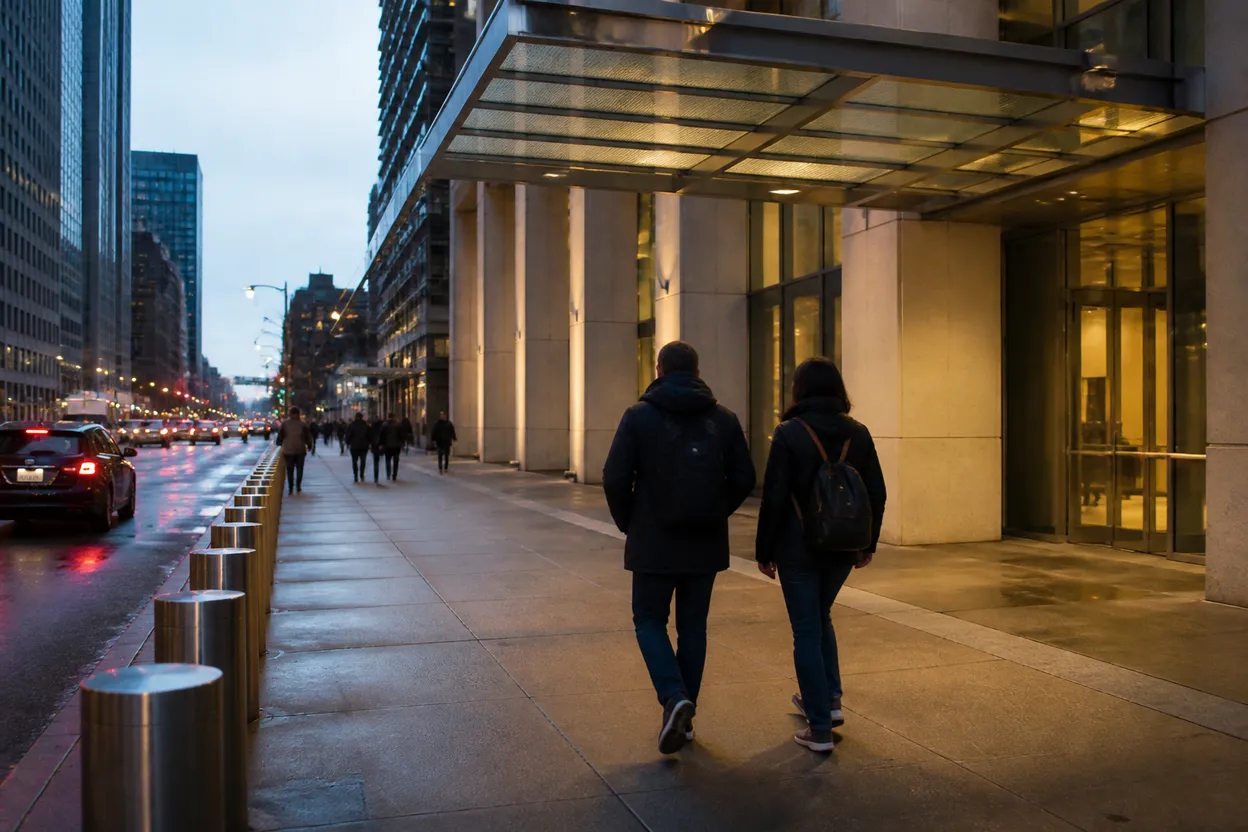
Recheck the plan on game day
Game-day verification should happen in layers. In the morning, confirm that the venue has not posted a closure, private event, or schedule change. A few hours before arrival, call or message again about the exact screen and sound. Shortly before leaving, check official transit or service pages so a delayed route does not turn a reasonable plan into a late arrival.
Keep the tone practical with your group. Say what is confirmed, what is still uncertain, and when you will pivot. For example: “The venue said they expect to show the game, but sound is not guaranteed. If the main room is packed when we arrive, we go to the backup.” That kind of wording prevents a search-driven plan from becoming an overpromised event.
Finally, remember what this plan is and is not. It is a public NYC watch strategy built around a timely baseball search. It is not an endorsement, team event, official party, private-access opportunity, or guarantee that any venue will show a particular broadcast. If you verify the details, arrive with a timing cushion, and keep a quieter option nearby, you give yourself the best chance at a smooth night.
Tags: #twinsvsroyals #NYC #NYCWatchParties #WatchParties #BaseballNight #SportsBarNYC #GameDayPlan #TransitCheck #QuietBackup #Manhattan #Brooklyn #Queens #AskKarpo #BeforeYouGo
Sources consulted: nyctourism.com · new.mta.info · nyc.gov
All trademarks are the property of their respective owners.
Ask Karpo first
Ask Karpo first if a twins vs royals plan looks too vague. Send the venue page, neighborhood, arrival time, and whether you need sound or seating. Karpo can help identify what is confirmed, what is missing, and what to verify before you go.