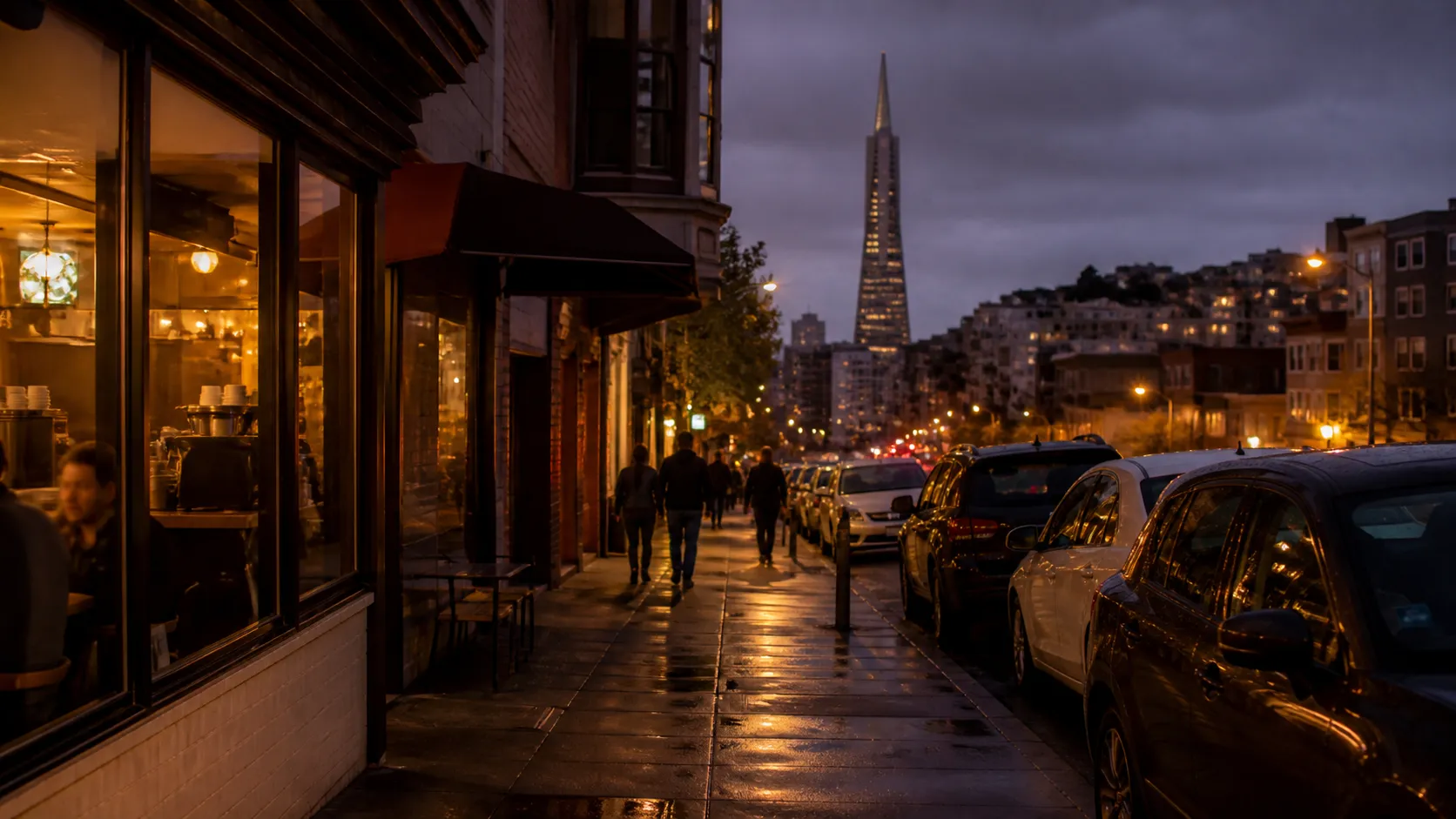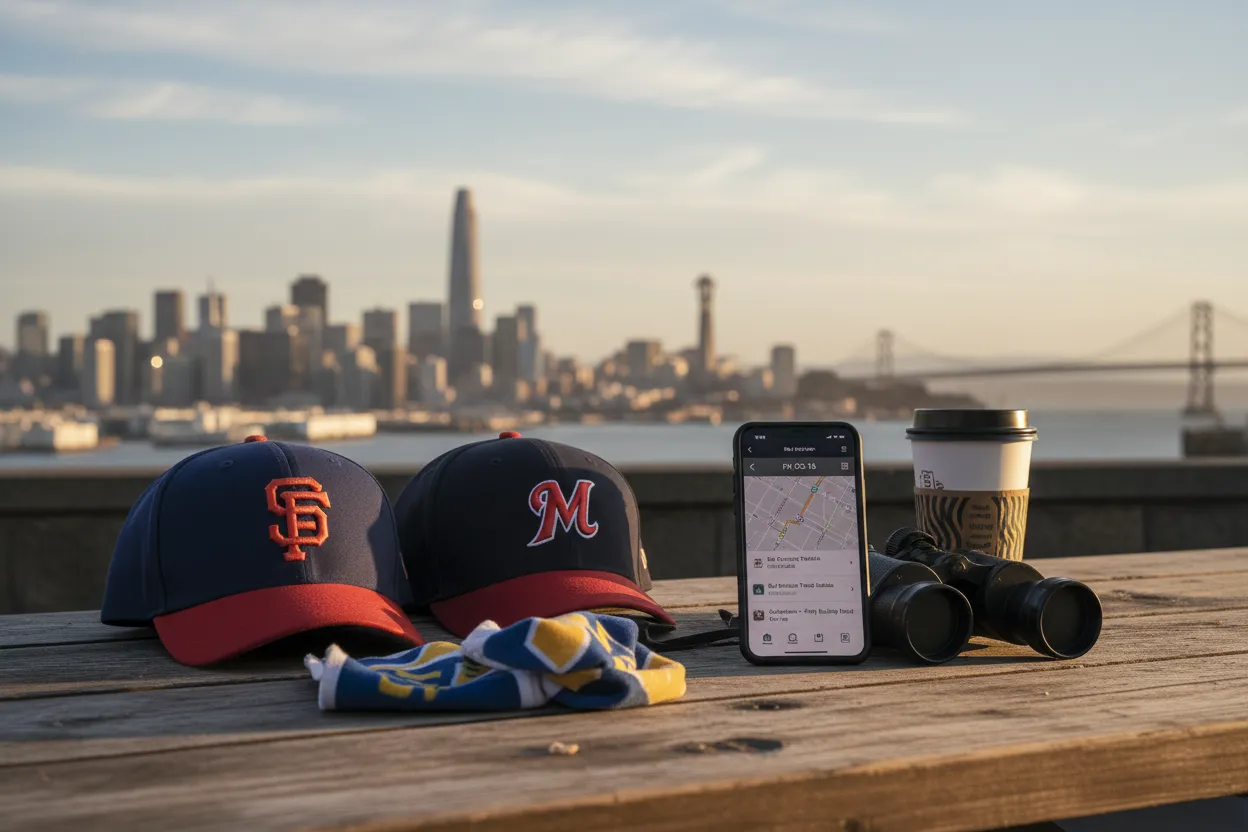
twins vs brewers is a useful search hook for a San Francisco sports plan, but it should not be treated as proof that anything special is happening locally. The smarter move is to turn the attention into a public, low-friction outing: decide whether your group wants to watch, play, or do both; choose a venue type that can handle the mood; and verify transportation, access, and timing before anyone leaves home. San Francisco rewards groups that plan in layers. A bar can be full, a court can be occupied, a transit route can change, and a friend who is new to the city can get lost between neighborhoods. Build the plan around official checks, not assumptions.
Want a San Francisco sports-social plan checked before you commit? Text Karpo with your neighborhood, group size, mobility needs, and whether you want to watch, play, or keep both options open.

Turn the sports interest into a social plan
Start by separating the search interest from the actual plan. A phrase like twins vs brewers can get people talking, but it does not automatically mean there is a sanctioned San Francisco event, a local team tie-in, a guaranteed viewing setup, or any private access. Treat it as the excuse to gather, then build the outing from public, verifiable pieces: where to meet, how to get there, what the group can do if the first choice is crowded, and how late people are willing to stay.
For a citywide plan, pick a simple sequence. Meet near a transit-accessible commercial corridor, watch or follow the game only where the venue publicly supports that use, then move to a public recreation option if the group wants activity after sitting. If the activity depends on a park, court, field, or recreation facility, check the San Francisco Recreation and Park Department site before relying on it, because access, maintenance, reservations, and program details can change.
Choose participation or spectating first
The first real decision is not the neighborhood; it is the role of the group. Spectating favors conversation, seating, screens, and predictable arrival times. Participation favors daylight, equipment, clothing, and a looser social pace. Mixing both can work, but only if the group agrees on the priority. If half the group expects to sit and talk while the other half expects to run drills, the outing will feel disorganized before it starts.
A clean San Francisco version is to choose one anchor and one optional add-on. If spectating is the anchor, tell people the meet time, the backup meet point, and whether the post-game activity is casual. If participation is the anchor, define the minimum equipment and the latest time the group will switch to food or drinks. Avoid promising that a public court, field, table, or facility will be available unless the official source confirms the relevant access details for that day.
Beginners usually do better when the plan names the intensity in plain language. “Casual catch,” “walk-and-talk after the game,” or “low-stakes pickup if space is open” is clearer than “sports day.” The goal is to make the social part as intentional as the sports part.
Match the venue to the group energy
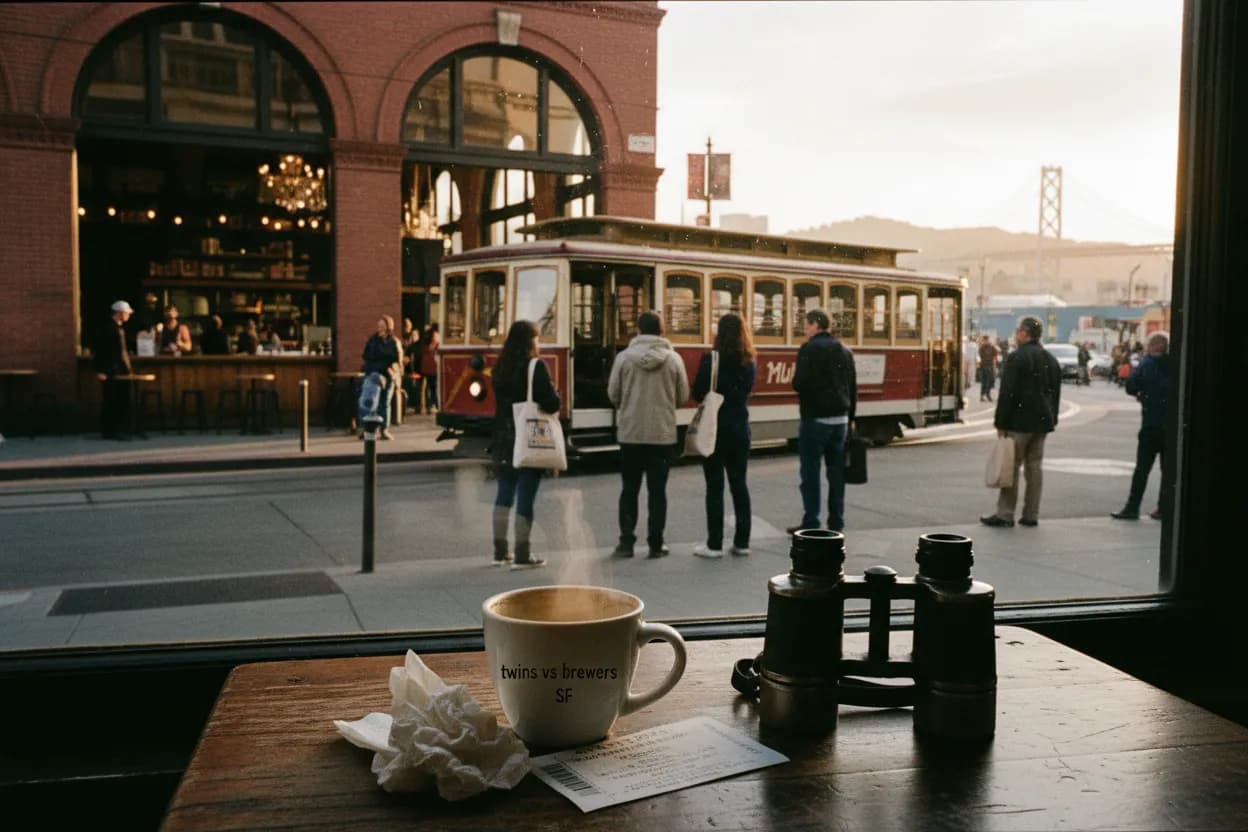
San Francisco groups often fail by choosing the most exciting-sounding place instead of the most appropriate one. A loud viewing room may be perfect for committed fans but rough for a mixed group trying to reconnect. A public park can be better for flexible conversation, but it requires more advance thinking about weather, equipment, restrooms, and whether the intended activity is allowed or available. Keep the venue matched to the social goal.
For a high-energy group, look for a public-facing place that already handles sports crowds and verify its current hours and any rules directly with the venue before relying on it. For a quieter group, consider a meet-up that starts with a walk, coffee, or casual food before any game-related stop. For a mixed group, set a midpoint time when people can leave without guilt. That matters in San Francisco, where neighborhood-to-neighborhood travel can feel easy on a map but slower in real conditions.
Do not frame the outing as affiliated with a team, league, venue, or city agency unless an official source says so. The safer language is simple: a public sports-social plan inspired by current baseball interest, with details checked before departure.
Plan equipment seating and transit early
Equipment and seating are the two details people notice only when they go wrong. For participation, name what each person should bring and what the group will not provide. For spectating, ask whether people need seats, low noise, wheelchair-accessible routes, or an easy exit. If a venue or recreation site has specific access information, verify it on the official page rather than assuming it will match a previous visit.
Use SFMTA before leaving, not after the group is already standing on a corner. The agency’s official site includes a Trip Planner with options for Muni, biking, walking, driving, and parking-related planning. It also points riders to Muni routes and stops, visitor transportation information, accessibility resources, travel and transit updates, and Muni Metro elevator status. Those checks are practical for a citywide outing because delays, reroutes, elevators, and street conditions can affect who actually arrives on time.
Make the transit plan readable. Send the nearest stop, the walking segment, the meeting side of the street, and the backup arrival point. If someone plans to drive, avoid guaranteeing parking. If someone uses mobility equipment, do not rely on memory; check current accessibility and elevator information through official transportation resources.
Keep beginners from feeling stranded
A sports-social plan should not quietly punish people who do not know the sport, the neighborhood, or the transit system. Assign one person to be the contact for arrivals, and share a simple message: what the group is doing now, where to meet if late, and when the plan changes. This is especially important when the outing is built around a timely phrase like twins vs brewers, because some people may join for the social plan rather than the matchup itself.
For beginners, build in roles that are not embarrassing. Someone can keep score casually, choose the next food stop, hold a table if the venue allows it, take the first walk lap, or sit out the competitive part. If you are using a public recreation space, avoid pressuring anyone into play until the group has confirmed the setting is appropriate and open for that use.
The backup choice should be decided before the first plan fails. Pick a second public meeting option within a manageable transit or walking distance, and define the trigger for switching: no seating, too crowded, weather, unavailable facility, access issue, or transit disruption. A backup is not pessimism; it is how a city plan stays social.
Verify schedules before leaving
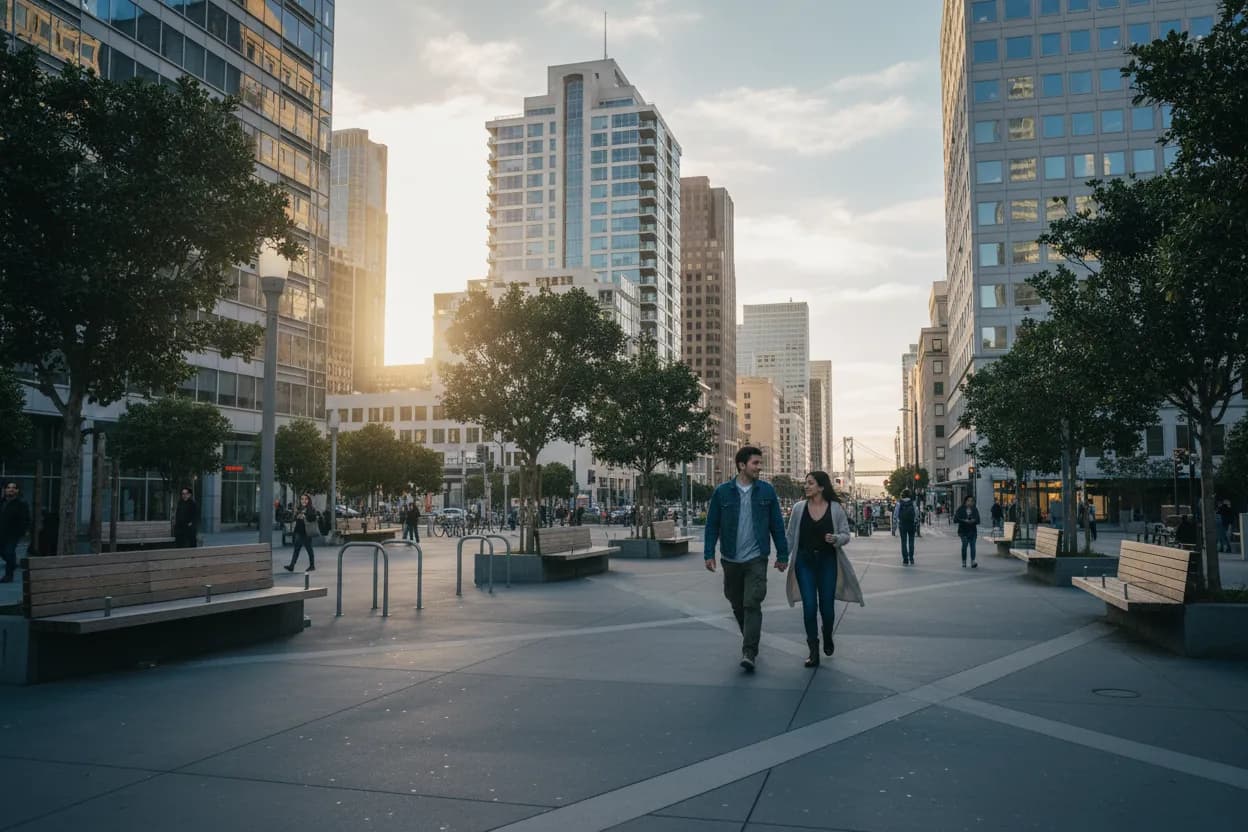
The final check should happen the same day. Confirm the game timing from a source you trust, confirm any venue hours or viewing plans directly with the venue, and confirm recreation details through the San Francisco Recreation and Park Department if your plan depends on a public park or facility. If an official page is unavailable or slow to load, treat that as a reason to double-check by another official channel rather than guessing.
Check SFMTA for current travel information close to departure. The official site displays alerts and travel updates, and those can change quickly. If a route, elevator, or street condition matters to your group, share the update with everyone instead of assuming each person will find it. For city services and transportation help, SFMTA’s page also lists 311 contact information, including an outside-San-Francisco number and TTY number.
End with a go/no-go message: primary meet point, backup meet point, transit note, access note, and the time the group will reassess. That one message prevents the most common San Francisco failure mode: everyone technically has a plan, but no one has the same plan.
Tags: #AskKarpo #BeforeYouGo #SanFrancisco #SFSports #SportsSocial #Muni #SFMTA #PublicTransit #GameDayPlan #WatchParty #PickupSports #SFRecPark #CityPlanning #CrowdCheck
Sources consulted: sftravel.com · sfmta.com · sfrecpark.org
All trademarks are the property of their respective owners.
Ask Karpo first
Ask Karpo first if your twins vs brewers plan depends on timing, transit, seating, accessibility, or a public recreation site. Send the neighborhood, group size, preferred activity, and backup tolerance, and Karpo can help turn the idea into a verified San Francisco plan.