New York City’s historical significance as an industrial powerhouse forms a compelling backdrop for today’s urban exploration. While the phrase "turbine blade" might evoke images of heavy machinery and specialized manufacturing, New York’s industrial legacy extends far beyond any single component. From the shipyards that once lined the Brooklyn waterfront to the garment factories of Midtown Manhattan, the city’s neighborhoods tell fascinating stories of transformation. Today, these areas showcase an impressive blend of preserved architecture and new uses, inviting visitors to walk streets where factory whistles once sounded. As modern apartments, art studios, and parks replace warehouses, locals and newcomers alike can experience how innovation breathes new life into the city’s foundations. This guide offers a detailed look at five distinct neighborhoods, each representing a chapter in NYC’s industrial evolution, alongside tips for making the most of your journey through these storied streets.
Ready to discover New York City through its industrial heritage? Use official resources like the MTA and NYC Parks to plan your route, and check NYC Tourism for neighborhood highlights. Lace up your walking shoes—these transformed districts reveal their best stories on foot.

Red Hook: Waterfront Warehouses to Creative Spaces
Red Hook, Brooklyn’s southwestern tip, was once a bustling shipping hub peppered with warehouses and docks. Here, the echoes of industry linger in the brick facades and cobblestone streets, where cranes once unloaded cargo. Today, Red Hook’s expansive spaces have attracted artists, makers, and small businesses, breathing new life into these cavernous buildings. As you stroll through the neighborhood, you’ll notice historic structures repurposed into galleries, studios, and local shops, each retaining traces of their industrial roots.
The transformation of Red Hook didn’t happen overnight. After decades of decline following the shift away from maritime commerce, the area slowly reinvented itself. The stabilizing presence of its waterfront and proximity to Manhattan made it appealing to creative entrepreneurs. Unlike NYC’s denser districts, Red Hook’s street grid remains relatively open, allowing visitors to appreciate the scale and design of former industrial complexes. It’s a place where the city’s manufacturing past is tangible at every corner.
Red Hook is best experienced on foot, especially during warmer months when the coastal breeze adds to its charm. Public transit options are somewhat limited, so consider planning your route using the MTA’s trip planner. Be alert to ongoing construction and occasional truck traffic, as some warehouses remain in light industrial use. The neighborhood’s blend of old and new offers a unique perspective on how adaptive reuse preserves history while enabling vibrant contemporary life.
Long Island City: Factories to High-Rise Living
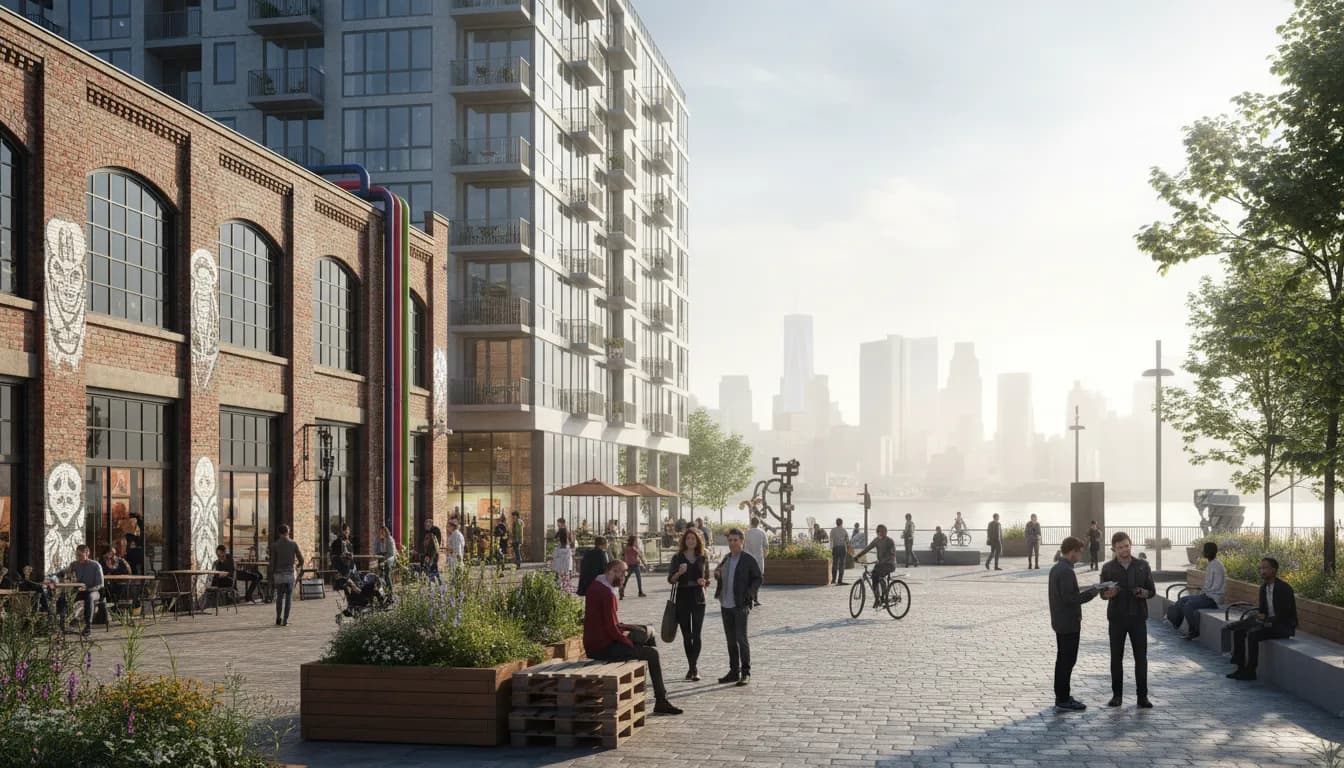
Long Island City (LIC) in Queens stands as a testament to the city’s ability to reinvent its industrial heartland. Once dominated by factories producing everything from paint to power equipment, LIC’s skyline now features sleek residential towers and innovative tech campuses. The transformation began in the late twentieth century, with former factories converted into lofts, studios, and creative workspaces—a reflection of changing economic drivers and urban needs.
While the iconic smokestacks remain as visual reminders, LIC’s industrial character has evolved into a blend of commerce and culture. The neighborhood’s location, just across the East River from Midtown, made it ripe for redevelopment. Wide avenues and repurposed rail yards now host art galleries, museums, and event spaces, drawing both residents and visitors. It’s common to encounter murals and installations that nod to the neighborhood’s manufacturing history alongside modern design elements.
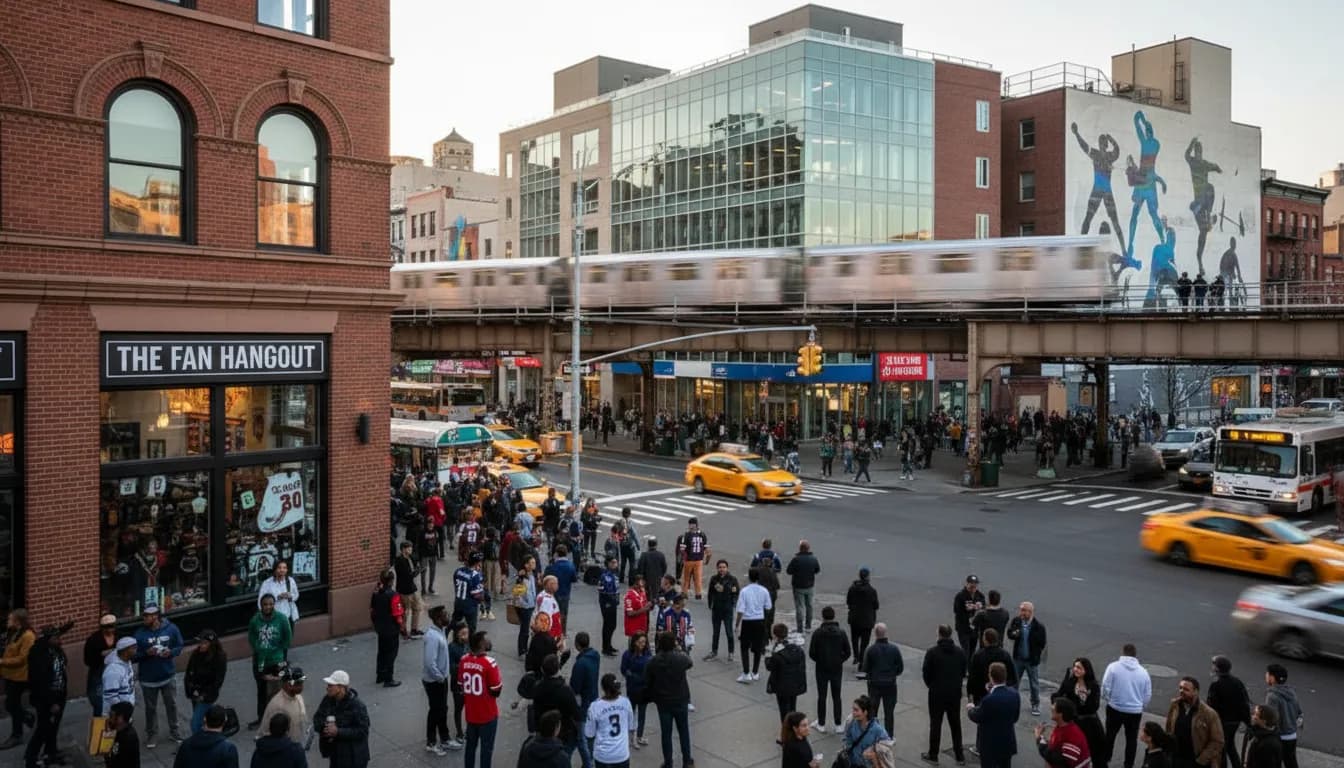
Accessibility is a major asset in LIC, with multiple subway lines connecting the area to Manhattan and Brooklyn. Visitors should consult the MTA website for real-time schedules, especially during weekends when service changes may occur. Walking paths along the waterfront offer excellent views of the skyline, but remain mindful of active construction zones and uneven pavements. LIC’s story is one of resilience, adaptation, and forward-thinking urban design.
SoHo: Iron Architecture and Artistic Renewal
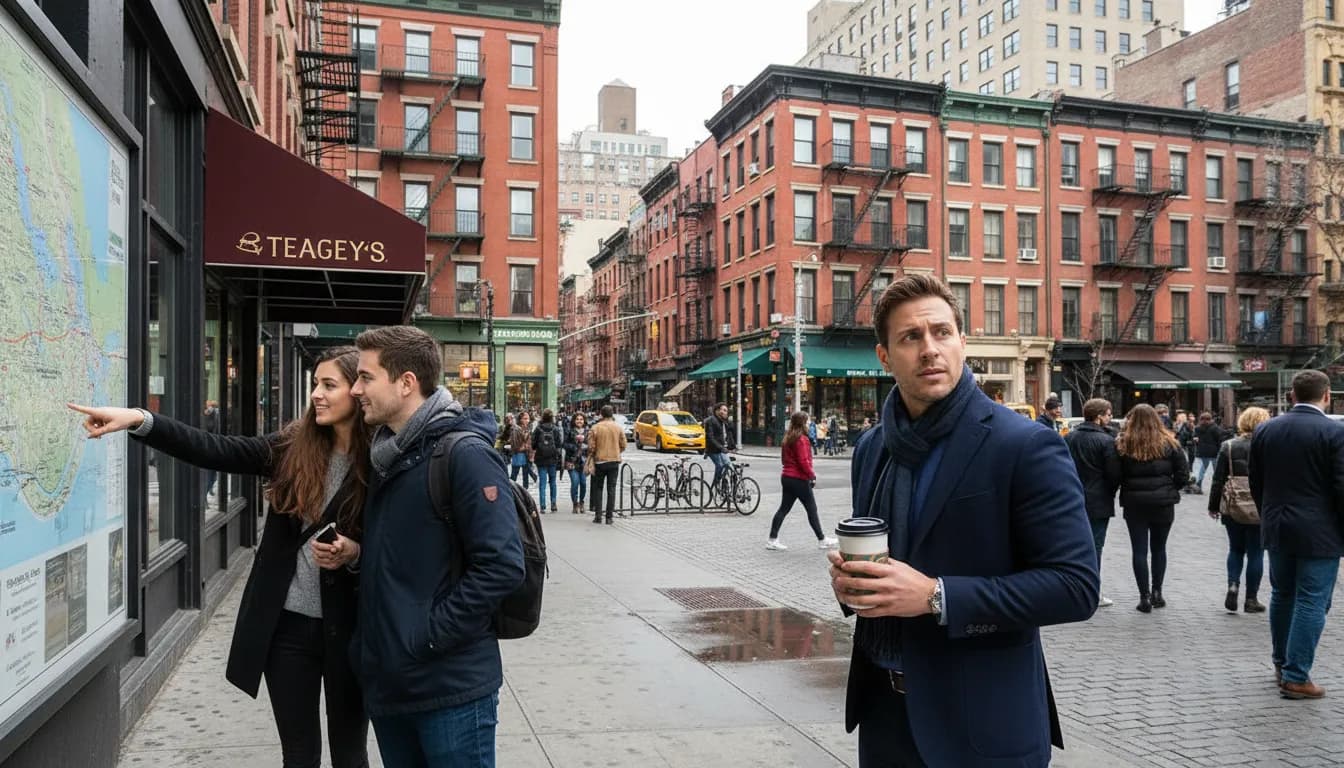
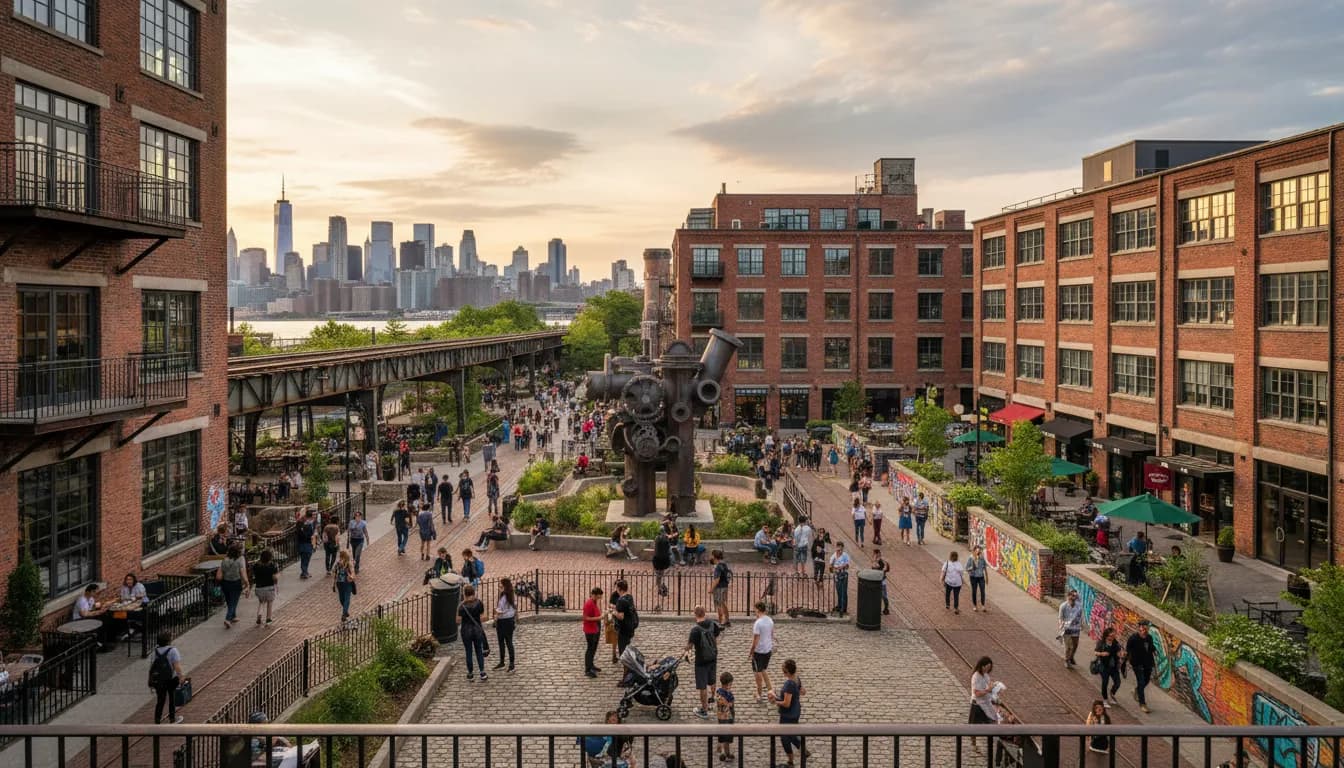
SoHo, short for South of Houston Street in Manhattan, is famed for its cast-iron buildings that once housed textile factories and printing presses. These structures, with their ornate facades and high ceilings, are quintessential symbols of New York’s industrial era. Over the years, as manufacturing moved elsewhere, SoHo’s spacious interiors attracted artists seeking affordable studios—sparking a wave of creative energy that transformed the neighborhood.
Today, SoHo’s cobblestone streets are lined with stylish boutiques, galleries, and eateries, but the industrial core remains woven into the area’s identity. The preservation of cast-iron facades stands as a testament to both artistry and engineering, offering a tangible link to the city’s past. Historic district designations ensure that architectural details endure, even as new uses emerge within these storied walls.
Exploring SoHo is ideal for architecture enthusiasts and history buffs alike. The neighborhood is easily accessible by multiple subway lines, making it a convenient stop for visitors. While the area can be busy, weekday mornings offer a quieter experience. Wear comfortable footwear for the uneven streets, and take time to peer up at the intricate details that make SoHo’s buildings unique in New York.
Gowanus: Canals, Factories, and Urban Renewal
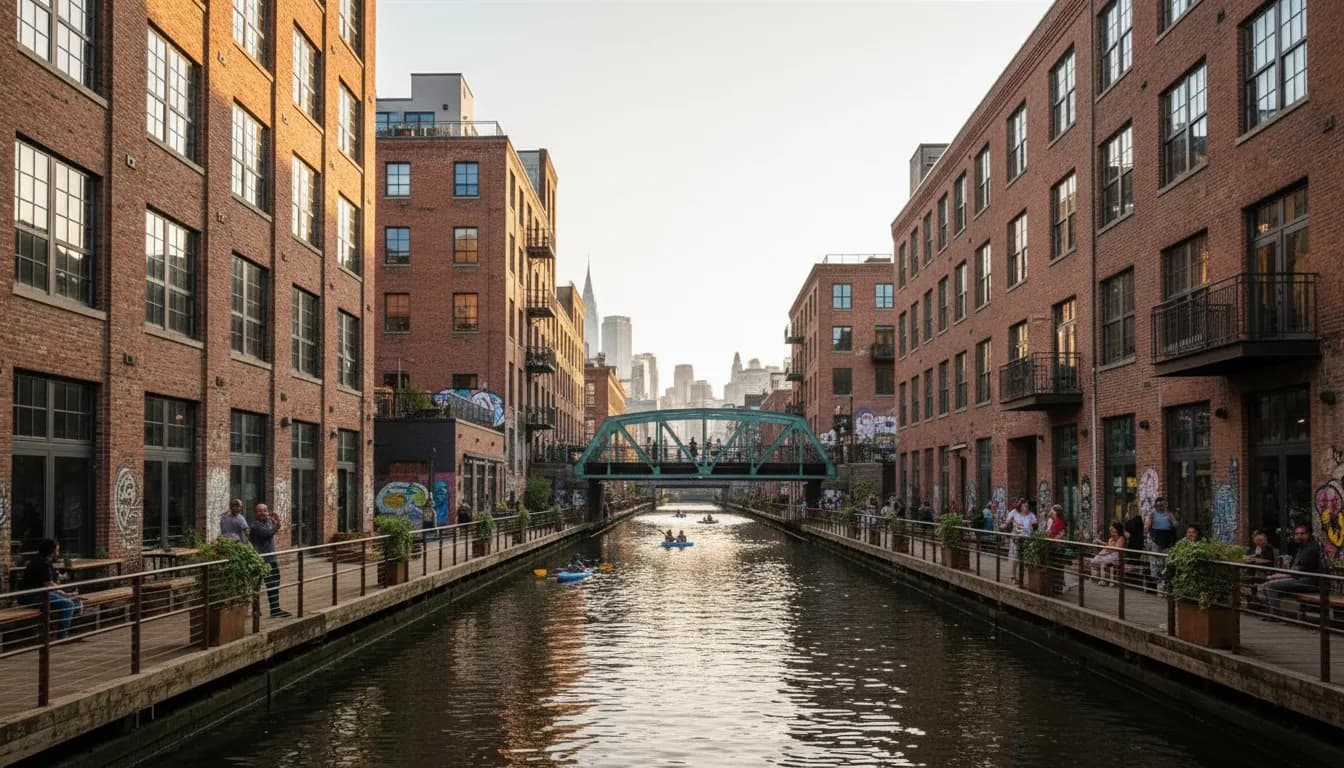
Gowanus, situated between Park Slope and Carroll Gardens in Brooklyn, is undergoing a dramatic transformation. Historically, the neighborhood revolved around the Gowanus Canal, which fueled mills, tanneries, and chemical plants through the nineteenth and twentieth centuries. Environmental challenges from decades of industrial use led to designation as a Superfund site, but recent years have seen significant cleanup efforts and a surge in redevelopment.
Today, Gowanus is a mix of old warehouses, new residential developments, and burgeoning cultural spaces. Former factories now house artist collectives and co-working spaces, while large-scale murals brighten industrial facades. The canal itself remains a central—if sometimes malodorous—feature, attracting urban explorers and photographers interested in the juxtaposition of decay and renewal. Community initiatives focus on balancing growth with environmental responsibility.
Visitors should check local weather before planning a walking tour, as canal-side paths may be muddy after rain. The neighborhood is accessible by subway, with stations nearby offering direct connections to Manhattan and other Brooklyn districts. At street level, keep an eye on construction and active industrial sites, especially near the canal. Gowanus exemplifies how environmental remediation can pave the way for dynamic urban reinvention.
The Bronx: Railroads, Industry, and Green Corridors
The Bronx’s industrial roots are deeply intertwined with its railroads and manufacturing corridors. Areas such as Port Morris and Hunts Point once bustled with warehouses, food distributors, and factories that supplied the entire city. While much of the heavy industry has relocated, the legacy is visible in the robust infrastructure and the adaptive reuse of sprawling warehouse complexes into business incubators and community centers.
One of the Bronx’s most exciting transformations is the development of green spaces along former rail lines and industrial sites. Projects like the Bronx River Greenway have reclaimed neglected land, providing residents with recreational spaces and ecological restoration. These initiatives not only honor the borough’s working-class heritage but also offer new ways to experience the landscape beyond its industrial past.
Exploring the Bronx’s industrial corridors is best done with a plan. Consult MTA schedules to avoid transit delays, and consider the weather, as some greenway trails may close or become slippery after rain. Always be aware of traffic in active warehouse districts. This part of New York illustrates how railroads and rivers shaped the city’s growth and how these same forces are now driving its renewal.
Practical notes
For those planning to explore New York City’s industrial heritage sites, preparation is key. Most neighborhoods highlighted here are accessible by public transit—refer to the MTA’s official website for current schedules, service advisories, and accessibility information. Wear sturdy, comfortable shoes, as walking is the best way to experience the blend of old and new; many areas have uneven pavement or cobblestone streets. Weather can shift quickly, so check forecasts and bring appropriate layers or rain gear. If you encounter active construction or industrial sites, obey posted signage and use caution near truck routes. Budget-wise, exploring these districts is largely free, aside from transit fares. If you need up-to-date neighborhood information or walking tour options, NYC Tourism and NYC Parks are reliable resources. Should any planned site or route be inaccessible, pivot to nearby parks or historic districts, ensuring your visit remains safe and rewarding at every step.
Tags: #IndustrialNYC #UrbanHistory #NYCNeighborhoods #AdaptiveReuse #NYCWalkingTours #RedHook #LongIslandCity #SoHoNYC #Gowanus #BronxHistory #CityTransformation #HistoricPreservation #UrbanExploration #NYCTravelTips #IndustrialHeritage
Sources consulted: MTA · NYC Tourism · NYC Parks
All trademarks are the property of their respective owners.
Ask Karpo first
Experience New York City’s ever-evolving story by exploring its former industrial corridors and creative neighborhoods. Whether you’re a visitor or a longtime resident, each street reveals a piece of the city’s remarkable transformation. Start planning your journey with trusted local resources, and walk the path from history to innovation.