Miami students and solo learners searching tupac this week can turn the moment into something sturdier than a scroll: a quiet, rain-proof route through sources, albums, and local context. The point is not to treat Miami as a Tupac landmark city, because his core biography runs through New York, Baltimore, California, and Las Vegas. Instead, use Miami’s public libraries, record shops, and history institutions to ask better questions about hip-hop, migration, media memory, and how national music stories are studied locally. This is a low-difficulty afternoon plan for hot or stormy weather, built around places where you can pause, verify, listen, and leave if the day gets crowded.
Want a Miami route that checks hours, transit alerts, and nearby record bins before you leave? Text Karpo for a quick map that keeps the Tupac study stop practical, respectful, and current.

Main Library at 101 W Flagler Street
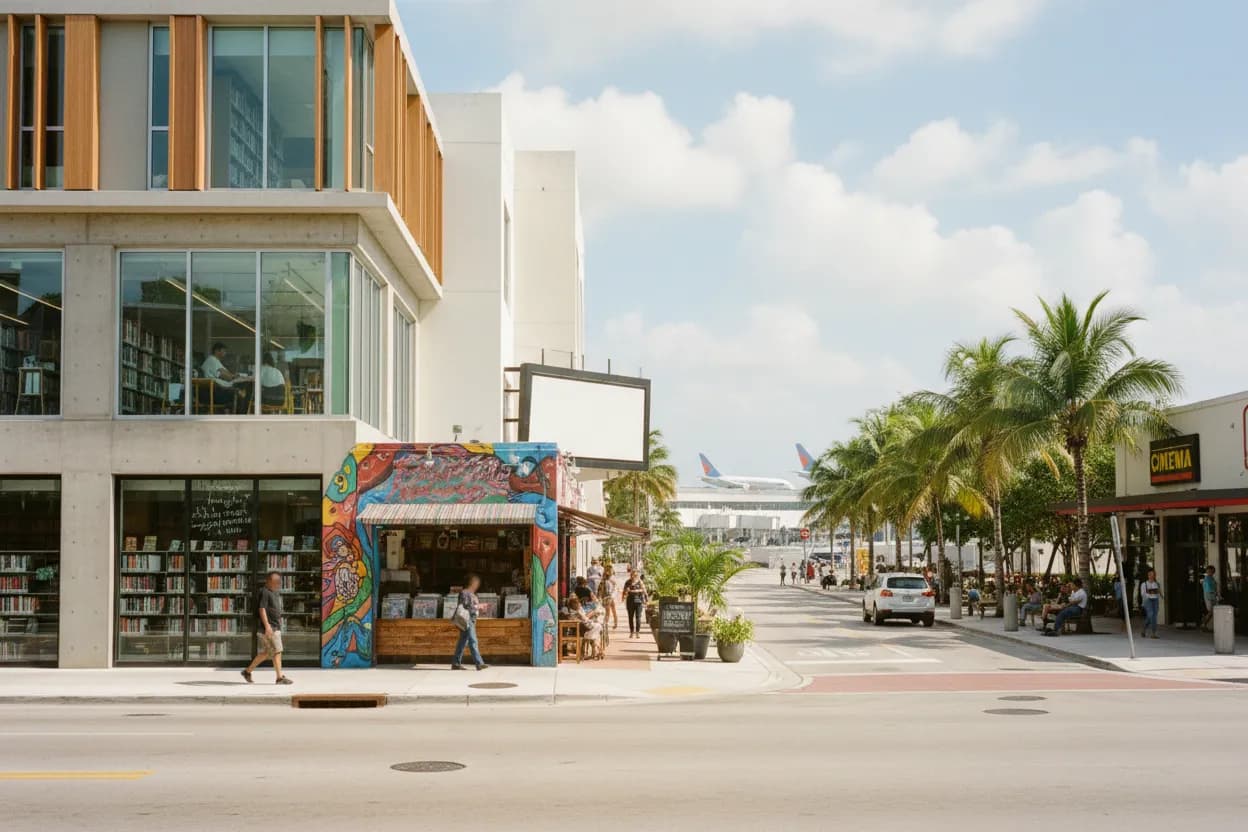
Start downtown at Miami-Dade Public Library System’s Main Library, listed at 101 W Flagler Street. Treat it as your research base, not as a shrine. Search the catalog for Tupac Shakur, hip-hop history, poetry, Black popular culture, music journalism, and media studies. If a title is checked out, ask staff about holds, digital access, or a nearby branch transfer instead of reshaping the whole afternoon around one unavailable book.
The Main Library works best for students who need a desk, air conditioning, and a source-first reset before opinions take over. The tradeoff is timing: branch hours and holiday closures change, and special events can alter room access. Before going, verify today’s listing on the library website, then bring headphones, a library card or ID, and a short question list so the visit stays focused.
Government Center Metromover Transfer
For a car-light version, use Metrorail to Government Center and connect to the free Metromover for downtown stops. Miami-Dade lists Metromover as serving Downtown, Omni, and Brickell, with regular hours posted as 5:30 a.m. to 10 p.m. The system is also undergoing upgrade work, so check rider alerts before relying on a tight connection between library time and a later shop visit.
Accessibility planning matters here because elevators, escalators, heat, and rain can decide whether the route stays low effort. Miami-Dade says backup accessible service can be requested when an inoperable elevator blocks access, but that still adds time. Build a 20-minute cushion, confirm the loop shown inside the train, and use rideshare, bus, or a shorter downtown-only plan as the backup if storms make platforms uncomfortable.
Sweat Records in Little Haiti
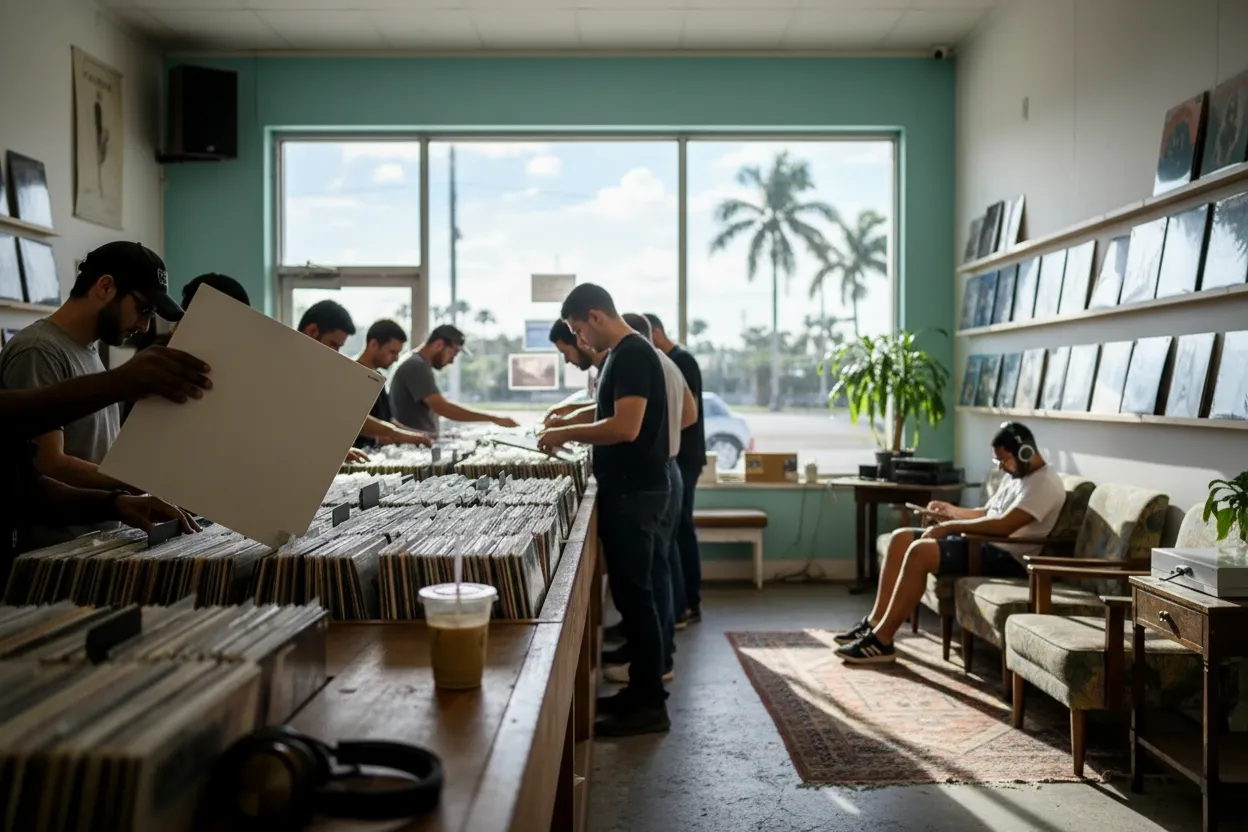
After the library, move north to Sweat Records at 5505 NE 2nd Avenue in Little Haiti. The shop says it carries new and used vinyl, reissues, turntables, accessories, zines, and local merch, and lists shorter Sunday-through-Tuesday hours than Wednesday-through-Saturday hours. That mix makes it useful for comparing what a library biography says with how music is categorized, reissued, priced, and displayed in a living Miami record-shop setting.
Do not assume a specific Tupac record, pressing, or used copy will be in the bin on arrival. Sweat’s own information points shoppers to call during store hours for questions, especially when availability matters. If the shop is busy, make the task narrow: ask whether there are West Coast hip-hop reissues, browse respectfully, note labels or liner notes, then listen later from a legal streaming or library source.
Little Haiti Listening Break
Little Haiti is a smart pause because it keeps the route from collapsing into one artist biography. Miami’s music history is layered with Caribbean, Latin, Southern, bass, dance, and hip-hop currents, and the neighborhood gives students a better frame for thinking about circulation: how records travel, how scenes overlap, and how a national figure can be studied from a local listening position without forcing a false Miami origin story.
The failure mode is overstaying in a shop or cafe and losing the research thread. Set a 45-minute listening window, write down three terms you hear or see, then compare them later with library headings or museum labels. For friends, assign roles: one person tracks albums, one tracks local references, and one checks transit or weather. Solo visitors should keep the route daylight, public, and easy to exit.
Museum of Miami Context Stop
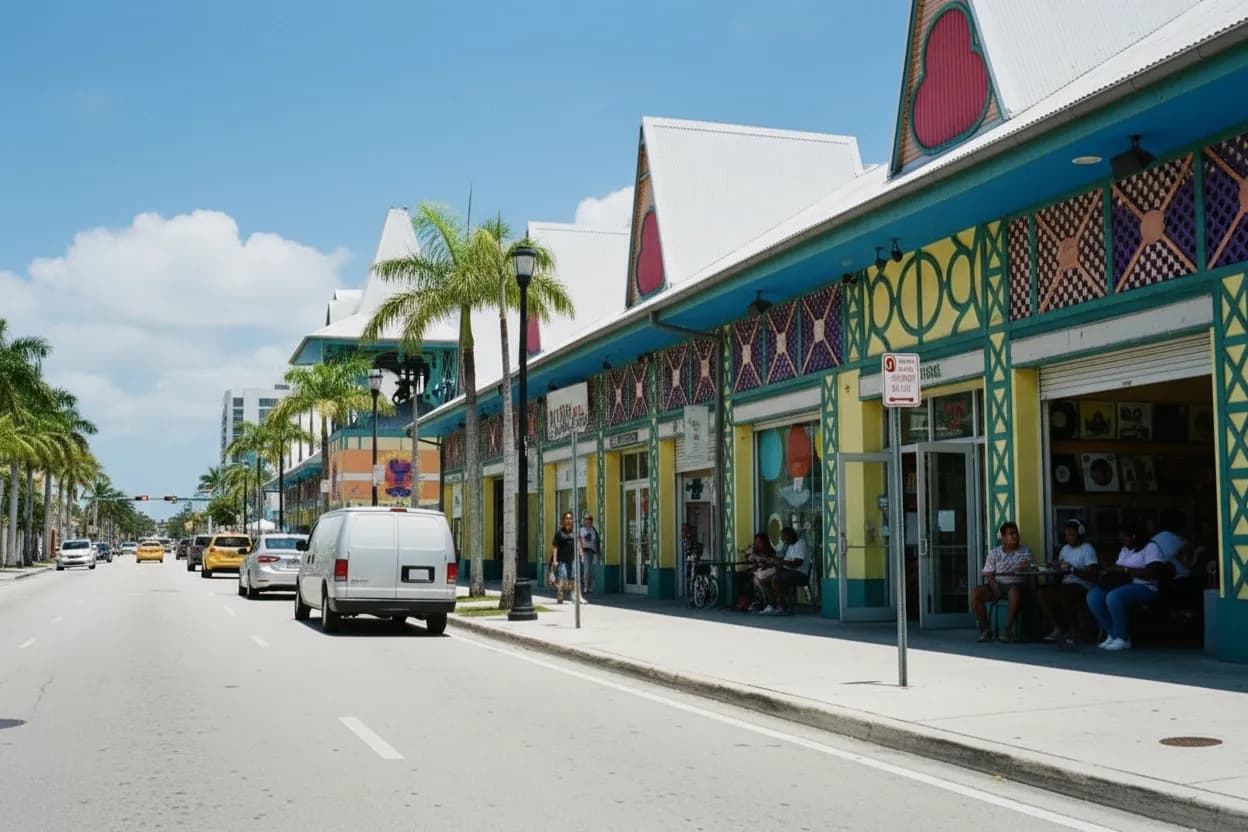
The former HistoryMiami Museum now presents itself as Museum of Miami, a Smithsonian affiliate focused on Greater Miami’s stories, collections, tours, and community memory, with visitor details posted through its official site. It is not a Tupac-specific stop. Its value is context: students can place hip-hop questions beside Miami’s migration, neighborhoods, archives, and civic history rather than treating music as detached from the city where they are studying it.
Use the museum as an optional downtown anchor if the library catalog feels too thin or if rain makes walking unattractive. Check current exhibitions and hours before paying admission or routing there, because exhibition dates and programming change. A good question to carry inside is simple: what Miami histories would help explain the audiences, shops, radio habits, and youth cultures that shaped how 1990s rap was heard here?
Record-Bin Notes, Not Rumors
Tupac’s official biography and reputable reference sources frame him as a rapper, poet, actor, and activist whose life and legacy extended across several cities before his 1996 death. Keep that baseline in your notes, then separate documented career facts from online claims. Avoid turning current trial coverage, old rumors, or social clips into local fact unless a credible source directly supports the claim you are making.
A productive Miami assignment can compare three kinds of evidence: an official artist biography, a library or museum source, and a commercial music object such as a reissue, liner note, or shop listing. Write down what each source can prove and what it cannot. If friends start debating unverified crime details, redirect to documented music, publishing, film work, lyrics, reception, and how public memory changes over time.
Verify Today’s Hours Before Leaving
Make the last action boring on purpose: verify today’s hours, route alerts, and access rules before leaving home or campus on Tuesday, August 11, 2026. Check Miami-Dade Public Library System for the branch, Miami-Dade Transit for Metromover service and elevator status, Sweat Records for store hours, and Museum of Miami for current exhibitions or ticket rules if you add the museum stop.
The best backup is a two-stop version: Main Library plus Sweat Records, or Main Library plus Museum of Miami if weather blocks the Little Haiti leg. Keep screenshots of confirmed hours because pages can update midweek. If anything cannot be confirmed, do not guess; call the venue, switch to a digital catalog search, or save the physical listening route for another afternoon.
Tags: #AskKarpo #BeforeYouGo #Miami #Tupac #MusicHistory #MiamiDadeLibraries #SweatRecords #LittleHaiti #DowntownMiami #Metromover #BackToSchool #SoloMiami #RecordShops #LibraryGuide
Sources consulted: Source 1: mdpls.org · Source 2: miamidade.gov · Source 3: sweatrecordsmiami.com · Source 4: 2pac.com · Source 5: museumofmiami.org
All trademarks are the property of their respective owners.
Ask Karpo first
Tell Karpo your date, group size, budget, and starting point. We’ll check current access, timing, transit, and the cleanest Miami plan for Miami-Dade public libraries, record shops, and music-history listening stops before you head out.